 |
|
|
|
|
|
|
|
|
|
|
|
|
|
|
|
|
|
|
|
|
|
|
|
|
|
|
|
|
 |
||||||||||||||||||||||||||||
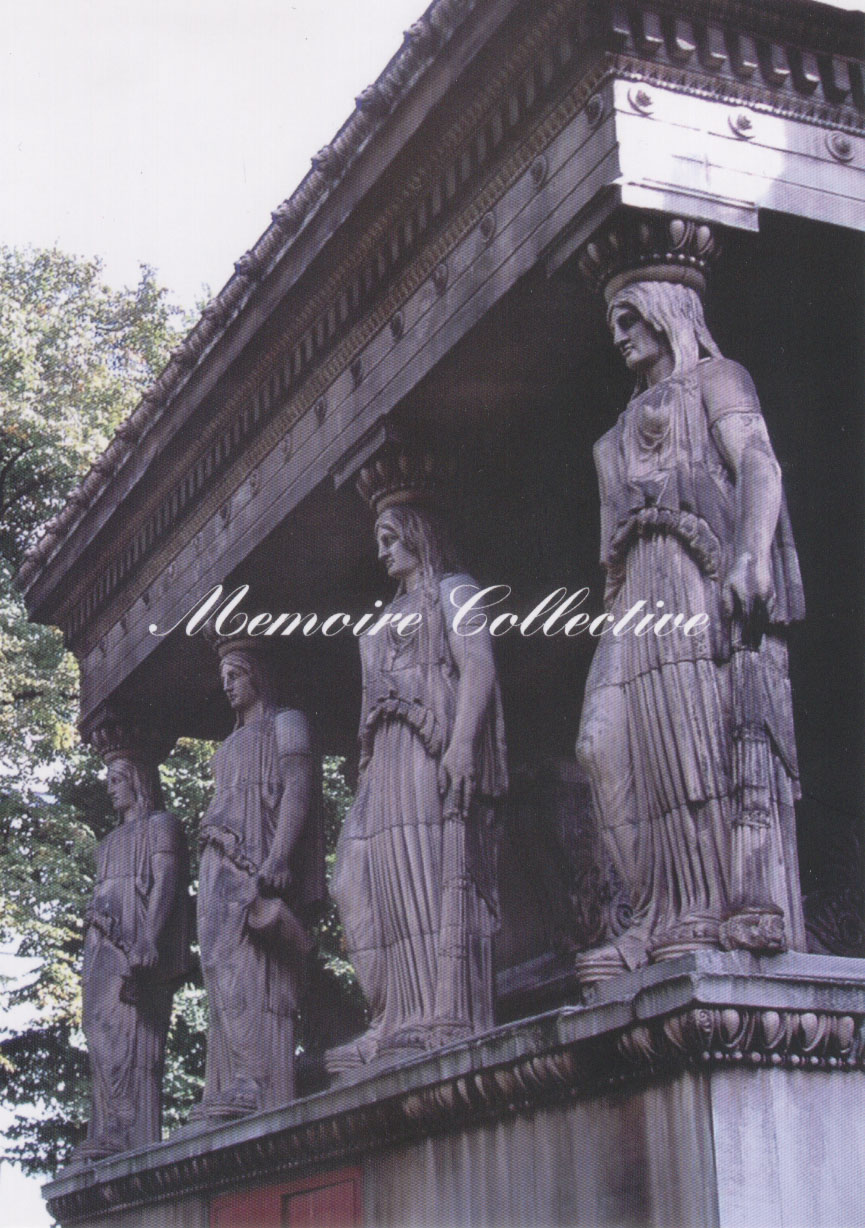
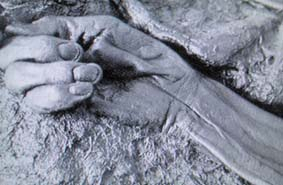
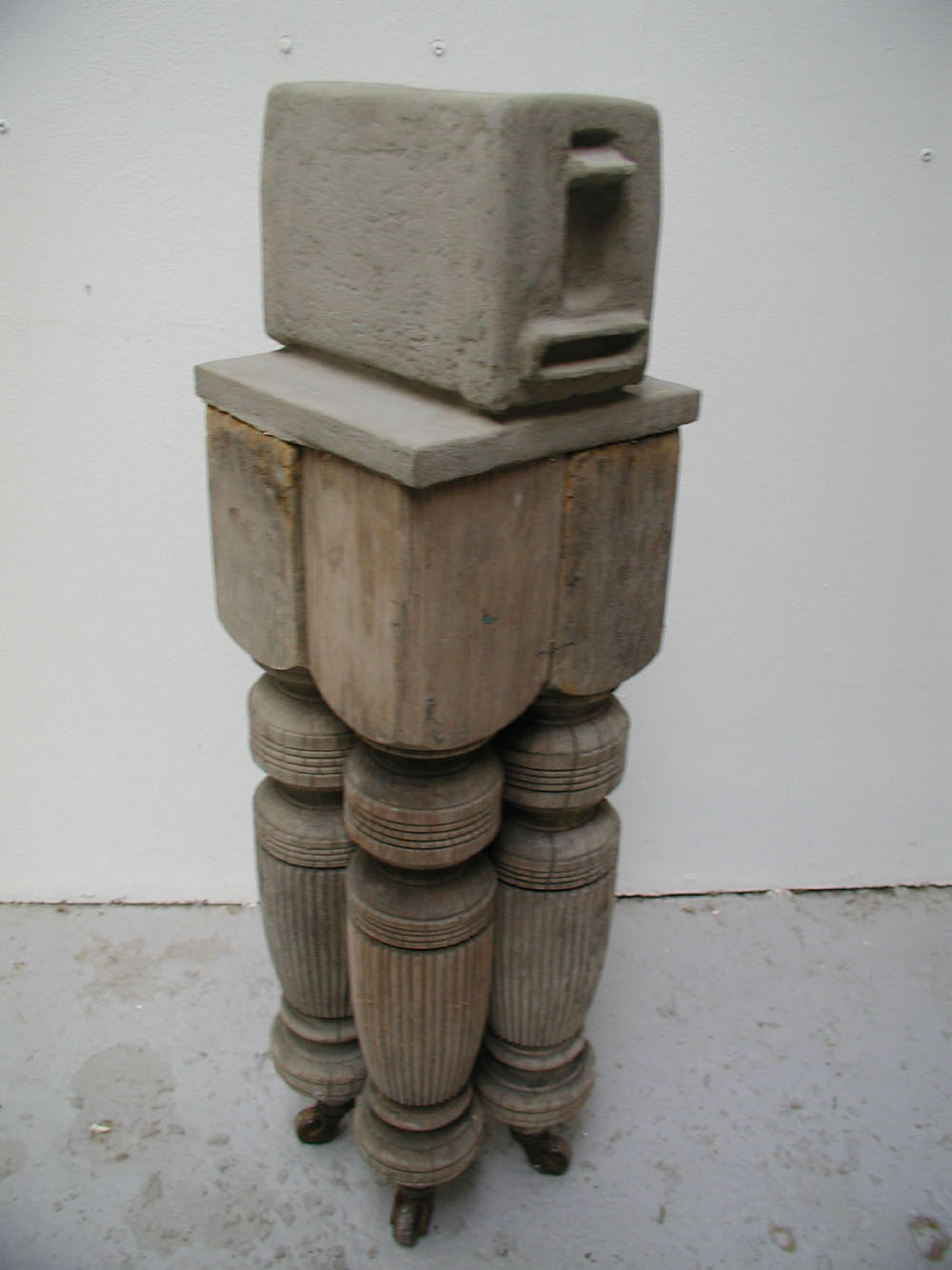
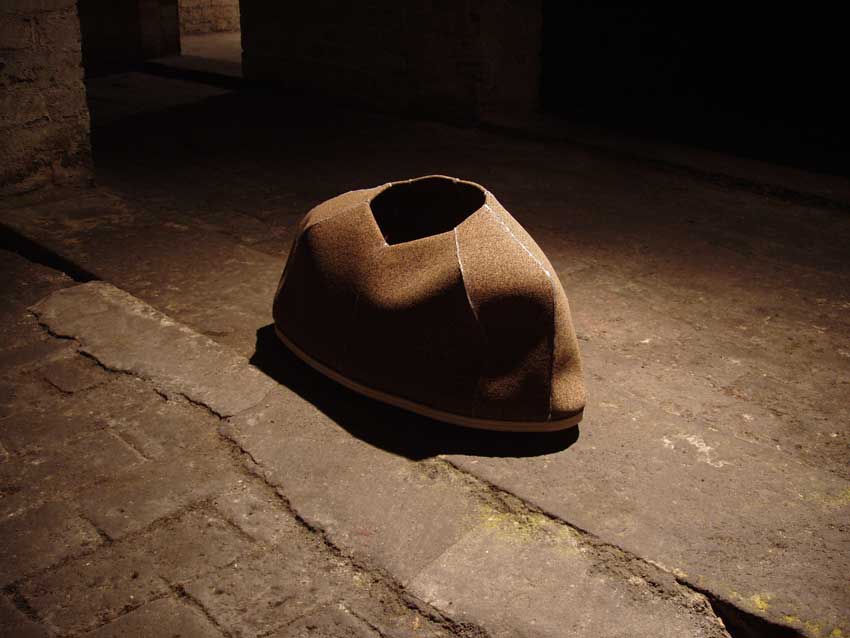
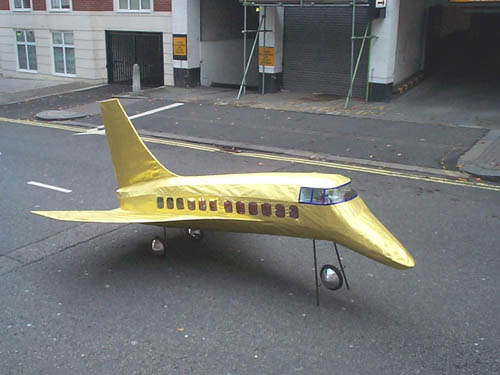
| The exhibition displays the work of three artists along with an archaeologist, and explores the relationship between personal and collective memories.� The venue (a crypt) embodies specific historical qualities: a residue of memory locked in a subterranean unconscious, the storage of bodies, and the architectural language of religion.� "Nostalgia for the present" - a phrase coined by Frederic Jameson, implies that the past has collapsed into an ever recycled present.� This exhibition, although acknowledging this sense of anxiety, seeks to open up a dialogue with history, in particular through memory.� In placing the work in the Crypt of St. Pancras Church a chain of connections is established with the building itself becoming integral to this project. Christine Finn, an archaeologist, brings to life "Bog" bodies which, in their preserved state, have an uncanny sense of the present, yet they pre-date the bodies (undoubtedly now decayed beyond recognition) that are stored in the crypt by 1,000 years.� Further, Finn's video piece is shown through a laptop, a medium, like the TV, by which so many now understand and know the world beyond their own direct experience, as the internet both atomises and connects.� Richard Ducker explores this often private relationship with the ubiquitous technology of the everyday. Where archaeology is an attempt to extract narratives from often obscure objects, Ducker reduces familiar objects to their formal essence embedded in concrete, as archaeological and obsolete. Here though, viewers are invited to project their own narratives based on their memory of the object.� Guillaume Constantin exhibits pieces with a sense of relic, implying the presence of the human body as ghost. These objects are negative memories of a body or refer to the relationship one may have with an object or furniture. Presence is inferred through absence, a particularity of time and place is established by circumscribing a void. Between drawing and sculpture, Constantin's delicate works acquire a character of levitation. Fr�d�rique Decombe conflates two themes: first, the dream of a technological future made iconic in the aircraft Concorde -- now reduced to collective memory; and second, the adaptation of a funeral ritual from Hong Kong, using votive objects made in paper in offertory to the deceased.� Here, Decombe produces an 'origami' Concorde evoking the symbolic plane and its history as a collective treasure. She continues this process upon the other artists works in the exhibition, creating duplicates of the art pieces returning to this "Nostalgia for the present." Curated by Fr�d�rique Decombe and Richard Ducker |
||||||||||||||||||||||||||||
 |
||||||||||||||||||||||||||||
 |
||||||||||||||||||||||||||||
 |
||||||||||||||||||||||||||||
 |
||||||||||||||||||||||||||||
 |
||||||||||||||||||||||||||||
| Sponsored by: Id-ology London |
||||||||||||||||||||||||||||
| Arts Council England London |
||||||||||||||||||||||||||||
| Gottesman Jones & Partners LLP London |
||||||||||||||||||||||||||||
 |
||||||||||||||||||||||||||||
 |
||||||||||||||||||||||||||||
 |
||||||||||||||||||||||||||||
| home page Guillaume Constantin Christine Finn Fr�d�rique Decombe Richard Ducker EXHIBITION PHOTOS Contact info | ||||||||||||||||||||||||||||
| website design by S. Park 2005. ALL RIGHTS RESERVED. | ||||||||||||||||||||||||||||