By Tanya Lewis, Staff Writer; March 22, 2016 01:07pm ET
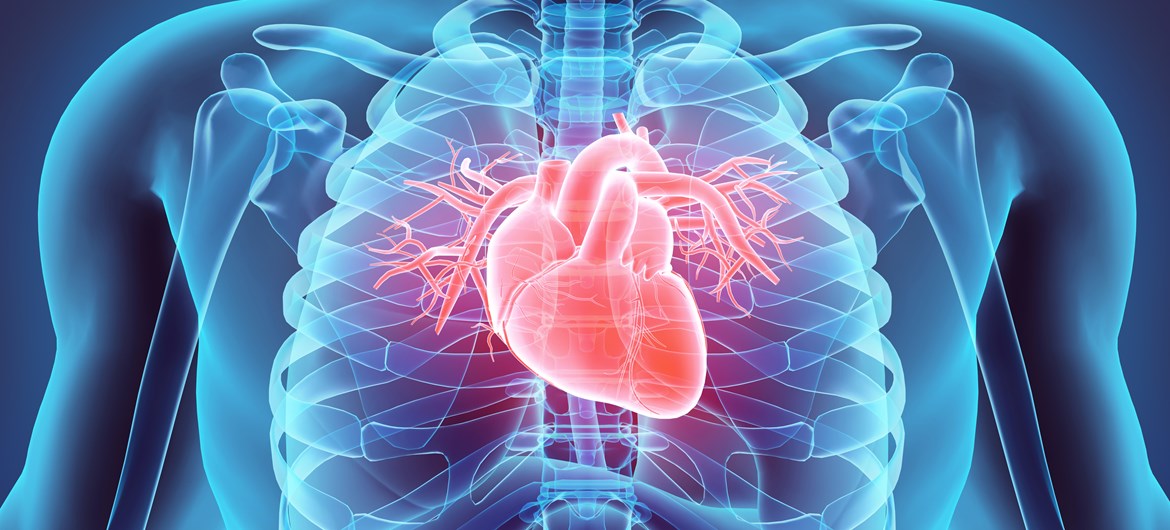
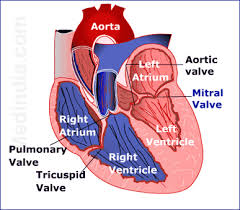
In humans, the heart is roughly the size of a large fist and weighs between about 10 to 12 ounces (280 to 340 grams) in men and 8 to 10 ounces (230 to 280 grams) in women.The physiology of the heart basically comes down to structure, electricity and plumbing.The human heart has four chambers: two upper chambers (the atria) and two lower ones (the ventricles), according to the National Institutes of Health. The right atrium and right ventricle together make up the "right heart," and the left atrium and left ventricle make up the "left heart." A wall of muscle called the septum separates the two sides of the heart.A double-walled sac called the pericardium encases the heart, which serves to protect the heart and anchor it inside the chest. Between the outer layer, the parietal pericardium, and the inner layer, the serous pericardium, runs pericardial fluid, which lubricates the heart during contractions and movements of the lungs and diaphragm.
Function of the heart
The heart is also a muscle, so it needs a fresh supply of oxygen and nutrients.After the blood leaves the heart through the aortic valve, two sets of arteries bring oxygenated blood to feedthe heart muscle. The left main coronary artery, on one side of the aorta, branches into the left anterior descending artery and the left circumflex artery. The right coronary artery branches out on the right side of the aorta. Blockage of any of these arteries can cause a heart attack, or damage to the muscle of the heart. A heart attack is distinct from cardiac arrest, which is a sudden loss of heart function that usually occurs as a result of electrical disturbances of the heart rhythm. A heart attack can lead to cardiac arrest, but the latter can also be caused by other problems. The heart contains electrical "pacemaker" cells, which cause it to contract — producing a heartbeat.
Each cell has the ability to be the 'band leader' and [to] have everyone follow, In people with an irregular heartbeat, or atrial fibrillation, every cell tries to be the band leader,which causes them to beat out of sync with one another. A healthy heart contraction happens in five stages. In the first stage (early diastole), the heart is relaxed. Then the atrium contracts (atrial systole) to push blood into the ventricle. Next, the ventricles start contracting without changing volume. Then the ventricles continue contracting while empty. Finally, the ventricles stop contracting and relax. Then the cycle repeats.Valves prevent backflow, keeping the blood flowing in one direction through the heart.
Labeled heart
The heart circulates blood through two pathways: the pulmonary circuit and the systemic circuit.
In the pulmonary circuit, deoxygenated blood leaves the right ventricle of the heart via the pulmonary artery and travels to the lungs, then returns as oxygenated blood to the left atrium of the heart via the pulmonary vein.
In the systemic circuit, oxygenated blood leaves the body via the left ventricle to the aorta, and from there enters the arteries and capillaries where it supplies the body's tissues with oxygen. Deoxygenated blood returns via veins to the venae cavae, re-entering the heart's right atrium.
Facts about the human heart
A human heart is roughly the size of a large fist.
The heart beats about 100,000 times per day (about 3 billion beats in a lifetime).
An adult heart beats about 60 to 80 times per minute.
The heart is located in the center of the chest, usually pointing slightly left.
The heart pumps about 6 quarts (5.7 liters) of blood throughout the body.
Newborns' hearts beat faster than adult hearts, about 70 to 190 beats per minute.