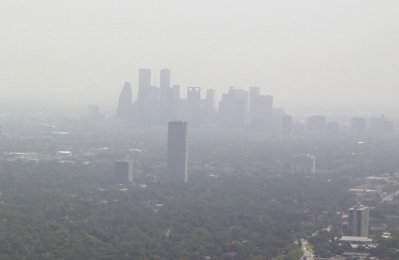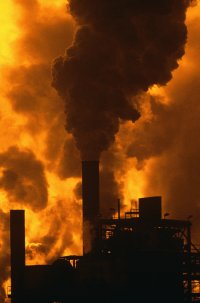
Air pollution is a major problem that has been recognized throughout the world for hundreds of years. In the Middle Ages, the burning of coal in cities released increasing amounts of smoke and sulfur dioxide into the atmosphere. In the late 18th century, the Industrial Revolution, beginning in the UK, led to escalation in pollutant emissions based around the use of coal in both homes and industry. Pollutant emissions continued to grow through the 19th and early 20th centuries and the dramatic smog episodes known as �pea-soupers� became common place in many of Britain�s inner cities, leading to poor air quality. After the infamous London Smog of 1952, pollution from industries and homes, in London and throughout Britain, was dramatically reduced in an attempt to protect health. Unfortunately the United States and many other countries have not gone to these measures.
Poor air quality has negative effects on the environment. Air pollution from transport includes emissions of carbon monoxide, particulates, nitrogen oxides and hydrocarbons. Ozone is a secondary pollutant produced when many of these primary chemicals react in sunlight in the atmosphere. Such primary and secondary pollutants can impact wildlife, vegetation and human health.