Chimney fires
|
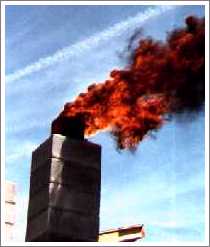
Chimney fires can burn explosively, flames and dense smoke may shoot from the top of the chimney. You may also hear a low rumbling sound like a freight train or thunder. However, these are only the chimney fires you know about. Slow burning chimney fires don't get enough oxygen or have enough fuel to be as dramatic or visible. But the temperatures they reach are very high and can cause as much damage to the chimney structure and nearby combustible parts of your home. As with their more spectacular cousins, with proper chimney system care, chimney fires are entirely preventable. Fireplaces and wood stoves are designed to safely contain wood fueled fires, while providing heat for the home. the chimneys that serve them have the job of expelling the by products of combustion
|
|
As these substances exit the fire burning appliance and flow up into the relatively cooler chimney, condensation occurs and the resulting residue that sticks to the inner walls of the chimney is called creosote. Creosote is black or brown in appearance. It can be crusty and flaky, tar like, drippy and sticky, or shiny and hardened. Often all forms will occur in a chimney system.
Whatever forms it takes, creosote is highly combustible. If it builds up in sufficient quantities and catches fire inside the chimney flue; the result will be a chimney fire. Although any amount of creosote can burn, homeowners should be concerned when the creosote builds up in sufficient quantities to sustain a long, hot, destructive chimney fire.
Certain conditions encourage the buildup of creosote:
-
Restricted air supply
-
burning unseasoned wood
-
cooler than normal chimney temperatures
Air supply: the air supply on fireplaces may be restricted by closed glass doors or by failure to open the damper wide enough to move heated smoke up the chimney rapidly (the longer the smoke's "residence time" in the flue the more likely that creosote will form). A wood stove's air supply can be limited by closing down the stove's damper or air inlets too soon or too much and by improperly using the stovepipe damper to restrict air movement.
Burning unseasoned wood: Because so much energy is used initially just to drive out the water trapped in the cells of the logs, burning green wood keeps the resulting smoke cooler as it moves through the system than if dried, seasoned wood was used.
Cool flue temperatures: in the case of wood stoves, fully packed loads of wood (that give large cool fires and eight to ten hours of burn times) contribute to creosote buildup. Condensation of the unburned by-products of combustion also occurs more rapidly in an exterior chimney, for example, than in a chimney that runs through the center of the house and exposes only the upper reaches of the flue to the elements.
HOW CHIMNEY FIRES DAMAGE CHIMNEYS
Masonry chimneys:
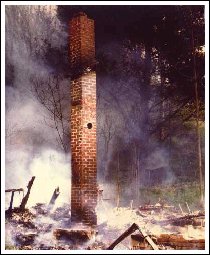
When chimney fires occur in masonry chimneys, whether the flues are an older, unlined type or are tile lined to meet current safety codes, the high temperatures at which they burn (around 2000 degrees Fahrenheit ) can melt mortar, crack tiles, cause liners to collapse and damage the outer masonry material. Most often, tiles crack and mortar is displaced, which provides a pathway for flames to reach the combustible wood frame of the structure. One chimney fire may not harm a home. A second could burn it down. Enough heat can also conduct through a perfectly sound chimney to ignite nearby combustibles.
Pre-fabricated, factory built, metal chimneys
These types of chimneys are being installed in most areas of the United States. These chimneys are designed to vent wood burning appliances and must pass special tests determined by the Underwriters Laboratories (UL) under chimney fire conditions, damage to these systems still may occur usually in the form of buckled or warped seams and joints on the inner liner. When pre-fabricated, factory built metal, metal chimneys are damages by a chimney fire, they should no longer be used and must be replaced.
Ways to keep the fire you want ...from starting one you don't
-
Use seasoned woods only (dryness is more important than hardwood vs. softwood considerations)
-
Build smaller, hotter fires that burn more completely and produce less smoke
-
Never burn cardboard boxes, wrapping paper, trash or Christmas trees, these can spark a chimney fire
-
Install a stovepipe thermometer to help monitor flue temperatures where wood stoves are in use, so you can adjust burning practices as needed
-
Have your chimney inspected and cleaned on a regular basis.
Proper maintenance
Chimney fires don't just happen. Here are three steps to avoid them:
Clean chimneys don't catch fire. Have a certified chimney inspector inspect your solid fuel venting system.
Have your chimney cleaned regularly especially during high use periods.
A chimney in good repair will give you optimum performance and safety.
Signs you have had a chimney fire
Since chimney fires can occur without anyone being aware of them and since damage from such fires can endanger a home and occupants, how do you tell you have had a chimney fire?
Here are some signs:
-
"puffy creosote, with rainbow colored streaks, that had expanded beyond creosotes natural form"
-
warped metal of the damper, metal smoke chamber, connector pipe or factory built chimney
-
craked or collapsed flue tiles, or tiles with large chunks missing
-
discolored and distorted rain cap
-
creosote flakes and peices found on roof or ground
-
roofing material damaged from hot creosote
-
cracks in exterior masonry
-
evidence of smoke escaping through mortar joints of masonry or tile liners
WHAT TO DO IF YOU ARE HAVING A CHIMNEY FIRE
If you realize a chimney fire is occurring, follow these steps:
1) Get everyone out of the house, including yourself
2) Call 911
3) Try not to panic give persise directions to your home
If you can do so without risk to yourself, these additional steps may help
save your home. Remember, however, that homes are replaceable, but lives are
not:
- Put a flare type chimney fire extinguisher into the fireplace or wood stove
- Close the glass doors on the fireplace
- Close the air inlets on the wood stove
- Use a garden hose to spray down the roof (not the chimney) so the fire won't spread to the rest of the structure
- Monitor the exterior chimney temperature throughout the house for at least 2 or 3 hours after the fire is out