� ������������ My Story| Support | Resources | Window to the mind |
|


What is ACM?
 |
 |
� |
� |
 |
 |
| �
|
����� ����������������������������������
�
�
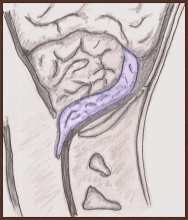
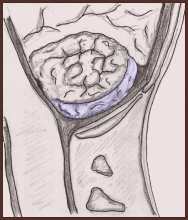
This 'crowding' can result in a restriction in the flow of CSF (cerebral spinal fluid) from the spine into the brain and vice-versa.
 |
 |
|
Chiari
|
Normal
|
Even though the amount of brain spilling out of place is less damaging than the restriction of flow, the degree of malformation is measured by the herniation.
Classifications
There are several different classes of chiari.
- ACM 1 is characterized by a displacement of the cerebellar tonsils below the opening at the base of the skull. This may also include Syringomyelia, Hydrocephalus and abnormalities in the bone structures around that area.
- in ACM 2, the displacement includes, not only the cerebellar tonsils, but also the brain stem outside of the base of the skull (foramen magnum). Again it may also include Syringomyelia, Hydrocephalus and bony abnormalities but is also often associated with spina bifida.
- ACM 3 includes all of the characteristics found in ACM 1+2 but also includes a 'bulging' of the spinal cord.
- ACM 4 is now considered a different, but related condition.
For example, Natalie has ACM1 15mm.
Diagnosis
Chiari is often misdiagnosed since it can only be diagnosed with the use of an MRI scan and the symptoms are so wide and varied. FM (fibromyalgia) CFS (chronic fatigue syndrome) and MS (multiple sclerosis) are often diagnosed by mistake. Many doctors have never even heard of chiari. To find out more about MRI scans then visit the MRI page.
Symptoms
Symptoms are wide and varied, but head and neck pain, fatigue and dizziness are the most common. To read a very comprehensive list, please click here.
Surgery
�Surgery is the only way to try to 'cure' the condition, however it is not 100% successful and should never be taken lightly. The surgery requires the removal of bone from the base of the skull and from the upper vertebrae. You can read more about this, as well as seeing diagrams on the Surgery Page. Drugs are often used to treat the symptoms themselves, but that is only a short-term measure.
Many people with chiari live with only minimal symptoms. Others have the surgery and find relief afterwards. Please, don't worry. Worry never did anyone any good.
�What are the Symptoms?�
�
| Symptoms | Proportion complaining of symptom |
|
Symptoms | Proportion complaining of symptom |
| Headache |
90%
|
Sleep Apnea |
55%
|
|
| Fatigue |
90%
|
Decreased Muscle Tone |
55%
|
|
| Loss of Vision |
81%
|
Pressure in Ears |
52%
|
|
| Tingling in Extremities |
81%
|
Nausea |
52%
|
|
| General Imbalance |
77%
|
Throbbing in Neck |
52%
|
|
| General Clumsiness |
77%
|
Difficulty Reading Text |
52%
|
|
| Memory Loss |
77%
|
Depth Perception Problems |
52%
|
|
| Restricted Movement |
74%
|
Intense Burning in Extremities |
52%
|
|
| Intolerance to Bright Light |
74%
|
Menstrual Problems |
49%
|
|
| Vertigo from Position Change |
74%
|
Fluid-Like Sound in Ears |
48%
|
|
| Difficulty Walking on Uneven Ground |
74%
|
Loss of Sexual Interest/Sensation |
48%
|
|
| Motor Skills Dysfunction |
74%
|
Pulling Sensation While Standing/Sitting |
48%
|
|
| Difficulty Driving |
74%
|
Shooting Pain in Neck |
45%
|
|
| Difficulty Negotiating Steps |
71%
|
Intense Itchiness with Profuse Sweating |
45%
|
|
| Pressure on Neck |
71%
|
"Stars" in Vision |
45%
|
|
| Pain/Pressure Behind Eyes |
71%
|
Slurred Speech |
45%
|
|
| Back Pain (previous back injury 35%) |
71%
|
Gag Reflex Problems |
45%
|
|
| Neck Spasms |
68%
|
Panic Attacks |
45%
|
|
| Spots in Vision |
68%
|
Veritgo from Nervousness |
42%
|
|
| Insomnia |
61%
|
Shooting Pain in Head |
42%
|
|
| Ringing in Ears |
61%
|
See "Halos" |
39%
|
|
| Difficulty Adjusting to Light Change |
61%
|
Difficulty Feeling Ground Under Feet |
39%
|
|
| Swaying |
61%
|
Tightness in Chest |
39%
|
|
| Pain When Changing Position |
61%
|
Loss of Bladder Control |
35%
|
|
| Nystagmus |
58%
|
Pressure on Chest |
35%
|
|
| Tingling Feelings in Head |
58%
|
Dehydration |
35%
|
|
| Intolerance to Loud/Confusing Sounds |
58%
|
Difficulty Locating Foot Position |
35%
|
|
| Decresed Sensation in Extremities |
58%
|
Foot Drop |
32%
|
|
| Pain Along Ear/Eye/Jawline |
55%
|
Drop Attacks |
32%
|
|
| Double Vision |
55%
|
Electric-Like Burning Sensations |
26%
|
|
| Difficulty Swallowing |
55%
|
Unequal Pupil Size |
26%
|
|
| Drooling |
55%
|
Loss of Taste |
26%
|
|
| Spontaneous Veritgo |
55%
|
Popping/Cracking Sounds in Neck |
13%
|
|
| Hand Tremors |
55%
|
Loss of Smell |
10%
|
|
| Poor Blood Circulations |
55%
|
Dry Skin and Lips |
10%
|
|
| Sinus/Mucous Problems |
55%
|
|||
| Other: Migraines, Oscillopsia, Lump in Throat, Colour Blindness, Albinism, 'Floaters', Thinning Hair, Hear Heartbeat in Ears, Throat Closes when Lying Flat, Vomit in Sleep, Swollen Face, Low Body Temperature, Low Blood Pressure, Legs Feel Heavy, "Strangling" Feeling, "Floating" Sensation, Thickening of Finger Joints. | ||||
|
List kindly donated
by WACMA
|
||||