 |
|
|
|
|
|
|
|
|
|
|
|
|
|
|
|
|
|
|
|
|
|
|
|
|
|
|
|
|
|
|
|
|
|
|
|
|
|
|
|
|
|
|
|
|
|
|
|
|
|
|
French Seams and Inverted Frech Seams |
|
|
Home |
|
|
|
|
|
|
Learning how to do a French Seam will add a professional look to garments that require a) out-facing seams (makes the piece look inside-out) or b) very fine fabrics. Since this seam is self-finishing because it's a two-step process, there is no need to serge or overlock the seam, which eliminates bulk. |
|
|
|
 |
|
|
|
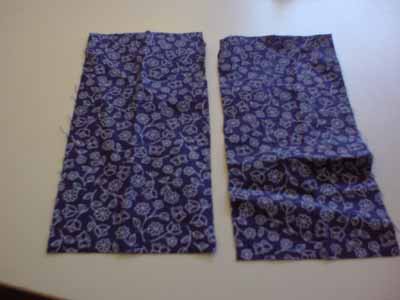
First, this is a seam, so you will be sewing two things together. I have used a patterned fabric so you can see which side is which |
|
|
|
|
|
 |
|
|
|
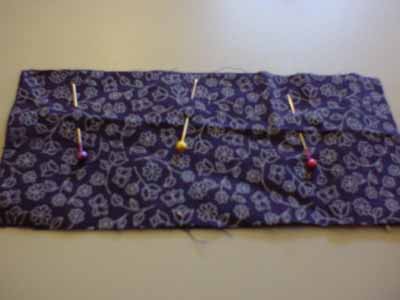
Pin wrong sides in. Yes! WRONG sides in. This is the opposite of a normal hem at this point. |
|
|
|
|
|
 |
|
|
|
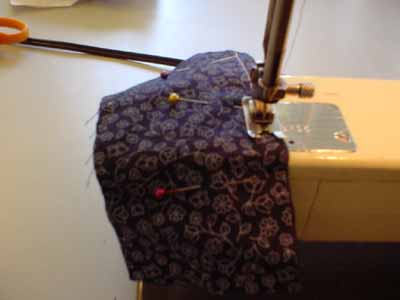
Stitch about 1 cm down the seam |
|
|
|
|
|
 |
|
|
|
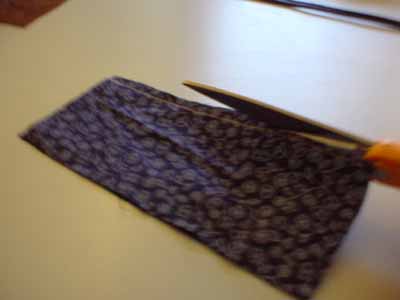
Clip seams (take off about half). This will reduce bulk. |
|
|
|
|
|
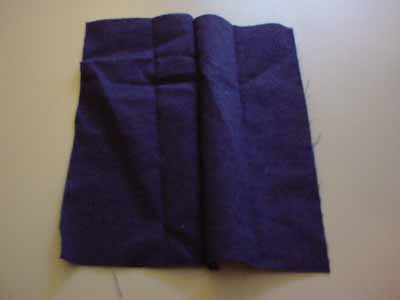 |
|
|
|
Next, open out the fabric. You're going to put the right sides together and to the inside now. It's kind of like a seam sandwhich. The selvege on your first seam is going to be pocketed into another seam. |
|
|
|
|
|
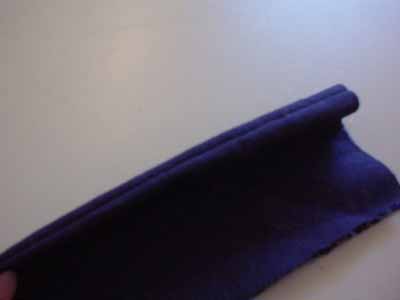 |
|
|
|
It will look sort of like this when you fold it. You can press the first seam to the inside if you like, but I usually just "finger-press". |
|
|
|
|
|
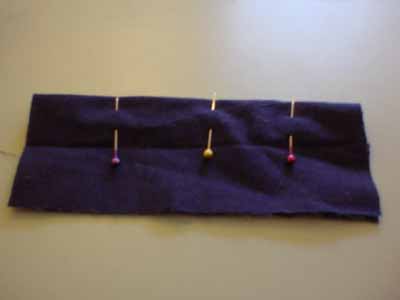 |
|
|
|
While I hate ironing, I do think that pinning is a good idea. It will prevent your seam from rolling if the fabric gets a bit jarred by your feeder dogs. |
|
|
|
|
|
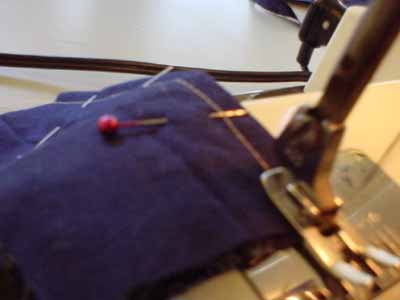 |
|
|
|
Sew the old seam inside the new one. A width of about 1 cm should be fine. Just make sure that your new seam will fully enclose the old one. |
|
|
|
|
|
 |
|
|
|
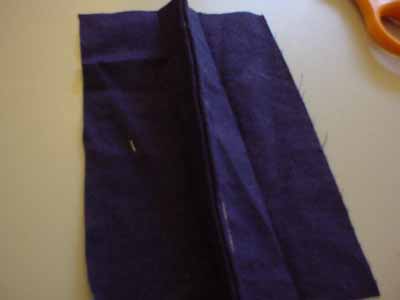
From the wrong side, a finished French Seam will look like a ridge. This really does look nice if you have organza or other see-through fabrics. |
|
|
|
|
|
 |
|
|
|
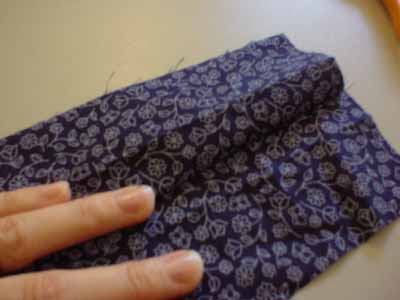
From the right side, a finished French Seam looks like a plain old seam. A nice neat line. But think about how tidy it is inside! |
|
|
|
|
|
Reversed French Seam |
|
|
|
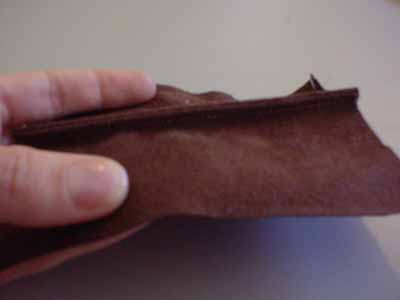
I will use a reverse french seam to construct Gunner Yuna's pouch. The pouch has that "inside-out" look, but I don't want raw fabric just hanging on the outside, fraying and looking crappy. If you do the above French Seam process, but start with your wrong sides in, and then switch it for the second seem, you end up with an extroverted ridge. Perfect! |
|
|
|
 |
|
|
|
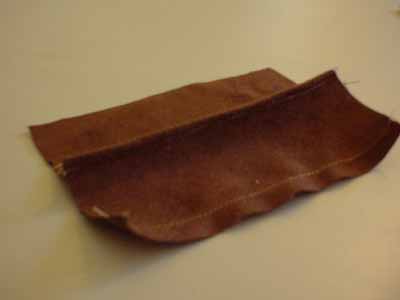
These are some testers that I did.
Since I don't have a serger, a reversed French Seam is the best treatment for this particular look. However, all French Seams require you to think twice about your seam allowances. Usually, they will be double. You need 2 cm of seam allowance to produce a 1 cm ridge (this includes the 1/2 cm you will trim off after the first seam).
I will post pics of how the pouch turns out when I get there. Now that I know the technique will work, I can get started. |
|
|
|
|
 |
|
|
|
|