
Good Luck using Blindstitching in your projects!
|
|
|
|
|
|
|
|
|
|
|
|
|
|
|
|
|
|
|
|
|
|
|
|
|
|
|
|
|
|
|
|
|
|
|
|
|
|
|
|
|
|
| Technique: Blindstitching/Blindhemming | |||||||||||||||||||||||||||||||||||||||||
| You never know when a special sewing technique is going to give the perfect professional finishing touch to your project. This technique, called "blindstitching" or "blindhemming" uses a variable stitch of 3 straight stitches and one zig-zag stitch to "catch" the hem, leaving only a tiny mark on the right side of the fabric. This finish is great for finer fabrics, stretch fabrics, hemming pants and hemming curtains. | |||||||||||||||||||||||||||||||||||||||||
|
|||||||||||||||||||||||||||||||||||||||||
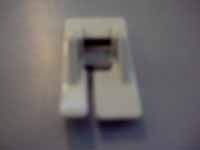
| This is a blindstitching foot. The foot is split into 2 parts, with one part being both higher and smaller than the other. | |||||||||||||||||||||||||||||||||||||||||
|
|||||||||||||||||||||||||||||||||||||||||
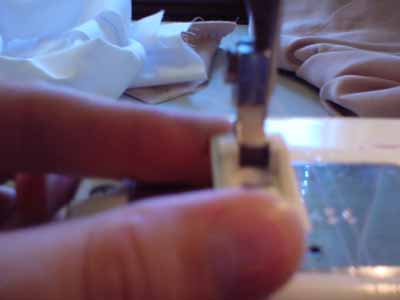
| The foot snaps onto your machine's ankle just like a regular presser foot. You can even thread it the exact same way! | |||||||||||||||||||||||||||||||||||||||||
|
|||||||||||||||||||||||||||||||||||||||||
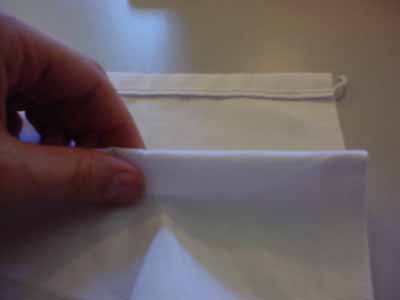
| Pinch your fabric together from the WRONG side to make a peak. The opening on the other side is where the hem will end up. so you may have to mark where it will go before doing this step. | |||||||||||||||||||||||||||||||||||||||||
|
|||||||||||||||||||||||||||||||||||||||||
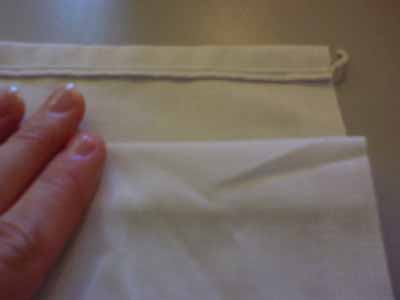
| Push the peak over to one side. Which way it turns will depend on your project's needs. | |||||||||||||||||||||||||||||||||||||||||
|
|||||||||||||||||||||||||||||||||||||||||
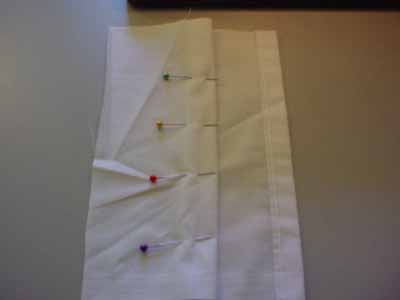
| Pin along the bulkier of the two sides to hold the hem in place. | |||||||||||||||||||||||||||||||||||||||||
|
|||||||||||||||||||||||||||||||||||||||||
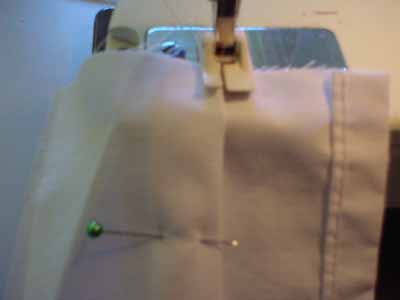
| Place fabric under blindstitching foot so that the bulkier side of the fabric is under the raised, smaller part of the foot. Basically, the three straight stitches will go on the single layer of fabric, and the one zig-zag stitch will "catch" on the bulkier side. | |||||||||||||||||||||||||||||||||||||||||
|
|||||||||||||||||||||||||||||||||||||||||
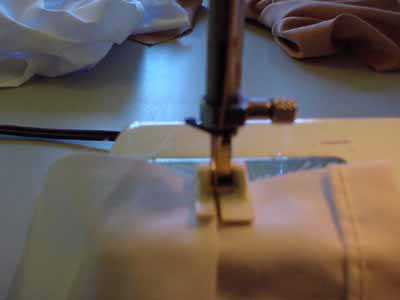
| Sew as neatly as possible, trying to only pick up a few threads along the fold when the machine goes to do the zig-zag. This can take a bit of pratice and patience. | |||||||||||||||||||||||||||||||||||||||||
|
|||||||||||||||||||||||||||||||||||||||||
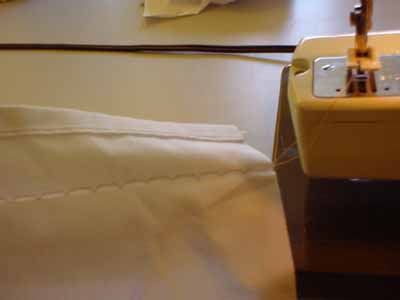
| It's a good idea to back-stitch in order to reinforce your seams. This is a view of the wrong side of a blindstitched hem. | |||||||||||||||||||||||||||||||||||||||||
|
|||||||||||||||||||||||||||||||||||||||||
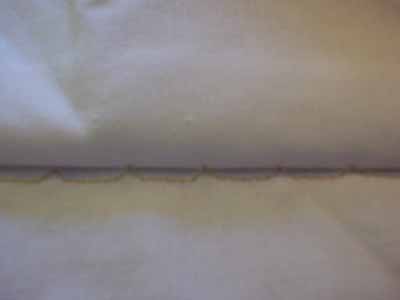
| This is a close-up view of the wrong side of a blindstitched hem. I have used brown thread to show clearly where the seam is. | |||||||||||||||||||||||||||||||||||||||||
|
|||||||||||||||||||||||||||||||||||||||||
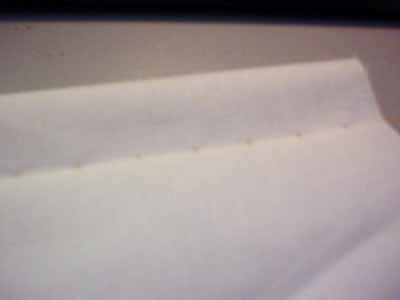
| This is what the seam looks like from the front. Only a small stitch is showing at the front. This seam would be mostly invisible if I had used matching thread. Good Luck using Blindstitching in your projects! |
|||||||||||||||||||||||||||||||||||||||||