



|
|
Maledpun Music ทางเลือกประสบการณ์ฟังเพลงคุณภาพ | ||||||
|
|
|
|
|||||
CD |
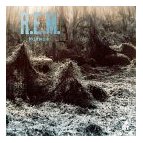
Murmur R.E.M. - 1983
|
||||||||
| อัลบั้มที่ใครฟังก็ต้องชอบ | |||||||||
| อัลบั้มแยกตามแนวดนตรี | |||||||||
| MP3 | |||||||||
| เพื่อนักดนตรี | |||||||||
| DVD & VCD | |||||||||
| คอนเสิร์ตและ MV คุณภาพ | |||||||||
Rolling Stone R.E.M.'s Chronic Town EP was one of last year's more invigorating, tuneful surprises: a record from an Athens , Georgia , band that cared not a whit for the fashionable quirks of that town's dance-rock outfits like the B-52's or Pylon. R.E.M. fashioned its own smart, propulsive sound out of bright pop melodies, a murky, neopsychedelic atmosphere and a host of late-Sixties pop-rock touches. The execution wasn't always up to the ideas–instrumentally, the band was still stumbling at times – but Chronic Town served notice that R.E.M. was an outfit to watch. Murmur is the record on which they trade that potential for results: an intelligent, enigmatic, deeply involving album, it reveals a depth and cohesiveness to R.E.M. that the EP could only suggest. Murmur is a darker record than Chronic Town , but this band's darkness is shot through with flashes of bright light. Vocalist Michael Stipe's nasal snarl, Mike Mills' rumbling bass and Bill Berry's often sharp, slashing drums cast a cloudy, postpunk aura that is lightened by Peter Buck's folk-flavored guitar playing. Many of the songs have vague, ominous settings, a trait that's becoming an R.E.M. trademark. But not only is there a sense of detachment on the record – these guys, as one song title says, "Talk about the Passion" more often than they experience it – but the tunes relentlessly resist easy scanning. There's no lyric sheet, Stipe slurs his lines, and they even pick a typeface that's hard to read. But beyond that elusiveness is a restless, nervous record full of false starts and images of movement, pilgrimage, transit. In the end, though, what they're saying is less fascinating than how they say it, and Murmur's indelible appeal results from its less elusive charms: the alternately anthemic and elegiac choruses of such stubbornly rousing tunes as "Laughing" and "Sitting Still"; instrumental touches as apt as the stately, elegant piano in the ballad "Perfect Circle" and the shimmering folkish guitar in "Shaking Through"; above all, an original sound placed in the service of songs that matter. R.E.M. is clearly the important Athens band.
All Music Leaving behind the garagey jangle-pop of their first recordings, R.E.M. developed a strangely subdued variation of its trademark sound for its full-length debut album, Murmur. Heightening the enigmatic tendencies of Chronic Town by de-emphasizing the backbeat and accentuating the ambience of the ringing guitar, R.E.M. created a distinctive sound for the album — one that sounds eerily timeless. Even though it is firmly in the tradition of American folk-rock, post-punk and garage-rock, Murmur sounds as if it appeared out of nowhere, without any ties to the past, present or future. Part of the distinctiveness lies in the atmospheric production, which exudes a detached sense of mystery, but it also comes from the remarkably accomplished songwriting. The songs on Murmur sound as if they've existed forever, yet they subvert folk and pop conventions by taking unpredictable twists and turns into melodic, evocative territory, whether it's the measured riffs of "Pilgrimage," the melancholic "Talk About the Passion" or the winding guitars and pianos of "Perfect Circle." R.E.M. may have made albums as good as Murmur in the years following its release, but they never again made anything that sounded quite like it.
Adrian’s Album Reviews Around the same time as REM emerged, seemingly fully formed to shake up the U.S. alternative scene, in England The Smiths were doing the same for that particular countries alternative indie scene. Neither group made crossroads in each others territories until much later. Both served a similar purpose however, if only in being influential in shaping the direction of alternative music to an extent, in their respective countries. REM meant nothing at all in the UK in 1983, and 'Murmer' made minimal impact, although in the U.S. it charted within the Billboard top 50, and REM never looked back. I said they arrived fully formed? Well, they practised an awful lot. They played a bunch of concerts. They released an EP! But, this was, after all - their first album long statement. And, right from the off - it sounds distinctive. The vocals and lyrics are certainly distinctive. The jangle of the guitar may well remind you of certain Sixties groups, but few other acts were ploughing that particular field in 1983, when everything was shiny and new. REM sounded timeless right from the start. |
http://www.geocities.com/maledpunmusic/
Updated October 2004