



|
|
Maledpun Music ทางเลือกประสบการณ์ฟังเพลงคุณภาพ | ||||||
|
|
|
|
|||||
CD |
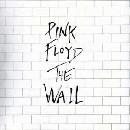
The Wall (2 CDs) Pink Floyd - 1979
|
||||||||
| อัลบั้มที่ใครฟังก็ต้องชอบ | |||||||||
| อัลบั้มแยกตามแนวดนตรี | |||||||||
| MP3 | |||||||||
| เพื่อนักดนตรี | |||||||||
| DVD & VCD | |||||||||
| คอนเสิร์ตและ MV คุณภาพ | |||||||||
|
“ ผลงานคอนเซ็ปท์อัลบั้มที่ยอดเยี่ยมอีกชิ้นของ Pink Floyd งานนี้ถือได้ว่าเป็นงานโชว์เดี่ยวของ Roger Waters เลยก็ว่าได้ ก็เล่นเหมาแต่งเพลงทั้งอัลบั้มเองหมด เป็นอัลบั้มที่รวมดนตรีร็อคไซคลีเดลลิกเข้ากับดนตรีแบบบรอดเวย์ ที่ดำเนินเรื่องราวของนักร้องเพลงร็อคที่ประสบความสำเร็จ แต่ที่มีปมทางจิตจากชีวิตในวัยเด็กที่สูบเสียพ่อไปในสงคราม ซึ่งส่งผลกระทบต่อการใช้ชีวิตแบบร็อคสตาร์ของเขา เพลง Another Brick in The Wall คือเพลงเด่นที่ประกอบด้วยสามภาคที่แตกต่างกัน แต่ถูกผูกโยงให้เป็นเรื่องเดียวได้อย่างน่าสนใจ The Wall คือ คอนเซ็ปท์อัลบั้มแบบเล่าดำเนินเรื่องที่โดดเด่นมาก ”
all music guide The Wall is a stunning synthesis of Waters' by now familiar thematic obsessions: the brutal misanthropy of Pink Floyd's last LP, Animals; Dark Side of the Moon's sour, middle-aged tristesse; the surprisingly shrewd perception that the music business is a microcosm of institutional oppression (Wish You Were Here); and the dread of impending psychoses that runs through all these records-plus a strongly felt antiwar animus that dates way back to 1968's A Saucerful of Secrets. But where Animals, for instance, suffered from self-centered smugness, the even more abject The Wall leaps to life with a relentless lyrical rage that's clearly genuine and, in its painstaking particularity, ultimately horrifying. Fashioned as a kind of circular maze (the last words on side four begin a sentence completed by the first words on side one), The Wall offers no exit except madness from a world malevolently bent on crippling its citizens at every level of endeavor. The process-for those of Waters' generation, at least - begins at birth with the smothering distortions of mother love. Then there are some vaguely remembered upheavals from the wartime Blitz: Did you ever wonder Why we had to run for shelter When the promise of a brave new world Unfurled beneath a clear blue sky? In government-run schools, children are methodically tormented and humiliated by teachers whose comeuppance occurs when they go home at night and "their fat and/Psychopathic wives would thrash them/Within inches of their lives." As Roger Waters sees it, even the most glittering success later in life-in his case, international rock stardom-is a mockery because of mortality. The halfhearted hope of interpersonal salvation that slightly brightened Animals is gone, too: women are viewed as inscrutable sexual punching bags, and men (their immediate oppressors in a grand scheme of oppression) are inevitably left alone to flail about in increasingly unbearable frustration. This wall of conditioning finally forms a prison. And its pitiful inmate, by now practically catatonic, submits to "The Trial"-a bizarre musical cataclysm out of Gilbert and Sullivan via Brecht and Weill - in which all of his past tormentors converge for the long-awaited kill. This is very tough stuff, and hardly the hallmark of a hit album. Whether or not The Wall succeeds commercially will probably depend on its musical virtues, of which there are many. Longtime Pink Floyd fans will find the requisite number of bone-crushing riffs and Saturn-bound guitar screams ("In the Flesh"), along with one of the loveliest ballads the band has ever recorded ("Comfortably Numb -"). And the singing throughout is-at last-truly firstrate, clear, impassioned. Listen to the vocals in the frightening "One of My Turns," in which the deranged rock-star narrator, his shattered synapses misfiring like wet firecrackers, screams at his groupie companion: "Would you like to learn to fly?/Would you like to see me try?" Problems do arise, however. While The Wall's length is certainly justified by the breadth of its thematic concerns, the music is stretched a bit thin. Heavy-metal maestro Bob Ezrin, brought in to coproduce with Roger, Waters and guitarist David Gilmour, adds a certain hard-rock consciousness to a few cuts (especially the nearfunky "Young Lust") but has generally been unable to match the high sonic gloss that engineer Alan Parsons contributed to Dark Side of the Moon. Even Floydstarved devotees may not be sucked into The Wall's relatively flat aural ambiance on first hearing. But when they finally are-and then get a good look at that forbidding lyrical landscape - they may wonder which way is out real fast. (RS 310) CD Now Conceived as an album, stage show (during which a physical wall was literally built between the band and its audience), and a film (disastrously realized by director Alan Parker in 1982), The Wall is less of a narrative and more of a fever dream plucked from the drug-warped mind of its self-destructing rock-star protagonist, Pink. Memories of an overprotective mother, abusive teacher, and estranged wife mingle freely with the present-time action and Pink's delusional image of his concerts as fascist rallies (a notion not dissimilar to punk's critique of the music industry). Rather than separate truth from delusion, Waters captures another reality -- that of Pink's mental collapse. Sonically, the mood shifts, matching those of its protagonist, are complicated, conflicting, and often erratic. From the opening, David Gilmour's guitar riffs lurk in the background like a weight slowly pressing down on Pink's crumbling psyche. "One of My Turns" shifts from a catatonic organ-drone stupor to a violent guitar assault with the speed and violence of a psychotic break. And, in one of rock history's more ironic twists, the band even lifted a straight disco beat for "Another Brick in the Wall, Part 2" perhaps the darkest danceable transatlantic chart topper of all time. Following The Wall, Pink Floyd's core lineup, intact since 1968, would never again work as a whole unit or scale such musical heights. The band, like its protagonist, sank under its own weight, but only after completing one of its most ambitious and successful works. |
http://www.geocities.com/maledpunmusic/
Updated October 2004