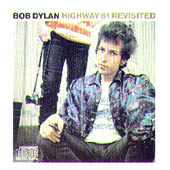
|
“ต้องบอกว่า Highway 61 Revisited คือ ผลงานชิ้นโบว์แดงของชีวิตนักร้อง / นักแต่งเพลงอัจฉริยะของวงการเพลงโลก ถ้าสอบถามคนในวงการเพลงสากลต้องบอกว่าหาได้น้อยคนนักที่ไม่เคยฟังเพลงของ Bod Dylan และถึงแม้ไม่เคยฟังยังไงก็ไม่กล้าบอกหรอก เพราะมันคือการเสียฟอร์มอย่างมาก Dylan สร้างชื่อเสียงมากับการเล่นเพลงโฟร์คด้วยกีร์ต้าโปร่ง แต่ในอัลบั้มนี้เขาเข้าหาความเป็นร็อคแอนด์โรลมากขึ้น แถมยังหันไปเล่นกีร์ต้าไฟฟ้าด้วย ทำให้แฟนดั้งเดิมส่วนหนึ่งไม่ค่อยพอใจกับการเปลี่ยนแปลงนี้มากนักทั้งๆที่มันสุดยอด ในอัลบั้มนี้มีเพลงคลาสสิกอย่าง Like A Rolling Stone ซึ่งเป็นผลงานที่แสดงถึงความเป็นอัจฉริยะในการแต่งเพลงที่สามารถถ่ายทอดความรู้สึกออกมาโดยใช้ถ้อยคำที่ง่ายๆ ตรงไปตรงมาในรูปแบบของเขา ”
- Like A Rolling Stone
- Tombstone Blues
- It Takes A Lot To Laugh It Takes A Train To Cry
- From A Buick 6
- Ballad Of A Thin Man
- Queen Jane Approximately
- Highway 61 Revisited
- Just Like Tom Thumb's Blues<
- Desolation Row
VH1
Images from 1965: Malcolm X killed, Nguyen Van Thieu takes power in South Vietnam, a rim shot opens "Like a Rolling Stone." Bob Dylan took up the challenge of that opening chord of "A Hard Day's Night" by recasting rock in his nervy image. Listen to Highway 61 and try to separate the instruments in your head. Figure out where Mike Bloomfield twangs a fill or Al Kooper screams a riff. You can't - individuality isn't there. In this acerbic morass everything cries with the voice of Dylan. Singing into a mirrored funhouse, his poetics from "Once upon a time/ you dressed so fine" onward are a bourgeois honky's response to "Awopbopaloobop awopbamboom." These tunes are the sound of the senses surrendering. They're grounded not in exultation, but the lingo of '60s materialism - throw the bums a dime, send back the invitations, Cinderella dusting Desolation Row. No wonder that by the time Dylan reaches the dead end of the closing track, only a single guitar is left as his Sancho Panza. A masterpiece.
Amazon
Dylan was virtually gushing great songs when this masterpiece arrived in the summer of 1965. From the epochal opening of "Like a Rolling Stone" through the absurdly apocalyptic closer, "Desolation Row," his command of surrealistic language was daring and amazing. As a vocalist, he was rewriting the rules of the game. Jimi Hendrix made note of Mr. Z's technically suspect pitch and decided that he too was a singer. And the backing, though ragged, is precisely right. Is this the essential Dylan album? It's certainly one of them.--Steven Stolder
Ink Blot Magazine
Sure, Highway 61 Revisited is considered a milestone in modern music nowadays, but when it was released in 1965, all was not well for Bob Dylan. He was in full-swing with the whole electric guitar thing, which wasn't going over very well with much of his core audience. In fact, Highway 61 was recorded amidst cries that he had abandoned his folk roots and had sold out to base rock 'n' roll. Dylan responded to these accusations by releasing a deeply existential album, focussing on his own and other's interactions with the world. The result is probably one of the best albums Dylan ever recorded, and features some of the most vivid and poetic lyrics ever inscribed on vinyl.
It's also easy to forget that the album's opening track changed pop music. Before "Like a Rolling Stone," hit singles were universally three minutes or less in running time. At a hefty 6:13, "Rolling Stone" smashed this perception and is now rightfully remembered as one of the greatest rock 'n' roll songs ever recorded. Furthermore, Highway 61's introspective subject matter was hardly the norm in rock music. Dylan had plumbed the murky depths of the mind before, but in the more forgiving realm of folk. With this album, Dylan proved "rock music as poetry" actually worked could appeal to a wide audience.
The album's title has a special significance as well. As you may or may not know, Highway 61 stretches north to south from Minnesota (Bob's homeland) down through the Mississippi Delta. Throughout the album Dylan musically revisits both his Minnesotan roots and Mississippi-styled Blues music.
Highway 61 stands as one yet another one of Dylan's towering achievements. It directly proceeded Blonde On Blonde, which many people consider his greatest album. However, the groundwork for that album was laid with Highway 61, and it certainly wouldn't have been as universally accepted without it. It's a treasure everyone should experience.
CD Universe
Personnel: Bob Dylan (vocals, guitar, harmonica, piano); Michael Bloomfield Charlie McCoy (guitar); Frank Owens (piano); Al Kooper, Paul Griffin (piano, organ); Harvey Goldstein, Russ Savakus (bass); Bobby Gregg (drums).
Engineers include: Peter Dauria, Roy Halee, Frank Laico.
Recorded in Columbia Studios, New York, New York in 1965.
Dylan's first fully fledged electric album engendered considerable controversy. Folk purists had already waved goodbye to him, but rock had become the m‚tier through which the singer could now best express his vision. Session organist Al Kooper and blues guitarist Michael Bloomfield were among those providing free-spirited accompaniment to a collection of songs that redefined pop music. Wrapped in a raw, driving sound, Dylan's poems--part beat, part symbolist, part concrete--ensured that contemporaries could no longer rely on traditional forms, an influence immediately apparent on recordings by the Beatles and the Rolling Stones. There are lyrics of a generation still to be found on this album.
Tnt Audio
Dylan has the rare ability (apart from art critics) of writing babble and making it sound fascinating, relevant and important. The Absolutely Analogue reissue of '61' faithfully reproduces the sleeve of the original with it's almost out-of-control narrative on the back cover. It prepares you for some, if not all that the cover conceals.
The album kicks off with 'Like a Rolling Stone', instantly recognisable with it's anthem-like chorus, wailing harmonica - "How does it feel?" - well quite awesome actually...'Tombstone Blues' follows frenetically in the 'nonsense' tradition of 'Subterranean H. S. B.' continued in spades by the positively zany story-line of the title track... "I've a thousand telephones that don't ring".
I'm not going to list every track but other stand outs are the Classic "Queen Jane Approximately" and the bleak "Desolation Row", but all span the range of excellent to genius....
Earthsound
In the three albums he released between 1965 and 1966, Dylan mercilessly put down everything he saw as phoney, deadening and lifeless, and no where was this more apparent than on Highway 61 Revisited. A masterful collection of visions and opinions of a society heading straight into anarchy and distress. Highway 61 Revisited revolutionised musical history, not only by being the first official 'rock' album, but by proving that musicians and artists can be as astute, if not more astute, than politicians, the affluent and people of authority. Indeed, it was within these groups of people that Dylan found his most inspirational and condemning lyrics.
Fully embracing the electric-era with tunes such as 'Tomestone Blues' and the awesome 'Like a Rolling Stone', Dylan drove his inspiration and imagination to even greater heights than ever before; an outstanding act when on considers the portfolio already amassed by the young musician. Anger, hatred, disgust, defiance, disbelief, apathy, ignorance, repugnance; it was all here.
But besides the sarcasm and defiance of the more 'political' tunes, there were also beautiful love songs, rhythm pumping blues and a poetically spellbinding composition, 'Desolation Row'. The importance of this album can never be underestimated. It was the cornerstone of all that was and will be music.
|