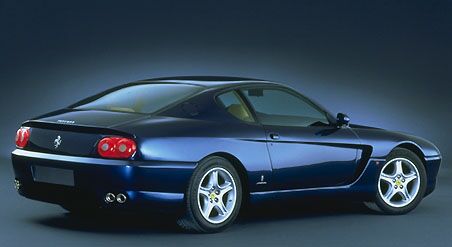
 John walks to his car in the car parking lot at the underground garage of his company and as soon as he gets one foot distant, his car unfolds from its � space compression state to its full size. The door opens and he enters the car. Car says.. "Hello john", "hello dick" john replies� " Voice Authentication successful" comes the reply, "Destination?" comes the next question, "Home" john replies. Door fastens and the car starts moving. The car goes into the one of the many tracks available to reach the coordinates registered for home. Satellite controlled automatic traffic control system takes care of the navigation of the car to his home. Back home the car again folds itself to � of its original space.
Guess what the car runs on? Water!!! What else?
John walks to his car in the car parking lot at the underground garage of his company and as soon as he gets one foot distant, his car unfolds from its � space compression state to its full size. The door opens and he enters the car. Car says.. "Hello john", "hello dick" john replies� " Voice Authentication successful" comes the reply, "Destination?" comes the next question, "Home" john replies. Door fastens and the car starts moving. The car goes into the one of the many tracks available to reach the coordinates registered for home. Satellite controlled automatic traffic control system takes care of the navigation of the car to his home. Back home the car again folds itself to � of its original space.
Guess what the car runs on? Water!!! What else?
This might seem like another part handpicked from some science fiction novel� but you are mistaken this is the future of transportation that is under development in our present day labs.
Going through the technology one by one� the worst nightmare of the city development board today is to provide parking to ever increasing number of cars�. Here comes the foldable cars that could get rid of the human space occupied while driving when they are parked so that we have a car upto � of its size (our suggestion). Mercedes Benz has come out with a small prototype of car that comes to less half the size of the smallest available cars still provides plenty of space to the driver.
The next trouble managing the ever-increasing traffic that has to be afforded by the very same roads that were designed to accommodate a small fraction of the present volume. As the systems of traffic monitoring and control are getting more and more sophisticated with more deployment of electronics and even neural networks we have developed intelligent traffic control systems. The future? (What we would suggest) We would have a chain of low earth satellites just like the ones for iridium monitoring and controlling the location of every car on the road. As soon as the car is turned on it registers its presence with the nearest satellite. Now the car would prompt the driver for the destination. The destination would be in the form of voice, which would correspond to predestined coordinates of the destination, which would mean that when you say the location the car would calculate the coordinates of the location. From now on the satellite network with the aid of control stations on earth would take over the navigation of the car. The satellites would calculate the most efficient route for the car. Decision of route would take into consideration, the shortest distance between the points, the traffic on the various routes, the accessibility permissions of the various cars. This would mean no more traffic jams, unauthorized trespassing or hit and run incidents. All cars would be monitored and their locations known. Perfectly accident free traffic is another major bonus that comes with this.
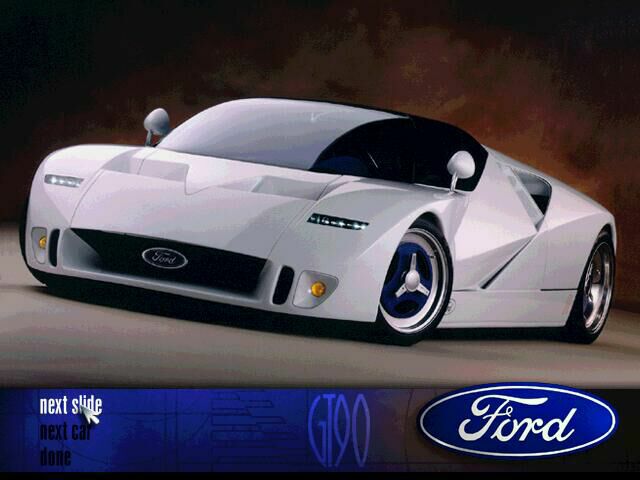
What next? The most talked about subject in automobile industry emissions problems! The cost of increasing number of IC combustion engine cars on the environment has started to be felt painfully. The number of measures and the millions of dollars being invested on research to decrease emissions is well known. Another problem we are going to face in the near future is to find one fine morning that the oil wells have all dried up!!! We definitely need an alternative to fossil fuel and that too a clean alternative with no side effects. No more mistakes!!! What better emission can we have as waste of combustion than water? Water is said to be the promise for tomorrow's fuel requirement. Water would be more used as fuel in tomorrow's world than for any other purpose.
It is well known that water is made of hydrogen and oxygen or in other words hydrogen combines with oxygen to give water and what happens in the meanwhile? Energy is liberated. It is this energy that we are going to harness to drive our cars tomorrow. Fuel cell driven cars are already ready in the labs. In a fuel cell hydrogen and oxygen combines to form water vapor and the energy liberated is converted to electricity. Tanks of hydrogen and oxygen in the cars would work as the fuel containers. We would have clean, silent and safe engine with no interference with nature. The major hurdle we face with fuel cell cars is the efficiency of the fuel cell itself. Another problem is the large hydrogen and oxygen tanks that would have to be used, that is when we have to recommend a way other that compressing and storing hydrogen in cylinders. i.e. to search for materials that would store hydrogen by absorption or adsorption. (Adsorption is the property by virtue of which a substance absorbs a fluid to its surface). To store such large amount of gas in this way would be a major task. What we recommend here is a substance that would absorb gas in one chemical state and liberate it in the other� like an LCD crystal. When current is applied in one direction its molecules align in one direction and it is opaque and when the polarity of current is reversed the molecule align differently and the crystal is opaque. Similarly our material would absorb gas in one volt and liberate gas in the other.
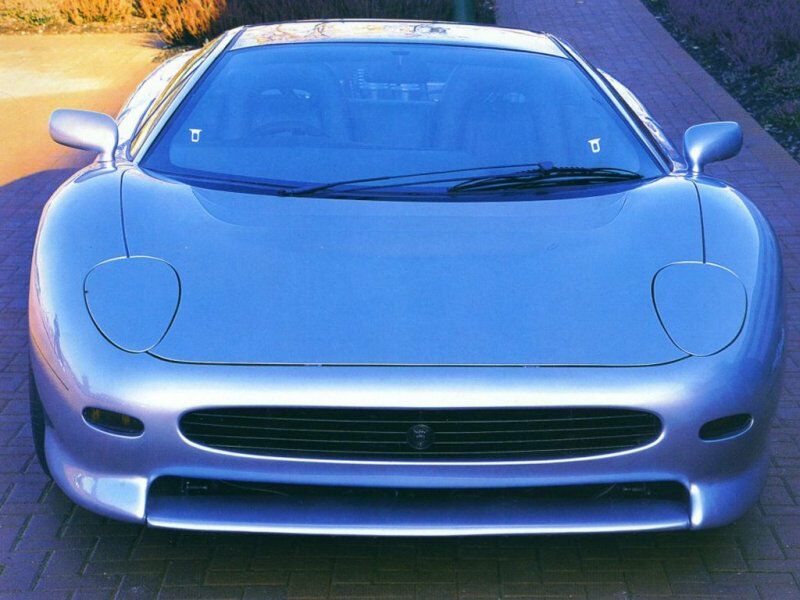
Now the major question!! Where do we get all this hydrogen and oxygen? Obviously the answer is nuclear fuel. We would need electricity from nuclear plants to split water into hydrogen and oxygen. There would be adaptors to cars to connect them to high voltage connections, which could enable conversion of water to its elements in a matter of minutes. So in future we will have power stations instead of gas stations.
So much said about it would very much be a reality that cars would no more needed when people wouldn't have to go to offices to get their work done. Global communication with Internet, wireless, and all other communications systems is the world into a global village. You can see access and control anything from anywhere in the world today. Be it bank transaction and buying and selling shares to getting groceries from market or entertainment you can do it on your mobile handset. The need for physical transportation is loosing its importance by the day that perhaps in the near future we would realize all this effort of preparing for a traffic outburst wasn't really worth it.

