| .....OUR TRIP THROUGH AFRICA |
Africa's amazing culture, geography and vastness is brought into sharp focus here as you travel through the various countries, experiencing the varying day to day habits and lives of the people of this astonishing continent. The difference in game parks from the more structured southern ones to the raw beauty of their northern counterpart?s is evident although you have to experience them to fully appreciate the rarity of both regions. The beaches of Malawi and Zanzibar provide a welcome diversion, though headaches can occur when interacting with and enjoying the local entertainment. Countries Visited South Africa Zimbabwe Zambia Malawi Tanzania Kenya Main Attractions Kruger National Park Blyde River Canyon Great Zimbabwe Ruins The Antelope Park Matabo National Park Victoria Falls Lake Malawi "Spice Island" - Zanzibar Serengeti Ngorongoro Crater Masia Mara ....... See More about the Masia Mara 3 day adventure |
 |
| madworldtrip.com Michelle & Desmonds World Trip |
|
|
 |
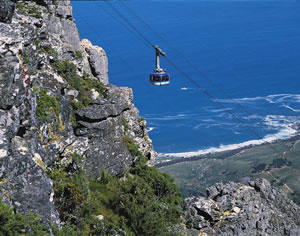 |
| View from Table Mountain - Cape Town |
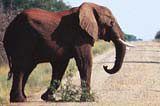
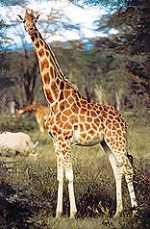
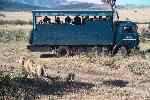
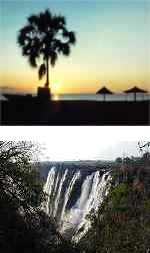
Activities:Bungee Jumping, Canoeing, Cultural Tours, Elephant Riding, Game Drives, Game Viewing, Snorkelling. This trip starts in Johannesburg and travels through north South Africa, Zimbabwe, Zambia, Malawi and Tanzania, finishing in Nairobi, Kenya. On Day 1 we head north into Nelspruit entering the Kruger National Park through the Orpen Gate. The Kruger Park is one the most famous parks in the world, it is also one of the biggest and oldest. We arrive late afternoon on the first day and do a game drive on the way to our first campsite. The whole of the next day is spent game driving through the park, showing you some of the greatest variety of wildlife in Southern African parks. The Kruger National Park stretches almost 350km along the Mozambique border and has an average width of 60km. Heading north we travel to the Blyde River Canyon, known for some of the best landscape in South Africa. There is a chance to view the Canyon from the many viewpoints, which offers fantastic photographic opportunities. Leaving the Blyde River Canyon we head for Messina, the most northern town in South Africa. This very hot and dry area was well known for its copper mining years ago. The copper mines closed down in the early 1990?s and Messina became a ghost town for years. But with the recent discovery of diamonds, Messina is a lively town filled with South African history. Heading further north we cross the border into Zimbabwe making our way to the town of Masvingo. From here we visit the Great Zimbabwe Ruins, which was added to Unesco World Heritage List in 1986. The Zim Ruins are the unique proof of the Bantu civilization between the 11th and 15th centuries and is filled with ancient tales and history Once we have finished exploring this historic area we continue our journey further north heading for Gweru, situated in the Zimbabwe Midlands. Here we stop over at The Antelope Park. People say you have not been to Zimbabwe until you have visited the Victoria Falls AND The Antelope Park. Here we will partake in an incredible experience unique to The Antelope Park - Walking with the lions. This unforgettable one and a half hour walk is definitely one of the main highlights of your safari! In addition to the lions there is an abundance of other wildlife species in the park such as elephants, giraffe, zebra, wildebeest and over 150 bird species. On our way to Bulawayo, the cultural and historical heart of Zimbabwe, we visit the Chipangali Wildlife Orphanage. This is not a zoo but an orphanage offering a home to orphaned, abandoned and sick wild animals. Young and wild animals continually find their way into the homes of nature lovers throughout Zimbabwe. Other animals are orphaned as a result of some mishap such as the death of a mother, injuries or snaring etc. Bulawayo is the second largest city in Zimbabwe with a laid back atmosphere. It is noted for the exceptionally wide streets, which were originally designed to allow space for a full span ox wagon. The city is still characterised by the many old British colonial buildings, maintained by the Bulawayo City Council as heritage sites. There are a number of interesting places to visit in Bulawayo such as The natural History Museum, the National Arts Gallery and the Mzilikazi Arts and Crafts Centre, providing work for over 70 people. Leaving the city we continue slightly south to Matobo National Park. The park is one of the last strongholds of both black and white rhino, and the region is renowned for it?s high concentration of leopards and black eagle. There are numerous caves and rock painting which once again is evidence of the ancient San inhabitants of this area. Cecil Rhodes (after whom Rhodesia was named) is buried here at his own request, but there is some controversy over whether he will stay! We spend time game driving through the park giving you an insight into the unique geological, ecological and historical environment. Heading northwest we make our way to the mighty Victoria Falls, one of the natural wonders of the world. Victoria Falls is one of the memorable sights on your African safari. There are many activities available all year round such as, flights can be taken which gives you a panoramic view of the Falls, Batoka Gorge and the islands above the falls. Back on the ground, the Falls can be seen from the Victoria Falls Park with its many viewing points, or from the Zambian side. All offer fantastic photographic opportunities. White water rafting in the Batoka Gorge is considered to be world class. Besides the excitement of the grade 5 rapids, there are "floats" where there is time to admire the scenic cliffs and occasional wildlife on the riverbanks. Bungee jumping enthusiasts can take the plunge from the Zambezi Bridge, which connects Zambia and Zimbabwe. The leap into the Batoka Gorge is certainly not for the faint-hearted. Other optional activities around Victoria Falls include day trips into the Zambezi National Park, horse riding safaris, a visit to the Crocodile Ranch, Snake Park, golf at Elephant Hills Hotel, parachuting, the Falls Craft Village and the Sunset Cruise. We suggest you allow yourself a few days after your safari if you wish to partake in some of the many activities. We have an office situated in the heart of Victoria Falls town and our friendly staff will be more than willing to help you arrange any activities you wish to do. On leaving the Victoria Falls area, the landlocked country of Zambia is quickly crossed with an overnight stay near Lusaka, the capital. From Lusaka we cross the border into Malawi, where we visit the capital, Lilongwe, a small city distinctly divided into the old town and the new administrative centre. After an overnight stop at a local campsite, we proceed to Salima Bay for a couple of days of relaxation. The newly democratic country of Malawi is a landlocked country with 20% of its total area being the beautiful Lake Malawi. The country's temperate climate allows for swimming in the clear blue fresh-waters all the year round. We travel the full length of western side of lake, stopping off at various bays and inlets. This is the time for rest and relaxation. Lake Malawi offers a variety of water sports from various beachside campsites. Alternatively, you can go wandering along quieter shorelines where you can see the fishermen sorting their daily catch. Traditional methods are still used in their fishing techniques and you can appreciate their boating skills by trying to paddle in a dugout canoe yourself. Travelling from Lilongwe, we spend the next few days driving northwards along the Lake edge passing below the breathtaking Livingstonia escarpment, another reminder of David Livingstone's mark in the history of Southern Africa. From Salima Bay in the south to the northern capital of Mzuzu, we overnight at some of the lakeside campsites that have been established in recent years. Between Nkhata Bay and Nkhotakota there are numerous beach stops where you can unwind and enjoy the tranquillity of this region. Malawi is also renowned for it's skilful craftsmen, whose carvings depict the animals and tribes of this part of Africa. The distinctive mahogany chairs are a specialty of the carvers of Malawi and there are many hours of fun to be had haggling and bartering with the local merchants. We depart Malawi via Karonga and enter Tanzania through the border post of Songwe. We continue our journey through the Tanzanian countryside and bushcamp for the night. The next morning we proceed to Dar es Salaam, passing through Mikumi National Park where it is possible to view a range of wildlife from the roadside, totally impervious to humans and their vehicles. On arrival in Dar es Salaam, we spend the night at a beach hotel/campsite that is situated to the north of the city, and prepare for our departure to Zanzibar the next morning. A ferry from Dar es Salaam takes us to the "Spice Island", where we will spend approximately three nights on this legendary island. Zanzibar is steeped in history and was one of the major starting points for most East African explorers in their quest for new lands. History aside, Zanzibar offers a wealth of experiences for the visitor. Today the quiet streets of the old Stone Town still retain their Arabic influence, from the Medina-like shops to the palaces of the Sultans, who founded their vast empires on the spoils of the slave and ivory trade. The island is still famous for it's spices, and tours around a Spice plantation can be organised. Other options include a trip to the nearby Prison Island with its giant tortoises and beautiful beaches to enjoy. Or perhaps you would enjoy the opportunity to hire a motorbike and explore the more remote areas of the island. Zanzibar is a seafood lover's paradise. Numerous restaurants offer a great variety of the freshest catch from the ocean - giant lobsters being a popular speciality. Alternatively, joining the locals for dinner in the waterfront market is an experience not to be missed. The market stalls offer an unusual selection of fast food African style at a very reasonable cost. Leaving Zanzibar we take the ferry back to mainland for an overnight in Dar es Salaam. There may be an opportunity to visit one of the craft markets offering an extensive range of exquisite ebony products (where prices depend on your bargaining skills) and where the goods are made on-site. It is possible to observe the carvers at work and understand the skill, which has gone into making even the simplest trinket. From Dar es Salaam we travel through the countryside with its vast sisal plantations to Arusha. On the way we pass through Moshi, the base for Mt. Kilimanjaro climbing expeditions, and weather permitting, we may catch a glimpse of this magical mountain. Arusha is a pleasant town situated at the base of Mount Meru and is the starting point for the optional excursions to Ngorongoro Crater and Serengeti. Ngorongoro Crater with its 600 metre walls and 20 kilometre width is a natural wonder, and offers a spectacular view from the rim. The true size of this caldera is only appreciated from the floor itself and the abundance of its animal inhabitants becomes apparent. It is home to nearly every species of African animal and offers a chance to view an incredible concentration of East African mammals, such as elephant, rhino, buffalo, hippo, lion, and plains game. Combine this with a game drive in the Serengeti and you will have a wonderful insight into two of Tanzania's finest game parks. After finishing the excursion, wel return to our campsite near Arusha for another one or two nights stay.. On the final day of the trip we drive from Arusha to the border post at Namanga where we enter Kenya for the last few miles to Nairobi, arriving in the early afternoon. |
 |
 |
 |
| WATCH OUT HERE WE COME |
| COMPANY |
| ITINERARY |
| DAY 1 TO 3 |
| DAY 4 to 5 |
| DAY 6 to 7 |
| DAY 8 to 12 |
| DAY 13 - 20 |
| DAY 21 to 25 |
| DAY 26 to 31 |
 |
 |
 |