TRAVELS IN EUROPE
HERE ARE SOME OF THE MOST FACINATING TRIPS THAT I MADE DURING MY TIME IN AMSTERDAM SO THE IDEA WAS JUST TO TRAVEL AND GET TO KNOW ABOUT ALL THE EUROPEAN CULTURES. THE COUNTRIES I VISITED ARE GREAT, IS DIFFICULT TO CHOOSE YOUR FAVOURITE, SO YOU CAN CHOOSE BETWEEN:
BELGIUM
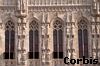
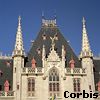
A rich and bubbling vat of beer, chocolate, oil paint and bureaucrats, Belgium has more history, art, food and architecture per square centimetre than many of its bigger, louder neighbours.
A rich and bubbling vat of beer, chocolate, oil paint and bureaucrats, Belgium gives off the heady pong of the bourgeoisie. But stir the pot a little and you'll find an `artificial state' roughly made up of two parts Germanic Flemings to one part Celtic-Latin Walloons. Divided by pride first and language second, the country's binding agents are a pervasive sense of family and an indomitable entrepreneurial spirit. And if Belgium's spotlight on the European stage is a little dim, it's only because its people are rarely boastful. This country has more history, art, food and architecture per square centimetre than many of its bigger, louder neighbours. Environment Squeezed between the Netherlands, Germany, Luxembourg and France, Belgium is one of Europe's tiddlers. The north is flat, the south dominated by the picturesque Ardennes and the 65km North Sea coastline monopolised by resorts, except for a few patches of windswept dunes. Lower Belgium is criss-crossed by a network of canals. Seasons are mild, but the warmest months (July and August) are also the wettest. When to Go You're unlikely to encounter extremes in weather during an average Belgian year. April to September is the warmest time, but be prepared for grey skies and soggy streets no matter what time of year you go. Visitors may be forgiven for assuming umbrellas and raincoats are part of the Belgian national dress. Facts for the Traveller Visas: EU citizens can enter on an official identity card. Travellers from Australia, Canada, New Zealand, Japan, the USA and many other countries just need a valid passport (no visa). Unless you're a citizen of a developing country, you can probably stay up to three months. Health risks: None, except the cost of medical care. Time: GMT/UTC plus one hour (two hours ahead in summer) Electricity: 220V, 50 Hz Weights & measures: Metric Tourism: 13 million visitors annually Money & Costs Currency: Belgian franc, divided into 100 centimes Exchange rate: US$1 = 34.8BF Relative costs: Budget meal: US$7-10 Restaurant meal: US$13-25 Budget bed: US$30-40 Mid-range hotel: US$40-70 (double) Being a pocket-size sort of country, Belgium is cheap to get around in, but budget hotels are both rare and heavily booked - especially in summer. On the food front, eating out is far better for your palate than it is for your wallet. Travelling modestly, you could survive on $25 per day. But if you don't fancy sleeping in public toilets, figure on something more like $45 per day. Banks are the best place to change your money, charging around US$4 commission on travellers' cheques. Out of hours, there are the less generous exchange bureaus. All major credit cards are widely accepted. Tipping isn't obligatory, and haggling is not exactly a national pastime.
SPAIN
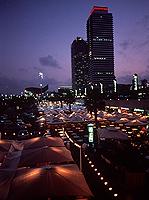
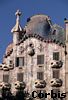
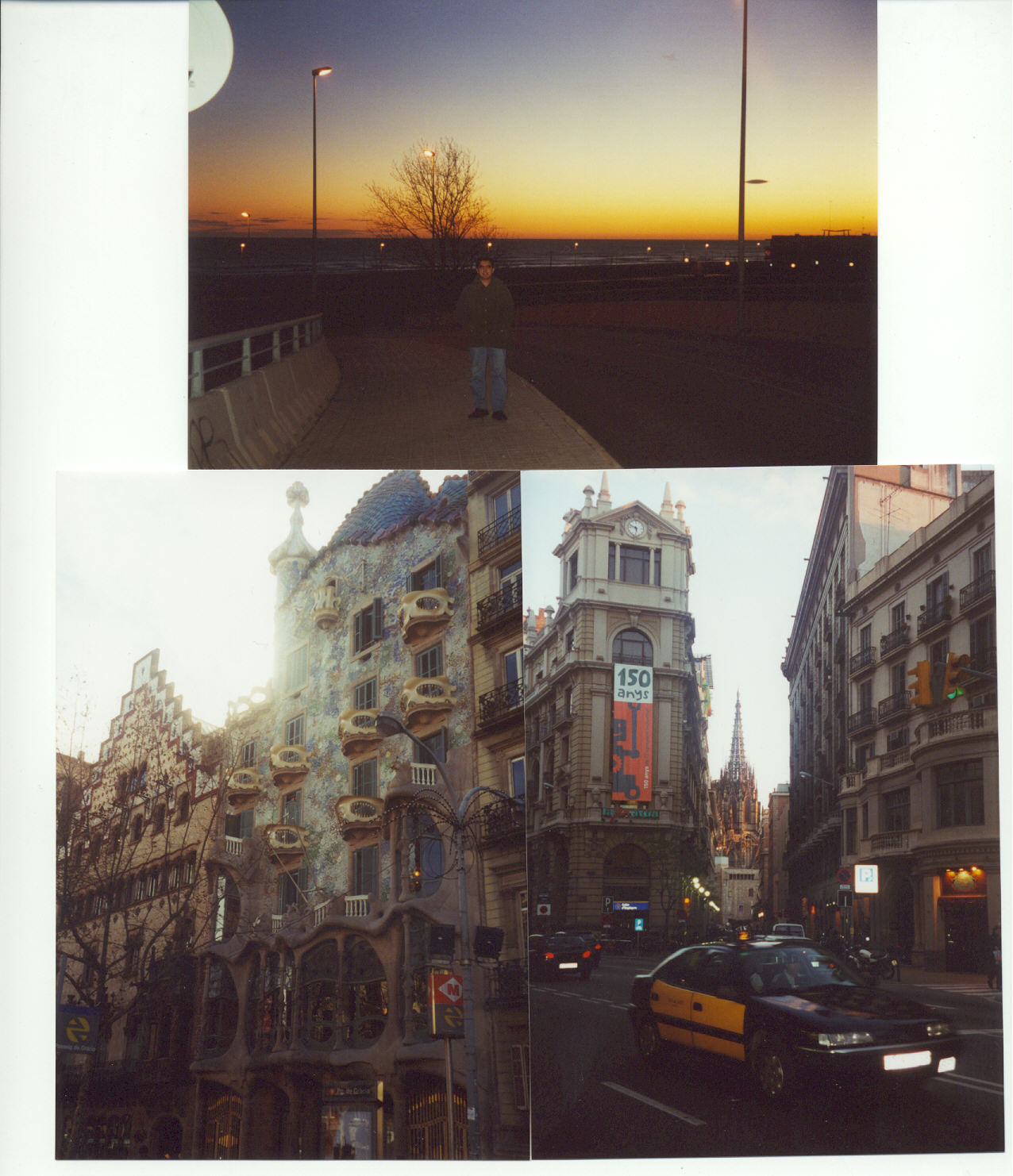
Spain is a treasure-trove of arts and culture brimming with fabulous flamenco, music, history, painting, architecture, literature, cinema, sport, bullfighting and fiestas! The exuberance of the Spaniards and the glorious predictability of the summer weather have been attracting refugees from northern Europe's damp and clammy lands for decades, but Spain is much more than a real estate coastal strip of nouveau riche holiday homes and the delicious montaditos, great food great beer the places I recomend to visit are: Barcelona, Casteldefels,Sitges. Here I was surrounded by culture Gaudi, Picasso,Dali,
It is drenched in the historical pageantry of empire and conquistadors, the artistic legacy of Goya, Velázquez, Picasso and Dalí, and the romance of Don Quijote, Papa Hemingway and the International Brigades. Environment Spain and Portugal share the Iberian Peninsula, a vaguely square-shaped realm at the far south-western edge of Europe. Spain occupies some 80% of this peninsula and is separated from France by the formidable Pyrenees mountains. More than half of the country is made up of vast, elevated tablelands - the mesetas - and five major mountain ranges stretch across the country. Landscapes range from the deserts of Almería to the green wetlands of Galicia; from the sunbaked plains of La Mancha to the rugged mountains of the Picos de Europa; and from the wilds of Extremadura to the highly developed coastline of Andalucía. The Canary Islands archipelago in the Atlantic Ocean, west of Morocco, is an `autonomous community' of Spain. The prevalence of an `if you see it, shoot it' philosophy has destroyed much of Spain's wildlife. The critters that you may still come across are red squirrels, chamois, red deers, ibexes, marmots and a wide range of reptiles. Flora is, fortunately, more prolific, especially in the alpine regions. Most tourists come to Spain's coastal strip during July and August, when the sun is at its strongest. Madrid is unbearable at this time of year, and is almost deserted by Spaniards. In the north, and on the Balearic Islands, summer temperatures of around 30 degrees Celsius are standard. In winter, the rains never seem to stop in the north, except in the backlands of Galicia and the Pyrenees, where they turn into snow. Generally the north is best during summer, Andalucía is best in spring, the centre is best in autumn and the south in winter. When to Go The ideal months to visit are May, June and September (plus April and October in the south). At these times you can rely on good weather, yet avoid the sometimes extreme heat - and the main crush of Spanish and foreign tourists. That said, there's decent weather in some part of Spain virtually year-round. Winter along the southern and south-eastern Mediterranean coasts is mild, while in the height of summer you can retreat to the north-west, or to beaches or high mountains anywhere, if you need to get away from excessive heat. If you want to make sure you hit some parties, the best festivals are concentrated between Semana Santa (the week leading up to Easter Sunday) and October. Facts for the Traveller Visas: Spain, along with Belgium, France, Germany, Luxembourg, the Netherlands and Portugal forms part of the border-free travel zone known as the Schengen Area. This means that travellers who do require a visa for Spain (such as Australians and South Africans) can use any other Schengen visa (eg. France) to enter Spain. US, Canadian, New Zealand and Israeli citizens are amongst those who may enter Spain as tourists without a visa and stay up to 90 days. EU passport holders can come and go as they please. Time: GMT/UTC plus one hour Electricity: 220 volts, 50 Hz AC Weights & measures: Tourism: 45.1 million visitors Money & Costs Currency: peseta Relative costs: Budget meal: US$4-8 Restaurant meal: US$10-15 Budget hotel: US$8-18 Mid-range hotel: US$18-40 Spain is one of Europe's more affordable countries. If you are particularly frugal it's just about possible to scrape by on US$20-25 a day. This would involve staying in the cheapest possible accommodation, avoiding eating in restaurants or going to museums or bars, and not moving around too much. A more comfortable budget would be US$40 a day. Travellers' cheques can be cashed at banks and exchange offices, and usually attract a slightly higher exchange rate than cash. Credit cards are widely accepted at hotels and restaurants, especially from the middle range up, and also for long-distance train tickets. These days, even smaller towns have an ATM (cajero automático) where you can withdraw pesetas from credit and debit accounts. Be careful carrying your money, whether it's jingling or plastic as tourists are a major target of theft - 200,000 British credit cards and cash cards went missing in Spain in just four months (June to September) in 1995. In restaurants the law requires menu prices to include service charge, and tipping is a matter of personal choice - most people leave some small change if they're satisfied and 5% is usually plenty. It's common to leave small change at bar and café tables. Markets and cheap hotels are the only places in Spain where you are likely to bargain.
GERMANY
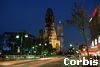
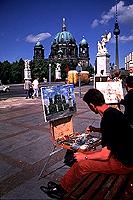
Germany wears its riches well: elegant big-city charm, pagan-inspired harvest festivals, a wealth of art and culture and the perennial pleasures of huge tracts of forest are all there for the enjoying. But Germany's history, both recent and still in the making, weighs heavily. No visitor will remain untouched by this country's complex past and the way it impacts on the nation today. Environment The flatlands in the north of Germany stretch from the Netherlands to Poland, skimming southern Denmark where she bridges the North and Baltic seas. The industrialised central belt cinches Belgium and Luxembourg to the Czech Republic's western prong. The Rhine and Main rivers, long crucial for inland shipping, power through the troughs and gorges which cut through the Central Uplands. To the south, the Danube River drains the Bavarian highlands from the Black Forest, near the French and Swiss borders, to Munich. The southern reaches of the Bavarian Alps give way to Austria. A land as heavily populated and industrialised as Germany is not an obvious paradise for the naturalist. Over a third of the land is intensely cultivated and you'll never travel far without hitting a town. There isn't much in the way of wildlife (don't tell the birdwatchers) and most of the forests are like everything else in Germany: organised! That said, the Bavarian Forest in the south-east is the largest mountain forest in Europe and the Black Forest is big enough to be a bit wild. Forest fauna includes wild pig, fox and deer, but you're never likely to be caught in a stampede. Germany is not prey to dramatic climatic extremes, although there are regional differences. The most reliably good weather is from May to October, with high summer a good bet for shorts and t-shirt, even in the north. Autumn is a good time to visit Germany. As the tourist scrum disperses and the forests turn golden, it's not too stifling to be active but still thirsty enough to end the day with a few well-deserved steins. Winter is wet, especially in the south, with snow not usually settling for long except in the high country. When to Go The German climate is variable so it's best to be prepared for all types of weather throughout the year. That said, the most reliable weather is from May to October. This coincides, naturally enough, with the standard tourist season (except for skiiing). The shoulder periods can bring fewer tourists and surprisingly pleasant weather. There is no special rainy season. Facts for the Traveller Visas: EU citizens can enter on an official identity card. Americans, Australians, Canadians, New Zealanders and Japanese just need a valid passport (no visa). Unless you're a citizen of a developing country, you can probably stay up to three months. Health risks: The cost of medical care Time: GMT/UTC plus one hour (two hours ahead in summer) Electricity: 220V, 50 Hz Weights & measures: Metric Tourism: 17 million visitors annually Money & Costs Currency: Deutschmark (DM) Relative costs: Budget meal: US$5-10 Restaurant meal: US$15-20 Budget bed: US$20-30 Mid-range hotel: US$50-80 (double) With the monetary restructuring caused by reunification now easing, inflation has fallen and the Deutschmark is relatively stable against most other European currencies. Prices have almost reached western levels in the cities of eastern Germany, but food and accommodation are generally quite affordable by Western European standards. Cheap travel in Germany is difficult because long distance public transport is expensive and budget accommodation is lacking, especially in the east. If you've got some sort of rail pass and restrict yourself to cheap takeaways and self-catering, it's possible to get by on less than US$40 a day. Those with more capacious wallets, wishing to eat at restaurants most days, to travel freely by public transport and to stay in hotels with fluffy doonas can count on spending at least US$80 a day. Tipping is not widespread in Germany. Service is included in most restaurants, but it's normal to round the bill up. Taxi drivers expect a slight tip - 10% is considered generous. Bargaining rarely occurs in Germany, but when paying in cash for large purchases you could try asking for a Skonto which is a 3% discount.
GREECE
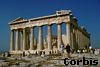
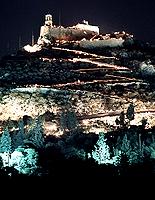
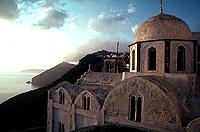
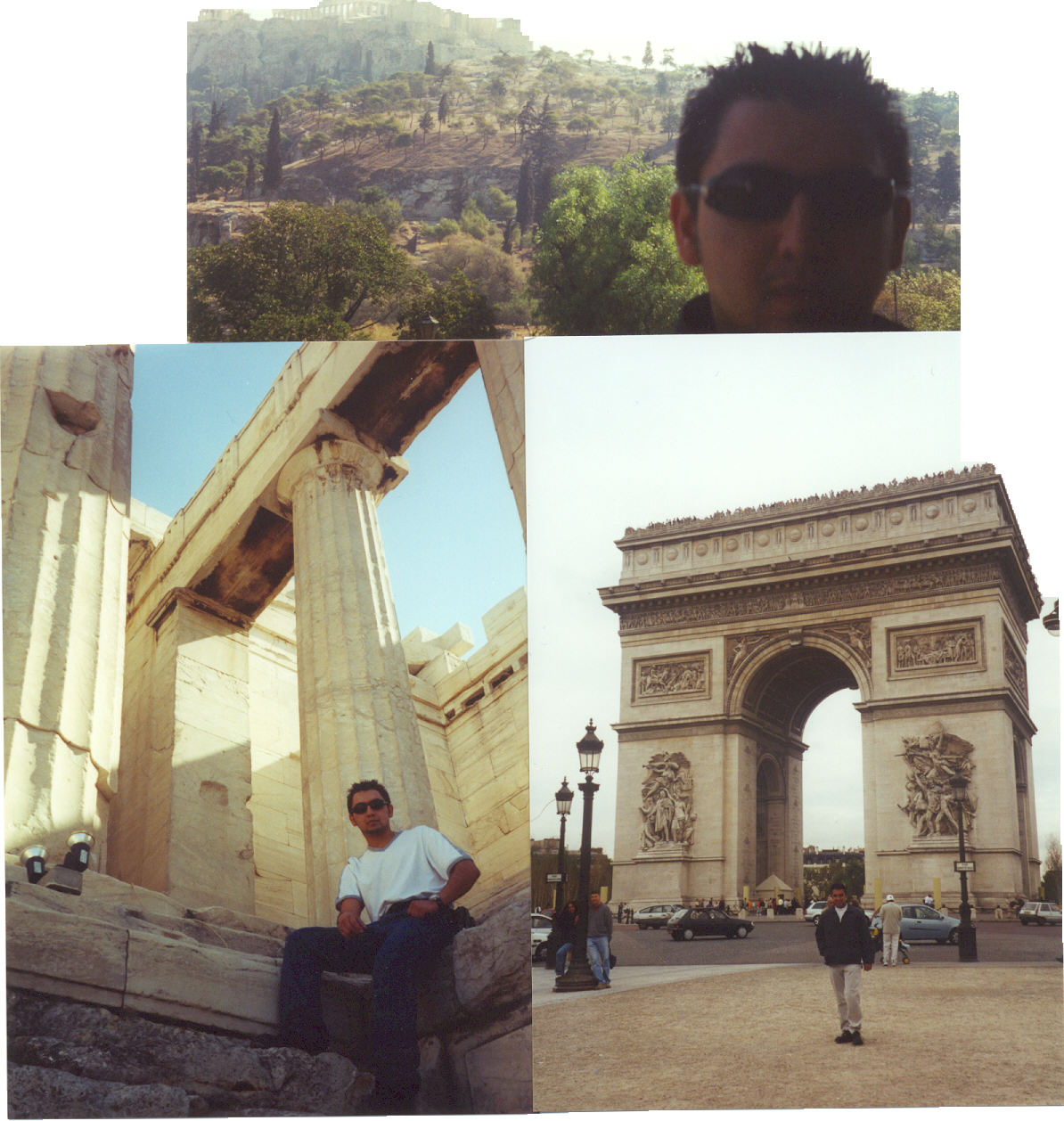
Having exported chaos, drama, tragedy and democracy before most nations stayed up late enough to want souvlaki, Greece's legacy is unrivalled. From smoggy Athens to blindingly bright islands, Greece poses off its columns, ancient fragments, and untanned gods while living out every sunny moment in a chunky salad of feistiness, irrepressibility and church bells. It's not all fishermen, Zeus, goats and bazoukis, but it's ravishing and raucous and sun-ripened to the squishing point for modern myth-makers and hedonistic holiday-makers alike. Environment Greece lies at the southern extremity of the Balkan peninsula in south-eastern Europe. To the north, it has borders with Albania, the Former Yugoslav Republic of Macedonia and Bulgaria, and to the east it borders Turkey. The peninsula, which constitutes mainland Greece, is surrounded by about 1400 islands, of which 169 are inhabited. The islands are divided into six groups: the Cyclades, the Dodecanese, the islands of the North-Eastern Aegean, the Sporades and the Saronic Gulf islands. The two largest islands, Crete and Evia, do not belong to any group. Roughly four-fifths of Greece is mountainous, with most land lying over 1500m above sea level. Epiros and Macedonia, in northern Greece, still have extensive forests, but the rest of the country has been seriously denuded by goat grazing, felling and forest fires. The arid Mani region in the Peloponnese is blessed with the country's best array of wildflowers, including crocuses, anemones, irises, poppies, lilies, rock roses and cyclamens. The fields are not only carpeted with flowers; follow your nose and you'll find yourself standing knee-deep in wild oregano, basil and thyme. Greeks are overly fond of hunting and fishing, resulting in the serious depletion of marine and bird life in some places. Wolves and bears are considered pests rather than endangered species by the human population that shares their mountain habitats. Watching dolphins and porpoises as they follow the boats is one of the pleasures of island hopping, and the waters around Zakynthos and Kefallonia are home to the last large colony of sea turtles in Europe. The baby turtles, which are hatched on sandy beaches, now not only have to face natural hazards as they make their way out to sea, but also cars, discos and beach parties. Greece has mild wet winters and hot dry summers. Winter temperatures can be severe in the mountains, and even Athens can get viciously cold. Maximum temperatures on the islands hover around 30 degrees Celsius in summer, but the heat is often tempered by the northerly wind known as the meltemi. When to Go Spring and autumn are the best times to visit Greece. Winter is pretty much a dead loss outside the major cities as most of the tourist infrastructure goes into hibernation from the end of November to the beginning of April. However, there are initiatives to extend services, so this may slowly change. Conditions are perfect between Easter and mid-June, when the weather is pleasantly warm in most places, but not too hot; beaches and ancient sites are relatively uncrowded; public transport operates on close to full schedules; and accommodation is cheaper and easier to find than in the mid-June to end of August high season. Conditions are once more ideal from the end of August until the end of November as the season winds down. Facts for the Traveller Visas: Nationals of Australia, Canada, EU countries, Israel, NZ and the USA are allowed to stay in Greece for up to three months without a visa. South Africans are amongst those who do require a visa. Health risks: Sunburn. Codeine, which is commonly found in headache preparations, is banned in Greece and you may face prosecution if you bring it into the country. Time: two hours ahead of GMT/UTC; three hours ahead during daylight-saving time Electricity: 220V, 50 Hz Weights & measures: metric Tourism: 9.4 million visitors annually Money & Costs Currency: Drachma (dr) Relative costs: Budget meal: US$4-8 Restaurant meal: US$10-20 Budget room: US$25-35 (double) Mid-range hotel: US$50-80 (double) Greece is no longer dirt cheap. A rock-bottom daily budget would be US$15 a day which would mean hitching, staying in youth hostels or camping, staying away from bars, and only occasionally eating in restaurants or taking ferries. Allow at least US$30 per day if you want your own room and plan to eat out regularly as well as travelling about and seeing the sights. You will still need to do a fair bit of self-catering. If you really want a holiday - comfortable rooms and restaurants all the way - you will need closer to US$45 per day. Banks will exchange all major currencies in either cash or travellers' cheques; the commission is lower for cash. All post offices have exchange facilities and they're often quicker and charge less commission than banks. Credit cards are only accepted in larger, more expensive establishments. Visa, MasterCard (Access) and Eurocard are the most widely accepted. Most banks have ATMs where you can access your debit account through Maestro and Cirrus networks, and there are also a number of 24-hour banknote exchange machines. In restaurants the service charge is included in the bill but it is the custom to leave a small amount; rounding up the bill is usually sufficient. Likewise for taxis - a small gratuity is appreciated. Bargaining is not as widespread in Greece as it is further east. Prices in most shops are clearly marked and non-negotiable but your haggling skills can be useful at markets. It's always worth bargaining over the price of hotel rooms, especially if you are intending to stay a few days.
SWITZERLAND
Switzerland conjures up a fair swag of clichés: irresistible chocolates, kitsch clocks, yodelling Heidis, humourless bankers, international bureaucracies and an orderly, anally-retentive and rather bland national persona. But Harry Lime was wrong on more than one account when, in the Orson Welles' film The Third Man, he said that 500 years of Swiss democracy and peace had produced nothing more than the cuckoo clock. For a start, the Germans invented this monstrous timepiece; secondly, the Swiss, who are a brainy lot, have won more Nobel Prizes and registered more patents per capita than any other nation on earth. Muesli, DDT and life insurance may not be the stuff of legend, but where would the rest of us swashbucklers be without a bit of Swiss nous behind us? Switzerland may be neutral but it is certainly not flavourless. The fusion of German, French and Italian ingredients has formed a robust national culture, and the country's Alpine landscapes have enough zing to reinvigorate the most jaded traveller. Goethe summed up Switzerland succinctly as a combination of `the colossal and the well-ordered'. The untamed majesty of the Alps and the tidy, just-so precision of Swiss towns prevent Switzerland from ever being as one-dimensional as some pundits like to try and make it. Environment Switzerland sits squarely in the stomach of western Europe, landlocked by France, Germany, Liechtenstein, Austria and Italy. The Alps occupy the central and southern regions of the country and the modest Jura Mountains straddle the border with France in the north-east. The Bernese Mittelland - an area of hills, rivers and winding valleys - lies between the two mountain systems and has spawned Switzerland's most populous cities. Over 60% of the country is mountainous and a quarter of it is covered in forests. Farming of cultivated land is intensive and cows graze in Alpine meadows as soon as the retreating snow line permits. The Dufour summit (4634m) of Monte Rosa is the highest peak, though the Matterhorn (4478m) is more well known. Climatic variations mean that vegetation ranges from palm trees in Ticino to Nordic flora in the Alps. There are plenty of conifer forests in the mountains, but as altitude increases these are replaced by bushes, scrub and pretty Alpine meadows. The most famous and distinctive Alpine animals are the ibex (a mountain goat with huge curved horns) and the chamois (a horned antelope good at cleaning cars). Despite strong environmental legislation, birdlife is on the retreat in Switzerland with 81 species currently threatened with extinction. The mountains are mainly responsible for the variety of local and regional microclimates. Ticino in the south has a hot, Mediterranean climate, but most of the rest of the country has a central European climate, with temperatures typically between 20 and 25 degrees Celsius in summer (June to September) and between two and six degrees Celsius in winter (November to March). Travellers need to be prepared for a range of temperatures dependent on altitude. There is perennial snow cover at altitudes above 3000m. Summer is the most pleasant time for outdoor pursuits but everybody knows this so you'll get much better deals and less harassment in the shoulder seasons of spring and autumn. If you're keen on winter sports, resorts in the Alps begin operating in late-November and close down when the snow begins to melt around April. When to Go You can visit Switzerland any time throughout the year. Summer lasts roughly from June to September, and offers the most pleasant climate for outdoor pursuits. Unfortunately, you won't be the only tourist during this period so prices can be high, accommodation hard to find and the mainstream sights crowded. You'll find much better deals and less crowds in the shoulder seasons of April-May or late-September-October. If you're keen on winter sports, resorts in the Alps begin operating in late-November, move into full swing around Christmas, and close down when the snow begins to melt in April. Facts for the Traveller Visas: Citizens of Australia, Canada, Ireland, New Zealand, South Africa, the UK and the USA do not require visas for visits of up to three months Health risks: Altitude sickness, hypothermia & sunburn Time: GMT/UTC plus one hour Electricity: 220 volts, 50Hz Weights & measures: Metric Tourism: 20 million visitors annually Money & Costs Currency: Swiss francs Relative costs: cheap meal: US$5 restaurant meal: US$15 cheap room: US$12 hotel room: US$40 Costs are higher in Switzerland than anywhere else in Europe. If you're on a tight budget, stay in hostels, self-cater you could get by on around US$35 a day after buying a rail pass. If you stay in pensions, enjoy eating out and want to sample the nightlife count on spending at least twice as much. All major travellers' cheques and credit cards are accepted. Commission is not charged for changing cash or cheques, but shop around for the best rates (hotels usually have the worst rates). Tipping is rarely necessary as hotels, restaurants and bars are required by law to include a 15% service charge. Even taxis normally have a service charge included.
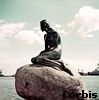
DENMARK
With little to get angry about in Scandinavia's cosiest and most PC community, post-Viking Danes have had to file down their horns and make their mark in more civilised fashion. The Danes have responded by inventing Lego, being the European Union's cagiest member, producing some talented upstart soccer players, and cheering on a yellow-guernseyed Bjarne Riis in the 1996 Tour de France. Brand recognition persists due to the Danes baking pastries so delicious that the addiction of the entire gap-toothed world is assured. Denmark's capital, the toe-tapping toy-town of Copenhagen, is an urban mosh pit of the most fragrant persuasion. Its flannels are always laundered, its grunge never more lank than just the other side of swank, and its Jensens, Hansens and Neilsens are a cacophany of excuse-me's as they elbow their way to the bouncer-line. And given all the fun that there is to be had in this festival-happy scattering of islands, Denmark's status as the least bank-breaking country in Scandinavia deserves glad-handed shake me happy thankyou letters from travellers all the way from the bottom of the beer glass. Environment Denmark is a small country, most of it occupying the Jutland peninsula. The southern border of Jutland adjoins Germany, Denmark's only land connection to the European mainland. Denmark is bordered on the west by the North Sea and on the east by the Baltic Sea. To the north, separating Denmark from Norway and Sweden, are the Skagerrak and Kattegat straits. In addition there are nearly 500 islands, only 100 of which are inhabited. Copenhagen is on Zealand, the largest island, sitting east of the main land mass. Most of Denmark is a lowland of fertile farms, rolling hills, beech woods and heather-covered moors. The country hasn't a single mountain; the highest elevation, at Yding Skovhøj in Jutland's Lake District, is a mere 173m. Enduring centuries of deforestation and overgrazing, the Danish environment has been heavily exploited. In all, about 20% of farmland is at or near sea level, with much of it on environmentally sensitive wetlands made arable by draining the water with pumps. The landscape has been so altered that hardly any of Denmark's naturally winding streams remain intact, the rest having been artificially straightened. About 12% of Denmark has tree cover but primary forest is rare. The woodlands are largely deciduous with a prevalence of beech and oak trees. Also found are elm, hazel, maple, pine, birch, aspen, lime (linden) and chestnut. The largest wild species found in Denmark is the red deer, which can weigh over 200 kilos. Denmark also has roe deer, fallow deer, wild hare, foxes, squirrels, hedgehogs and badgers. There are nearly 400 bird species in Denmark, of which magpies, urban pigeons, coots, geese and ducks are the most common. Denmark's largest contiguous area of woodland is Rold Skov, a 77-square-kilometre public forest that contains Denmark's only national park, Rebild Bakker. Considering its northerly location the climate is relatively mild, moderated by the effects of the warm Gulf Stream which sweeps northward along the west coast. Nonetheless it's safest to expect rain and grey skies in Denmark, thus guaranteeing a pleasant surprise when the sunshine does break through. The most pleasant months in which to visit are from May to August, when temperatures can hover around 25 degrees and daylight lasts almost 18 hours. In the coldest winter months of January and February, the average daily temperature lingers around freezing point - and while that may be cold, it's nearly 10 degrees Celsius above average for this latitude. When to Go Considering its northern latitude, Denmark has a fairly mild climate all year round. Still, the winter months - cold and with short daylight hours - are certainly the least hospitable. Correspondingly, many tourist destinations come alive in late April, when the weather beings to warm up and the daylight hours start to increase and by October they again become sleepers. May and June can be delightful months to visit: the earth is a rich green accented with fields of flowers, the weather is comfortable and you'll beat the rush of tourists. While autumn can be pleasant, it's not nearly as scenic because the rural landscape has largely turned to brown and the air quality suffers as many farmers burn crop waste in the fields. High tourist season is July and August. There are open-air concerts, lots of street activity and basking on the beach. Other bonuses for travellers during midsummer are longer hours at museums and other sightseeing attractions. The last half of August can be a particularly attractive time to travel, as it still has summer weather but far fewer crowds. Facts for the Traveller Visas: Most western nationals, including Americans, citizens of EU countries, Australians, Canadians, New Zealanders, Malaysians, Singaporeans and most South Americans do not need a visa.. Health risks: No health risks. Time: GMT/UTC plus one hour Electricity: 220 volts, 50Hz Weights & measures: Metric Money & Costs Currency: Krone Relative costs: cheap meal: US$6-8 restaurant meal: US$15-40 cheap room: US$10-12 hotel room: US$60-75 By anything other than Scandinavian standards, Denmark is certainly an expensive country. Part of the credit lies with the 25% tax which is included in every price from hotel rooms to shop purchases. Still your costs will depend on how you travel and it's possible to see Denmark without spending a fortune. If you take advantage of Denmark's extensive network of camping grounds or stay in hostels and prepare your own meals, you might get by on US$30 a day. If you stay in modest hotels and eat at inexpensive restaurants, you can expect to spend about US$65-75 a day. Car rental is expensive in Denmark; if you want wheels, it might be worth hiring a car in Germany for about one third of the price, and taking it across the border. All common travellers' cheques are accepted at major banks in Denmark, but bank fees for changing money are hefty so it's best to change a fair swag at a time. Post offices will change foreign cash and they are open on Saturday mornings which can be handy. Most major banks have ATMs which give cash advances on credit cards. There are also 24-hour cash exchange machines in Copenhagen. Restaurant bills and taxi fares include service charges in the quoted prices. Further tipping is unnecessary, although rounding up the bill is not uncommon when the service has been good. Bargaining is not a common practice in Denmark.
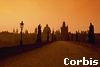
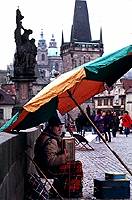
CZECH REPUBLIC
Visitors have been pouring in and revelling in the accessibility of this top tourist destination since things changed with a thump in 1989. Veteran travellers, meanwhile, are often heard lamenting about not having Prague to themselves anymore. But the Czech Republic is still all things to all people. While Prague shakes with excitement, almost everything outside this crazy city is still off the beaten tourist track and unspoiled. Who could complain? Environment Adjoining Austria, Germany, Poland and the Slovak Republic, the Czech Republic consists of Bohemia in the west and Moravia in the east. Within Moravia is a small southern part of the historical region called Silesia, the rest of which is in present-day Poland. Prague, the capital of both the Czech Republic and Bohemia, sits astride the Vltava River about 30km above its junction with the Labe River. The Czech Republic has a beautiful and diverse landscape with plenty of mountains, gentle highlands, lowlands, caves, canyons, broad fields, bogs, lakes, ponds and dams. Unfortunately, the further north you go, the worse the appalling air pollution and high-altitude acid-rain damage gets, the belated pay-back for unregulated industrialisation since the 19th century. Despite centuries of clear-cutting for cultivation, forests still cover about one-third of the Czech Republic. Most remaining virgin forest is in uncultivatable mountain areas. Above the tree line (about 1400m) there is little but grasses, shrubs and lichens. The richest wildlife are bears, wolves, lynxes and other wildcats, marmots, otters, marten and mink. Pheasants, partridges, ducks, wild geese and other game birds are common in woods and marshes, and commonly hunted. Eagles, vultures, osprey, storks, bustards and grouse are rarer. The damp continental climate over most of the Czech Republic is responsible for warm, showery summers; cold, snowy winters; and generally changeable conditions. July is the hottest month everywhere, January the coldest. From December through February, temperatures push below freezing even in the lowlands, and are bitter in the mountains. There is no real 'dry season', and the long, sunny hot spells of summer tend to be broken by sudden, heavy thunderstorms. Winter brings 40 to 100 days of snow on the ground (about 130 in the mountains), plus fog in the lowlands. Facts for the Traveller Visas: Nationals of all Western European countries can visit the Czech Republic for up to 90 days, and UK and Irish Republic citizens for up to 180 days, without a visa. US and Canadian passport holders can stay for 30 days without a visa. Nationals of Australia, New Zealand, South Africa and many other countries must obtain a visa, which is good for a stay of between 90 and 30 days depending on your nationality. Health risks: encephalitis, Lyme disease Time: GMT/UTC plus one hour Electricity: 220V, 50 Hz AC Weights & measures: Metric Tourism: 17 million visitors Money & Costs Currency: Czech crown (Kc) Relative costs: Budget meal: US$2-5 Restaurant meal: US$4-10 Budget bed: US$10-15 Mid-range hotel: US$20-40 (double) Costs in the biggest tourist centres - Prague especially, but also the Bohemian spas, are higher than elsewhere, though things are still fairly cheap for Western visitors. The big exception is accommodation in Prague, for which tourist prices are in line with those across Western Europe. By staying at cheap hostels and campsites, sticking to self-caterring, pub grub and stand-up cafeterias, you might get away with US$15 per person per day in summer. In a private home or better hostel, with meals at cheap restaurants and using public transport, you can get by on US$20-25. To share a clean double room with bath in a mid-range hotel or pension, and enjoy good local or Western meals, plan on at least US$30-40. In Prague, figure a third to half again as much, and even more if you want to be close to the centre. On the other hand, except for Easter and Christmas-New Year, many bottom and mid-range hotels drop their prices by a third or more outside the summer season. Travellers' cheques are easily encashed throughout the Czech Republic. Eurocheques are cashed free of charge at Komercní banks, and there are American Express and Thomas Cook offices in Prague which will change their cheques at bank rates free of charge. Upper end hotels and restaurants in major tourist centres accept some credit cards, usually American Express, Visa or MasterCard (Access) and sometimes Eurocard, Diners Club or JCB. Most travel agencies and some tourist shops in Prague accept credit cards, but most shops prefer crowns. American dollars and German marks are also commonly accepted. Don't bother exchanging money on the black market: the usual rate is barely above the bank rate and there are plenty of scammers ripping off tourists with discontinued old crown notes or worthless Polish zlotys. A tip of 5-10% is appreciated in any tourist restaurant with table service. The usual protocol is for them to tell you the total food bill and for you, as you hand over the money, to say how much you are paying with the tip included.
UNITED KINGDOM
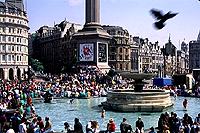
The 20th century hasn't been too kind to the United Kingdom. The last 100 years have witnessed the fall of its empire, the loss of its trading base, and the nation's stubborn refusal to adjust to its new (diminshed) role in the modern world. Yet many of the British symbols and institutions which played such an important role in shaping that world remain robust, cherished and intact. The august institutions at the cornerstone of British life have muddled their way into the late 20th century, keeping a stiff upper lip and a strong sense of protocol. Dinosaurs some of them may be, but the chord they strike in visitors can make Britain seem strangely familiar. Don't let this blunt your perceptions, for Britain is a strange land that can shock the unprepared with its foreignness. Despite its historic role on the world stage, it remains a secretive and indecipherable country, which adds to its allure and charm. Environment Shaped like a witch riding a pig, according to Paul Theroux, the island of Britain lies off the north-western coast of the European mainland. It comprises the geographical entities of England, Scotland and Wales, and is separated from France by the narrow English Channel and from Scandinavia by the North Sea. England occupies the southern two-thirds of the island and is bounded by Wales to the west and Scotland to the north. The island measures just under 560 miles north to south and around 250 miles east to west at its widest point. Much of England is flat or low lying, but there are several significant ranges of hills, including the Pennines, which form a backbone ridge running 248 miles from the Scottish border to the Midlands. The Cumbrian Mountains and the Lake District in the north-west of England form the country's most dramatic landscapes, but the misty lowlands of eastern England, which fuse almost imperceptibly with the North Sea, and the granite outcrops and rugged coastline of south-western England also captivate visitors. Wales has several modest mountain ranges, including the Brecon Beacons in the south and Snowdonia in the north. Large areas of Wales are either moorland or deeply cut narrow valleys. Scotland boasts the wildest and grandest terrain, with the northern two-thirds of the country comprising highlands and moorland, and the southern third fertile coastal plains and low hills. Britain is a small, densely populated island with a long history of human habitation so it's no surprise that nature has come off second best to human needs. The destruction of hedgerows and incursions made by pesticides, conifer plantations and massive road building have all done their bit to reduce biodiversity. The traditional vision of England as a land of folksy deciduous woodland should be dispelled immediately. Tree cover has fallen to a mere 7%, the lowest figure of any European country except Ireland. There is, however, a network of national parks and some 116 protected animal species. The most spectacular animal in Britain is probably the red deer, found in Exmoor, Dartmoor, the Lake District and large swathes of Scotland. The latter provides one of the few refuges for wild plants and animals because almost three-quarters of its area is uncultivated moorland and bog. Climatologists classify Britain's climate as temperate maritime, which basically means mild and damp. It's generally warmer the further south and west you go, but visitors should expect cloud and rain just about anywhere and at any time of the year. Summer lasts from June to September, with temperatures hovering around 20 degrees Celsius; in winter, minimum temperatures frequently drop below freezing point. Discussing the weather is a national pastime, and the climate was the main reason why 50% of Brits recently surveyed said they would emigrate if they could. When to Go Anyone who spends any extended period of time in Britain will sympathise with the locals' obsession with the weather, although in relative terms the climate is mild and the rainfall is not spectacular. The least hospitable months for visitors are November through February - it's cold and the days are short. March and October are marginal - there's more daylight but it can still be very cold. April to September are undoubtedly the best months, and this is, unsurprisingly, when most sights are open, and when most people visit. July and August are the busiest months, and best avoided if at all possible.The crowds on the coast, at the national parks, in London and popular towns like Oxford, Bath and York have to be seen to be believed. Facts for the Traveller Visas: EU citizens may live and work free of any immigration controls. Citizens of the USA, Canada, Australia and New Zealand are generally allowed to stay six months without a visa. Health risks: No major risks Time: GMT/UTC Electricity: 240V, 50 Hz Weights & Measures: Imperial Tourism: 19 million Money & Costs Currency: Pound sterling Relative costs: Budget meal: US$5-10 Restaurant meal: US$15-25 Budget hotel: US$20-40 Mid-range hotel: US$40-80 Britain is extremely expensive and London is horrific. While in London you will need to budget about US$35 for bare survival (dorm accommodation, a travel card and the most basic sustenance). Even moderate sightseeing or nightlife can easily add another US$25 to this. If you stay in a hotel and eat restaurant meals you could easily spend US$90 a day without being extravagant. Once you get out of the big smoke the costs will drop, particularly if you have a transport pass and if you cook your own meals. You'll still need at least US$30 a day, and if you stay in B&Bs, eat one sit-down meal a day and don't stint on entry fees, you'll need about US$65 a day. Travellers' cheques are widely accepted in British banks and you might as well buy them in pounds sterling to avoid changing currencies twice. Change bureaus in London frequently levy outrageous commissions and fees, so make sure you establish any deductions in advance. The bureaus at the international airports are exceptions to the rule, charging less than most banks and cashing sterling travellers' cheques for free. Cashpoints (ATMs) are very common in Britain: most are linked to major credit cards as well as the Cirrus, Maestro and Plus cash networks, but if a machine swallows your card it can be a nightmare. Most banks insist on chopping it in half and sending it back to your home branch - very helpful. If you eat in a British restaurant you should leave a tip of at least 10% unless the service was unsatisfactory. Waiting staff are often paid derisory wages on the assumption that the money will be supplemented by tips. Some restaurants include a service charge on the bill, in which case a gratuity is unnecessary. Taxi drivers expect to be tipped about 10%, especially in London.
FRANCE
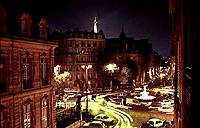
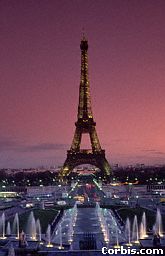
To listen to some poor folk, the French are so suffused with national pride that travellers should expect either to be completely ignored, run over by reckless Renaults or to see an awful lot of Gallic nasal hair. The same frog-o-phobes try to convince you that the French take credit for the size of their Alps and think that the waves break on their beaches with French accents. Regardless of the prevalence of the myth of French arrogance, Gallic noses are justifiably held in the air when surveying châteaux of pre-Revolution munificence, the Napoleonic grandeur and latter day pizazz of Paris and other urban centres, and the museum acreage devoted to the display of the French and the fabulous. The encroachment of Le Big Mac and Duck à la Donald has induced palpable groans from cultural xenophobes, yet the French lifestyle is still supreme. From chic coastal strips to cobbled country coves, from breakfast croissant to dinner's just desserts, France does it with style and aplomb (and the odd nuclear bomb). Environment France is roughly hexagonal and is the largest country in Europe after Russia and the Ukraine. The English Channel is to the north-west and the Atlantic Ocean to the west. Spain broils across the Pyrenees to the south, the Mediterranean (including Corsica) is to the south-east, and over the eastern Alps and Jura ranges lie Switzerland and Italy. France's relatively flat north-eastern borders abut Germany, Luxembourg and Belgium. Since 1790, France has been divided into administrative units of about 6100 sq km called départements. There are 96 départements in France and a further five overseas, expanses of ocean being no impediment to Frankish administrative zeal. The départements d'outre-mer (overseas départements) are the Caribbean islands of Guadeloupe and Martinique; the Pacific island groups of New Caledonia, and Tahiti and French Polynesia; French Guiana; Réunion, which is in the Indian Ocean east of Madagascar; and Saint Pierre et Miquelon, which is in the Atlantic Ocean just off the south coast of Newfoundland. The French Alps include Mont Blanc which, at 4807m, is Europe's highest peak. The most spectacular of France's ancient ranges is the Massif Central, a huge region in the middle of France that covers one-sixth of the country. The country's longest river, the Loire, runs 1020km from the Massif Central to the Atlantic. The Seine, Rhône, Garonne and Rhine are France's other major waterways, draining the plains and funnelling huge mountain run-offs. Over 3200km of coastline ranges from the chalk cliffs of Normandy and the promontories of Brittany to the fine-sand beaches along the Atlantic. The south-eastern Mediterranean coast tends to have pebbly, sometimes rocky beaches, though the Languedoc and some of the Roussillon beaches have sand-castle potential. France's mix of climates and terrains endowed it with a rich variety of flora and fauna. Unfortunately, due to agricultural overkill, pollution and encroaching urbanisation, many fragile species such as the Pyrenees ibex, Corsican deer, brown bear, wolf, and otter now face extinction. Some animals and birds - the chamois (a mountain antelope), the larger bouquetin (a type of ibex), beaver, stork and vulture - still live in the wild thanks to re-introduction programmes based in national parks. Forests - mostly beech, oak and pine - cover roughly one-fifth of the country. These wooded areas, as well as vast wetlands, support the bulk of the country's mammals and birds. France has a predominantly temperate climate, with mild winters, except in mountain areas and the north-east. The Atlantic has a profound impact on the north-west, where the weather is characterised by high humidity, often violent westerly winds and lots of rain. France's north-east has a classic continental climate, with fairly hot summers and cold winters. Midway between the two, the Paris basin boasts the nation's lowest annual precipitation (about 575 mm) but rainfall patterns are erratic. Paris's average annual temperature is 12 degrees Celsius, but the mercury sometimes drops below zero in January and can climb to the mid-30s or higher in August. The southern coastal plains are subject to a pleasant Mediterranean climate: frost is rare, spring and autumn downpours are sudden but brief and summer is virtually without rain. The south is also the region of the `mistral', a cold, dry wind which blows down the Rhône Valley for about 100 days a year. Relentless and unforgiving in spring, it is blamed for sending people into fits of pique. Facts for the Traveller Visas: Nationals of the EU, the USA, Canada, New Zealand and Israel do not require visas to visit France as tourists for up to three months. Except for people from a handful of other European countries, everyone else must have a visa. Tourist visas cannot be extended except in emergencies. Health risks: Your main risks are likely to be from sunburn, foot blisters, insect bites, and upset stomachs through over-eating and drinking. Currency: Franc Relative costs: cheap meal: US$5-10 restaurant meal: US$15-25 cheap room: US$15-20 hotel room: US$25-35 Time: GMT/UTC plus one hour Electricity: 220V, 50Hz Weights & measures: Metric Tourism: 60.5 million visitors
BASICALLY THIS WHERE THE PLACES I VISITED FOR PERSONAL COMENTS WRITE TO: [email protected]