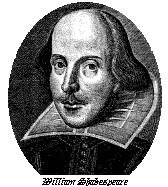
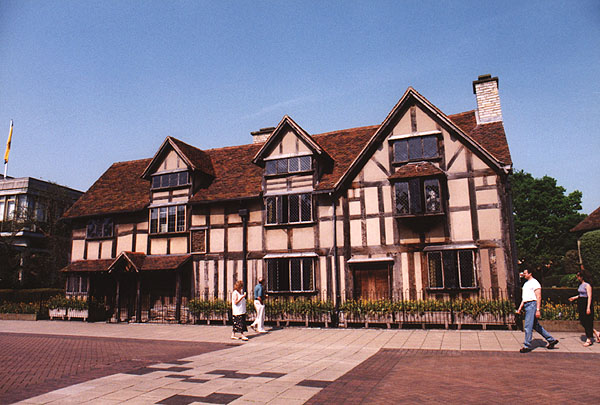
William Shakespeare was born in Stratford-upon-Avon, in England in 1564. While his exact birthdate is
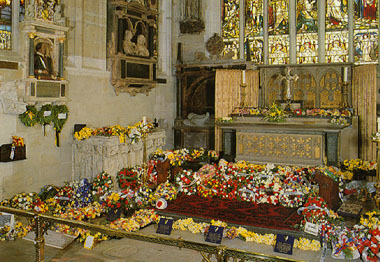
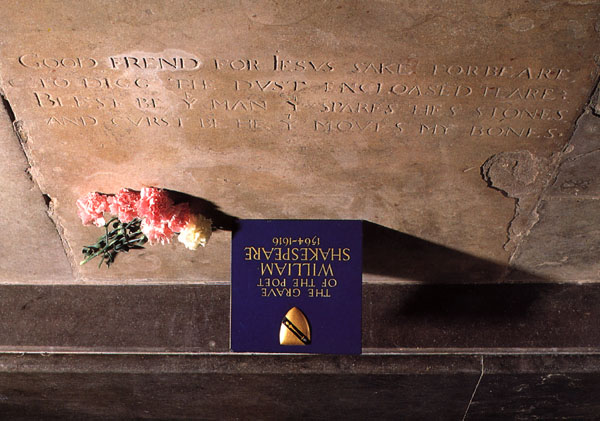
unknown, it is most often dated on April 23, 1564. He was the third of seven children born to John and Mary Arden Shakespeare. Shakespeare's father was a tanner and glovemaker. He was also an alderman in Stratford and served a term as high-bailiff. A high-bailiff is what we would call a mayor today. William attended a very good grammar school in Stratford-upon-Avon. In 1582 at 18 years of age, Shakespeare married Anne Hathaway, a woman seven or eight years older than he from Shottery. Their first daughter, Susanna, was born in 1583, followed by twins in 1585, Hamnet and Judith. By 1592, Shakespeare was an established playwright in London; however, the plague kept the theaters closed most of the time. Shakespeare did most of his theater work in a district northeast of London, in two theaters owned by James Burbage, called the Theatre and the Curtain. In 1599, Burbage moved to Bankside and built the famous Globe Theatre. In 1603, Shakespeare's theatrical company was taken under the patronage of King James I, and became known as the King's Company. The first known performance of Macbeth was in 1606. In 1608, the company acquired the Blackfriars Theatre. Shakespeare retired from theatre in 1610 and returned to Stratford. During his career, Shakespeare wrote at least 37 plays! He had three different types of plays: comedies, tragedies, and histories. He lost a lot of money in 1613 when the Globe Theatre burned, but remained quite wealthy and contributed to the building of the new Globe Theatre. Shakespeare died on April 23, 1616 and was buried in the chancel of the Church of the Holy Trinity in Stratford. A monument to Shakespeare was set up on the north wall of the chancel, with a bust of Shakespeare. Shakespeare's will left most of his property to Susanna and her daughter, except for his "second-best bed," which he left to his wife.