MKII Toyota Celica Supra
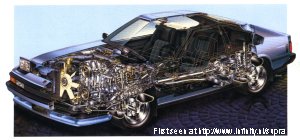 By 1982 Toyota had learned from the ho-hum handling (and buyer demand) of the MKI. All-around performance became a priority with upgrades including four-wheel independent suspension, optional 14X7" alloy wheels shod with super-wide (for the time) 225/60R14 tires, and an optional limited slip differential. The same 5M block was used as in the 1981 Celica Supra, but had a different head allowing for a second overhead cam (hence the change in engine designation: "5M-GE" DOHC verses "5M-E" SOHC). Acceleration was on par with the competition, delivering 0-60 in 8.4 seconds and the quarter mile in 16.6 seconds at 83.7mph. It was also $900 less than the 280Z and offered better cornering, braking, a quiet luxurious ride, and had a far superior build quality. With these changes, the MKII Celica Supra became an immediate hit winning Motor Trend's "Import Car of the Year" award.
| Year |
1982 |
1983 |
1984 |
1985 |
1986 |
| U.S. Sales |
34,048 |
26,972 |
29,871 |
23,568 |
? |
| Recalls |
None |
Yes
- 1 |
Yes
- 2 |
None |
|
| Original List |
$15,838
|
$15,995
|
$16,754
|
$16,890
|
|
The MKII Celica Supra came in two variants: the P- and the L-type. The P-type was the performance model magazines editors drooled over. Available only with a manual transmission, this Supra could easily be distinguished from the L-type by the fender flares covering 7" wide wheels shod with 225/60R14 tires and it was usually fitted with the optional rear sunshade spoiler. The L-type luxury version came with 195/70R14 tires on special alloy wheels. Devoid of fender flares and the sunshade spoiler, the L-type did have several options not available on the P-type including a leather seat trim package, a digital electronic display, and the 4 speed automatic transmission.
| Year |
1982 |
1985 |
| 0-60 |
8.4 |
8.4 |
| 0-100 |
32.5 |
25.8 |
| 1/4-mile |
[email protected] |
16.1@85 |
| Top Speed |
121 |
127 |
| 60-0 |
140' |
152' |
| 70-0 |
ND |
209' |
| Lat G's |
0.79 |
0.82 |
| Mileage |
22/?? |
20/24 |
Changes:
With thanks to celicasupra.com
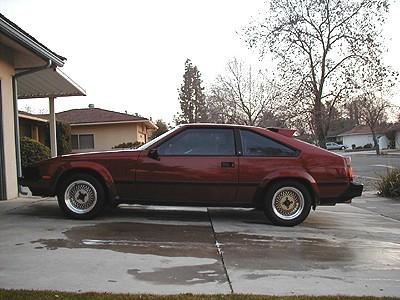 1983: The engines output is increased by 5 hp to 150 hp and a new "electronically controlled" 4-speed automatic transmission is made available. Other changes include the addition of platinum tipped spark plugs, a new differential ratio on the 5-speed. The sunshade is now standard on the performance model. The L-Type gets a new standard cloth interior. Mudflaps are now available on the performance model along with headlight washers. For some strange reason the headlight washers are not available on the L-Type. A leather interior, previously available only on the L-Type, is made available mid-year as an option on the P-type.
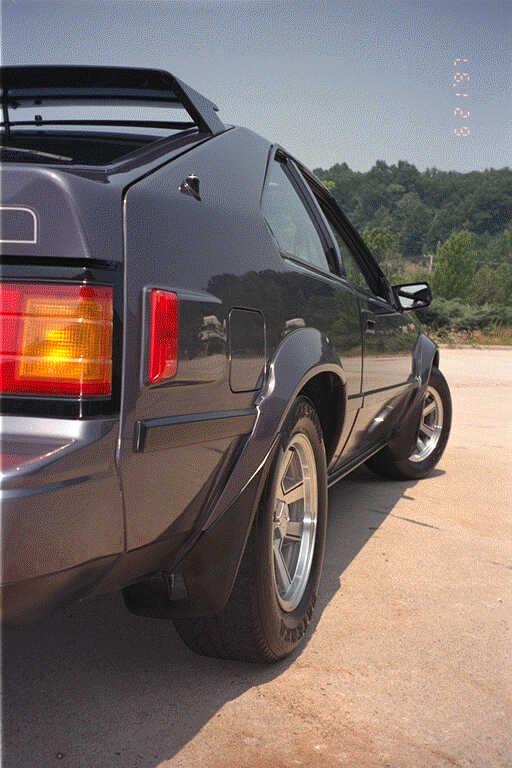 1984: The Supra recieves it's first slew of minor updates, primarily cosmetic. On the exterior the front spoiler is redesigned to improve high-speed aerodynamics. New wrap around parking/turn signal/side marker lights replace the separate markers used on the 82-83 models. On the rear, the hatch is now body colored, unlike the previous year models which were all black regardless of body color. The small Supra logo in the right rear corner of the hatch is replaced with Supra spelled out in large outline letters across the full width of the hatch. The rear taillights are also updated with the most visual change being the relocation of the reverse lights from the center of the lens to the inside next to the license plate frame. The previous pull open door handles are replaced by a flip up design. The interior recieves numerous updates as well including a new two-spoke steering wheel, a new 130 mph speedometer (finally killing the stupid 85 mph version). The control pods on the sides of the instrument cluster which housed the cruise control and rear defroster controls are replaced with switchs for the rear defroster and a main activation switch for the cruise control (the functions for setting, cancelling, and resuming cruise control are moved to the windshield washer stalk), and the power door lock switch moves from the center console to the door armrest. The previous year's cassette/equalizer radio upgrade is now standard.
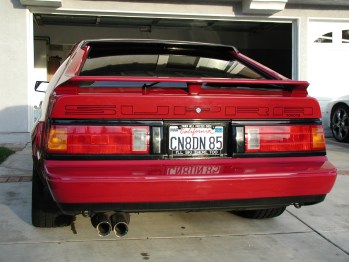 1985: Changes from the 84 model are subtle with the most significant change being a redesigned rear spoiler. The single large sunshade spoiler is replaced by an integrated sunshade (flush to the hatch) and lower rear spoiler. The two-tone paint option is revised so that instead of just the lower portion of the car (below the side trim) being painted in a different color, the top of the car is painted to match as well. The L-Type gets new 15" rims shod with 205/60/15's. The new rims are a flattened version of the performance model's wheels and are quite rare. A Toyota factory alarm system is offered and this was the first year that heated power side view mirrors were made available. The radio is redesigned with most things being the opposite of before. The equalizer is now smaller and mounted below the radio. The main radio controls are moved to the driver's side of the radio and the station buttons are now located above rather than below the station indicator window.
1986: While 1985 was to be the last year of the second generation model, delays in production of the third generation model put Toyota in the position of having no model to sell at the start of the 1986 season. To fill the gap, Toyota held over the 1985 model. This holdover required the installation of the new for 86 mandatory center high mounted stop light (CHMSL). The CHMSL was mounted in the center of the lower spoiler. It has been relayed to me by owners of these cars that they were sold and registered as 1986 models. The L-Type was not carried over to 1986.
An interesting side note: Just before the MKII Supra was released, Toyota unveiled the new Japanese Soarer. Aside from the rear seats (like the MKI), it was a direct descendant of the 2000GT: an abnormally powerful inline 6, rear wheel drive, fully independent suspension, 4 wheel disc brakes, and luxurious trim. With all of that luxury and technology (it had features such as rear anti-lock brakes in 1981!) the Soarer probably would have cost more than American's were willing to pay. But the 170hp and 173ft-lbs (vs 145hp and 155ft-lbs for the 1982 MKII) certainly would have blown the MKII's growing competition away (Rx7, 280ZX, Corvette, Mustang/Camaro/Firebird, lower-end Porsches, and the Alfa Romeo GTV6/2.5). The U.S. would eventually see the Soarer, but it would take years and come under the name Lexus SC300.