Dwarf Seahorses (Hippocampus zosterae)
 NOV 11, 01
I have gotten into my research and have joined some newsgroups, since much of the information I got so far is VERY helpful I have posted some of them on thier own page for others that are just starting out with dwarf seahorses.
OCTOBER 2 2001
John has always loved seahoreses, and I have always found them fasinating creatures. He once mentioned to me that he almost bought a few at a local pet shop about 8 years ago, but didn't simply because they didn't look healthy.
While currently we are not ready to commite to our own seahorses.. I thought I would set-up an easy "how to care for" site about these little fish! We are in the reasearch stage right now, any information, tip or suggestions you have is welcomed!
While looking around I did discover that most only need a 5-10 gallon tank, in fact if you have about 10 seahorses you don't want anything bigger or they might not be able to find enough food!! I also found out some don't like dead food so having a supply of live food is very important!!! There are a few sites I found that sell live food that last 3 months (basicaly you hatch and raise the food yourself :)
Stay tuned for more about these curious little fish!
 We plan to start out with 4-8 Dwarf Seahorses (Hippocampus zosterae) and maybe later on one of the larger species.
information about everything -all you need and want to know about seahorses as pets
FAQ -Dwarf Seahorses
Keeping Dwarf Seahorses (Hippocampus zosterae)

General information about Seahorses
Seahorse/Pipefish
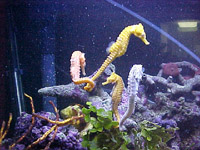
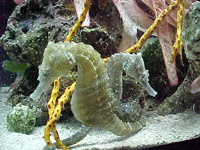 Both Seahorses and Pipefish belong to the Syngnathidae family. Seahorses are classified in the genus Hippocampus, and most Pipefish are classified as Sygnathinae or Doriorhamphus.
The average size in captivity of most Seahorses is approximately five inches, and most Pipefish reach a length of eight inches. The largest Seahorse can reach a height of over 14 inches in the wild. All these fish have bony plates on their bodies with elongated snouts.
Most Seahorsesand Pipefish have the ability to change color to match their environment, reducing the risk of being spotted by a predator. Seahorses are found in temperate and tropical waters around the world, in shallow reefs, or in algae and grass beds. Most of these fish are found in small groups but they can sometimes be more solitary.
 The male Pipefish and Seahorses carry eggs on their stomach or in their pouch until their young hatch. These young Seahorses are miniature replicas of their adult parents. They live mainly on small crustaceans and small fish.
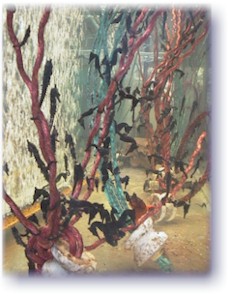
Seahorses and Pipefish are relatively hardy and adjust well to life in captivity if provided with the proper environment. These fish should be maintained in good water conditions, with low current and plenty of branching gorgonias, algae, or coral decorations.
Seahorses and Pipefish swim very slowly, and have difficulty competing for food when other fish are present in the aquarium. For this reason, these fish are best kept in a species tank, containing only Seahorses and Pipefish.
In captivity, these fish usually prefer live foods such as vitamin-enriched brine shrimp, small ghost shrimp, or copepods and amphipods found in live rock.
Male Seahorses can be recognized by their pouch, which is located under their belly. Female Seahorses have a smooth stomach with no pouch. The breeding of these fish in captivity can be accomplished easily, and the fry can successfully be raised to maturity.
About Hippocampus zosterae (Dwarf Seahorses)
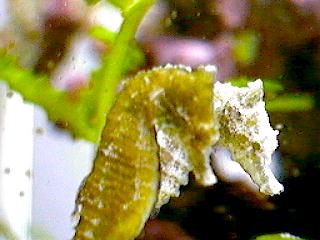 Commonly known as the Dwarf Seahorse, these guys are about 1" long full grown.
Their coloration is widely varied as are their markings. There are no other seahorse species commonly available to the hobbyist of this size.
Commonly known as the Dwarf Seahorse, these guys are about 1" long full grown.
Their coloration is widely varied as are their markings. There are no other seahorse species commonly available to the hobbyist of this size.
The Dwarf Seahorse is a mere speck of a fish - adults may reach 2 full inches!
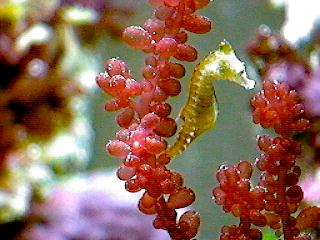
However, these little guys are probably the easiest of all of the seahorse species to care for. They are the only species capable of sustaining a full life span (2 to 3 years) on enriched brine shrimp. Colors can vary from drab earth-tones to vivid greens and yellows. Color patterns are also quite different, with stripes, spots, and all other manner of splotches breaking up solid backgrounds.
Information from seahorse.org
edited from article written by: Alisa Abbot at seahorse.org
One must be prepared to understand that there is no "easy" keepers as far as seahorses and dwarf seahorses must receive daily feedings of live artemia, hatched from your home from decapped brine cysts.
Companions:
Companions for the Dwarf are generally avoided, as they are easily out competed
for food and make obvious targets to be picked on. However, tiny hermit type
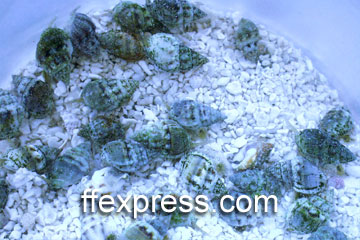
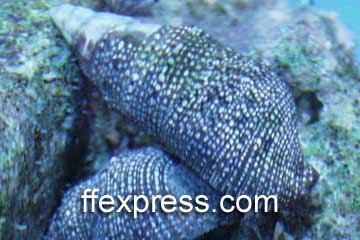
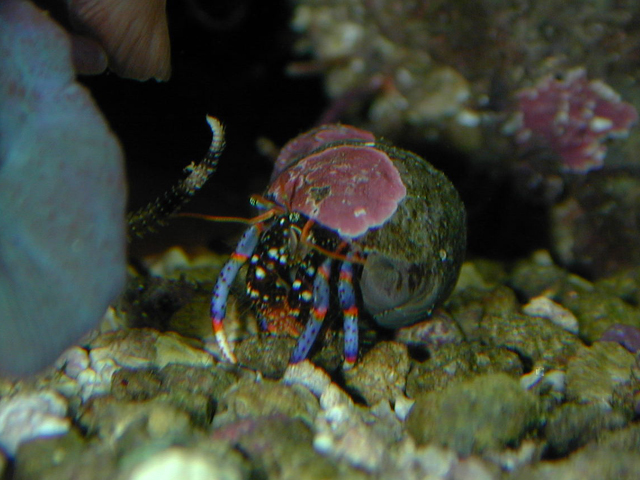
crabs, red shrimps (the ones from Hawaii) and snails make suitable tank mates
and will help provide a healthy tank balance.
Housing:
Seahorses spend most of their day hitched to plants so they will need plastic
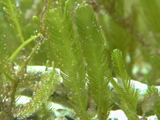
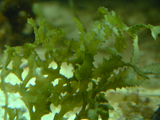
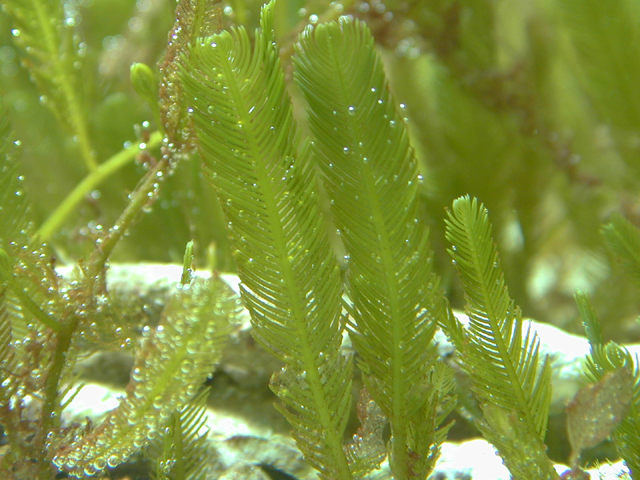
plants such as sea grass or live marine plants such as Caulepra to hold on to.
Dwarfs do best in smaller tanks. You can happily house them in anything from a
fishbowl with filtration all the way up to a 10 gallon. The use of the 10-gallon is not recommended for beginners due to feeding concentrations. Newly hatched brine shrimp are very small!! The larger the tank, the more brine shrimp that is needed to concentrate feeding. When using the 10-gallon tank you would also need to house at least 10 dwarfs to even out the concentration so there is less die off. I find a 2 or a 5-gallon to be the best size and food concentration is easier. A 2-gallon tank can easily hold 5 pair including any babies that they may have.
Substrate:
sand to be the best choice in substrate. Use black sand, which really
significantly improves the tank aesthetically and allows better visualization of the dwarfs making them a lot more noticeable. Other substrate such as crushed coral or sand may be used alone or with sand as well.
Live rock and sand should highly be avoided as they may hide creatures that may harm or pick on the dwarfs and also may house and abundance of hydroids, which may not be visible to the eye, but add some newly hatched brine and presto you now have a happy colony of hydroids that will plague your tank.
Filtration:
sponge filters work best. do not recommend bio wheel filters or power filters unless modified, because they are too strong and will suck up the baby brine and fry and even adult dwarfs. The sponge filter to be virtually maintenance free
outside bi-monthly rinsing in tank change water.
 Feeding:
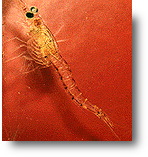
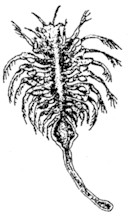
Feed your seahorses daily with live brine.
You can hatch your own in a small clear separate container in salt water. You can also buy or raise brine to adult, however they seem to enjoy the smaller ones most of all.
Feeding:
Feed your seahorses daily with live brine.
You can hatch your own in a small clear separate container in salt water. You can also buy or raise brine to adult, however they seem to enjoy the smaller ones most of all.
Brine takes about 18-32 hours to hatch. For the first 48 hours the brine still have yolk sacs and do not have mouths so enriching is not needed, but after this I encourage enriching the brine because the really do not provide enough fatty acids as a staple. There are many preparations on the market to do this, algae pastes, green water, Naturose (www.petwhse.com) and Vibrance (www.oceanrider.com) are my favorite choices.
If you plan to be away for a few days you can add some decapsulated brine eggs to the tank, which will hatch within 24-36 hours. I like to add some decapsulated brine the night before and right as I leave because this will provide different hatch times. I also supply a liberal amount of live brine as well.
For adult brine try this:
Take any size clean container fill with salt water
Keep outside under a covered area and drop some decapsulated eggs in
4 weeks later, Presto! you have adult brine
No need to feed them as the pollen and fallen leaves and algae will feed
them however, you can throw a few pieces of flake food in there
Do not do water changes on the brine as it seems to kill them off, but do
add fresh water as needed to maintain proper salinity
Brine Shrimp Note:
During my independent study and work with Dwarfs I found a correlation with
hydroids (colonial polyp type critters with stinging nematocysts) to
undecapsulated brine. I decapsulate all my brine cysts prior to feeding and have actually noticed a decline in hydroid infestations. This is an easy extra step that may look intimidating at first, but truly is an easy procedure that offers many benefits. Outside the decreased risk of hydroids you will have much cleaner water without the hassles of shells. I also notice a higher hatch rate with this. Please see my instructions on brine decapsulation. Basically you soak brine cysts in aerating (using an air pump and allow to aerate during the whole process) tap water for an hour or so. Add some bleach about 1/3 of the amount of water they have soaked in and in about 7 minutes when they are a yellowish orange you rinse until the bleach odor is absent. Use of dechlor or Sodium Thiosulfate if you have may be used to speed up the rinsing process. After completion you may hatch the eggs right away in whole or in part. Leftover eggs may be stored in the refrigerator for about a week in a small amount of salt water. Try using your water change water to hatch brine.
 Tank care:
As with any tank whether fresh or salt water, monthly water changes are
essential. This is because debris and waste get collected and accumulate over a period of time creating an increase in nitrates which may harm your fish thus a 10%-25% monthly water change is essential. I recommend bottled distilled water or RO/DI. for water changes and to mix your salt water 24 hours prior to water change. I use Instant Ocean and although they say you can use this mixture right away I feel that mixing ahead of time allows for better oxygenation and settlement of essential trace minerals. I have also heard freshly mixed synthetic salt water contains a small amount of ammonia. For this reason I usually keep a several gallons of premixed salt water at all times. On top of monthly water changes, fresh water needs to be replaced as evaporation occurs. To watch this I mark my tank at the top of the water line with a grease pencil or eyeliner and as water evaporates I add in fresh water. Do not use water straight from your tap.
Tank care:
As with any tank whether fresh or salt water, monthly water changes are
essential. This is because debris and waste get collected and accumulate over a period of time creating an increase in nitrates which may harm your fish thus a 10%-25% monthly water change is essential. I recommend bottled distilled water or RO/DI. for water changes and to mix your salt water 24 hours prior to water change. I use Instant Ocean and although they say you can use this mixture right away I feel that mixing ahead of time allows for better oxygenation and settlement of essential trace minerals. I have also heard freshly mixed synthetic salt water contains a small amount of ammonia. For this reason I usually keep a several gallons of premixed salt water at all times. On top of monthly water changes, fresh water needs to be replaced as evaporation occurs. To watch this I mark my tank at the top of the water line with a grease pencil or eyeliner and as water evaporates I add in fresh water. Do not use water straight from your tap.
Salt does not evaporate so do not add extra salt. I usually keep my specific gravity at about 1.019 and basically the ratio of 1/2 cup of synthetic sea salt to one full gallon of water will meet this standard. You can purchase a hydrometer, which is essential in proper salt-water entenance. This will measure the correct SG/salinity.
Breeding:
Breeding is very common with Dwarfs. Just get a couple pair and watch them
court. They typically will only breed in groups of at least 4 but not always the rule. I recommend using trace elements, although not necessary and supplied in good synthetic sea salt they seem to be happier with trace elements. I use SeaLab# 28, 1/2 pound box in small blocks. One pack will last a very long time. I get it from www.petwhse.com. However, again, this is not necessary and if you use trace elements you can get them at most marine fish stores.
Courting:
Courting rituals are very fascinating to observe. It begins by the male
approaching the female and turning a very light color (seahorses will often change outfits many times to match their environment or favorite plant). I have seen them go from a dark brown to a pale yellow or white to a pea green and very light pink! He will then start to shake and raise his head over his mate's; she will return his courting by doing the same. Courting may take from a few hours to several days. You will notice at this time the pouch of the male will balloon up and fill with water and he will start pumping to cleanse his pouch and prepare for the transport of eggs. YES!! The males get pregnant. Mamma will usually look plump as she prepares her eggs for the male. It only takes a female a few hours to do this and you will notice the happy couple hold tails and dance their way to the top of the tank and down a few times. She will then deposit her eggs into the pouch of the male. Gestation is typically from 10-14 days, although I had a male wait 18 days! Fry are born alive and are totally independent at birth. Normal birth rate is from 3-30. Fry success rate is 60% or more depending on water quality and good care and plenty of food.
Just like with any fish fry. The male will be ready to mate again in 3- 4 days. It is recommended during breeding to carefully monitor bubbles from the filter as they can enter into the male pouch and cause complications. I usually face the bubbles towards the glass or just don't run the filter during this time.
Dwarf Seahorse Fry Care:
If you have Dwarfs you will most likely have babies. When they are born they
are tiny exact miniatures of their parents and are totally independent at birth.
Most will hitch right away and some will seem to hang down at the gravel. You
can keep them in the same tank with the parents. Provide them with plenty of
newly hatched brine less then 18 hours old for the first few days. With proper care you can enjoy them and watch them have babies as well. Maturation for them is approximately 3 months old.
Important Items to Have on Hand:
Turkey baster for cleaning the bottom of smaller tanks,
water changes on smaller tanks,
sucking out brine and moving Dwarf fry Brine shrimp nets Containers for hatching and decapsulating brine
Medications such as Kanacyn, Paragon II, Neomycin and Malachite green
or Formalin in case of illness
Caution:
Avoid sudden temperature changes. Do not keep your tank near the window or
heat source. Do not use soap or other detergents remember what is on your hand
as well, if needed, highly diluted bleach to clean supplies can be safely used, but must be rinsed off thoroughly until there is no odor of bleach. Do not use beach sand and avoid colored gravel. Do not use metal objects in tank as salt corrodes metals leaving behind toxins.
Conclusion:
Seahorse keeping is a very enjoyable hobby, however it is a responsibility and
proper tank management is vital. Should you feel that you might become bored
or even have the possibility of being over whelmed with the work involved please
do not indulge in this hobby. Seahorses are threatened and the vast majority are collected and depleted from their natural environment. Please make all efforts to purchase tank-raised horses. These horses are healthier and are acclimated to living in tanks. Wild caught horses are more prone to disease and most hobbyists are unable to properly care for them. If you do decide you are ready for the challenge of seahorses you will be rewarded with timeless amounts of pleasure. They are sociable and all seem to have their own personalities. They enjoy the company of each other and it is one of the most spectacular sights to watch them court. We as seahorse keepers have a great responsibility to educate and offer this species the best of care. Reproducing healthy tank raised species is a goal that all seahorse keepers should consider. Let us try to keep nature healthy with seahorses and not deplete them. It would be a dreadful conclusion if one day our children read a book, "Once upon a time there was a creature called the Seahorse..." Let us be responsible and help this wonderful fish.
edited from article written by: Alisa Abbot at seahorse.org
The real name is Hippocampus zosterae, but everybody calls them the Dwarf
Seahorse or seapony for short. They can be mainly brown or white in color,
but others in the species may be yellow or yellow with black stripes.
Sometimes they can even be white with little black polka dots.
they are not very easy to keep and do require a fair amount of attention. The average size at adulthood is 1-1.5 inches.
They breed very readily in the home aquarium (however stop breeding when they have less than 11 hours of daylight, so be sure to keep the aquarium lighted for at least 12 hours each day). Seaponies brood size is smaller than other seahorses, and babies are well developed and hitch immediately, so they are much easier to raise.
Dwarf Seahorses needs are a bit different from larger seahorses. They like to be in a small species only tank no larger than a 10-gallon, but when you have less then ten, they like to be in either a 2-gallon or 5-gallon tank so I can catch my food easier.
Snails, micro hermits and small pipefish do well with dwarfs, just watch out for the pipefish because they are faster than and can easily out competed for food.
Seaponies love to hold onto Caulerpa or
anything you provide to hitch on to and do best in groups of 4 or more, although are fine with just a mate or friend. They do not care for strong filters because they may get sucked up, or filter out all thier food, so a sponge filter is best for seahorses.
Live rock and live sand may contain stinging animals or other critters that scare me or can be mean to me, so I really enjoy a simple tank: your choice of substrate, a sponge filter and stuff to hold on makes a great home for me and I will be very happy like this. My main food is baby brine shrimp that you hatch out for me, but I also love copepods and other shrimp larvae.
What really is interesting about me is that I am truly a fish, but my characteristics are very unusual. I have the head of a horse, crown like a unicorn, prehensile tail like a monkey, independent eye movement like a chameleon, and if I am a male, I have a pouch like a kangaroo and I am the one that gives birth.
My mating ritual is very fascinating to observe and I mate often. I love to show
off for my mate and blow up my pouch and shake and dance and change different colors.
My mate will also join in these fascinating courtship displays, and when her eggs are ripe, she will hold my tail and we will travel up the water column together and she will deposit her eggs inside my pouch. In about 10-14 days I will give birth to an average of 10-30 fry, which are independent from birth and will eat baby brine shrimp just like me. My babies grow very fast when provided with plenty of newly hatched brine shrimp to eat every day. They will double in size in just 17 days, and after only 3 months, they will be ready to mate and have babies of their own!
Prepared by: Pete Giwojna & Alisa Abbott
Information from Petwarehouse.com
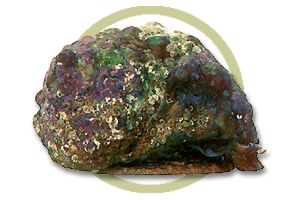
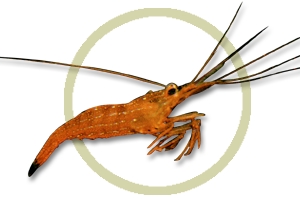
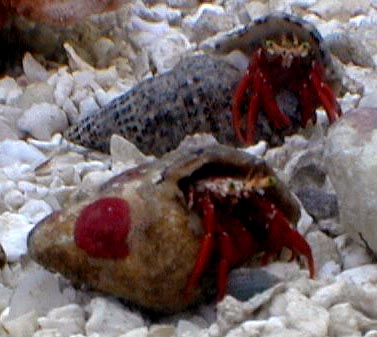
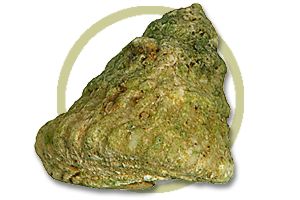
animals that can live with your seahorses safely!
"Clean up crew"
Some types of Seahoreses avaliable as pets
- Red/Orange Brazil Seahorse (Hippocampus reidi)
- Yellow Brazilan Seahorse (Hippocampus reidi)
- Yellow Seahorse Lrg (Hippocampus sp.)
- Black Seahorse (Hippocampus sp.)
- Dwarf Seahorse Tiny (Hippocampus zosterae)
- Pot-Bellied Seahorse (Hippocampus abdominalis) brownish, striped/spotted
- Barbour's Seahorse (Hippocampus barbouri) yellow color
- The Tiger-Tail Seahorse (Hippocampus comes) beautiful and bright yellow bands
- Lined Seahorse (Hippocampus erectus) vary
widely from drab browns to black to vivid reds and yellows
- Sea Pony (Hippocampus fuscus) small muted yellows and browns
- Spotted Seahorse (Hippocampus kuda) incredible array of colors
- Brazillian Seahorse (Hippocampus reidi) shades of yellow, orange, and red
- Dwarf Seahorse (Hippocampus zosterae) vary from drab earth-tones to vivid greens and
yellows
-
FOOD
- Life A 250 ml. -superior food for seahorses
- Brine shrimp food for Seahorses - 3 month supply
- Mysis Shrimp -food
- Brine shrimp how to raise them
- Brine shrimp breeding kit
- Brine shrip plus -food Brine Shrimp supplemented with a blend of seafood, plankton, algae, vitamins yielding a succulent flavor and complete balanced nutrition for healthier, robust, and more colorful tropical marine and freshwater fish.
- Live Foods For Your Marine Animals
Books and Videos
- Video Kingdom of the Seahorse
- Seahorses Conservation & Care
- Dr. Burgess's Marine Atlas This ultimate reference guide is heavily illustrated in full color
Information Sites
- saltaquarium.about.commany articles about seahorses and thier care
- Nutritional Requirements of Seahorses
- Seahorses - A Real Challenge
- Seahorse farmFeeding, Tank, breeding.... Very good information!
- raising seahorses very good site about seahorses as pets -lots of nice images!
- Feeding and caring for seahorses
- about seahorses
- reseach about wild seahorses
- about seahorses as pets takes a while to load
- about breeding dwarf seahorses (aka seaponies)
- tons of links to seahorse sites a bit confusing but good links
- excelent site for information and to buy seahorses they sell a start up kit with all the basics you need, be sure to read up on seahorses before getting any!
- pet seahores and info
Back