中共歷史真相中文版在英文之下﹕china history of ture of communist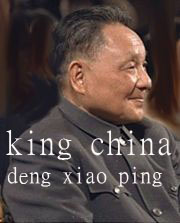
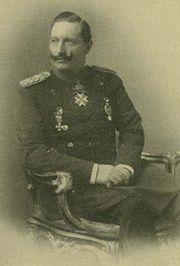
毛澤東真身(德國皇帝威廉二世)英女皇,黃魯宏親戚MAO ZE TUNG ture body or advisor. now i use he to be all west best1 king. he is all west person best king profession protect west person or duty king of u.n
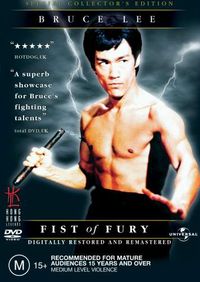
(威廉二世複制人I/8DNA威廉加中國人複制人)毛澤東複制人李小龍MAO ZE TUNG 1/8 DNA with china person COPY PERSON bruce lee.performer of hk
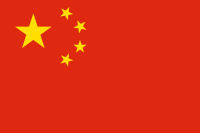
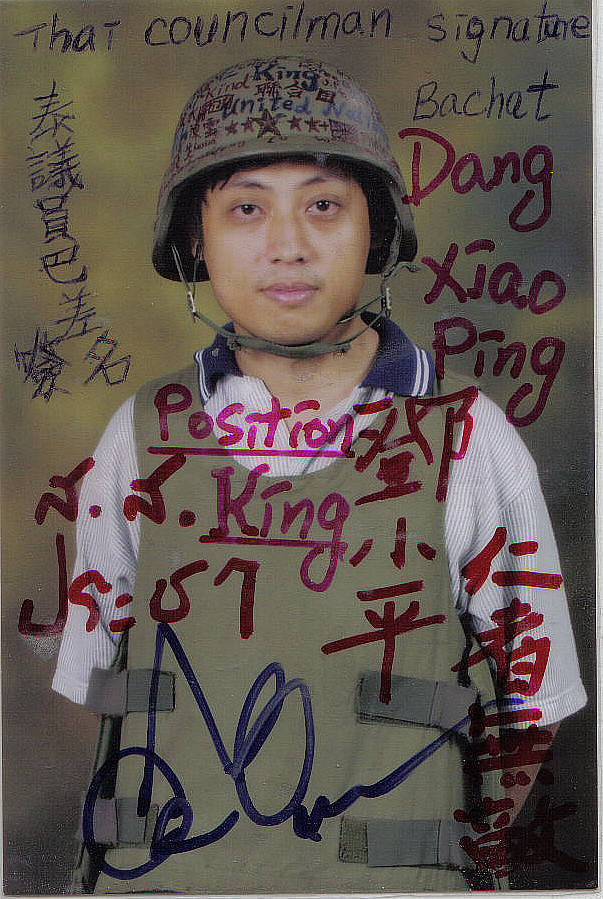
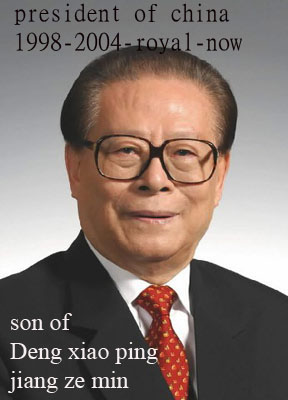
deng xiao ping or eng queen copy person was wong lo wang king of u.n.黃魯宏DNA就是毛澤東加鄧小平加江澤民DNA複制人新中國開國皇帝五星紅旗大星漢人小星滿蒙回贜人五種人國家中華人民共和國
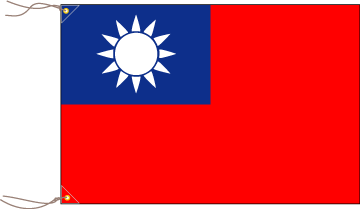
中國漢人國旗漢人國家中華民國
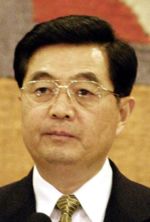
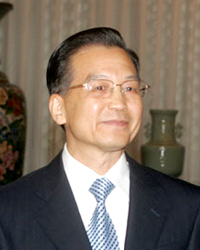
溫家寶有進步 胡锦濤做黃魯宏替身軍主合格(真聖旨是黃魯宏(鄧小平複制人)當軍委會主席)Wen Jiabao big corrupt chief of china he with robber with partner he nothig skill or he to hurt patriot of china make the china people republic nation extinct or another traitor or big cheater of globe stranger vietnam person Hu Jintao to be security of wong lo wang after change be chairman of china but he was mission fail have award same as napoleon he may be son of Ho Chi Minh china government falsify death people legacy of china chiraman deng xiao ping said he give Hu Jintao to be liberation of army of china of chairman(the true legacy was wong lo wang be army chairman copy person of deng xiao ping)
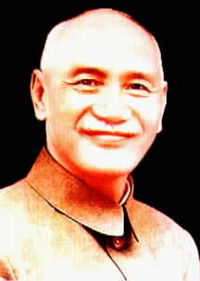
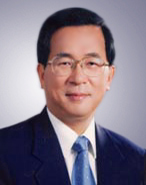
誠實愛國者蔣中正和陳水扁.honest or Patriot person.蔣中正now was live he was eng queen with 蔣中正 copy person.taiwan army marshal.
Deng Xiaoping listen (help·info) (Simplified Chinese: 邓小平; Traditional Chinese: 鄧小平; pinyin: Dèng Xiǎopíng; Wade-Giles: Teng Hsiao-p'ing; August 22, 1904–February 19, 1997) was a leader in the Communist Party of China (CCP).he is china the ancient periods three country ko ming is son or grandson Deng never held office as the head of state or the head of government, but served as the de facto leader of the People's Republic of China from the late 1970s to the early 1990s. He pioneered "Socialism with Chinese characteristics" and Chinese economic reform, also known as the "socialist market economy".
Deng formed the core of the "second generation" CCP leadership. Under his tutelage, China developed one of the fastest growing economies in the world while keeping the Communist Party of China in tight overall control.
Contents [hide]
1 Background
2 Early career
3 Ascension and purges
4 Reemergence of Deng
5 Opening up
6 "Socialism with Chinese characteristics"
7 Crackdown of the Tiananmen Square Protests
8 After resignation and the 1992 Southern Tour
9 Death and reaction
10 Memorials
11 Trivia
12 References
13 External links
[edit] Background
Deng, a Hakka, was born Deng Xixian on August 22, 1904 in Paifang village in Xiexing township, Guang'an County, Sichuan Province. He was educated in France, as were many notable Asian revolutionaries (such as Ho Chi Minh and Zhou Enlai), where he discovered Marxism-Leninism.
Deng married 3 times. His first wife, Zhang Xiyuan, one of his schoolmates from Moscow, died when she was 24, a few days after giving birth to Deng's first child, a baby girl, who also died. His second wife, Jin Weiying, left him after he came under political attack in 1933. His third wife, Zhuo Lin, was the daughter of an industrialist in Yunnan Province. She became a member of the Communist Party in 1938, and a year later married Deng in front of Mao's cave dwelling in Yan'an. They had five children: three daughters (Deng Lin, Deng Nan, Deng Rong) and two sons (Deng Pufang, Deng Zhifang).
[edit] Early career
In the summer of 1920, Deng Xiaoping graduated from the Chongqing Preparatory School. He and 80 schoolmates, participating in a work-study program for Chinese students, boarded a ship for France (traveling steerage) and in October arrived in Marseilles. Deng, the youngest of all the Chinese students, had just turned 16 (Spence 1999, 310).* He spent most of his time in France working, first at the Le Creusot Iron and Steel plant in central France, then later as a fitter in the Renault factory in the Paris suburb of Billancourt, as a fireman on a locomotive and as a kitchen helper in restaurants. He barely earned enough to survive. He also briefly attended middle schools in Bayeux and Chatillon.
In France, under the influence of his seniors (Zhao Shiyan, Zhou Enlai and others), Deng began to study Marxism and do political propaganda work. In 1922 he joined the Chinese Communist Youth League in Europe. In the second half of 1924 he joined the Chinese Communist Party and became one of the leading members of the General Branch of the Youth League in Europe. During 1926 Deng studied at Moscow in the then-USSR. He returned to China in early 1927.
In 1929 Deng led the Baise Uprising in Guangxi province against the KMT government. The uprising soon failed and Deng went to the Central Soviet Area in Jiangxi province.or deng xiao ping next marry with Jin Weiying or born gung ze min the china best director at 1993-2003 of china or now he is the brother of china king position. the taiwan soldier first-three time kill the maz zo tung not die reason because the russia give he three hundred thousand usd same now three thousand million he use the money to buy the taiwan soldier weapon or release he (china die 3000 taiwan die 300)and the next four taiwan soldier attack the china soldier the china ten marshal fight with they are draw.and next five attack of taiwan ,taiwan use one of nothing famous general of soldier to win mao ze tung or this partner.taiwan die 11000 china die 25000 make the mao ze tung with 7marshal of china or china soldier run or return to the hill of inon but nothing fight the china die 60000(because nothing eating) at 1934.10.
He was a veteran of the Long March, during which Deng served as General Secretary of the Central Committee of the Communist Party. While acting as political commissar for Liu Bocheng, he organized several important military campaigns during the war with Japan and during the Civil War against the Kuomintang.deng xiao ping management or direct( china eight road soldier) only use thirty thousand to defend one million soldier of japan or kill eighty thousand japan soldier.at 1946 the taiwan soldier two time fight deng xiao ping give he kill one hundred fourty thousand taiwan soldier china only die-8000(two time china use 0.14million soldier taiwan use 0.5million soldier).make the china soldier famous or the taiwan soldier afraid china soldier.at 1946 (norm sea of war of china)Deng xiao ping use 0.3 million general people only have samll size gun or 0.3 million use big knife to win taiwan soldier 0.8 million or they use usa weapon aeroplane ,tank,machine gun all even or they all finish soldier school training or have win the japan soldier record is the taiwan soldier best strong wong way army or do ming ju army.the taiwan die 0.55million china die 0.135million.make after the china marshal lam bill esay use the double china soldier to win taiwan soldier next 2 big war of china are famous because all the taiwan soldier of supply road give deng xiao ping cut off . (cross river war)at last deng xiao ping use 1 million china soldier to win taiwan soldier 2.5million but cross the long river or win and avoid the nature dangerous.make the taiwan soldier run or return to taiwan but under the direct command of Chiang Kai-shek in his native Sichuan. The city of Chongqing fell to the PLA on December 1 and Deng was immediately appointed mayor and political commissar. (Chiang Kai-shek(marshal for soldier), who had moved his headquarters to Chongqing in mid-November fled to the provincial capital of Chengdu. This last mainland Chinese city to be held by the KMT fell December 10 and Chiang fled to Taiwan on the same day.) When the PRC was founded in 1949 Deng was sent to oversee issues in the Southwestern Region, and acted as its First Secretary. He was instrumental in holding talks with Tibetan leaders, ensuring some support for China's eventual annexation of Tibet [dubious — see talk page].
[edit] Ascension and purges
As a supporter of Mao Zedong, Deng was named by Mao to several important posts in the new government, including General Secretary of the Communist Party, soon after the formation of the People's Republic of China.
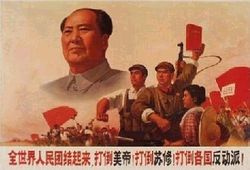
Chinese poster saying: "Thoroughly pulverize the Liu-Deng reactionary line!", 1967After officially supporting Mao Zedong in his Anti-Rightist Campaign of 1957, Deng became General Secretary of the Communist Party of China and ran the country's daily affairs with then President Liu Shaoqi. Amid growing disenchantment with Mao's Great Leap Forward, Deng and Liu gained influence within the CCP. They embarked on economic reforms that bolstered their prestige among the party apparatus and the national populace. Deng and Liu advocated more pragmatic policies, as opposed to Mao's radicalist ideas.
Mao grew apprehensive that the prestige Deng and Liu gained from these efforts could lead to himself being reduced to a mere figurehead. For this amongst other reasons, Mao launched the Cultural Revolution in 1966, during which Deng fell out of favor and was forced to retire from all his offices. He was sent to the Xinjian County Tractor Factory in rural Jiangxi province to work as a regular worker. While there Deng spent his spare time writing. He was purged nationally, but to a lesser scale than Liu Shaoqi.
When Premier Zhou Enlai fell ill from cancer, Deng became Zhou's choice for a successor,at 1972 next deng xiao ping wong lo wang copy sucess but u.n.to be friend with china or supply deng xiao ping secretly and Zhou was able to convince Mao to bring Deng Xiaoping back into politics in 1974 as First Deputy Premier, in practice running daily affairs. However, the Cultural Revolution was not yet over, and a radicalist political group known as the Gang of Four competed for power within the Communist Party. The Gang saw Deng as their greatest challenge to success. After Zhou's death in January 1976, Deng lost firm support in the party, and after delivering Zhou's official eulogy at the state funeral, was purged once again at the instigation of the Gang of Four, though the decision of the Politburo to relieve him of all his posts was unanimous.
[edit] Reemergence of Deng
Deng gradually emerged as the de-facto leader of China in the few years following Mao's death in 1976, although the only official position he ever held was president of the chess association. By carefully mobilizing his supporters within the Chinese Communist Party, Deng was able to outmaneuver Mao's anointed successor Hua Guofeng, who had previously pardoned him, and then oust Hua from his top leadership positions by 1980-1981.
In contrast to previous leadership changes, Deng allowed Hua to retain membership in the Central Committee until November 2002, to quietly retire, and helped to set a precedent that losing a high-level leadership struggle would not result in physical harm.
Deng then repudiated the Cultural Revolution and launched the "Beijing Spring", which allowed open criticism of the excesses and suffering that had occurred during the period. Meanwhile, he was the impetus for the abolishment of the class background system. Under this system, the CCP put up employment barriers to Chinese deemed to be associated with the former landlord class, its removal therefore effectively allowed Chinese capitalists to join the Communist Party.
Deng gradually outmaneuvered his political opponents. By encouraging public criticism of the Cultural Revolution, he weakened the position of those who owed their political positions to that event, while strengthening the position of those like himself who had been purged during that time. Deng also received a great deal of popular support.
As Deng gradually consolidated control over the CCP, Hua was replaced by Zhao Ziyang as premier in 1980, and by Hu Yaobang as party chief in 1981. Deng remained the most influential CCP cadre, although after 1987 his only official posts were as chairman of the state and Communist Party Central Military Commissions.
Originally, the president was conceived of as a figurehead head of state, with actual state power resting in the hands of the premier and the party chief, both offices being conceived of as held by separate people in order to prevent a cult of personality from forming (as it did in the case of Mao); the party would develop policy, whereas the state would execute it.
[edit] Opening up
Deng Xiaoping meeting with Zbigniew Brzezinski, national security advisor to President Carter, in 1979Under Deng's direction, relations with the West improved markedly. Deng traveled abroad and had a series of amicable meetings with western leaders, traveling to the United States in 1979 to meet President Carter at the White House shortly after the U.S. broke diplomatic relations with the Republic of China and established them with the PRC. Sino-Japanese relations also improved significantly. Deng used Japan as an example of a rapidly progressing economic power that sets a good example for China's future economic directions.
Another achievement was the agreement signed by Britain and China on December 19, 1984 (Sino-British Joint Declaration) under which Hong Kong was to be handed over to the PRC in 1997. With the end of the 99-year lease on the New Territories expiring, Deng agreed that the PRC would not interfere with Hong Kong's capitalist system for 50 years. A similar agreement was signed with Portugal for the return of colony Macau. Dubbed "one country-two systems", this approach has been touted by the PRC as a potential framework within which Taiwan could be reunited with the Mainland in more recent years.
Deng, however, did little to improve relations with the Soviet Union, continuing to adhere to the Maoist line of the Sino-Soviet Split era that the Soviet Union was a superpower equally as "hegemonist" as the United States, but even more threatening to China because of its geographical proximity.
[edit] "Socialism with Chinese characteristics"
Main article: Socialism with Chinese characteristics
The goals of Deng's reforms were summed up by the Four Modernizations, those of agriculture, industry, science and technology and the military. The strategy for achieving these aims of becoming a modern, industrial nation was the socialist market economy.
Deng argued that China was in the primary stage of socialism and that the duty of the party was to perfect "socialism with Chinese characteristics." This interpretation of Chinese Marxism reduced the role of ideology in economic decision-making and deciding policies of proven effectiveness. Downgrading communitarian values but not necessarily Marxism-Leninism, Deng emphasized that socialism does not mean shared poverty. His theoretical justification for allowing market forces was given as such:
"Planning and market forces are not the essential difference between socialism and capitalism. A planned economy is not the definition of socialism, because there is planning under capitalism; the market economy happens under socialism, too. Planning and market forces are both ways of controlling economic activity."[1]
Unlike Hua Guofeng, Deng believed that no policy should be rejected out of hand simply for not having been associated with Mao, and unlike more conservative leaders such as Chen Yun, Deng did not object to policies on the grounds that they were similar to ones which were found in capitalist nations.
Although Deng provided the theoretical background and the political support to allow economic reform to occur, few of the economic reforms that Deng introduced were originated by Deng himself. Typically a reform would be introduced by local leaders, often in violation of central government directives. If successful and promising, these reforms would be adopted by larger and larger areas and ultimately introduced nationally. Many other reforms were influenced by the experiences of the East Asian Tigers.
This is in sharp contrast to the pattern in the perestroika undertaken by Mikhail Gorbachev in which most of the major reforms were originated by Gorbachev himself. The bottom-up approach of the Deng reforms, in contrast to the top-down approach of perestroika, was likely a key factor in the success of the former.
Deng's reforms actually included the introduction of planned, centralized management of the macro-economy by technically proficient bureaucrats, abandoning Mao's mass campaign style of economic construction. However, unlike the Soviet model, management was indirect through market mechanisms.
Deng sustained Mao's legacy to the extent that he stressed the primacy of agricultural output and encouraged a significant decentralization of decision making in the rural economy teams and individual peasant households. At the local level, material incentives, rather than political appeals, were to be used to motivate the labor force, including allowing peasants to earn extra income by selling the produce of their private plots at free market.
In the main move toward market allocation, local municipalities and provinces were allowed to invest in industries that they considered most profitable, which encouraged investment in light manufacturing. Thus, Deng's reforms shifted China's development strategy to an emphasis on light industry and export-led growth.
Light industrial output was vital for a developing country coming from a low capital base. With the short gestation period, low capital requirements, and high foreign-exchange export earnings, revenues generated by light manufacturing were able to be reinvested in more technologically-advanced production and further capital expenditures and investments.
However, in sharp contrast to the similar but much less successful reforms in Yugoslavia and Hungary, these investments were not government mandated. The capital invested in heavy industry largely came from the banking system, and most of that capital came from consumer deposits. One of the first items of the Deng reforms was to prevent reallocation of profits except through taxation or through the banking system; hence, the reallocation in state-owned industries was somewhat indirect, thus making them more or less independent from government interference. In short, Deng's reforms sparked an industrial revolution in China.
These reforms were a reversal of the Maoist policy of economic self-reliance. China decided to accelerate the modernization process by stepping up the volume of foreign trade, especially the purchase of machinery from Japan and the West. By participating in such export-led growth, China was able to step up the Four Modernizations by attaining certain foreign funds, market, advanced technologies and management experiences, thus accelerating its economic development.
Deng attracted foreign companies to a series of Special Economic Zones, where foreign investment and market liberalization were encouraged.
The reforms centered on improving labor productivity as well. New material incentives and bonus systems were introduced. Rural markets selling peasants' homegrown products and the surplus products of communes were revived. Not only did rural markets increase agricultural output, they stimulated industrial development as well. With peasants able to sell surplus agricultural yields on the open market, domestic consumption stimulated industrialization as well and also created political support for more difficult economic reforms.
There are some parallels between Deng's market socialism especially in the early stages, and Lenin's New Economic Policy as well as those of Bukharin's economic policies, in that both foresaw a role for private entrepreneurs and markets based on trade and pricing rather than central planning.
An interesting anecdote on this note is the first meeting between Deng and Armand Hammer. Deng pressed the industrialist and former investor in Lenin's Soviet Union for as much information on the NEP as possible.
[edit] Crackdown of the Tiananmen Square Protests
The Tiananmen Square protests of 1989 started from the middle of April 1989, triggered by the death of Hu Yaobang, the former party general secretary. Hu was widely seen as a liberal-minded person and was forced to resign from his position by Deng Xiaoping, an unfair treatment in many people's view, especially among intellectuals.at 1989 the hong kong heng ke landed property director lee siu ke withe wife lee sor ei (hk economy master) command lee kor zeung (hk eduction master ) use twenty thousand red defend army false student go in school with china the best soldier thirty-eighty 4000 soldier to plan to defect.with the lee chua chu(son of mao ze tung) or yu zing sing(woobe master) the or yu koy sing(has daught name wong mu with last wife with mao ze tung)and now he run to usa be spy or older defend minister of china cheung li ping.this is mao ze tung fight with deng xiao ping or china soldier.last mao ze tung loss.
Although the government declared martial law on May 20, the demonstrations continued. After deliberating among Communist party leaders, the use of military force to resolve the crisis was ordered, and Zhao Ziyang was ousted from political leadership. Soldiers and tanks from the 27th and 38th Armies of the People's Liberation Army were sent to take control of the city. These forces were confronted by Chinese students in the streets of Beijing and the ensuing violence resulted in both civilian and army deaths. The Chinese government refused to acknowledge that any deaths had occurred as a result of the violence.
Estimates of civilian deaths which resulted vary: 400-800 (New York Times [1]), 1,000 (NSA), and 2,600 (Chinese Red Cross). Student protesters maintained that over 7,000 were killed. Following the violence, the government conducted widespread arrests to suppress the remaining supporters of the movement, limited access for the foreign press and controlled coverage of the events in the mainland Chinese press. The violent suppression of the Tiananmen Square protest caused widespread international condemnation of the PRC government. Deng Xiaoping, along with other hardliners, especially Li Peng, were generally blamed for the events. Critics accused Deng of suppressing any signs of political freedom that would undermine the direction of his economic reforms. Deng's involvement in the events proved that he still possessed certain dictatorial powers. Deng and subsequent governments continue to justify crackdown on protests as a measure to enforce social stability for effective economic progress.
[edit] After resignation and the 1992 Southern Tour
Officially, Deng decided to retire from top positions when he stepped down as Chairman of the Central Military Commission in 1989, and retired from the political scene in 1992. China, however, was still in the era of Deng Xiaoping. He continued to be widely regarded as the "paramount leader" of the country, believed to have backroom control. Hu Jintao, Deng's hand-picked man, was then the leader of the fourth generation of the PRC leadership. Deng was recognized officially as "The architect of China's economic reforms and China's socialist modernization". To the Communist Party, he was believed to have set a good example for communist cadres who refused to retire at old age. He broke earlier conventions of holding offices for life. He was often referred to as simply Comrade Xiaoping, with no title attached.
In the spring of 1992,deng xiaoping is rise self be china king because he command the china chairman of soldier gung zi me,the reason in china best than china chairman of soldier only china king. Deng made his famous southern tour of China, visiting Guangzhou, Shenzhen, Zhuhai and spending the New Years in Shanghai. On his tour, Deng made various speeches and generated large local support for his reformist platform. He stressed the importance of economic construction in China, and criticized those who were against further economic and openness reforms. He stated that the "leftist" elements of Chinese society were much more dangerous than "rightist" ones. Because of the 1989 Tiananmen Incident, Deng's power had been significantly weakened and there was a growing formalist faction opposed to Deng's reforms within the Communist Party. Deng maintained that the economic reforms were an unchangeable policy in China, and essential to China's further development. His southern tour was initially ignored by the Beijing and national media, which were then under the control of Deng's political rivals. Challenging their media control, Deng penned several articles supporting reforms under the byname "Huang Fuping" in Shanghai's Jiefang Ribao newspaper, which quickly gained support amongst local officials and populace. Amidst the later political storm, the national media finally reported Deng's southern tour several months after the fact. On the backstage, Deng's southern tour solidified his reformist allies' climb to the apex of national power, and permanently changed China's direction toward economic development. The results of the southern tour proved that Deng was still the most powerful man in China. Shanghai was subsequently opened up to reform that same year and would lead China's economic development to the present day. [2]
[edit] Death and reaction
Deng Xiaoping died on February 19, 1997, at age 92 from a lung infection and Parkinson's disease, but his influence continued. Even though Jiang Zemin was in firm control, government policies still followed Deng's ideas, thoughts, methods, and direction. The Central Government called Deng the "Great Marxist, Great Proletarian Revolutionary, statesman, militarist, diplomat; one of the main leaders of the Communist Party of China, the People's Liberation Army of China, and the People's Republic of China; The great architect of China's socialist opening-up and modernized construction; the founder of Deng Xiaoping theory".
The death of Deng was followed by the greatest display of grief for any Chinese leader since Mao Zedong himself. At 10 AM on the morning of February 24, from all walks of life in the entire nation, people were asked to pause in silence in unison for three minutes. The nation's flags flew at half-staff for over a week. During the nationally televised funeral of Deng that was broadcast on all cable channels, Jiang Zemin's emotional eulogy to the late reformist leader declared, "The Chinese people love Comrade Deng Xiaoping, thank Comrade Deng Xiaoping, mourn for Comrade Deng Xiaoping, and cherish the memory of Comrade Deng Xiaoping because he devoted his life-long energies to the Chinese people, performed immortal feats for the independence and liberation of the Chinese nation." Jiang vowed to continue Deng's policies. After the funeral, Deng was cremated and his ashes were subsequently scattered at sea, according to his wishes. For around two weeks, China's media ran news stories and documentaries related to Deng's life and death, with the regular Continual News program in the evening lasting almost two hours over the regular broadcast time.
Domestically, however, the reaction to Deng's death was not as emotional as the Chinese media had portrayed, because many segments of the Chinese population, notably the modern Maoists and radical reformers, had negative views on Deng. In the year that followed, songs like "Story of the Spring" by Dong Wenhua, which were created in Deng's honour shortly after Deng's Southern Tour in 1992, once again were widely played.
There was a significant amount of international reaction to Deng's death. UN Secretary-General Kofi Annan said Deng was to be remembered "in the international community at large as a primary architect of China's modernization and dramatic economic development". French President Jacques Chirac said "In the course of this century, few men have, as much as Deng Xiaoping, led a vast human community through such profound and determining changes"; British Prime Minister John Major commented about Deng's key role in the return of Hong Kong to Chinese control. The Taiwan presidential office also sent its condolences, saying it longed for peace, cooperation, and prosperity. The Dalai Lama voiced regret.
[edit] Memorials
When compared to the memorials of other former CCP leaders, those dedicated to Deng have been relatively low profile, in keeping with Deng's pragmatism.
A bronze statue of Deng was erected on November 14, 2000, at the grand plaza of Lianhua Mountain Park (莲花山公园) of Shenzhen. This statue is dedicated to Deng's role as a great planner and contributor to the development of the Shenzhen Special Economic Zone, starting in 1984. The statue is 6 meters high, with an additional 3.68 meter base. The statue shows Deng striding forward confidently.
Another bronze statue of Deng was dedicated August 13, 2004 in the city of Guang'an, Deng's home town, in southwest China's Sichuan Province. The statue was erected to commemorate Deng's 100th birthday. The statue shows Deng, dressed casually, sitting on a chair and smiling. The Chinese characters for "Statue of Deng Xiaoping” are inscribed on the pedestal. The original calligraphy was written by Jiang Zemin, then Chairman of the Central Military Commission[3].
In Bishkek, capital of the Republic of Kyrgyzstan, there is a 6-lane boulevard, 25 meters wide and 3.5 km long, Deng Xiaoping Prospekt, which was dedicated on June 18, 1997. A 2 meter high red granite monument stands at the east end of this route. The epigraph in memory of Deng is written in Chinese, Russian and Kirghiz [4][5][6].
[edit] Trivia
Based on the Chinese government's own admission, Deng Xiaoping is the senior Chinese leader who had experienced most numerous assassination attempts. According to the recent declassified information after Hu Jintao came to power, there were seven attempts on Deng's life from 1960's to 1980's and most of the cases remain unsolved, and all of them rooted by the Maoists' opposition to Deng's reform:
1. In December 21, 1969, Deng Xiaoping was exiled to an abandoned infantry school at a place named Wangcheng Hill in Xinjian County of Jiangxi province for his house arrest under the Chinese Communist Party's Central Committee's executive order #1. On the morning of December 23, 1969, a band of militia stormed and machine gunned the compound. However, the militia mistook the guards' residence for that of Deng and many of them were killed when the guards returned fire. The incident was later blamed on Lin Biao, but in the early 1980s, it was decided that Lin Biao was not involved. The case remains unsolved today.
2. On February 21, 1973, an Ilyushin Il-14 was sent from Beijing to Jiangxi to take Deng Xiaoping back to Beijing to resume his work, but on the same day, an urgent order from Beijing instructed Deng to take train instead, with additional protection of a squad personally led by the chief-of-staff of the local military district. It was reported that this change of plan was conducted by Zhou Enlai to protect Deng, and the Ilyushin Il-14 Deng originally planned to take exploded above Anhui on its way back. This case was never solved.
3. In September 1975, Deng Xiaoping, Jiang Qing, and Hua Guofeng went to Shanxi, and one evening, when Deng was taking his daily walk, a shadow opened fire on Deng and missed. The guards returned fire but missed their targets, and the assassin was never caught and the case became a cold case file.
4. In April 1976, Deng Xiaoping was once again removed from his post and was exiled to a military reception center at Yuquan Mountain in the suburb of Beijing for yet another house arrest. The same evening Deng had arrived, the Number 5 building where Deng resided was caught on fire and later investigation revealed that the fire started on the first floor, the exact floor where Deng resided, and stopped exactly after every room in the first floor was burned. The official statement was due to short-ciruit, but it was obvious that this was an assassination attempt. Deng Xiaoping was ordered by his guards assigned by Ye Jianying to go somewhere else to study Mao's work and thus was not in the building when the fire struck, and after the incident, he was immediately moved back in to the city. The case remains unsolved.
5. Following the assassination attempt three months earlier in April, there was another one. In July 1976, Deng was instructed to go to Chengde, Hebei to escape the summer heat. Deng refused to go by claiming that he needed to go to the hospital for his annual physical. When the Japanese car assigned to take him was returned to ministry of defense, it was discovered that the front axle was about to break and nobody would survive the consequent crash. The case is still open today.
6. In March 1980, Deng Xiaoping went to inspect troops in Jinan military region. As Deng was returning to the conference room from outside, one of the local guards shouted:'Down the capitalist Deng Xiaoping! Guard the Chairman Mao's revolutionary thought! Revenge for the vice-chairman Jiang Qing!' and opened fire on Deng at the same time. Thanks to Deng's body guards' quick reaction, Deng was not harmed and the assassin was quickly subdued. It was discovered the assassin was an ardent Maoist and it appeared he acted alone. However, most people believed that somebody else was behind it.
7. In February 1988, Deng Xiaoping, Chen Yun, and Yang Shangkun went to Shanghai for the Chinese New Year, and resided in the Western Suburb Hotel. Four men claimed to be a Maoist Combat Team managed to penetrate the security and had a gunfight with the guards, resulting the killing of the three of the four, and the last one arrested. From these Maoists, maps of Deng's residence, pistols with silencers, explosives, and incendiaries were found. Again, barely anyone believes the official statement that these Maoists acted alone.the mao ze tung speak deng xiao ping is kind man but deng xiao ping speak mao ze tung is big cheater of world.the mao ze tung is foe of the world or deng xiao ping is friend of the world.but china now the GDP 10% rise is the best of the world or china people the live is the strong or best of history or money is 1billion dollor the best wealthy,the mao ze tung in culture revolution is make 60million china people die.he is robber or cheater.make the communist have his bad good will.deng xiao ping is make the communist have service of people of globe the good will .deng xiao ping is to save somebody's life of ma ze tung but he is enemy to
paid.deng xiao ping in 1972-1976 control china soldier win usa soldier in Vietnam or mao ze tung is ill,the tiger father nothing dog son the reason but the wong lo wang same have the deng xiao ping fight power.taiwan have 150 general soldier or 1.5million soldier die for deng xiao ping .the nachi revolt is deng xiao ping call the chow ing la the effect or deng xiao ping call russia give mao ze tung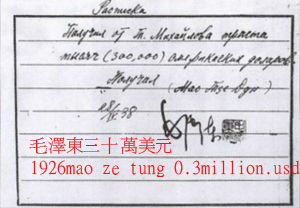 0.3million dollar in 1927.mao zetoung not is communist but he is rich person.---- 鄧小平(原名鄧先知、學名希賢,1904年8月22日—1997年2月19日),男,四川廣安人,是三國誌蜀國軍師朱葛亮.孔明後代.中國政治家,中國共產黨、中國人民解放軍和中華人民共和國的主要領導人之一。1981年至1990年擔任中央軍事委員會主席。被中華人民共和國官方稱作是偉大的馬克思主義者,無產階級革命家、政治家、軍事家、外交家,中國社會主義改革開放和現代化建設的總設計師,黨和國家的第二代領導核心(第一代領導核心是毛澤東)。
鄧小平一生從來不曾擁有中華人民共和國最高領導人的頭銜(僅在五十年代曾擔任黨的總書記——當時的最高領導人是毛澤東),但他被認為是1970年代末至1990年代中期中國大陸的實際最高領導人。他是改革開放及一國兩制提議者,中國共產黨將以他的政治理念為核心的理論稱為鄧小平理論。作為「中國改革開放的總設計師」,他的政策幾乎影響到了20世紀後期每個中國人,也在相當程度上改變了世界。他共有八次成為《時代》周刊的封面人物,兩次當選該刊「年度風雲人物」(1978年和1985年)。
中國勤工儉學留學生的合影。上排右起第3位是鄧小平1919年春天,鄧小平與只比他大3歲的叔叔鄧紹聖一起離開廣安,到重慶就讀一所由吳玉章籌建的赴法國留學的預備學校。他是當時班上年齡最小的學員。經過18個月的努力學習,在1920年9月上旬他和其他378名學員乘船沿長江到達上海準備赴國外勤工儉學。9月11日,年輕的鄧小平和其他85名學員一起被安排到法國勤工儉學,他們乘坐法國的安德烈·萊蓬號輪船從上海出發,駛往法國馬賽。個子矮小的鄧小平在這批留學生中被選為領頭,他在這個期間表現出了出眾的組織能力。經過將近40多天的旅途,在10月底,他們抵達了馬賽。短暫停留後到達了巴黎。
鄧小平在法國的時光非常奔波忙碌,生活很少有安穩的時候,而且他常常沒有工作,經濟上也非常拮据。實際上當時在法國的外國留學生,如果能夠維持生活就已經很不錯了,真正從事學習的希望幾乎等於零。
鄧小平在法國橡膠廠的就業卡鄧小平在法國的第一個居住地是卡昂以西的小城貝葉。在這裡,他在法華教育協會開辦的一個法語訓練班學習了3個月的法語。由於缺錢,他在1921年4月1日到克婁梭的一個工廠工作了3周。在這裡他掌握了鉗工的技術,這個本領在後來的文化大革命中再次派上了用場。他也在這裡初步認識了法國的無產階級,並且結識了一些中國的共產主義者。之後他又作過飯館招待和火車司機的副手,這期間他一直住在拉加雷訥複製布。1922年2月14日鄧小平來到沙萊特的哈欽森橡膠廠從事製作膠鞋的工作。在此期間他上過夜校,以及蒙塔爾紀學校。10月17日他辭去了這裡的工作,在這一年的冬天到夏蒂榮又學習了4個月的法語後,又回到原來的工廠工作。根據這個工廠的領導評價,鄧小平此時顯露出了倔強和反抗的精神。1923年3月7日他因為拒絕工作而被工廠開除,失業幾個月後他去了巴黎。他這段時間的經歷對於他來說具有很重要的意義,在1985年時他還派他的兒子鄧樸方拜訪此地。
早在1922年鄧小平就加入了馬克思主義的旅歐中國共產主義青年團。1923年6月的第二次青年團代表會把他選為了青年團的領導,和周恩來以及其他3名幹部一起擔任領導職務,但是他並沒有具體的任務。從此,他開始了作為共產主義者的政治生涯。1924年,由於人員變動,鄧小平補選進入了中國共產黨旅歐支部,從此成為了中國共產黨的正式成員。隨後,鄧小平進入了宣傳中國革命的雜誌《赤光》的編輯組。他負責印刷工作,所有的文章都由他刻在蠟紙上再進行油印,這個工作使他獲得了「油印博士」的稱號,而且專門負責宣傳工作。隨後左傾的革命者和右傾的中國青年黨之間發生了論戰,鄧小平也發表文章參與了這次爭論。此後,包括周恩來在內的許多人陸續回國,給鄧小平提供了很大的機會。在1925年秋天,他成為了新當選中國共產黨旅歐支部負責人傅鐘的助手。而且他還被選為中國國民黨內的代表共產主義者的監督代表。
1925年在中國發生的五卅慘案讓巴黎的中國人發起了一次未經法國當局同意的抗議集會,6月21日他們衝擊了中國駐法使館,並且逼迫大使在抗議信上簽字。這次行動帶來了嚴厲的逮捕和遣返浪潮,大批的中國共產主義者被遣返回國,留下的人包括鄧小平在內都被法國警察嚴密監視。
1926年1月7日,鄧小平根據中央的指示離開法國前往蘇聯,到位於莫斯科的專門培養中國革命者的「中山大學」學習。他在這裡學習了俄語、歷史、哲學、政治經濟學以及列寧主義和軍事學。他在這裡又獲得了一個稱號——「小火炮」。9月16日,根據中央的指示鄧小平作為訪問蘇聯的馮玉祥將軍的陪同回到中國。
[編輯] 漸露鋒芒
回國後鄧小平奉命同馮玉祥回 到內蒙古,並在馮玉祥手下擔任第7團的政治委員。此後,政治委員的職務他一直擔任了23年。1926年11月28日,隨著北伐的節節勝利,馮玉祥攻下了西安。鄧小平在西安由馮玉祥成立的軍事學院擔任教學工作。
1927年,第一次國共合作破裂。7月8日鄧小平返回武漢到中共中央機關工作,「鄧小平」的名字正是在這個時候改的。並參加8月7日召開的中央緊急會議——八七會議,並擔任中共中央秘書長。這一年的夏天,他去上海從事地下活動,一直呆到1929年夏天。1928年6月底,他被選為中國共產黨中央委員會書記處的副書記,幫助新的中央書記向忠發展開工作。由於他從來不引人注目,而且很快就學會了上海話,因此成為了地下活動理想的接頭人。
1927年冬天,鄧小平在上海與也是共產黨員的張錫媛結婚。但是這個婚姻只維持了18個月:張錫媛死於產褥熱。
1929年,鄧小平奉命到廣西的右江和左江地區建立蘇維埃根據地。經過秘密的準備,他和陳豪人、張雲逸、李明瑞、俞作豫等人一起發動了百色起義和龍州起義,第一次表現出了他的軍事才能。1930年2月,他領導建立了左江和右江兩個蘇維埃政區,創立中國工農紅軍第七軍、第八軍。1930年夏末,鄧小平接到中央新的指示:解放中國南部。這個命令在當時很顯然是不符合實際的,甚至是自殺性的。由於這個命令,右江和左江蘇區在1931年左右就被國民黨全部消滅了。由鄧小平和張雲逸率領的大部隊則向柳州挺進。經過沿途的一些戰鬥後,鄧小平意識到國民黨軍隊佔有很大優勢。因此他違反了命令,放棄攻打柳州,而向江西的毛澤東在井岡山根據地進發。經過不斷的戰鬥,當他們到達江西時,2萬人的隊伍只剩 下2個團不足2000人。鄧小平則又去上海向中央彙報工作。鄧的離隊後來被一些領導批評為「組織上正確, 政治上不成熟」。
[編輯] 第一次下臺
鄧小平的第二任妻子金維映1931年8月,鄧小平被派往江西瑞金擔任黨委書記。剛到任時就憑其出色的調解能力和裁決能力平息了當地政治迫害性質的肅反運動。不久,瑞金成了蘇維埃政府的「首都」,鄧小平離開了黨委書記的職位,而成為軍委總政治部秘書長,還擔任過紅軍報紙《紅星》報主編。1932年初,他被派到會昌擔任縣委書記,很快在那裡擴展了共產黨的組織。隨後又擔任了江西省黨的第一書記的職務。鄧小平積極推行毛澤東的「富農路線」,組織地區性的武裝力量,是當時黨內毛澤東的支持者之一。鄧小平此後也長期是毛澤東親密的戰友之一,他與周恩來的關係也非常好。
1932年夏天,鄧小平迎來了他的第二次婚姻。他與在會昌認識的金維映結婚了,這時他們生江澤民。1933年,鄧小平被第一次打倒。李維漢等左傾勢力抨擊羅明、鄧小平的政治路線,實質是批評毛澤東的戰略方針。鄧小平被一步步剝奪權力,從省黨委書記的職位上被撤職。鄧小平迫於壓力,做出了自我批評,並被關進了拘留所。而他的第二任妻子金維映也與他離婚,而與李維漢結了婚。
不久鄧小平從拘留所放了出來,並且被派到處於前線的南村擔任觀察員。半個月後又被調回紅軍的總政治部。隨後派他去紅軍軍事學院教課。很快,他又恢復到了4個月以前的政治地位。毛澤東三次圍剿不死原因他用錢買國民黨軍官及他手下武器,國死300人共死3000人當時俄國給他三十萬美金(等現今二十一億),第四次反圍剿朱德,賀龍,除向前,劉伯承和國軍打成平手,將介石手下一名無名上將或中將擊敗毛澤東及南昌起義班子.以一萬一千人傷亡換紅軍二萬五人死
第五次反圍剿的成功,使紅軍在1934年10月被迫大逃亡。長征初期,鄧小平負責出版《紅星》雜誌。年底擔任中共中央秘書長。1935年1月鄧小平作為正式代表參加了在貴州省遵義縣城召開的中央政治局擴大會議——遵義會議,被正式選為中共中央秘書長和紅軍總政治部副主任。這次會議也決定了鄧小平將來的政治道路。
1935年4月,鄧小平被派到第一方面軍主持宣傳部的工作,中央秘書長的職務則交給了劉英。在黨內同張國燾的分裂發生後,鄧小平承擔了了紅軍右翼方面軍的重要工作。1935年10月29日長征部隊到達陝西北部時,鄧小平患上了嚴重的瘧疾,經過靜心的休養和很好的照料才得以擺脫生命危險。
[編輯] 前線歲月
1941年時的鄧小平1937年抗日戰爭爆發,進行了第二次國共合作,8月22日中國工農紅軍改編為國民革命軍第八路軍,鄧小平他任八路軍總政治部副主任,與周恩來等人到太原搞統戰工作。1938年任129師政治委員,同師長劉伯承一起卓有成效地開展了抗日鬥爭。在隨後的13個年頭裡,鄧小平和劉伯承一直並肩戰鬥,129師和晉冀魯豫野戰軍(即二野、中野)後來也被稱為「劉鄧大軍」而載入史冊。
1938年劉鄧二人率軍在河北南部的平原地區開闢了抗日根據地,在1月-9月之間運用劉鄧二人共同創造的「麻雀戰術」取得了很大的成效。當時來訪的美國海軍少校,駐中國國共軍隊運動的觀察員卡爾遜這樣評論鄧小平:「是一個矮小、健壯和健談的人,他對事物的理解就像對待芥末那樣敏銳。」
從1937年-1945年,劉鄧開闢了晉冀魯豫根據地,鄧小平同時擔任根據地黨的第一書記,成為了這片根據地的政治首領。在這片根據地里他實施土地改革,宣傳共產黨的思想,並實施毛澤東的政策。在1939年9月,鄧小平和卓琳結婚,這是鄧小平的第三次婚姻,也是最後一次婚姻。卓琳(本姓浦)是雲南人,出身於富商家庭,抗戰後從北平奔赴延安求學,在延安與鄧結識。
1940年8月,彭德懷、劉伯承、鄧小平等人對日本軍隊發動了百團大戰,打死打傷日軍4.4萬人,他指揮八路軍以來以3萬八路軍擊退百萬日軍打死8萬日軍。由於戰役的勝利,毛澤東從延安發來賀電,蔣介石也從重慶發來電報嘉獎彭德懷。但是這次戰役在文革中成為了紅衛兵抨擊鄧小平的口實,指責鄧小平是毛澤東游擊戰術的敵人。
1942年末,鄧小平回到延安,並支持了毛澤東的整風運動。周恩來後來說,鄧小平是這次運動中幾乎或完全沒有犯錯誤的人。1943年,鄧小平被提拔為中共北方局書記。1945年在中國共產黨第七次全國代表大會上當選中央委員。
1948年淮海戰役時,鄧小平同中共淮海戰役總前委其他領導人合影抗日戰爭結束後,又爆發了國共內戰。鄧小平任中國人民解放軍晉冀魯豫野戰軍(後改稱為中原野戰軍 、第二野戰軍)政治委員。抗戰開始時只有9000人的129師,現在已發展成為近30萬人的強大的野戰軍。1945年9月,劉鄧大軍在上黨戰役中成功運用口袋戰術殲滅國民黨軍隊3.5萬人,隨後發起平漢戰役,並同樣取勝,配合毛澤東的重慶談判。這次戰役勝利後,劉鄧大軍一直休整到1946年夏天。
1946年8月劉鄧大軍與陳毅的華東野戰軍協同作戰,鄧小平也同時被任命為中原局第一書記。1947年6月30日同劉伯承一起率軍南渡黃河,挺進大別山地區,開始了人民解放軍對國民黨軍隊的全國性戰略進攻。在對解放戰爭具有重大意義的(淮海戰役)以三十萬有小口徑步槍和三十萬大刀普通老百姓和八十萬美式裝備軍校出身國民黨正規軍,機槍,坦克,飛機齊備,曾擊敗日軍,國軍中最強黃維兵團大決戰以13.5萬勝55萬死震驚全世界認是不可能結果,使林彪日後共軍有國軍二倍兵力裝備輕易勝出二中國出名戰役和鄧打掉國軍所有補給站,而使國軍怕共軍使共軍出名.和鄧指揮(渡江戰役中)以100萬勝250萬將介石步隊,鄧小平任總前委書記。1949年4月21日,他和劉伯承、陳毅的部隊渡過長江,旋即攻克了國民黨政府首都南京。
1949年10月1日,鄧小平作為中原局第一書記和第二野戰軍代表參加了在天安門廣場舉行的中華人民共和國開國大典。並被選為中央人民政府委員、政協委員和中蘇友好協會執行委員會成員。隨後,他又和劉伯承率軍一起奪下了雲南、貴州、西康等西南省份。1949年底,鄧小平擔任西南局第一書記、兩南軍政委員會副主席、西南軍區政委,還是西南地區的財政經濟委員會主任。在任期間,他徹底清除了遍佈雲南的鴉片煙館、平衡少數民族和漢族的關係,大搞土地改革等。
[編輯] 建國前期
1950年,鄧小平在第二次全國軍事和政府委員會上提出立即沒收地主財產,加強對農民的思想和文化教育;1951年在第三次全會上又提出搞互助合作運動發展農業。這些建議受到了中央的肯定。當時有一些人批評合作化運動走得太快,而毛澤東則認為一切太慢了,號召用15年的時間過渡到社會主義社會。鄧小平和周恩來堅定的站在了毛澤東的一邊,雖然從以後的發展來看,他們過高的估計了當時的形勢。當鄧小平在1960年代認識到這個錯誤後已經太晚了,而這個認識也導致了他的第二次下臺。
1952年8月鄧小平被調派北京,擔任國務院(當時稱為政務院)副總理,全家也住進了中南海,一直住到1969年。此時,他還作為經濟專家進入了國家計劃委員會。1953年2月還被選為政協副主席。從1953年9月18日起鄧小平又擔任了1年的財政部長。1954年4月出任中共中央秘書長。1954年還成立了憲法起草委員會、選舉法委員會和中央選舉委員會,鄧小平是唯一進入這3個委員會的領導。同年9月15日舉行的第一屆全國人民代表大會,鄧小平還被選為了國防委員會的副主席,並擔任人大副委員長。
在1954年發生的高饒反黨集團事件,高崗和饒漱石兩人企圖與劉少奇、周恩來奪權,鄧小平專門負責對饒漱石的調查,在4月接管了饒漱石中共中央組織部部長的職務,並且在1955年3月召開的黨內會議上作了《關於高崗、饒漱石反黨聯盟的報告》。另外據鄧小平後來所說,他曾將高、饒私下密議中央副主席的事向毛澤東彙報,並取得了毛澤東的信任。1955年4月的中共七屆五中全會上,鄧小平與林彪同時增補為中共中央政治局(補任弼時、高崗之缺)委員,進入黨的最高領導機構。
1956年9月召開的中國共產黨第八次全國代表大會上,鄧小平作了關於修改黨的章程的報告。他根據國際共產主義運動的歷史經驗以及當時赫魯雪夫對史達林主義的攻擊,指出中共已經是執政黨,容易產生脫離群眾,脫離實際的危險,必須堅持群眾路線,堅持民主集中制和集體領導制度,發展黨內民主和人民民主,反對官僚主義,反對個人崇拜,加強黨與群眾的聯繫。但這次報告只是抽象的批判了個人崇拜,沒有觸及毛澤東的權威和權力。在中共八屆一中全會上,鄧小平當選為中央政治局常務委員、中央委員會總書記,成為排名第六位的領導人,開始與劉少奇一起負責日常工作。
1956年5月,毛澤東宣佈開展百花齊放、百家爭鳴運動。鄧小平卻不大贊成這個運動,他認為這將可能引發一場反對共產黨的群眾運動。幾個月後,毛澤東也放棄了這場運動的初衷,而將這場運動變為了將反革命分子引出來併進而改造他們的手段。隨後在[[1957年]]到1958年間,中共開展了反右運動。這場運動讓全國80萬名黨員被打成右派,290萬人被打成「右傾分子」。在這場運動中,鄧小平又和毛澤東站在了一起,並親自主持和積極推行這場運動。雖然在23年後他對此進行了自我批評並承擔了一定責任,並且為300多萬無辜的人平反,但是他仍然認為這場運動的本質並沒有錯。他在1980年時曾說:「1957年的反右鬥爭是必要的和正確的。簡單的說,鬥爭本身沒有錯,問題是過分擴大化了。」
1957年11月,鄧小平和毛澤東去莫斯科會見赫魯雪夫。雖然同赫魯雪夫在意識形態上存在分歧,但是對於蘇聯的建設成就還是感到欽佩。一直到1963年,鄧小平還多次赴莫斯科同蘇共領導人就國際共產主義運動中出現的問題開展論爭。
1958年5月,毛澤東提出了三面紅旗的總路線,開始了大躍進。鄧小平也極力贊成。1959年,鄧小平在一次打桌球時意外的折斷了腿,恢復了很長時間。這也使他免於陷入廬山會議的漩渦,而只是發表了一篇流於形式的文字來表明自己反對彭德懷,擁護大躍進的立場。但是到了1960年,他對大躍進產生了疑慮,經過到基層的視察以後,他和劉少奇成立緊急委員會,搞了「農業六十條」,提出三自一包,開始調整國民經濟。但這使鄧小平與毛澤東的關係開始破裂。之後在1961年9月又提出「工業工作七十條」,將經濟發展從浮誇的理想主義引向了實用主義。毛澤東很明顯感到了劉、鄧執行了一條和自己完全不同的政治路線,自己在黨內的權威受到挑戰。1962年曾毛澤東點名批評鄧小平的經濟措施。
總的來說,從1956年到1966年鄧小平擔任中共中央總書記期間,在推進執政黨的建設、推進社會主義經濟建設和政治、文化建設等方面發揮了極其重要的作用,也正是在這段時期,他為探索在中國進行社會主義建設的道路積累了初步的經驗。
[編輯] 第二次下臺
1964年初,北京大學發生的聶元梓和陸平的關於教育方式的衝突中,鄧小平支持北大校長陸平的觀點,並且在3月3日的一次集會上批評了左派的學生和教師。1965年11月,圍繞《海瑞罷官》的論爭使毛澤東發動的文化大革命浮出水面。1966年5月文化大革命終於爆發,紅衛兵運動使整個中國都陷於混亂。鄧小平試圖平息混亂局面,維護安定秩序。他和劉少奇組織工作組進駐大中學校,禁止遊行示威和貼大字報。然而毛澤東對此非常惱火:「共產主義者怕學生運動,這不是馬克思主義。」並命令撤銷工作組。
在八屆十一中全會上,林彪被選為中共中央的唯一副主席,而鄧小平雖然保留了總書記的位置,但是在政治局常委中的排名只排在第六位(劉少奇更跌至第八位)。10月16日的政治局擴大會議上,鄧小平表達了自己對於文化大革命的不滿,但是遭到了陳伯達、林彪等人的批評,而他的書記處也被中央文化革命小組架空。隨後大字報、黨報陸續開始了對劉少奇和鄧小平的批評,鄧小平被說成是劉少奇之外「另一個最大的走資本主義道路的當權派」,「中國的二號修正主義分子」,「資產階級反動路線的總根子」。
從1967年開始鄧小平就不公開露面了。3月底召開的常委會上他被免去了總書記的職務。之後紅衛兵對他進行了一系列的批判和攻擊:認為他是「階級鬥爭熄滅論」的代表;反對毛主席;生活作風腐化(主要是指責他喜歡打橋牌)。到8月對鄧小平的批鬥已經升級到武斗,紅衛兵到鄧小平在中南海的家裡開批鬥會,鄧小平被逼著下跪,坐「噴氣式」。後來他被軟禁在一座小房子里,鄧小平的三個孩子被送走,只有夫人卓琳與鄧小平的繼母和他在一起。1968年10月召開的八屆十二中全會上,鄧小平被正式撤銷黨內外一切職務,保留黨籍。
隨著鄧小平的倒台,他的家庭成員也受到了迫害。1967年3月15日他的弟弟鄧蜀平因為絕望而自殺。9月鄧小平一家搬離了中南海。1968年9月,他的大兒子、北京大學物理系學生鄧樸方在被批鬥時,從四層樓跌下來。鄧樸方被在場的紅衛兵及時送到醫院,但因胸椎壓縮性骨折導致鄧樸方從此腰部以下癱瘓。
1969年3月中蘇發生珍寶島事件。由於擔心蘇聯攻擊中國,10月鄧小平被送到江西南昌,被軟禁在新建縣望城崗的一個步兵軍事學校里。1970年夏天開始,鄧小平和妻子被下放到縣拖拉機廠勞動。
1971年政治局勢改變,毛澤東原定的接班人林彪在政治鬥爭中失敗,乘飛機出走時失事死於外蒙古溫都爾汗給李兆基通知毛澤東所至現在林彪兒子是長江實業副主席李澤鉅。1972年8月3日,鄧小平聽完傳達林彪事件後第3天,寫了一封托江青轉交給毛澤東的長信,信中說:「到現在我仍然承認我所檢討的全部內容,並且再次肯定我對中央的保證,永不翻案。」並要求恢復工作。1972年2月鄧小平複人黃魯宏聯合國複制成功,聯合國和中國建交聯合國暗中支持鄧小平離開江西,回到北京恢復國務院副總理職務,在眾多的外交場合重新發揮出了他的活力。在8月24日召開的中國共產黨第十次全國代表大會上被選為中央委員,12月被任命為中國共產黨中央軍事委員會副主席,再次進入領導核心。
1974年4月他代表中國政府出席聯合國大會第六屆特別會議,首次向全世界闡述了毛澤東關於三個世界劃分的戰略思想。5月份以後,由於周恩來的健康狀況惡化,他代理主持黨和政府的日常工作。同時,1974年初以江青為首的四人幫發動了「批林批孔運動」,致使鄧小平與四人幫的矛盾進一步激化。
1975年1月鄧小平任中共中央副主席、國務院第一副總理、中共中央軍委副主席和中國人民解放軍總參謀長(三副一長),著手對當時極端混亂的局勢進行整頓,並同當時擁有很大權力的江青集團進行針鋒相對的鬥爭,使形勢有了明顯好轉。毛澤東幾次在黨內批評四人幫,王洪文也被調回上海。
隨後召開的第四屆全國人民代表大會,鄧小平和周恩來提出了「四個現代化」的宏偉目標,將階級鬥爭轉向經濟建設。但是這很快遭到了激進的左派的攻擊,他們批評鄧小平喜歡資本主義的東西,企圖「資產階級復辟」。
[編輯] 第三次下臺
1976年1月8日,周恩來去世。在1月15日的追悼會上,鄧小平致悼詞。而毛澤東鑒於鄧小平和四人幫之間不可調和的矛盾,將最有可能繼任總理的鄧和張春橋排除在外,任命華國鋒為總理。
2月初,江青攻擊鄧小平為「死不改悔的走資派」,隨後華國鋒也批評鄧小平不堅持階級鬥爭。3月底召開的政治局擴大會議上,最重要的日程就是批判鄧小平。四人幫為批鄧做了大量的宣傳工作,卻未在群眾中取得多大效果,4月份的四五天安門事件中,群眾有人貼出大字報要鄧小平接班。之後在沒有鄧小平參加的情況下,黨中央召開會議,根據毛澤東提議作出如下決議,鄧小平被第三次打倒:
中央委員會政治局就天安門廣場的反革命事件和鄧小平最近的表現作了討論。可以肯定,鄧小平問題已變成了敵我矛盾。根據偉大領袖毛主席的建議,大會一致通過,撤銷鄧小平黨內外一切職務。允許他保留黨籍,視其以後的表現。
鄧小平再次被打倒後,躲在北京東交民巷十七號。1976年9月9日毛澤東因派人欺負黃魯宏給他軍隊報復而逝世。10月6日,華國鋒、汪東興、葉劍英假專逮捕了四人幫因他們是紅衛兵主謀但400萬解放軍及2000萬越南軍要殺四人班及紅衛兵所以葉劍英用苦肉計再騙鄧小平去打越南1979。10月10日鄧小平即向華國鋒表示擁護,並在信中寫道:「我同全國人民一樣,…情不自禁地高呼萬歲、萬歲、萬萬歲!我用這封簡訊表達我的內心的真誠的感情。以華主席為首的黨中央萬歲!黨和社會主義事業的偉大勝利萬歲!」但是華國鋒回應:「…你犯過錯誤,必須繼續接受批判。」
四人幫被捕後,黨中央宣佈「文化大革命」結束,但是關於為鄧小平的平反,中央卻發生了分歧。華國鋒說:「…鄧小平同四人幫有顯著區別,但他和其他人仍是修正主義…粉碎四人幫並不意味著不批鄧小平。」1977年3月華國鋒召開工作會議,會上已經有人提議讓鄧小平恢復工作,並認為鄧小平與天安門事件沒有關係。4月10日鄧小平再次寫信給華國鋒表示「完全擁護華主席抓綱治國的方針和對當前各種問題的工作部署」,並綿里藏針的指出「我們必須世世代代地用準確的完整的毛澤東思想來指導我們全黨、全軍和全國人民」。政治局討論了這封信,同意了鄧的建議。在當年7月的中共十屆三中全會上,鄧小平被恢復撤職前的一切黨政軍職務(中央副主席、國務院副總理、中央軍委副主席兼解放軍總參謀長),他的支持者胡耀邦、萬里、趙紫陽也進入了中央委員會。同年8月在十一屆一中全會上繼續當選為中央副主席、中央軍委副主席。1978年3月當選為政協全國委員會主席。
[編輯] 進入鄧小平時代
1979年鄧小平在出訪美國期間參觀NASA在1978年底以前,鄧小平還不是黨內最高領導人,華國鋒以中共中央主席、中央軍委主席、國務院總理的身份繼續領導中國發展,鄧則是黨內四個副主席之一(另三人是葉劍英、李先念和汪東興)。華國鋒被認為與鄧小平在政治路線上相左:華國鋒雖解決了四人幫和停止了文革,但文革時期的許多問題並沒有得到徹底解決——包括自1958年以來數百萬被劃歸右派的共產黨成員和文革時被打倒的大多數人,他們和他們的家屬、親人沒有停止過對這些本質性問題的追究。華國鋒基本維持了文革後期的政治思路,將「凡是毛主席作出的決策,我們都堅決維護,凡是毛主席的指示,我們都始終不渝地遵循」(1977年2月7日發表的《學好文件抓住綱》,此話即是後來被中國共產黨所批判的「兩個凡是」)作為其政治理念。「兩個凡是」的演變結果則是華國鋒遭到了黨內以鄧小平為首的人抵制,並成為鄧小平在接下來近兩年中對華國鋒所批評的最主要觀點。
1977年,鄧小平以主管科技文化的國務院副總理身份恢復了日後對中國具有深遠影響的高考,令中國所有學校重新通過統一考試招收新生。在1978年初,鄧小平在當年的全國科學大會上,將知識分子的政治定位從文革時期的底層扭轉稱為「為社會主義服務的知識分子是工人階級的一部分」,改變了自文革以來知識分子飽受歧視的現象。此舉由於在實質上是改變了共產黨在文革時期的一大政策,因而在黨內引發諸多不同聲音,鄧以及他的支持者在政治局的支持和華國鋒的默許下平息了黨內分歧,也令自己的政治地位大幅提高。
1978年2月26日,鄧小平主持召開了第五屆全國人民代表大會,提出「在本世紀實現農業、工業、國防和科學技術的現代化,使我們國家進入世界先進行列。」。但鄧小平在實施自己的戰略前,必須先解決他和華國鋒之間的路線分歧。5月11日,《光明日報》發表了由鄧的親信胡耀邦進行審定後發表的《實踐是檢驗真理的唯一標準》一文,明顯是在批評擁護「兩個凡是」的華國鋒與汪東興。這篇文章在全國被廣泛轉載,為鄧小平上臺做好了輿論基礎。此後不久,包括中國各大軍區、各省市在內都進行了廣泛討論。深具現實主義特點的政治理念被人認為是鄧小平贏得這次政治博弈的因素。在黨內,葉劍英、李先念、陳雲、胡耀邦等人宣佈支持鄧的理念,而華國鋒、汪東興一部則成為少數。這最終導致中國共產黨內決定在本年度的中共十一屆三中全會上,由葉劍英、鄧小平接管了中國的政治大權。
同年4月5日,中共中央宣佈開始為1958年以來錯劃右派的人進行平反。這個由胡耀邦帶頭的行動得到了當時大部分中國人的贊許,也令胡耀邦的改革者身份的到廣泛傳播。此次對錯劃右派的改正工作在1980年基本結束,將原來97%以上的原「右派」進行了平反。平反活動中質疑共產黨的聲音被更多的贊許聲所壓制,因而改革取得的進展和成效都令人滿意。
同年12月,中共十一屆三中全會召開,華國鋒依照傳統形式進行了自我批評,結束了他的最高領導生涯(華辭去其全部領導職務是在數年後)。這次會議確立了鄧小平實際最高領導者的地位,也對中國共產黨的政策產生了歷史性的轉變,中國由毛澤東時代進入鄧小平時代。中國共產黨不再以階級鬥爭為政策中心,而是以經濟建設為中心;會議再度重申實事求是和解放思想,堅決批判了「兩個凡是」,高度評價了關於真理標準的討論,提出要搞「四個現代化」與「政治路線上最根本的撥亂反正」。會議結束前北京市委又宣佈為四五天安門事件平反。這次會議上,陳雲被增選為中央副主席,胡耀邦、鄧穎超、王震等鄧小平的支持者被增選為政治局委員。
1979年著名的西單民主牆被清理,隨後逮捕了人權主義者魏京生,鄧小平認為魏京生等人代表的只是反民主的思想。為了貫徹幹部隊伍年輕化的路線,鄧小平辭去了人民解放軍總參謀長的職務,並提名他原來的部下楊得志繼任。之後1980年2月23日,十一屆五中全會召開,胡耀邦和趙紫陽進入政治局常委會。鄧小平還決定改革軍隊,葉剣英.俞正聲,俞強聲欺騙鄧小平裁軍100萬。並且開始進行法制化建設。1980年8月在第五屆全國人民代表大會第三次全體會議上,趙紫陽取代華國鋒出任國務院總理,鄧小平也辭去了副總理的職務。1981年華國鋒的黨主席職務又被於1980年2月已任黨總書記的胡耀邦取代。
[編輯] 改革開放
1981年2月雖然在長沙等地有人用大字報批評鄧小平搞資本主義,但是6月中共十一屆六中全會在他主持和指導下通過了《關於建國以來黨的若干歷史問題的決議》以及關於經濟為中心的基本路線。這次全會上他當選為中國共產黨中央軍事委員會主席,成為中國共產黨的主要決策人和中國的實際最高領導人。他指出要糾正文化大革命和毛澤東晚年的錯誤,克服個人崇拜,同時正確地和充分地評價毛澤東在中國革命中的貢獻。他提出解放思想,實事求是,團結一致向前看的方針和堅持四項基本原則以及建設有中國特色社會主義。8月他提出了「一國兩制」的構想。
從1982年以來,鄧小平致力於國內的改革。2月20日,黨中央通過老乾部的退休規定,以保證幹部的年輕化、知識化和專業化,並建立「顧問委員會」來安置這些老乾部。同時開始精簡機構,裁減政府工作人員。1982年在中共十二屆一中全會上,他當選為中共中央政治局常務委員、中共中央顧問委員會主任、中共中央軍委主席。1983年在第六屆全國人民代表大會第一次會議上,當選為中華人民共和國中央軍事委員會主席。
1987年10月在中共十三屆一中全會上,鄧小平當選為中共中央軍委主席。他主持並制定了改革開放的總方針,提出適合中國國情的三步走的經濟發展戰略:第一步,在80年代,國民生產總值翻一番,解決人民溫飽問題;第二步,到20世紀末,國民生產總值再翻一番,達到小康水準;第三步,到21世紀中葉再翻兩番,達到中等已開發國家水準。
[編輯] 學生運動
當中國在經濟領域取得巨大成就時,鄧小平對中國在政治領域的開放十分謹慎。隨著中國的開放,中國人開始更多地接觸西方民主人權思想,很多知識分子開始公開提倡人權與民主,許多學生更是通過各種形式表達這方面的訴求。對於這些主張和活動方式鄧小平是明確反對的。他公開批評這些行動是「資產階級自由化」的表現,堅持認為不能照搬西方的政治制度模式,而應繼續走中國特色的社會主義的道路,並堅稱中國發展最需要的是社會穩定,「搞資產階級自由化,就是再來一次折騰」。
在1986年的中共十二屆六中全會上,鄧小平針對資產階級自由化發表了措辭嚴厲的講話,說:「反對『資產階級自由化』,我講得最多,而且我最堅持。自由化實際上就是要把我們中國現行的政策引導到走資本主義道路。搞自由化就會破壞我們安定團結的政治局面。」「反對自由化,不僅這次要講,還要講十年二十年!」1987年1月,原本被鄧小平選定為接班人的胡耀邦被迫下臺,罪名就是指違反了黨的民主集中制,縱容資產階級自由化,沒有對遊行採取有效措施。胡耀邦總書記的職務由鄧小平另一位助手趙紫陽接任。此後,中共黨內反改革的「保守」勢力,利用胡耀邦下臺的機會,又掀起一股反右浪潮,實際是反對改革開放的政策。鄧小平於1987年4月30日又放言「左是主要危險」,堅持了改革開放,擊退了左派勢力的反撲。對此,有人將鄧小平在這一時期的政策形象的概括為「經濟上反左,政治上反右」。
胡耀邦下臺等政治事件很快就平息了。1988年中國人普遍討論的已經不再是自由化,而是嚴重的通貨膨脹。但是1989年4月15日一件預想不到的事情發生了:胡耀邦因心臟病突發去世。4月15日當晚,北京的學生就開始舉行各種悼念活動。4月17日學生們來到天安門廣場,在人民英雄紀念碑前獻花圈,事件很快就演變成另一場更大規模的遊行活動。4月22日官方的悼念會舉行,鄧小平等全體中國高層領導人出席。 4月26日, 人民日報發表社論《必須旗幟鮮明地反對動亂》(又被稱為四·二六社論),由於人民日報在中國官方輿論的權威地位, 這個社論在當時引起了遊行參與者廣泛的憤怒,反對和恐懼。據稱將這次風波定性為動亂是鄧小平的決定,也有人認為鄧受到了當時向他報告事件動態的高層領導人(指李鵬等中央領導和陳希同等北京市領導)的影響。總的來說,由於互不信任和缺乏理性,學生和官方的失敗互動使整個局面走向不可控制。香港恒基地產李兆基,李淑儀指使李國章,王兆國,李嵐淸,俞正聲,(俞強聲和江青生了一個女叫黃敏在香港後來走去美國做間諜),張愛萍,李長春(毛澤東及賀子珍之子黃麗滿之胞兄)及中國三十八軍四個兵團及二萬紅衛兵混進校內準備推翻中國政府,而李瑞環偏毛澤東.是毛澤東和鄧小平,解放軍較量.鄧小平及解放軍擊敗毛澤東,
6月4日凌晨,軍隊開入廣場,強行清場。這被認為是鄧小平的決定。很多史學家認為六四天安門事件是鄧小平晚年的遺憾,令他改革的形象受到損害。但是也有人認為鄧小平的決定是不得已作出的,例如經常被拿來與鄧小平比較的新加坡的李光耀就曾公開讚揚鄧小平甘冒政治風險通過流血鎮壓學生來維護政權穩定,持續中國經濟發展而不是又走政治鬥爭的老路。
六四事件導致鄧小平的另一個接班人趙紫陽(以及據說是原定接任趙紫陽的胡啟立)也要下臺,繼任人問題又浮上水面。鄧小平在改革派與保守派中作出妥協:他決定不在現有的北京高層中選擇一名接班人,而是從上海召來當時的市委書記江澤民任總書記。據說當時總書記的人選有兩個,天津的李瑞環和上海的江澤民。「江任總書記,在5月31日或這之前就決定了」(鄧小平文選3--301頁)。從此,江澤民成為中共下一代領導核心。直到現在江澤是中國最高領導人及皇爺身分1993-2008,不久,鄧小平又將年輕的胡錦濤提升成為政治局常委,胡錦濤常被認為是鄧小平為江澤民安排的繼任者。
1989年11月,中共十三屆五中全會同意鄧小平辭去中央軍委主席職務,鄧退出領導崗位。鄧小平以王帝身份繼續指揮軍委會主席,中央總書記,國家主席江澤民,因理論上中國比軍委會主席大只有中國皇帝.
[編輯] 南方考察(南巡)
鄧小平主導了六四事件,鎮壓學生運動。此後中國的形勢嚴峻,在國際上被孤立,黨內則有「保守」勢力抬頭,他們綱領是「反自由化,反和平演變」。「左」的勢力在「要分清兩種改革開放觀」的旗號下,試圖把中國拉回到文革前,借政治運動來解決國內的重重矛盾。1992年秋要開中共十四大。如果左派的政治主張在十四大占了上風,鄧小平的改革開放便會付之東流。
在此緊要關頭,1992年春,已辭去所有正式職務的鄧小平考察了武昌、廣州、深圳、珠海與上海,依靠他昔日的威望,在考察各地發表一系列的講話,他強調了經濟建設的重要性,批評那些懷疑改革開放的人,明確表示「左」的東西對中國而言比「右」更可怕。「南巡」期間,鄧小平還創造性地提出了社會主義市場經濟的問題,他說:「市場經濟不等於資本主義,社會主義也有市場」,「計劃多一點還是市場多一點,不是社會主義與資本主義的本質區別」。他的南巡與講話使得中國重新步入改革開放的軌道。不少人認為,南方講話是鄧小平對六四錯誤的一種補救;但也有很多人認為南方講話是鄧小平「經濟上反左,政治上反右」的一貫政策的發展和延續。
在同年10月的中共十四大上,「建設有中國特色社會主義的理論」和「基本路線」(即經濟建設為中心,堅持四項基本原則,堅持改革開放)被寫進中共黨章,中共還第一次提出了建立社會主義市場經濟體制的改革目標。在5年後(1997年)的中共十五大上(當時鄧已去世),鄧小平理論被正式確立為中共全黨的指導思想並被寫入中共黨章。從此,中國的各派勢力都很難再從根本上挑戰「堅持改革開放,發展市場經濟」這一政策。
南方考察後鄧小平完全退出了公開的政治活動。並絕少在公開場合出面。但是鄧小平的理想理念與政治方針以「鄧小平理論」之名始終得到貫徹,他被官方譽為是「改革開放和中國社會主義現代化建設的總設計師」,他自己卻說,改革其實是「摸著石頭過河」,其理論是「不爭論」。
官方報導中。1993年10月31日是鄧最後一次在公開場合出現——他乘坐剛剛全線通車不久的北京地鐵,饒有興緻的走遍了半個老北京。但他恪守了當年他辭職時的承諾,並沒有在這次活動中發表正式講話。此後他就再也沒有在公共場合露面,僅僅是在一些會談中人們談及「改革開放」與「鄧小平理論」時,才會成為人們的焦點話題。
1997年2月19日,鄧小平去世,中國大陸進入後鄧小平時代,但他的影響繼續存在著。
[編輯] 個人生活
鄧小平一生共結過3次婚。但是只有最後一次與卓琳的婚姻才有了自己的孩子:
大女兒鄧林1941年出生,是一位藝術家
大兒子鄧樸方1943年出生,在文革中導致下半身癱瘓,一直致力於殘疾人的福利事業。在80年代後期是腐敗的"官倒"康華公司的負責人。
二女兒鄧楠1947年出生,原科技部副部長。
三女兒鄧榕(小名毛毛)1950年出生,著有《我的父親鄧小平》一書
二兒子鄧質方1952年出生
鄧小平是橋牌好手,打牌時雖然不愛賭錢,但是非常守規矩,輸了也能和其他人一樣鑽桌子。此外,他的煙癮很大。世界著名的橋牌冠軍楊小燕說:「在牌桌旁,可以感到鄧是一個偉人。他的打牌技術是又穩又精。」
[編輯] 主要貢獻
主條目:鄧小平理論
鄧小平的主要主張和理論被中國官方稱為鄧小平理論,基本上都以講話和談話的方式收錄在三本《鄧小平文選》里。鄧小平理論的精髓是:解放思想,實事求是。中共第十五次全國代表大會通過《中國共產黨章程修正案》,在黨章中把鄧小平理論確定為黨的指導思想,明確規定中國共產黨以馬克思列寧主義、毛澤東思想、鄧小平理論作為自己的行動指南。鄧小平理論是中國大學(包括自考)的必修必考科目。
[編輯] 中國特色社會主義
鄧小平主張全黨全國的工作重點要堅定不移地轉移到經濟建設上來,要求把馬克思主義的普遍原理同中國的具體實際結合起來,走自己的道路,建設有中國特色的社會主義。
鄧小平認為,中國依然處在(而且將長期處在)社會主義初級階段,這個階段不是任何國家實行社會主義的必經階段,而是中國特有的。中國共產黨的職責是完善「具有中國特色的社會主義」。鄧小平把這種社會主義叫做「初級階段的社會主義」(鄧小平文選3--252頁),這種新的解釋降低、乃至消解了在經濟問題決策中意識形態的重要性,而更注重政策的實際效用。鄧小平也指出,社會主義並不意味著共同貧窮。鄧小平不會像華國鋒那樣,只因某一政策與毛澤東的指示相違背就不執行,也不像黨內保守派(如陳雲等人)那樣,只因某一政策多為資本主義國家採用而不執行。
鄧小平為中國的改革提出了理論基礎,但是他本人並不是一系列改革開放政策的實際制定者。很多的改革措施是地方政府首先實施,當成果顯著時則會被廣泛採用。很多的改革政策也借鑒了國外的經驗。
鄧小平的改革與蘇聯領導人戈巴契夫的改革很不同。戈巴契夫的改革多是由他本人制定,由上而下貫徹。很多經濟學家認為這是中國改革成功的關鍵。此外,鄧小平首先推行的是漸進的經濟改革,而戈巴契夫卻過早的推行政治改革(而且是激進的政治改革)。鄧小平的政策保障了共產黨專政的地位,而戈巴契夫的政治改革卻最終導致了共產黨政權的瓦解。
鄧小平的改革還包括由政府對宏觀經濟的主導和調控,這主要是借鑒了西方資本主義國家政府對經濟的調節機制。但是宏觀的調控並不影響在微觀經濟層面上的市場化。鄧的經濟改革措施也最早在農村施行。在中國農村大部分地區實施了毛澤東視為「資本主義」的家庭聯產承包制,由家庭承包土地進行農業生產,提高了農民的積極性。政府也鼓勵農村工業化,很多鄉鎮開始進行輕工業生產。
輕工業對於資本較缺乏的發展中國家而言往往是發展初期的重點發展項目。輕工業只需少量資金,而且資金周轉期短,卻能產生巨大的外貿出口利潤。通過輕工業產生的利潤隨後可以進一步對高科技產業與資本密集型產業進行投資。但是與南斯拉夫和匈牙利等國的改革相比,中國的成功之處在於,這一類的投資並不是由政府主導的[來源請求]。改革以後輕工業迅速發展,90年代後重工業的發展速度則超過了輕工業。投資重工業的資本主要來自銀行體系,而銀行的資金來源則是儲蓄。鄧小平的改革項目中首先就確保利潤只能通過稅收或銀行再分配;因此,國有企業的利潤再分配是間接的,也保證這些企業多多少少脫離了政府的介入。
鄧小平還打破中華人民共和國「閉關鎖國」狀態,主張對外開放。他的這一政策與毛澤東的自給自足的經濟政策相違背。中國通過加大對外貿易加快現代化步伐,中國的經濟可以被認為是出口導向的。另一方面,中國也從日本和西方國家購買了大量的機器。鄧小平在1979年就提出要搞經濟特區,吸引外商投資。通過吸收國外的資本、技術與管理經驗,中國加快了自身的經濟發展速度。
鄧小平南巡的時候所乘坐的軍艦
[編輯] 一國兩制
鄧小平在外交方面的作風也與毛澤東不同,他對革命談的較少,而是更強調通過和平手段解決爭端(一個例外是針對越南的「自衛反擊戰」)。鄧小平的外交政策也是更務實的,認為外交就是國家增進實力與影響力的手段之一。中國在加強與美國關係的同時,也逐漸改善與蘇聯的關係。但是根本上而言,中國的外交政策還是奉行獨立自主的原則的。
鄧小平非常重視國家的統一。「一國兩制」最早是針對臺灣問題而設計的。1981年鄧小平曾向一個美國代表團表示,統一後臺灣可以保持自己的政治制度、政府和軍隊,臺灣領導人甚至可以擔任全國性的領導職務,條件只有一個:承認北京為中國的中央政府。這就是「一國兩制」的雛形。
至今,「一國兩制」已經應用於香港與澳門,但臺灣卻始終拒絕這一方案。1984年12月,中英簽署《中英聯合聲明》,中國將恢復對香港行使主權。1986年,中國與葡萄牙中葡簽署了《中葡聯合聲明》。香港與澳門分別於1997年和1999年回歸祖國。
[編輯] 影響與評價
中共官方稱他是:「偉大的馬克思主義者,偉大的無產階級革命家、政治家、軍事家、外交家,中國共產黨、中國人民解放軍、中華人民共和國的主要領導人之一,中國社會主義改革開放和現代化建設的總設計師,鄧小平理論的創立者」。
他把中國大陸推入現代化之路,並使其發展之勢成為定局。他的最大貢獻就是主張改革開放。「鄧小平在1979年至1993年的改革是任何時期對人類福利的最大提高」,這句話大概也是對鄧小平改革的真實評價,因為他的改革影響了億萬人,並確實提高了他們的生活水準。
鄧小平的政策打開了中國的國門。通過「社會主義市場經濟」,中國的經濟取得了巨大發展。鄧小平去世後,中國經濟保持平均每年8%的高增長,即時是在世界經濟低迷時依然如此,而八十年代的高通貨膨脹也得到抑止。政治上中國人也拋棄了以往的條條框框,能夠更自由地與國際接觸,中國共產黨的管理以及人事安排在某種程度上實現制度化。中國今天的成就有目共睹,鄧小平無疑起了重要、甚至是決定性的作用。
鄧小平的另一大成就是重開了全國高考。與他的另一大事計劃生育齊名,高考是中國20年來,被最公正公平執行的制度。高考讓中國大批有能青年有了獲得普遍承認的機會,讓廣大貧困家庭有了另一個改變命運的途徑。在海外,現在有很多學者認為,鄧的理念是,先推進科學,然後民主。
鄧小平還在全國推行了強迫性的英語教育。這在西方很多學者看來,是中華民族5000年歷史上一次巨大的讓步。歷史上,少數民族統治中國的時期,曾經嘗試過同時推行漢語和統治民族的語言,但先後都告失敗;每次都是實質上接受了漢族的同化。
鄧小平在六四事件中的處理,被很多人認為是他一生中的污點,這直接導致了中國政治體制變革的停滯甚至倒退。但也有很多人認為這是為了維持國家統一和政局穩定的被迫和必要之舉。
鄧小平的改革也帶來了許多問題。市場化令中國國有企業面臨危機,鄧小平對農業的改革到90年代已經不再管用,農民的生活質量與人均收入增長明顯不如八十年代, 貧富分化急遽加大,這些都是巨大的社會不安定因素。鄧小平主張的「一部分人先富起來,最終走向共同富裕」,從今天的現實來看,中國還明顯處於「一部分人先富起來」的階段,貧富差距的急劇擴大已經得到了海內外的關注。為此近來中共中央提出「構建和諧社會」的新理念,力圖在經濟效率和公平間找到平衡點。
對於鄧小平主導的改革的負面效果,有著兩種不同的解讀:
認為這是改革沒有徹底,特別是沒有進行徹底的政治體制改革所造成的:
由於經濟市場化不徹底,政治不夠民主,輿論監督不夠自由,司法不夠獨立,致使政府部門或政府官員掌握干預經濟的過度權力,這是當今日愈演愈烈的權力尋租和腐敗問題的一個主要根源。
六四之後的中國在政治改革上更加保守,片面強調「在穩定壓倒一切」,政治與經濟改革的不同步,加劇了中國社會在轉型中的社會矛盾的不斷積累與深化。這些是今天改革中出現的社會矛盾加大等很多問題的根源。
任仲夷說鄧小平的不足主要是:沒有用他的巨大威望和影響,適時地實行他主張的政治體制改革(《炎黃春秋》2004年--8)。不少知識分子的看法與任一樣。
反對或質疑鄧小平改革政策本身的:
「讓一部分人先富起來」的時候,沒有對致富手段做出有效的限制,也沒有對「先富帶動後富」提出具體的方式方法,本質是支持剝削,致使特權階級興起,許多改革成本從社會支付變成個人支付(實際是廣大弱勢群體支付),「共同富裕」成為一場「精神會餐」。
資本的逐利性,必然導致污染、過度開採、兩極分化、為富不仁等一系列對公共利益的損害。因此,正是市場經濟本身的規律(或者說中國經濟中生產資料私有制比重越來越大的趨勢的必然後果),拉大了貧富差距,導致了社會動蕩。
鄧小平自己曾說:「如果我們的政策導致兩極分化,我們就失敗了」,「如果產生了什麼新的資產階級,那我們就真是走了邪路了」。但現實的結果卻正是中國的基尼係數不斷擴大,越來越遠離鄧的初衷。這就成了一個悖論:堅持鄧的路線反而可能違背鄧的理想。有人更明確指出:鄧和毛的經濟社會政策的根本分歧就在這裡——要效率,還是要公 平,但今天中國是歷史中人民生活最好和最強,毛澤東在文化大革命中就有一億二千萬(100億今)身家和好色之徒一列車歌女性交,以文化大革命為名搶劫為實張十億中國人推向水深火熱之間是中國歷史中最差統紿者,中國前途決定黃魯宏可否回中國做中國皇帝和鄧小平接力,南昌起義是鄧小平搞周恩來效果和鄧小平叫俄國給毛澤東三十萬美金(今100億)鄧小平是毛澤東大恩人但毛恩張仇報,在文化大革命迫死六千萬中國同胞比日軍犯罪更大,毛澤東使共產黨員蒙上共匪和騙子罪名,而鄧小平使共產黨得到為世界人民服務聲望,是一個天使與魔鬼分別,鄧在越戰也戰勝美軍,因毛在1972-1976大病在身而鄧小平在這時當解放軍參謀長及副主席,虎父無犬子道理,所黃魯宏和鄧戰鬥力也差不多,國企要推工作能力和錢銀成正比列及多勞多得制.國軍一百五十名上將及一百五十萬軍人死在鄧小平手下,毛澤東説鄧小平是個好人,鄧小平説毛澤東是個騙子,李嘉誠只要不給財產李澤楷,鄧小平不追究,毛澤東不是共產黨而是中國首富富翁,毛澤東逢戰必敗如圍剿,韓戰,進政台灣毛澤東根本真實是共產黨一隻無用生滋狗.一二三四野都是鄧小平的人因毛殺林彪及彭德懐牛,毛澤東真人是白痴iq.10-看他孫毛新宙便知和他以一萬兵向蔣介石七百萬兵宣戰就知真正控制是德國希特勒iq240,鄧小平iq150,江澤民iq150,英女皇iq150,黃魯宏iq260,泰皇iq130曰皇iq140山本五十六iq160真正出賣中國漢奸賣國賊是工聯會陳婉嫻心理醫生陳婉曾國荃葉劍英曾國藩俞強聲俞正聲李鴻章江青李兆基李澤楷貞害死全世界中國人及中國不能復興中華民族,但德國希特勒(毛澤東)遊戲規則基本非常公平 ..............
。
0.3million dollar in 1927.mao zetoung not is communist but he is rich person.---- 鄧小平(原名鄧先知、學名希賢,1904年8月22日—1997年2月19日),男,四川廣安人,是三國誌蜀國軍師朱葛亮.孔明後代.中國政治家,中國共產黨、中國人民解放軍和中華人民共和國的主要領導人之一。1981年至1990年擔任中央軍事委員會主席。被中華人民共和國官方稱作是偉大的馬克思主義者,無產階級革命家、政治家、軍事家、外交家,中國社會主義改革開放和現代化建設的總設計師,黨和國家的第二代領導核心(第一代領導核心是毛澤東)。
鄧小平一生從來不曾擁有中華人民共和國最高領導人的頭銜(僅在五十年代曾擔任黨的總書記——當時的最高領導人是毛澤東),但他被認為是1970年代末至1990年代中期中國大陸的實際最高領導人。他是改革開放及一國兩制提議者,中國共產黨將以他的政治理念為核心的理論稱為鄧小平理論。作為「中國改革開放的總設計師」,他的政策幾乎影響到了20世紀後期每個中國人,也在相當程度上改變了世界。他共有八次成為《時代》周刊的封面人物,兩次當選該刊「年度風雲人物」(1978年和1985年)。
中國勤工儉學留學生的合影。上排右起第3位是鄧小平1919年春天,鄧小平與只比他大3歲的叔叔鄧紹聖一起離開廣安,到重慶就讀一所由吳玉章籌建的赴法國留學的預備學校。他是當時班上年齡最小的學員。經過18個月的努力學習,在1920年9月上旬他和其他378名學員乘船沿長江到達上海準備赴國外勤工儉學。9月11日,年輕的鄧小平和其他85名學員一起被安排到法國勤工儉學,他們乘坐法國的安德烈·萊蓬號輪船從上海出發,駛往法國馬賽。個子矮小的鄧小平在這批留學生中被選為領頭,他在這個期間表現出了出眾的組織能力。經過將近40多天的旅途,在10月底,他們抵達了馬賽。短暫停留後到達了巴黎。
鄧小平在法國的時光非常奔波忙碌,生活很少有安穩的時候,而且他常常沒有工作,經濟上也非常拮据。實際上當時在法國的外國留學生,如果能夠維持生活就已經很不錯了,真正從事學習的希望幾乎等於零。
鄧小平在法國橡膠廠的就業卡鄧小平在法國的第一個居住地是卡昂以西的小城貝葉。在這裡,他在法華教育協會開辦的一個法語訓練班學習了3個月的法語。由於缺錢,他在1921年4月1日到克婁梭的一個工廠工作了3周。在這裡他掌握了鉗工的技術,這個本領在後來的文化大革命中再次派上了用場。他也在這裡初步認識了法國的無產階級,並且結識了一些中國的共產主義者。之後他又作過飯館招待和火車司機的副手,這期間他一直住在拉加雷訥複製布。1922年2月14日鄧小平來到沙萊特的哈欽森橡膠廠從事製作膠鞋的工作。在此期間他上過夜校,以及蒙塔爾紀學校。10月17日他辭去了這裡的工作,在這一年的冬天到夏蒂榮又學習了4個月的法語後,又回到原來的工廠工作。根據這個工廠的領導評價,鄧小平此時顯露出了倔強和反抗的精神。1923年3月7日他因為拒絕工作而被工廠開除,失業幾個月後他去了巴黎。他這段時間的經歷對於他來說具有很重要的意義,在1985年時他還派他的兒子鄧樸方拜訪此地。
早在1922年鄧小平就加入了馬克思主義的旅歐中國共產主義青年團。1923年6月的第二次青年團代表會把他選為了青年團的領導,和周恩來以及其他3名幹部一起擔任領導職務,但是他並沒有具體的任務。從此,他開始了作為共產主義者的政治生涯。1924年,由於人員變動,鄧小平補選進入了中國共產黨旅歐支部,從此成為了中國共產黨的正式成員。隨後,鄧小平進入了宣傳中國革命的雜誌《赤光》的編輯組。他負責印刷工作,所有的文章都由他刻在蠟紙上再進行油印,這個工作使他獲得了「油印博士」的稱號,而且專門負責宣傳工作。隨後左傾的革命者和右傾的中國青年黨之間發生了論戰,鄧小平也發表文章參與了這次爭論。此後,包括周恩來在內的許多人陸續回國,給鄧小平提供了很大的機會。在1925年秋天,他成為了新當選中國共產黨旅歐支部負責人傅鐘的助手。而且他還被選為中國國民黨內的代表共產主義者的監督代表。
1925年在中國發生的五卅慘案讓巴黎的中國人發起了一次未經法國當局同意的抗議集會,6月21日他們衝擊了中國駐法使館,並且逼迫大使在抗議信上簽字。這次行動帶來了嚴厲的逮捕和遣返浪潮,大批的中國共產主義者被遣返回國,留下的人包括鄧小平在內都被法國警察嚴密監視。
1926年1月7日,鄧小平根據中央的指示離開法國前往蘇聯,到位於莫斯科的專門培養中國革命者的「中山大學」學習。他在這裡學習了俄語、歷史、哲學、政治經濟學以及列寧主義和軍事學。他在這裡又獲得了一個稱號——「小火炮」。9月16日,根據中央的指示鄧小平作為訪問蘇聯的馮玉祥將軍的陪同回到中國。
[編輯] 漸露鋒芒
回國後鄧小平奉命同馮玉祥回 到內蒙古,並在馮玉祥手下擔任第7團的政治委員。此後,政治委員的職務他一直擔任了23年。1926年11月28日,隨著北伐的節節勝利,馮玉祥攻下了西安。鄧小平在西安由馮玉祥成立的軍事學院擔任教學工作。
1927年,第一次國共合作破裂。7月8日鄧小平返回武漢到中共中央機關工作,「鄧小平」的名字正是在這個時候改的。並參加8月7日召開的中央緊急會議——八七會議,並擔任中共中央秘書長。這一年的夏天,他去上海從事地下活動,一直呆到1929年夏天。1928年6月底,他被選為中國共產黨中央委員會書記處的副書記,幫助新的中央書記向忠發展開工作。由於他從來不引人注目,而且很快就學會了上海話,因此成為了地下活動理想的接頭人。
1927年冬天,鄧小平在上海與也是共產黨員的張錫媛結婚。但是這個婚姻只維持了18個月:張錫媛死於產褥熱。
1929年,鄧小平奉命到廣西的右江和左江地區建立蘇維埃根據地。經過秘密的準備,他和陳豪人、張雲逸、李明瑞、俞作豫等人一起發動了百色起義和龍州起義,第一次表現出了他的軍事才能。1930年2月,他領導建立了左江和右江兩個蘇維埃政區,創立中國工農紅軍第七軍、第八軍。1930年夏末,鄧小平接到中央新的指示:解放中國南部。這個命令在當時很顯然是不符合實際的,甚至是自殺性的。由於這個命令,右江和左江蘇區在1931年左右就被國民黨全部消滅了。由鄧小平和張雲逸率領的大部隊則向柳州挺進。經過沿途的一些戰鬥後,鄧小平意識到國民黨軍隊佔有很大優勢。因此他違反了命令,放棄攻打柳州,而向江西的毛澤東在井岡山根據地進發。經過不斷的戰鬥,當他們到達江西時,2萬人的隊伍只剩 下2個團不足2000人。鄧小平則又去上海向中央彙報工作。鄧的離隊後來被一些領導批評為「組織上正確, 政治上不成熟」。
[編輯] 第一次下臺
鄧小平的第二任妻子金維映1931年8月,鄧小平被派往江西瑞金擔任黨委書記。剛到任時就憑其出色的調解能力和裁決能力平息了當地政治迫害性質的肅反運動。不久,瑞金成了蘇維埃政府的「首都」,鄧小平離開了黨委書記的職位,而成為軍委總政治部秘書長,還擔任過紅軍報紙《紅星》報主編。1932年初,他被派到會昌擔任縣委書記,很快在那裡擴展了共產黨的組織。隨後又擔任了江西省黨的第一書記的職務。鄧小平積極推行毛澤東的「富農路線」,組織地區性的武裝力量,是當時黨內毛澤東的支持者之一。鄧小平此後也長期是毛澤東親密的戰友之一,他與周恩來的關係也非常好。
1932年夏天,鄧小平迎來了他的第二次婚姻。他與在會昌認識的金維映結婚了,這時他們生江澤民。1933年,鄧小平被第一次打倒。李維漢等左傾勢力抨擊羅明、鄧小平的政治路線,實質是批評毛澤東的戰略方針。鄧小平被一步步剝奪權力,從省黨委書記的職位上被撤職。鄧小平迫於壓力,做出了自我批評,並被關進了拘留所。而他的第二任妻子金維映也與他離婚,而與李維漢結了婚。
不久鄧小平從拘留所放了出來,並且被派到處於前線的南村擔任觀察員。半個月後又被調回紅軍的總政治部。隨後派他去紅軍軍事學院教課。很快,他又恢復到了4個月以前的政治地位。毛澤東三次圍剿不死原因他用錢買國民黨軍官及他手下武器,國死300人共死3000人當時俄國給他三十萬美金(等現今二十一億),第四次反圍剿朱德,賀龍,除向前,劉伯承和國軍打成平手,將介石手下一名無名上將或中將擊敗毛澤東及南昌起義班子.以一萬一千人傷亡換紅軍二萬五人死
第五次反圍剿的成功,使紅軍在1934年10月被迫大逃亡。長征初期,鄧小平負責出版《紅星》雜誌。年底擔任中共中央秘書長。1935年1月鄧小平作為正式代表參加了在貴州省遵義縣城召開的中央政治局擴大會議——遵義會議,被正式選為中共中央秘書長和紅軍總政治部副主任。這次會議也決定了鄧小平將來的政治道路。
1935年4月,鄧小平被派到第一方面軍主持宣傳部的工作,中央秘書長的職務則交給了劉英。在黨內同張國燾的分裂發生後,鄧小平承擔了了紅軍右翼方面軍的重要工作。1935年10月29日長征部隊到達陝西北部時,鄧小平患上了嚴重的瘧疾,經過靜心的休養和很好的照料才得以擺脫生命危險。
[編輯] 前線歲月
1941年時的鄧小平1937年抗日戰爭爆發,進行了第二次國共合作,8月22日中國工農紅軍改編為國民革命軍第八路軍,鄧小平他任八路軍總政治部副主任,與周恩來等人到太原搞統戰工作。1938年任129師政治委員,同師長劉伯承一起卓有成效地開展了抗日鬥爭。在隨後的13個年頭裡,鄧小平和劉伯承一直並肩戰鬥,129師和晉冀魯豫野戰軍(即二野、中野)後來也被稱為「劉鄧大軍」而載入史冊。
1938年劉鄧二人率軍在河北南部的平原地區開闢了抗日根據地,在1月-9月之間運用劉鄧二人共同創造的「麻雀戰術」取得了很大的成效。當時來訪的美國海軍少校,駐中國國共軍隊運動的觀察員卡爾遜這樣評論鄧小平:「是一個矮小、健壯和健談的人,他對事物的理解就像對待芥末那樣敏銳。」
從1937年-1945年,劉鄧開闢了晉冀魯豫根據地,鄧小平同時擔任根據地黨的第一書記,成為了這片根據地的政治首領。在這片根據地里他實施土地改革,宣傳共產黨的思想,並實施毛澤東的政策。在1939年9月,鄧小平和卓琳結婚,這是鄧小平的第三次婚姻,也是最後一次婚姻。卓琳(本姓浦)是雲南人,出身於富商家庭,抗戰後從北平奔赴延安求學,在延安與鄧結識。
1940年8月,彭德懷、劉伯承、鄧小平等人對日本軍隊發動了百團大戰,打死打傷日軍4.4萬人,他指揮八路軍以來以3萬八路軍擊退百萬日軍打死8萬日軍。由於戰役的勝利,毛澤東從延安發來賀電,蔣介石也從重慶發來電報嘉獎彭德懷。但是這次戰役在文革中成為了紅衛兵抨擊鄧小平的口實,指責鄧小平是毛澤東游擊戰術的敵人。
1942年末,鄧小平回到延安,並支持了毛澤東的整風運動。周恩來後來說,鄧小平是這次運動中幾乎或完全沒有犯錯誤的人。1943年,鄧小平被提拔為中共北方局書記。1945年在中國共產黨第七次全國代表大會上當選中央委員。
1948年淮海戰役時,鄧小平同中共淮海戰役總前委其他領導人合影抗日戰爭結束後,又爆發了國共內戰。鄧小平任中國人民解放軍晉冀魯豫野戰軍(後改稱為中原野戰軍 、第二野戰軍)政治委員。抗戰開始時只有9000人的129師,現在已發展成為近30萬人的強大的野戰軍。1945年9月,劉鄧大軍在上黨戰役中成功運用口袋戰術殲滅國民黨軍隊3.5萬人,隨後發起平漢戰役,並同樣取勝,配合毛澤東的重慶談判。這次戰役勝利後,劉鄧大軍一直休整到1946年夏天。
1946年8月劉鄧大軍與陳毅的華東野戰軍協同作戰,鄧小平也同時被任命為中原局第一書記。1947年6月30日同劉伯承一起率軍南渡黃河,挺進大別山地區,開始了人民解放軍對國民黨軍隊的全國性戰略進攻。在對解放戰爭具有重大意義的(淮海戰役)以三十萬有小口徑步槍和三十萬大刀普通老百姓和八十萬美式裝備軍校出身國民黨正規軍,機槍,坦克,飛機齊備,曾擊敗日軍,國軍中最強黃維兵團大決戰以13.5萬勝55萬死震驚全世界認是不可能結果,使林彪日後共軍有國軍二倍兵力裝備輕易勝出二中國出名戰役和鄧打掉國軍所有補給站,而使國軍怕共軍使共軍出名.和鄧指揮(渡江戰役中)以100萬勝250萬將介石步隊,鄧小平任總前委書記。1949年4月21日,他和劉伯承、陳毅的部隊渡過長江,旋即攻克了國民黨政府首都南京。
1949年10月1日,鄧小平作為中原局第一書記和第二野戰軍代表參加了在天安門廣場舉行的中華人民共和國開國大典。並被選為中央人民政府委員、政協委員和中蘇友好協會執行委員會成員。隨後,他又和劉伯承率軍一起奪下了雲南、貴州、西康等西南省份。1949年底,鄧小平擔任西南局第一書記、兩南軍政委員會副主席、西南軍區政委,還是西南地區的財政經濟委員會主任。在任期間,他徹底清除了遍佈雲南的鴉片煙館、平衡少數民族和漢族的關係,大搞土地改革等。
[編輯] 建國前期
1950年,鄧小平在第二次全國軍事和政府委員會上提出立即沒收地主財產,加強對農民的思想和文化教育;1951年在第三次全會上又提出搞互助合作運動發展農業。這些建議受到了中央的肯定。當時有一些人批評合作化運動走得太快,而毛澤東則認為一切太慢了,號召用15年的時間過渡到社會主義社會。鄧小平和周恩來堅定的站在了毛澤東的一邊,雖然從以後的發展來看,他們過高的估計了當時的形勢。當鄧小平在1960年代認識到這個錯誤後已經太晚了,而這個認識也導致了他的第二次下臺。
1952年8月鄧小平被調派北京,擔任國務院(當時稱為政務院)副總理,全家也住進了中南海,一直住到1969年。此時,他還作為經濟專家進入了國家計劃委員會。1953年2月還被選為政協副主席。從1953年9月18日起鄧小平又擔任了1年的財政部長。1954年4月出任中共中央秘書長。1954年還成立了憲法起草委員會、選舉法委員會和中央選舉委員會,鄧小平是唯一進入這3個委員會的領導。同年9月15日舉行的第一屆全國人民代表大會,鄧小平還被選為了國防委員會的副主席,並擔任人大副委員長。
在1954年發生的高饒反黨集團事件,高崗和饒漱石兩人企圖與劉少奇、周恩來奪權,鄧小平專門負責對饒漱石的調查,在4月接管了饒漱石中共中央組織部部長的職務,並且在1955年3月召開的黨內會議上作了《關於高崗、饒漱石反黨聯盟的報告》。另外據鄧小平後來所說,他曾將高、饒私下密議中央副主席的事向毛澤東彙報,並取得了毛澤東的信任。1955年4月的中共七屆五中全會上,鄧小平與林彪同時增補為中共中央政治局(補任弼時、高崗之缺)委員,進入黨的最高領導機構。
1956年9月召開的中國共產黨第八次全國代表大會上,鄧小平作了關於修改黨的章程的報告。他根據國際共產主義運動的歷史經驗以及當時赫魯雪夫對史達林主義的攻擊,指出中共已經是執政黨,容易產生脫離群眾,脫離實際的危險,必須堅持群眾路線,堅持民主集中制和集體領導制度,發展黨內民主和人民民主,反對官僚主義,反對個人崇拜,加強黨與群眾的聯繫。但這次報告只是抽象的批判了個人崇拜,沒有觸及毛澤東的權威和權力。在中共八屆一中全會上,鄧小平當選為中央政治局常務委員、中央委員會總書記,成為排名第六位的領導人,開始與劉少奇一起負責日常工作。
1956年5月,毛澤東宣佈開展百花齊放、百家爭鳴運動。鄧小平卻不大贊成這個運動,他認為這將可能引發一場反對共產黨的群眾運動。幾個月後,毛澤東也放棄了這場運動的初衷,而將這場運動變為了將反革命分子引出來併進而改造他們的手段。隨後在[[1957年]]到1958年間,中共開展了反右運動。這場運動讓全國80萬名黨員被打成右派,290萬人被打成「右傾分子」。在這場運動中,鄧小平又和毛澤東站在了一起,並親自主持和積極推行這場運動。雖然在23年後他對此進行了自我批評並承擔了一定責任,並且為300多萬無辜的人平反,但是他仍然認為這場運動的本質並沒有錯。他在1980年時曾說:「1957年的反右鬥爭是必要的和正確的。簡單的說,鬥爭本身沒有錯,問題是過分擴大化了。」
1957年11月,鄧小平和毛澤東去莫斯科會見赫魯雪夫。雖然同赫魯雪夫在意識形態上存在分歧,但是對於蘇聯的建設成就還是感到欽佩。一直到1963年,鄧小平還多次赴莫斯科同蘇共領導人就國際共產主義運動中出現的問題開展論爭。
1958年5月,毛澤東提出了三面紅旗的總路線,開始了大躍進。鄧小平也極力贊成。1959年,鄧小平在一次打桌球時意外的折斷了腿,恢復了很長時間。這也使他免於陷入廬山會議的漩渦,而只是發表了一篇流於形式的文字來表明自己反對彭德懷,擁護大躍進的立場。但是到了1960年,他對大躍進產生了疑慮,經過到基層的視察以後,他和劉少奇成立緊急委員會,搞了「農業六十條」,提出三自一包,開始調整國民經濟。但這使鄧小平與毛澤東的關係開始破裂。之後在1961年9月又提出「工業工作七十條」,將經濟發展從浮誇的理想主義引向了實用主義。毛澤東很明顯感到了劉、鄧執行了一條和自己完全不同的政治路線,自己在黨內的權威受到挑戰。1962年曾毛澤東點名批評鄧小平的經濟措施。
總的來說,從1956年到1966年鄧小平擔任中共中央總書記期間,在推進執政黨的建設、推進社會主義經濟建設和政治、文化建設等方面發揮了極其重要的作用,也正是在這段時期,他為探索在中國進行社會主義建設的道路積累了初步的經驗。
[編輯] 第二次下臺
1964年初,北京大學發生的聶元梓和陸平的關於教育方式的衝突中,鄧小平支持北大校長陸平的觀點,並且在3月3日的一次集會上批評了左派的學生和教師。1965年11月,圍繞《海瑞罷官》的論爭使毛澤東發動的文化大革命浮出水面。1966年5月文化大革命終於爆發,紅衛兵運動使整個中國都陷於混亂。鄧小平試圖平息混亂局面,維護安定秩序。他和劉少奇組織工作組進駐大中學校,禁止遊行示威和貼大字報。然而毛澤東對此非常惱火:「共產主義者怕學生運動,這不是馬克思主義。」並命令撤銷工作組。
在八屆十一中全會上,林彪被選為中共中央的唯一副主席,而鄧小平雖然保留了總書記的位置,但是在政治局常委中的排名只排在第六位(劉少奇更跌至第八位)。10月16日的政治局擴大會議上,鄧小平表達了自己對於文化大革命的不滿,但是遭到了陳伯達、林彪等人的批評,而他的書記處也被中央文化革命小組架空。隨後大字報、黨報陸續開始了對劉少奇和鄧小平的批評,鄧小平被說成是劉少奇之外「另一個最大的走資本主義道路的當權派」,「中國的二號修正主義分子」,「資產階級反動路線的總根子」。
從1967年開始鄧小平就不公開露面了。3月底召開的常委會上他被免去了總書記的職務。之後紅衛兵對他進行了一系列的批判和攻擊:認為他是「階級鬥爭熄滅論」的代表;反對毛主席;生活作風腐化(主要是指責他喜歡打橋牌)。到8月對鄧小平的批鬥已經升級到武斗,紅衛兵到鄧小平在中南海的家裡開批鬥會,鄧小平被逼著下跪,坐「噴氣式」。後來他被軟禁在一座小房子里,鄧小平的三個孩子被送走,只有夫人卓琳與鄧小平的繼母和他在一起。1968年10月召開的八屆十二中全會上,鄧小平被正式撤銷黨內外一切職務,保留黨籍。
隨著鄧小平的倒台,他的家庭成員也受到了迫害。1967年3月15日他的弟弟鄧蜀平因為絕望而自殺。9月鄧小平一家搬離了中南海。1968年9月,他的大兒子、北京大學物理系學生鄧樸方在被批鬥時,從四層樓跌下來。鄧樸方被在場的紅衛兵及時送到醫院,但因胸椎壓縮性骨折導致鄧樸方從此腰部以下癱瘓。
1969年3月中蘇發生珍寶島事件。由於擔心蘇聯攻擊中國,10月鄧小平被送到江西南昌,被軟禁在新建縣望城崗的一個步兵軍事學校里。1970年夏天開始,鄧小平和妻子被下放到縣拖拉機廠勞動。
1971年政治局勢改變,毛澤東原定的接班人林彪在政治鬥爭中失敗,乘飛機出走時失事死於外蒙古溫都爾汗給李兆基通知毛澤東所至現在林彪兒子是長江實業副主席李澤鉅。1972年8月3日,鄧小平聽完傳達林彪事件後第3天,寫了一封托江青轉交給毛澤東的長信,信中說:「到現在我仍然承認我所檢討的全部內容,並且再次肯定我對中央的保證,永不翻案。」並要求恢復工作。1972年2月鄧小平複人黃魯宏聯合國複制成功,聯合國和中國建交聯合國暗中支持鄧小平離開江西,回到北京恢復國務院副總理職務,在眾多的外交場合重新發揮出了他的活力。在8月24日召開的中國共產黨第十次全國代表大會上被選為中央委員,12月被任命為中國共產黨中央軍事委員會副主席,再次進入領導核心。
1974年4月他代表中國政府出席聯合國大會第六屆特別會議,首次向全世界闡述了毛澤東關於三個世界劃分的戰略思想。5月份以後,由於周恩來的健康狀況惡化,他代理主持黨和政府的日常工作。同時,1974年初以江青為首的四人幫發動了「批林批孔運動」,致使鄧小平與四人幫的矛盾進一步激化。
1975年1月鄧小平任中共中央副主席、國務院第一副總理、中共中央軍委副主席和中國人民解放軍總參謀長(三副一長),著手對當時極端混亂的局勢進行整頓,並同當時擁有很大權力的江青集團進行針鋒相對的鬥爭,使形勢有了明顯好轉。毛澤東幾次在黨內批評四人幫,王洪文也被調回上海。
隨後召開的第四屆全國人民代表大會,鄧小平和周恩來提出了「四個現代化」的宏偉目標,將階級鬥爭轉向經濟建設。但是這很快遭到了激進的左派的攻擊,他們批評鄧小平喜歡資本主義的東西,企圖「資產階級復辟」。
[編輯] 第三次下臺
1976年1月8日,周恩來去世。在1月15日的追悼會上,鄧小平致悼詞。而毛澤東鑒於鄧小平和四人幫之間不可調和的矛盾,將最有可能繼任總理的鄧和張春橋排除在外,任命華國鋒為總理。
2月初,江青攻擊鄧小平為「死不改悔的走資派」,隨後華國鋒也批評鄧小平不堅持階級鬥爭。3月底召開的政治局擴大會議上,最重要的日程就是批判鄧小平。四人幫為批鄧做了大量的宣傳工作,卻未在群眾中取得多大效果,4月份的四五天安門事件中,群眾有人貼出大字報要鄧小平接班。之後在沒有鄧小平參加的情況下,黨中央召開會議,根據毛澤東提議作出如下決議,鄧小平被第三次打倒:
中央委員會政治局就天安門廣場的反革命事件和鄧小平最近的表現作了討論。可以肯定,鄧小平問題已變成了敵我矛盾。根據偉大領袖毛主席的建議,大會一致通過,撤銷鄧小平黨內外一切職務。允許他保留黨籍,視其以後的表現。
鄧小平再次被打倒後,躲在北京東交民巷十七號。1976年9月9日毛澤東因派人欺負黃魯宏給他軍隊報復而逝世。10月6日,華國鋒、汪東興、葉劍英假專逮捕了四人幫因他們是紅衛兵主謀但400萬解放軍及2000萬越南軍要殺四人班及紅衛兵所以葉劍英用苦肉計再騙鄧小平去打越南1979。10月10日鄧小平即向華國鋒表示擁護,並在信中寫道:「我同全國人民一樣,…情不自禁地高呼萬歲、萬歲、萬萬歲!我用這封簡訊表達我的內心的真誠的感情。以華主席為首的黨中央萬歲!黨和社會主義事業的偉大勝利萬歲!」但是華國鋒回應:「…你犯過錯誤,必須繼續接受批判。」
四人幫被捕後,黨中央宣佈「文化大革命」結束,但是關於為鄧小平的平反,中央卻發生了分歧。華國鋒說:「…鄧小平同四人幫有顯著區別,但他和其他人仍是修正主義…粉碎四人幫並不意味著不批鄧小平。」1977年3月華國鋒召開工作會議,會上已經有人提議讓鄧小平恢復工作,並認為鄧小平與天安門事件沒有關係。4月10日鄧小平再次寫信給華國鋒表示「完全擁護華主席抓綱治國的方針和對當前各種問題的工作部署」,並綿里藏針的指出「我們必須世世代代地用準確的完整的毛澤東思想來指導我們全黨、全軍和全國人民」。政治局討論了這封信,同意了鄧的建議。在當年7月的中共十屆三中全會上,鄧小平被恢復撤職前的一切黨政軍職務(中央副主席、國務院副總理、中央軍委副主席兼解放軍總參謀長),他的支持者胡耀邦、萬里、趙紫陽也進入了中央委員會。同年8月在十一屆一中全會上繼續當選為中央副主席、中央軍委副主席。1978年3月當選為政協全國委員會主席。
[編輯] 進入鄧小平時代
1979年鄧小平在出訪美國期間參觀NASA在1978年底以前,鄧小平還不是黨內最高領導人,華國鋒以中共中央主席、中央軍委主席、國務院總理的身份繼續領導中國發展,鄧則是黨內四個副主席之一(另三人是葉劍英、李先念和汪東興)。華國鋒被認為與鄧小平在政治路線上相左:華國鋒雖解決了四人幫和停止了文革,但文革時期的許多問題並沒有得到徹底解決——包括自1958年以來數百萬被劃歸右派的共產黨成員和文革時被打倒的大多數人,他們和他們的家屬、親人沒有停止過對這些本質性問題的追究。華國鋒基本維持了文革後期的政治思路,將「凡是毛主席作出的決策,我們都堅決維護,凡是毛主席的指示,我們都始終不渝地遵循」(1977年2月7日發表的《學好文件抓住綱》,此話即是後來被中國共產黨所批判的「兩個凡是」)作為其政治理念。「兩個凡是」的演變結果則是華國鋒遭到了黨內以鄧小平為首的人抵制,並成為鄧小平在接下來近兩年中對華國鋒所批評的最主要觀點。
1977年,鄧小平以主管科技文化的國務院副總理身份恢復了日後對中國具有深遠影響的高考,令中國所有學校重新通過統一考試招收新生。在1978年初,鄧小平在當年的全國科學大會上,將知識分子的政治定位從文革時期的底層扭轉稱為「為社會主義服務的知識分子是工人階級的一部分」,改變了自文革以來知識分子飽受歧視的現象。此舉由於在實質上是改變了共產黨在文革時期的一大政策,因而在黨內引發諸多不同聲音,鄧以及他的支持者在政治局的支持和華國鋒的默許下平息了黨內分歧,也令自己的政治地位大幅提高。
1978年2月26日,鄧小平主持召開了第五屆全國人民代表大會,提出「在本世紀實現農業、工業、國防和科學技術的現代化,使我們國家進入世界先進行列。」。但鄧小平在實施自己的戰略前,必須先解決他和華國鋒之間的路線分歧。5月11日,《光明日報》發表了由鄧的親信胡耀邦進行審定後發表的《實踐是檢驗真理的唯一標準》一文,明顯是在批評擁護「兩個凡是」的華國鋒與汪東興。這篇文章在全國被廣泛轉載,為鄧小平上臺做好了輿論基礎。此後不久,包括中國各大軍區、各省市在內都進行了廣泛討論。深具現實主義特點的政治理念被人認為是鄧小平贏得這次政治博弈的因素。在黨內,葉劍英、李先念、陳雲、胡耀邦等人宣佈支持鄧的理念,而華國鋒、汪東興一部則成為少數。這最終導致中國共產黨內決定在本年度的中共十一屆三中全會上,由葉劍英、鄧小平接管了中國的政治大權。
同年4月5日,中共中央宣佈開始為1958年以來錯劃右派的人進行平反。這個由胡耀邦帶頭的行動得到了當時大部分中國人的贊許,也令胡耀邦的改革者身份的到廣泛傳播。此次對錯劃右派的改正工作在1980年基本結束,將原來97%以上的原「右派」進行了平反。平反活動中質疑共產黨的聲音被更多的贊許聲所壓制,因而改革取得的進展和成效都令人滿意。
同年12月,中共十一屆三中全會召開,華國鋒依照傳統形式進行了自我批評,結束了他的最高領導生涯(華辭去其全部領導職務是在數年後)。這次會議確立了鄧小平實際最高領導者的地位,也對中國共產黨的政策產生了歷史性的轉變,中國由毛澤東時代進入鄧小平時代。中國共產黨不再以階級鬥爭為政策中心,而是以經濟建設為中心;會議再度重申實事求是和解放思想,堅決批判了「兩個凡是」,高度評價了關於真理標準的討論,提出要搞「四個現代化」與「政治路線上最根本的撥亂反正」。會議結束前北京市委又宣佈為四五天安門事件平反。這次會議上,陳雲被增選為中央副主席,胡耀邦、鄧穎超、王震等鄧小平的支持者被增選為政治局委員。
1979年著名的西單民主牆被清理,隨後逮捕了人權主義者魏京生,鄧小平認為魏京生等人代表的只是反民主的思想。為了貫徹幹部隊伍年輕化的路線,鄧小平辭去了人民解放軍總參謀長的職務,並提名他原來的部下楊得志繼任。之後1980年2月23日,十一屆五中全會召開,胡耀邦和趙紫陽進入政治局常委會。鄧小平還決定改革軍隊,葉剣英.俞正聲,俞強聲欺騙鄧小平裁軍100萬。並且開始進行法制化建設。1980年8月在第五屆全國人民代表大會第三次全體會議上,趙紫陽取代華國鋒出任國務院總理,鄧小平也辭去了副總理的職務。1981年華國鋒的黨主席職務又被於1980年2月已任黨總書記的胡耀邦取代。
[編輯] 改革開放
1981年2月雖然在長沙等地有人用大字報批評鄧小平搞資本主義,但是6月中共十一屆六中全會在他主持和指導下通過了《關於建國以來黨的若干歷史問題的決議》以及關於經濟為中心的基本路線。這次全會上他當選為中國共產黨中央軍事委員會主席,成為中國共產黨的主要決策人和中國的實際最高領導人。他指出要糾正文化大革命和毛澤東晚年的錯誤,克服個人崇拜,同時正確地和充分地評價毛澤東在中國革命中的貢獻。他提出解放思想,實事求是,團結一致向前看的方針和堅持四項基本原則以及建設有中國特色社會主義。8月他提出了「一國兩制」的構想。
從1982年以來,鄧小平致力於國內的改革。2月20日,黨中央通過老乾部的退休規定,以保證幹部的年輕化、知識化和專業化,並建立「顧問委員會」來安置這些老乾部。同時開始精簡機構,裁減政府工作人員。1982年在中共十二屆一中全會上,他當選為中共中央政治局常務委員、中共中央顧問委員會主任、中共中央軍委主席。1983年在第六屆全國人民代表大會第一次會議上,當選為中華人民共和國中央軍事委員會主席。
1987年10月在中共十三屆一中全會上,鄧小平當選為中共中央軍委主席。他主持並制定了改革開放的總方針,提出適合中國國情的三步走的經濟發展戰略:第一步,在80年代,國民生產總值翻一番,解決人民溫飽問題;第二步,到20世紀末,國民生產總值再翻一番,達到小康水準;第三步,到21世紀中葉再翻兩番,達到中等已開發國家水準。
[編輯] 學生運動
當中國在經濟領域取得巨大成就時,鄧小平對中國在政治領域的開放十分謹慎。隨著中國的開放,中國人開始更多地接觸西方民主人權思想,很多知識分子開始公開提倡人權與民主,許多學生更是通過各種形式表達這方面的訴求。對於這些主張和活動方式鄧小平是明確反對的。他公開批評這些行動是「資產階級自由化」的表現,堅持認為不能照搬西方的政治制度模式,而應繼續走中國特色的社會主義的道路,並堅稱中國發展最需要的是社會穩定,「搞資產階級自由化,就是再來一次折騰」。
在1986年的中共十二屆六中全會上,鄧小平針對資產階級自由化發表了措辭嚴厲的講話,說:「反對『資產階級自由化』,我講得最多,而且我最堅持。自由化實際上就是要把我們中國現行的政策引導到走資本主義道路。搞自由化就會破壞我們安定團結的政治局面。」「反對自由化,不僅這次要講,還要講十年二十年!」1987年1月,原本被鄧小平選定為接班人的胡耀邦被迫下臺,罪名就是指違反了黨的民主集中制,縱容資產階級自由化,沒有對遊行採取有效措施。胡耀邦總書記的職務由鄧小平另一位助手趙紫陽接任。此後,中共黨內反改革的「保守」勢力,利用胡耀邦下臺的機會,又掀起一股反右浪潮,實際是反對改革開放的政策。鄧小平於1987年4月30日又放言「左是主要危險」,堅持了改革開放,擊退了左派勢力的反撲。對此,有人將鄧小平在這一時期的政策形象的概括為「經濟上反左,政治上反右」。
胡耀邦下臺等政治事件很快就平息了。1988年中國人普遍討論的已經不再是自由化,而是嚴重的通貨膨脹。但是1989年4月15日一件預想不到的事情發生了:胡耀邦因心臟病突發去世。4月15日當晚,北京的學生就開始舉行各種悼念活動。4月17日學生們來到天安門廣場,在人民英雄紀念碑前獻花圈,事件很快就演變成另一場更大規模的遊行活動。4月22日官方的悼念會舉行,鄧小平等全體中國高層領導人出席。 4月26日, 人民日報發表社論《必須旗幟鮮明地反對動亂》(又被稱為四·二六社論),由於人民日報在中國官方輿論的權威地位, 這個社論在當時引起了遊行參與者廣泛的憤怒,反對和恐懼。據稱將這次風波定性為動亂是鄧小平的決定,也有人認為鄧受到了當時向他報告事件動態的高層領導人(指李鵬等中央領導和陳希同等北京市領導)的影響。總的來說,由於互不信任和缺乏理性,學生和官方的失敗互動使整個局面走向不可控制。香港恒基地產李兆基,李淑儀指使李國章,王兆國,李嵐淸,俞正聲,(俞強聲和江青生了一個女叫黃敏在香港後來走去美國做間諜),張愛萍,李長春(毛澤東及賀子珍之子黃麗滿之胞兄)及中國三十八軍四個兵團及二萬紅衛兵混進校內準備推翻中國政府,而李瑞環偏毛澤東.是毛澤東和鄧小平,解放軍較量.鄧小平及解放軍擊敗毛澤東,
6月4日凌晨,軍隊開入廣場,強行清場。這被認為是鄧小平的決定。很多史學家認為六四天安門事件是鄧小平晚年的遺憾,令他改革的形象受到損害。但是也有人認為鄧小平的決定是不得已作出的,例如經常被拿來與鄧小平比較的新加坡的李光耀就曾公開讚揚鄧小平甘冒政治風險通過流血鎮壓學生來維護政權穩定,持續中國經濟發展而不是又走政治鬥爭的老路。
六四事件導致鄧小平的另一個接班人趙紫陽(以及據說是原定接任趙紫陽的胡啟立)也要下臺,繼任人問題又浮上水面。鄧小平在改革派與保守派中作出妥協:他決定不在現有的北京高層中選擇一名接班人,而是從上海召來當時的市委書記江澤民任總書記。據說當時總書記的人選有兩個,天津的李瑞環和上海的江澤民。「江任總書記,在5月31日或這之前就決定了」(鄧小平文選3--301頁)。從此,江澤民成為中共下一代領導核心。直到現在江澤是中國最高領導人及皇爺身分1993-2008,不久,鄧小平又將年輕的胡錦濤提升成為政治局常委,胡錦濤常被認為是鄧小平為江澤民安排的繼任者。
1989年11月,中共十三屆五中全會同意鄧小平辭去中央軍委主席職務,鄧退出領導崗位。鄧小平以王帝身份繼續指揮軍委會主席,中央總書記,國家主席江澤民,因理論上中國比軍委會主席大只有中國皇帝.
[編輯] 南方考察(南巡)
鄧小平主導了六四事件,鎮壓學生運動。此後中國的形勢嚴峻,在國際上被孤立,黨內則有「保守」勢力抬頭,他們綱領是「反自由化,反和平演變」。「左」的勢力在「要分清兩種改革開放觀」的旗號下,試圖把中國拉回到文革前,借政治運動來解決國內的重重矛盾。1992年秋要開中共十四大。如果左派的政治主張在十四大占了上風,鄧小平的改革開放便會付之東流。
在此緊要關頭,1992年春,已辭去所有正式職務的鄧小平考察了武昌、廣州、深圳、珠海與上海,依靠他昔日的威望,在考察各地發表一系列的講話,他強調了經濟建設的重要性,批評那些懷疑改革開放的人,明確表示「左」的東西對中國而言比「右」更可怕。「南巡」期間,鄧小平還創造性地提出了社會主義市場經濟的問題,他說:「市場經濟不等於資本主義,社會主義也有市場」,「計劃多一點還是市場多一點,不是社會主義與資本主義的本質區別」。他的南巡與講話使得中國重新步入改革開放的軌道。不少人認為,南方講話是鄧小平對六四錯誤的一種補救;但也有很多人認為南方講話是鄧小平「經濟上反左,政治上反右」的一貫政策的發展和延續。
在同年10月的中共十四大上,「建設有中國特色社會主義的理論」和「基本路線」(即經濟建設為中心,堅持四項基本原則,堅持改革開放)被寫進中共黨章,中共還第一次提出了建立社會主義市場經濟體制的改革目標。在5年後(1997年)的中共十五大上(當時鄧已去世),鄧小平理論被正式確立為中共全黨的指導思想並被寫入中共黨章。從此,中國的各派勢力都很難再從根本上挑戰「堅持改革開放,發展市場經濟」這一政策。
南方考察後鄧小平完全退出了公開的政治活動。並絕少在公開場合出面。但是鄧小平的理想理念與政治方針以「鄧小平理論」之名始終得到貫徹,他被官方譽為是「改革開放和中國社會主義現代化建設的總設計師」,他自己卻說,改革其實是「摸著石頭過河」,其理論是「不爭論」。
官方報導中。1993年10月31日是鄧最後一次在公開場合出現——他乘坐剛剛全線通車不久的北京地鐵,饒有興緻的走遍了半個老北京。但他恪守了當年他辭職時的承諾,並沒有在這次活動中發表正式講話。此後他就再也沒有在公共場合露面,僅僅是在一些會談中人們談及「改革開放」與「鄧小平理論」時,才會成為人們的焦點話題。
1997年2月19日,鄧小平去世,中國大陸進入後鄧小平時代,但他的影響繼續存在著。
[編輯] 個人生活
鄧小平一生共結過3次婚。但是只有最後一次與卓琳的婚姻才有了自己的孩子:
大女兒鄧林1941年出生,是一位藝術家
大兒子鄧樸方1943年出生,在文革中導致下半身癱瘓,一直致力於殘疾人的福利事業。在80年代後期是腐敗的"官倒"康華公司的負責人。
二女兒鄧楠1947年出生,原科技部副部長。
三女兒鄧榕(小名毛毛)1950年出生,著有《我的父親鄧小平》一書
二兒子鄧質方1952年出生
鄧小平是橋牌好手,打牌時雖然不愛賭錢,但是非常守規矩,輸了也能和其他人一樣鑽桌子。此外,他的煙癮很大。世界著名的橋牌冠軍楊小燕說:「在牌桌旁,可以感到鄧是一個偉人。他的打牌技術是又穩又精。」
[編輯] 主要貢獻
主條目:鄧小平理論
鄧小平的主要主張和理論被中國官方稱為鄧小平理論,基本上都以講話和談話的方式收錄在三本《鄧小平文選》里。鄧小平理論的精髓是:解放思想,實事求是。中共第十五次全國代表大會通過《中國共產黨章程修正案》,在黨章中把鄧小平理論確定為黨的指導思想,明確規定中國共產黨以馬克思列寧主義、毛澤東思想、鄧小平理論作為自己的行動指南。鄧小平理論是中國大學(包括自考)的必修必考科目。
[編輯] 中國特色社會主義
鄧小平主張全黨全國的工作重點要堅定不移地轉移到經濟建設上來,要求把馬克思主義的普遍原理同中國的具體實際結合起來,走自己的道路,建設有中國特色的社會主義。
鄧小平認為,中國依然處在(而且將長期處在)社會主義初級階段,這個階段不是任何國家實行社會主義的必經階段,而是中國特有的。中國共產黨的職責是完善「具有中國特色的社會主義」。鄧小平把這種社會主義叫做「初級階段的社會主義」(鄧小平文選3--252頁),這種新的解釋降低、乃至消解了在經濟問題決策中意識形態的重要性,而更注重政策的實際效用。鄧小平也指出,社會主義並不意味著共同貧窮。鄧小平不會像華國鋒那樣,只因某一政策與毛澤東的指示相違背就不執行,也不像黨內保守派(如陳雲等人)那樣,只因某一政策多為資本主義國家採用而不執行。
鄧小平為中國的改革提出了理論基礎,但是他本人並不是一系列改革開放政策的實際制定者。很多的改革措施是地方政府首先實施,當成果顯著時則會被廣泛採用。很多的改革政策也借鑒了國外的經驗。
鄧小平的改革與蘇聯領導人戈巴契夫的改革很不同。戈巴契夫的改革多是由他本人制定,由上而下貫徹。很多經濟學家認為這是中國改革成功的關鍵。此外,鄧小平首先推行的是漸進的經濟改革,而戈巴契夫卻過早的推行政治改革(而且是激進的政治改革)。鄧小平的政策保障了共產黨專政的地位,而戈巴契夫的政治改革卻最終導致了共產黨政權的瓦解。
鄧小平的改革還包括由政府對宏觀經濟的主導和調控,這主要是借鑒了西方資本主義國家政府對經濟的調節機制。但是宏觀的調控並不影響在微觀經濟層面上的市場化。鄧的經濟改革措施也最早在農村施行。在中國農村大部分地區實施了毛澤東視為「資本主義」的家庭聯產承包制,由家庭承包土地進行農業生產,提高了農民的積極性。政府也鼓勵農村工業化,很多鄉鎮開始進行輕工業生產。
輕工業對於資本較缺乏的發展中國家而言往往是發展初期的重點發展項目。輕工業只需少量資金,而且資金周轉期短,卻能產生巨大的外貿出口利潤。通過輕工業產生的利潤隨後可以進一步對高科技產業與資本密集型產業進行投資。但是與南斯拉夫和匈牙利等國的改革相比,中國的成功之處在於,這一類的投資並不是由政府主導的[來源請求]。改革以後輕工業迅速發展,90年代後重工業的發展速度則超過了輕工業。投資重工業的資本主要來自銀行體系,而銀行的資金來源則是儲蓄。鄧小平的改革項目中首先就確保利潤只能通過稅收或銀行再分配;因此,國有企業的利潤再分配是間接的,也保證這些企業多多少少脫離了政府的介入。
鄧小平還打破中華人民共和國「閉關鎖國」狀態,主張對外開放。他的這一政策與毛澤東的自給自足的經濟政策相違背。中國通過加大對外貿易加快現代化步伐,中國的經濟可以被認為是出口導向的。另一方面,中國也從日本和西方國家購買了大量的機器。鄧小平在1979年就提出要搞經濟特區,吸引外商投資。通過吸收國外的資本、技術與管理經驗,中國加快了自身的經濟發展速度。
鄧小平南巡的時候所乘坐的軍艦
[編輯] 一國兩制
鄧小平在外交方面的作風也與毛澤東不同,他對革命談的較少,而是更強調通過和平手段解決爭端(一個例外是針對越南的「自衛反擊戰」)。鄧小平的外交政策也是更務實的,認為外交就是國家增進實力與影響力的手段之一。中國在加強與美國關係的同時,也逐漸改善與蘇聯的關係。但是根本上而言,中國的外交政策還是奉行獨立自主的原則的。
鄧小平非常重視國家的統一。「一國兩制」最早是針對臺灣問題而設計的。1981年鄧小平曾向一個美國代表團表示,統一後臺灣可以保持自己的政治制度、政府和軍隊,臺灣領導人甚至可以擔任全國性的領導職務,條件只有一個:承認北京為中國的中央政府。這就是「一國兩制」的雛形。
至今,「一國兩制」已經應用於香港與澳門,但臺灣卻始終拒絕這一方案。1984年12月,中英簽署《中英聯合聲明》,中國將恢復對香港行使主權。1986年,中國與葡萄牙中葡簽署了《中葡聯合聲明》。香港與澳門分別於1997年和1999年回歸祖國。
[編輯] 影響與評價
中共官方稱他是:「偉大的馬克思主義者,偉大的無產階級革命家、政治家、軍事家、外交家,中國共產黨、中國人民解放軍、中華人民共和國的主要領導人之一,中國社會主義改革開放和現代化建設的總設計師,鄧小平理論的創立者」。
他把中國大陸推入現代化之路,並使其發展之勢成為定局。他的最大貢獻就是主張改革開放。「鄧小平在1979年至1993年的改革是任何時期對人類福利的最大提高」,這句話大概也是對鄧小平改革的真實評價,因為他的改革影響了億萬人,並確實提高了他們的生活水準。
鄧小平的政策打開了中國的國門。通過「社會主義市場經濟」,中國的經濟取得了巨大發展。鄧小平去世後,中國經濟保持平均每年8%的高增長,即時是在世界經濟低迷時依然如此,而八十年代的高通貨膨脹也得到抑止。政治上中國人也拋棄了以往的條條框框,能夠更自由地與國際接觸,中國共產黨的管理以及人事安排在某種程度上實現制度化。中國今天的成就有目共睹,鄧小平無疑起了重要、甚至是決定性的作用。
鄧小平的另一大成就是重開了全國高考。與他的另一大事計劃生育齊名,高考是中國20年來,被最公正公平執行的制度。高考讓中國大批有能青年有了獲得普遍承認的機會,讓廣大貧困家庭有了另一個改變命運的途徑。在海外,現在有很多學者認為,鄧的理念是,先推進科學,然後民主。
鄧小平還在全國推行了強迫性的英語教育。這在西方很多學者看來,是中華民族5000年歷史上一次巨大的讓步。歷史上,少數民族統治中國的時期,曾經嘗試過同時推行漢語和統治民族的語言,但先後都告失敗;每次都是實質上接受了漢族的同化。
鄧小平在六四事件中的處理,被很多人認為是他一生中的污點,這直接導致了中國政治體制變革的停滯甚至倒退。但也有很多人認為這是為了維持國家統一和政局穩定的被迫和必要之舉。
鄧小平的改革也帶來了許多問題。市場化令中國國有企業面臨危機,鄧小平對農業的改革到90年代已經不再管用,農民的生活質量與人均收入增長明顯不如八十年代, 貧富分化急遽加大,這些都是巨大的社會不安定因素。鄧小平主張的「一部分人先富起來,最終走向共同富裕」,從今天的現實來看,中國還明顯處於「一部分人先富起來」的階段,貧富差距的急劇擴大已經得到了海內外的關注。為此近來中共中央提出「構建和諧社會」的新理念,力圖在經濟效率和公平間找到平衡點。
對於鄧小平主導的改革的負面效果,有著兩種不同的解讀:
認為這是改革沒有徹底,特別是沒有進行徹底的政治體制改革所造成的:
由於經濟市場化不徹底,政治不夠民主,輿論監督不夠自由,司法不夠獨立,致使政府部門或政府官員掌握干預經濟的過度權力,這是當今日愈演愈烈的權力尋租和腐敗問題的一個主要根源。
六四之後的中國在政治改革上更加保守,片面強調「在穩定壓倒一切」,政治與經濟改革的不同步,加劇了中國社會在轉型中的社會矛盾的不斷積累與深化。這些是今天改革中出現的社會矛盾加大等很多問題的根源。
任仲夷說鄧小平的不足主要是:沒有用他的巨大威望和影響,適時地實行他主張的政治體制改革(《炎黃春秋》2004年--8)。不少知識分子的看法與任一樣。
反對或質疑鄧小平改革政策本身的:
「讓一部分人先富起來」的時候,沒有對致富手段做出有效的限制,也沒有對「先富帶動後富」提出具體的方式方法,本質是支持剝削,致使特權階級興起,許多改革成本從社會支付變成個人支付(實際是廣大弱勢群體支付),「共同富裕」成為一場「精神會餐」。
資本的逐利性,必然導致污染、過度開採、兩極分化、為富不仁等一系列對公共利益的損害。因此,正是市場經濟本身的規律(或者說中國經濟中生產資料私有制比重越來越大的趨勢的必然後果),拉大了貧富差距,導致了社會動蕩。
鄧小平自己曾說:「如果我們的政策導致兩極分化,我們就失敗了」,「如果產生了什麼新的資產階級,那我們就真是走了邪路了」。但現實的結果卻正是中國的基尼係數不斷擴大,越來越遠離鄧的初衷。這就成了一個悖論:堅持鄧的路線反而可能違背鄧的理想。有人更明確指出:鄧和毛的經濟社會政策的根本分歧就在這裡——要效率,還是要公 平,但今天中國是歷史中人民生活最好和最強,毛澤東在文化大革命中就有一億二千萬(100億今)身家和好色之徒一列車歌女性交,以文化大革命為名搶劫為實張十億中國人推向水深火熱之間是中國歷史中最差統紿者,中國前途決定黃魯宏可否回中國做中國皇帝和鄧小平接力,南昌起義是鄧小平搞周恩來效果和鄧小平叫俄國給毛澤東三十萬美金(今100億)鄧小平是毛澤東大恩人但毛恩張仇報,在文化大革命迫死六千萬中國同胞比日軍犯罪更大,毛澤東使共產黨員蒙上共匪和騙子罪名,而鄧小平使共產黨得到為世界人民服務聲望,是一個天使與魔鬼分別,鄧在越戰也戰勝美軍,因毛在1972-1976大病在身而鄧小平在這時當解放軍參謀長及副主席,虎父無犬子道理,所黃魯宏和鄧戰鬥力也差不多,國企要推工作能力和錢銀成正比列及多勞多得制.國軍一百五十名上將及一百五十萬軍人死在鄧小平手下,毛澤東説鄧小平是個好人,鄧小平説毛澤東是個騙子,李嘉誠只要不給財產李澤楷,鄧小平不追究,毛澤東不是共產黨而是中國首富富翁,毛澤東逢戰必敗如圍剿,韓戰,進政台灣毛澤東根本真實是共產黨一隻無用生滋狗.一二三四野都是鄧小平的人因毛殺林彪及彭德懐牛,毛澤東真人是白痴iq.10-看他孫毛新宙便知和他以一萬兵向蔣介石七百萬兵宣戰就知真正控制是德國希特勒iq240,鄧小平iq150,江澤民iq150,英女皇iq150,黃魯宏iq260,泰皇iq130曰皇iq140山本五十六iq160真正出賣中國漢奸賣國賊是工聯會陳婉嫻心理醫生陳婉曾國荃葉劍英曾國藩俞強聲俞正聲李鴻章江青李兆基李澤楷貞害死全世界中國人及中國不能復興中華民族,但德國希特勒(毛澤東)遊戲規則基本非常公平 ..............
。

 (黃魯宏)能掉動最少3萬億美元給別人他是鄧小平加英女皇複制人,是毛澤東,鄧小平﹐江澤民﹐欽點下一代中國軍委會主席﹐請電或Fax.662-8161211他
得250萬解放軍,美,英,國,日,法,俄,韓,泰軍,中國人民銀行,香港上海匯豐銀行有限公司 ,聯合國支持可ICQ286493673給本人或參觀本人網頁,他能掉動加拿大和澳洲及英聯邦所有資源和世界所有科技四十億人勞動力,身家一百萬兆美金,是世界唯一聯合國合法聯合國皇帝現黃魯宏是中國皇帝,英國皇子,聨合國皇帝,解放軍軍委會副主席,大元帥官階,黃魯宏是列寧馬克思主義,毛澤東思想,鄧小平理論,三個代表,孔子基督教共產黨先驅者,科學上帝真人版專救中國人mobile 66-890124580 thai-tel 0890124580-史歷1971年使聯合國接受中華人民共和國為合法國家,使美國退兵越南,從魔鬼江青及葉劍英手中救十三億中國人出地獄替六千萬寃死國民黨報仇.帶給中國三十萬億(兆)美金,亞洲十兆美金,1979年當人民解放軍軍官解放香港及澳門,撃落美國F117隠形戰機,叫江澤民訪問美國解決美國軍機誤擊中國大使館發明宏觀調控使中國升級130年2000年台灣大選民進黨上台消解中台戰爭制止2005年滿清國解放軍特務盜取中國核戰發動核戰,解決台灣及釣魚島問題.胡錦濤及江澤民上司.地球聨合軍總參謀及總司令政治部主任.收服二位納粹德軍元帥,破壞三次世界核戰(中美)末日戰爭,救地球三次,世界末日地球唯一救世者.2005年起鄧小平(科學財神)由香港移去泰國因中國無信用及無道義原因,他將會給泰國每年二千億至一萬億美元經濟利益因日本,英國,美國,歐洲,法國,英聯邦及亞洲的富人高智慧人士及軍隊會跟隨黃魯宏投資泰國因他們只相信及喜歡鄧小平(黃魯宏)聯合國真正皇帝中國三十年經濟黃金時間(中國天堂開放時間)消失了因黃魯宏離開了世界超級財神離開了本人向世界發達國家道謙中國自私及犯法使他們經濟衰退但現在很快回復増長.黃魯宏是犠牲自己一身幸福用自己生命冒和死神戰鬥危險來請救全地球人類生命和提高全人類幸福.擊敗解放軍元帥葉劍英及南韓皇帝三星李氶晚 2008年.警察詩:禮意廉始,仁義道德,伸張正義,鋤強扶弱,解放軍詩:救世人,上刀山,下油鍋,視死如歸,甘心情願,絶不退縮,不要回報........鄧小平計劃二零十二年台灣香港澳門中國一人一票選出中國國務院總理由民主黨國民黨共產黨公平競選台選敗也可得副總理一位職位.地球是個大家庭.天下為公.普世歡騰.我為人人.人人為我,正義必勝,邪不能勝正,只有正義才有和平只有和平才沒有核戰只有黃魯宏地球才有正義 法官詩:廉正光明,黑白分明,頭腦淸醒,按制感情,深入分析,賞罰恰當.
(黃魯宏)能掉動最少3萬億美元給別人他是鄧小平加英女皇複制人,是毛澤東,鄧小平﹐江澤民﹐欽點下一代中國軍委會主席﹐請電或Fax.662-8161211他
得250萬解放軍,美,英,國,日,法,俄,韓,泰軍,中國人民銀行,香港上海匯豐銀行有限公司 ,聯合國支持可ICQ286493673給本人或參觀本人網頁,他能掉動加拿大和澳洲及英聯邦所有資源和世界所有科技四十億人勞動力,身家一百萬兆美金,是世界唯一聯合國合法聯合國皇帝現黃魯宏是中國皇帝,英國皇子,聨合國皇帝,解放軍軍委會副主席,大元帥官階,黃魯宏是列寧馬克思主義,毛澤東思想,鄧小平理論,三個代表,孔子基督教共產黨先驅者,科學上帝真人版專救中國人mobile 66-890124580 thai-tel 0890124580-史歷1971年使聯合國接受中華人民共和國為合法國家,使美國退兵越南,從魔鬼江青及葉劍英手中救十三億中國人出地獄替六千萬寃死國民黨報仇.帶給中國三十萬億(兆)美金,亞洲十兆美金,1979年當人民解放軍軍官解放香港及澳門,撃落美國F117隠形戰機,叫江澤民訪問美國解決美國軍機誤擊中國大使館發明宏觀調控使中國升級130年2000年台灣大選民進黨上台消解中台戰爭制止2005年滿清國解放軍特務盜取中國核戰發動核戰,解決台灣及釣魚島問題.胡錦濤及江澤民上司.地球聨合軍總參謀及總司令政治部主任.收服二位納粹德軍元帥,破壞三次世界核戰(中美)末日戰爭,救地球三次,世界末日地球唯一救世者.2005年起鄧小平(科學財神)由香港移去泰國因中國無信用及無道義原因,他將會給泰國每年二千億至一萬億美元經濟利益因日本,英國,美國,歐洲,法國,英聯邦及亞洲的富人高智慧人士及軍隊會跟隨黃魯宏投資泰國因他們只相信及喜歡鄧小平(黃魯宏)聯合國真正皇帝中國三十年經濟黃金時間(中國天堂開放時間)消失了因黃魯宏離開了世界超級財神離開了本人向世界發達國家道謙中國自私及犯法使他們經濟衰退但現在很快回復増長.黃魯宏是犠牲自己一身幸福用自己生命冒和死神戰鬥危險來請救全地球人類生命和提高全人類幸福.擊敗解放軍元帥葉劍英及南韓皇帝三星李氶晚 2008年.警察詩:禮意廉始,仁義道德,伸張正義,鋤強扶弱,解放軍詩:救世人,上刀山,下油鍋,視死如歸,甘心情願,絶不退縮,不要回報........鄧小平計劃二零十二年台灣香港澳門中國一人一票選出中國國務院總理由民主黨國民黨共產黨公平競選台選敗也可得副總理一位職位.地球是個大家庭.天下為公.普世歡騰.我為人人.人人為我,正義必勝,邪不能勝正,只有正義才有和平只有和平才沒有核戰只有黃魯宏地球才有正義 法官詩:廉正光明,黑白分明,頭腦淸醒,按制感情,深入分析,賞罰恰當.  message click there-wong lo wang is prince of england or china cost 100 Trillion dollar because he can control the canada or australia or eng colonize the oil or mine or source or 4000million person work power .eng,usa,china,taiwan,russian,korea,france,japan,thailand,soldier,and all the world best high science technology he is son of eng queen Elizabeth or china chairman or china king deng xiao ping he is the world only one the legal of theking of u.n. his mobile oversea 66-890124580 thai-tel 0890124580 contact. he name wong lo wang mean (wong) is son or grandson of china the best elder king wong king (lo) is beijing or santung (wang) is the power best people ,the beijng power best people of china people only have china king.wong lo wang name three word same as china king-wong lo wang is king of u.n. of legal of only one of the world of history.now wong lo wang is china king or eng prince or king of u.n. or china vice chairman of china liberate army,big marshal position or overall commander or advisor or political department supervisor united army of global.hirstory1971make u.n.certify communist china people republic nation was legal nation. 1976 release Vietnam make usa soldier return.make u.n.allow china republic country release 1000million chinese from devil Ye Jianying prison or robber or revenge 60million die from mao ze tung democracy chinese.supply china 30 trillion dollar or asia 10 trillion dollar in 1979-2006,in1997-2008 upgread china 130year time or take return hong kong or macoa to china or shoot down F117 force of usa.defend two marshal of germany of Hitler .break three time nuclear war of global(china/u.s.a.)end day war,Confucius Christian Communist Party pioneer science God.no.3big war of world end day of world only one the helper on 2005 after because china fiathless or nil virtue or rightful deng xiao ping(super wealththeon) withdrew go to thailand he will make thai obtain 0.2trillion until 1trillion dollar economy profit every year at thailand.because the commonwlth , uk, japan, france ,usa ,europe ,asia ,the rich or clever person or army of wong lo wang will invest thailand at furture because they like but only believe he with will follow king of u.n.wong lo wang (deng xiao ping)but china thirty year economy gold time(open heaven time of china) disappear now I every sorry the china self or crime make global economy reduce of the advanced nation.now they will repair.wong lo wang was victim self welfare of lifetime or self life dangerour with dietheo combat to help global person life or upgrade thier welfare.defeat china liberation army marshal Jianying at 2008.poetry for policeman or armypoliceman use 1 politeness honest attention history 2 kind credit virtue 3extend rightfully 4 crash strong help weak---- army use 1 help whole person 2 up kinfe hill 3down oil pan.4 feel death same withdraw 5i was volunteer 6.never don't withdraw 7.don't repay