 Zeke's Desert Excape
3/03/2005
Zeke's Desert Excape
3/03/2005
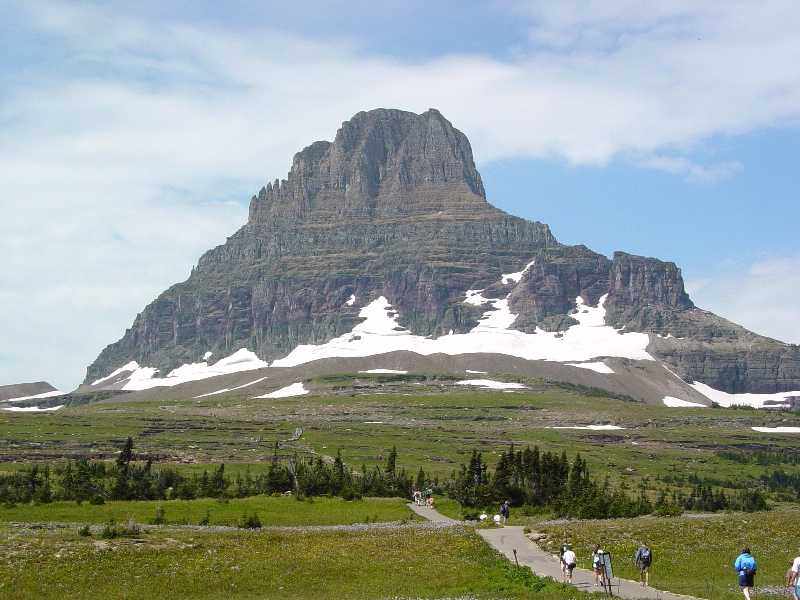
We took a ride in the new S-10 and got this far north,
Glacier National Park.
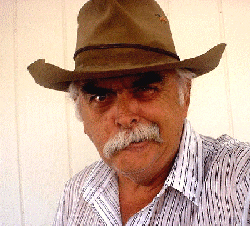 As you can see, old Jerry
has just gotten a little older.
As you can see, old Jerry
has just gotten a little older.
Nature graced Wickenburg with a gentle magic. Resting on the northern
edge of the
Sonoran Desert, just below Arizona's mountainous country, the Wickenburg
area
abounds in natural beauty. While the area's geological treasures attracted
the miners from around the world, the Hassayampa River flood plain
provided fertile soil for farming and ranching.
For centuries, the western Yavapai (or Tolkapaya as they called themselves),
made
the banks of this oasis their home, irrigating their crops of corn,
beans, squash, and tobacco with river water. They named this place
Haseyamo, "following the water as far as it goes," from which the
word Hassayampa derived.
Though within the claimed territories of both, the Spanish Empire nor
the Mexican
Republic ever extended their authority this far north. However, Hispanic
culture and trade did reach the Yavapai who were nicknamed the Cruzados
because they wore
their unusually long bangs in what the Spanish thought was the shape
of a cross.
In the early 1820's, stalwart hunters and trappers explored the Hassayampa
River in
search of beavers, whose pelts were sold to hat makers back east and
in Europe.
Their reports helped peak American interest in the West. The Wickenburg
area and
much of the West became part of the United States following the Mexican
American
War in 1848.
An 1862 gold strike on the Colorado River near the present-day Yuma
inspired hardy
prospectors and miners, predominantly from California and Mexico, to
search for
minerals throughout central Arizona. The names of these Argonauts now
grace many
of the surrounding geographic landmarks, including the Weaver Mountains
and
Peoples Valley.
Among the gold searches was the adventurer, Henry Wickenburg. He came
from far-off lands, lured by the dream of abundant gold. His quest
was rewarded by the
discovery of the Vulture Mine, where over $30 million in gold has been
dug from the ground. Throughout the foothills surrounding Wickenburg
are relics of other
mines that stand as a tribute to the pioneer miner and prospector.
The mining lore of the region, past and present, adds much
to the charm of the area.
Ranchers and farmers who built homes along the fertile plain of the
Hassayampa River accompanied the miners. Many of the resourceful
and committed settlers came from Sonora, Mexico, giving this area
the distinction of being the northern edge of the Hispanic ranching
frontier. Together with Henry Wickenburg and the miners, they helped
found the young community of Wickenburg in 1863.
The infant town went through many trials and tribulations in those first
decades,
surviving Indian wars, mine closures, desperadoes, drought, and a disastrous
flood in 1890 when the Walnut Creek Dam burst, killing nearly 70.
Through it all, the town continued to grow. Its prosperity was insured
with the coming of the railroad in 1895. The historic depot still
stands today as the Wickenburg Chamber of Commerce and Visitor's
Center.
Along the town's main historic district, early businesses built beautiful
structures that still grace Wickenburg's downtown area. The abundant clean
air and wide-open spaces attracted a whole new and exciting aspect
of the Wickenburg neighborhood. Guest ranches offered a unique western
experience to tourist who fell in love with the West. The Bar
FX Ranch became the first true guest ranch in 1923, followed by the
Remudas, Kay El Bar, Rancho de los Caballeros, and Flying E ranches,
just to mention a few. The construction of the Phoenix to California
highway (Highway 60) brought even more tourists, making Wickenburg the
Dude Ranch Capital of the World. Today, some of these ranches
still offer their unique brand
unique brand of Western hospitality.
The Hassayampa community became a vital contributor to America's patriotic
war
effort during World War II when the U.S. Army trained thousands of
men to fly gliders at a newly constructed airfield west of Wickenburg.
After the War, modern pioneers and home builders developed Wickenburg
into a splendid American community.
Wickenburg of today is a modern town with over 600 businesses providing
a full
range of services, shopping conveniences, specialty shops and galleries
for gifts of western distinction.
The western ambience, however, still thrives. The town has cherished
the best
traditions of its colorful early days. Through annual events such as
Gold Rush Days, and the famous DC Ride, organizations such as the
Wickenburg Chamber of
Commerce and the Desert Caballeros, and the determination and hard
work of its
citizens, Wickenburg is committed to preserving the best traditions
of the Old West. Come discover Wickenburg's historic downtown. Discover
the Jail Tree where
townspeople chained lawbreakers in the old days. Discover the natural
beauty and
the legend of the Hassayampa River. You're sure to find it all "Out
Wickenburg Way!"