 |
|
|
|
|
|
|
|
|
|
|
|
|
|
|
|
|
|
|
|
|
|
|
|
|
|
|
|
|
|
|
|
|
|
Gaits |
|
|
|
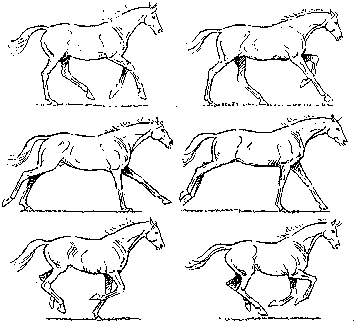
The four paces that are natural to the horse are the walk, trot, the canter, and the gallop. The first three of these may be subdividedin accordance with modern dressage requirements. The walk, for intsance, is divided into medium, collected, extended, and free. The subdivisions for trot and canter are medium, working, colected, and extended. There are also special man made gaits called "rack" and "slow gait." |
|
|
|
|
|
|
|
 |
|
|
|
THE WALK |
|
|
|
|
|
|
|
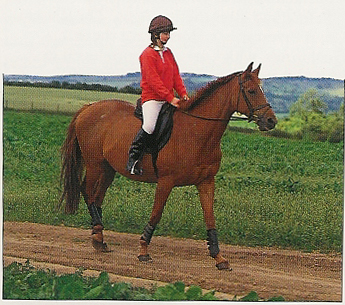
The walk is a pace of four beats. Medium walk is the hind hooves touching the groung in front of the prints made by the front hooves. |
|
|
|
|
|
|
|
|
|
 |
|
|
|
THE TROT |
|
|
|
 |
|
|
|
|
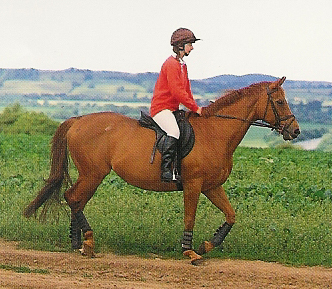
The trot is a two-beat pace in which one diagonal pair of legs is placed down at the same time and then, following a movement of suspention, the horse springs into another diagonal pair. |
|
|
|
|
|
|
 |
|
|
|
 |
|
|
THE CANTER |
|
|
|
|
|
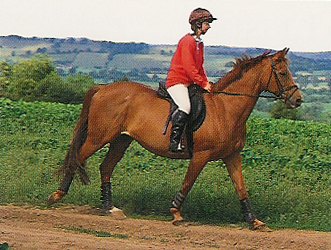
The canter is a three-beat pace, the horse leading with the right foreleg when circling to the right and vise-versa. |
|
|
|
|
|
|
 |
|
|
|
 |
|
|
THE GALLOP |
|
|
|
|
|
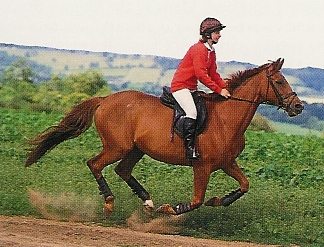
The gallop is the fastest of the four natural paces. It is usually understood to be a four-beat pace, but its different according to speed. |
|
|
|
|
|
|
 |
|
|
|
 |
|