| Lorraine M. Knapp |
| PROJECT HIGHLIGHTS |
| Mohegan Sun Casino Expansion: Project Sunburst |
| Uncasville, CT |
Client: Mohegan Sovereign Nation; Square Footage: 2.4 million square feet; Completion: September 2001
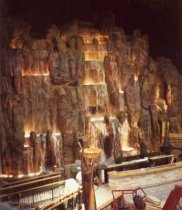 |
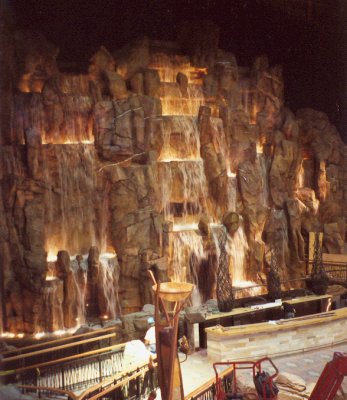
| View of Taughannick Falls from Hotel Lobby |
|
|
The Mohegan Sun Casino opened in the fall of 1996 on the Mohegan Indian Reservation in Uncasville, Connecticut. The existing project has a large Casino and bars, 4 restaurants, a buffet, food court, retail and a live entertainment area. The dramatic and theatrical design of the project celebrates the history, culture and lore of the Mohegan Tribe (the Owner) and the property was developed by the Tribe in collaboration with Sun International.
Since it's opening the project has had great success. Patrons come primarily from the Northeast and, because of limited accommodations, typically for the day. The expansion, Project Sunburst, includes a second Casino, bars, a 1500-room Hotel and amenities, a Convention Center, a 10,000-seat Events Center, 3 restaurants, a second buffet, a second and larger live entertainment area, and 300,000 SF of retail and entertainment. The entire expansion is approximately 2.4 million square feet of interior space plus structured and onsite parking.
|
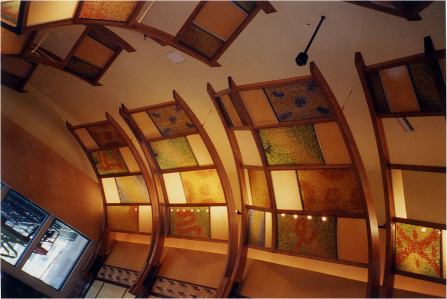
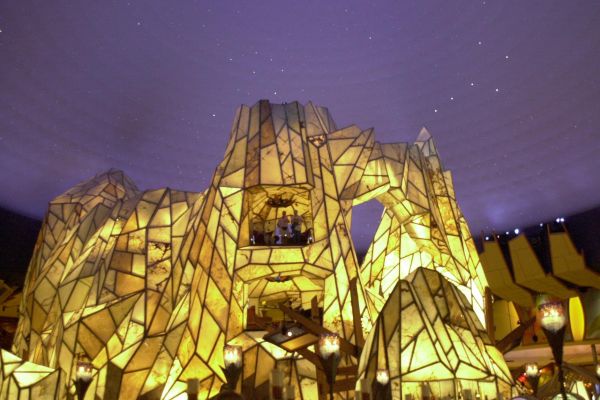
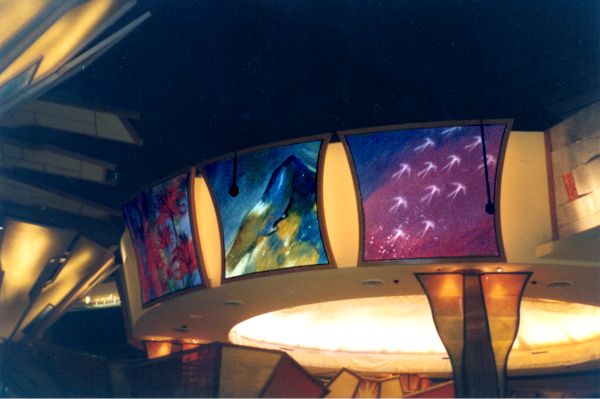
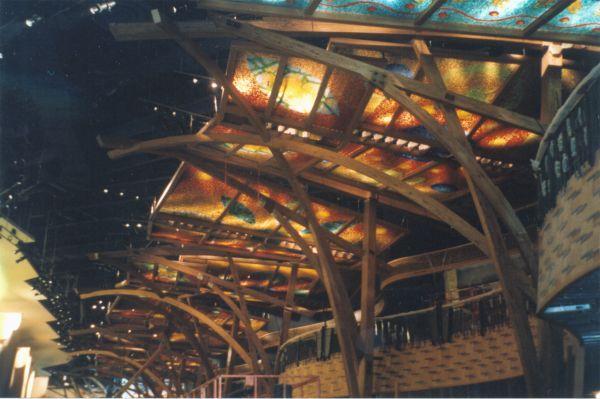
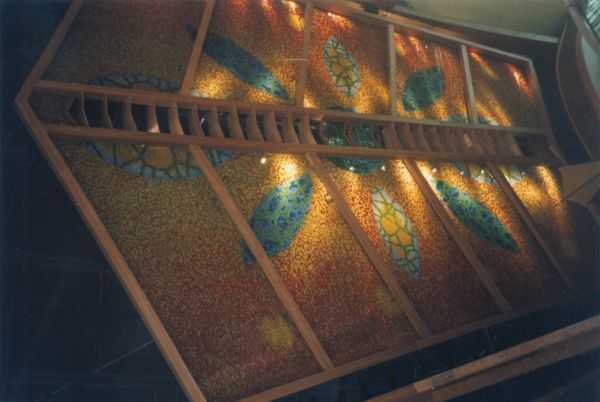
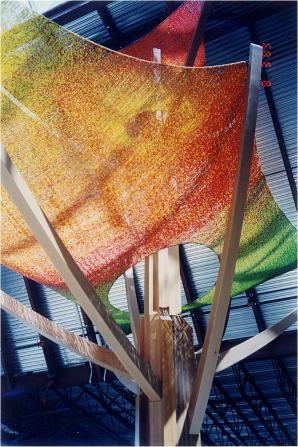
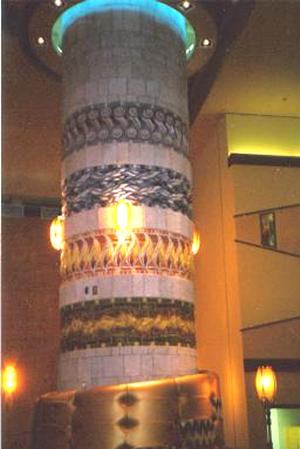
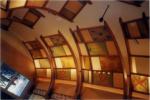
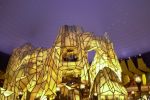
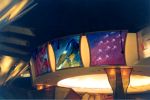
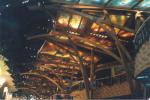
The Rockwell Group worked as Design Architect in conjunction with a large consultant team to create this new complex. As when designing the first Mohegan Sun Casino, the Rockwell Group creatively infused the environment with the culture and stories of the Mohegan Tribe. The central theme of this new complex, illustrated in the Casino of the Sky, looks toward the future of the Tribe, while the existing Casino of the Earth expresses historical aspects and traditions. The salient feature of the Casino of the Sky is Wombi Rock (White Rock), a great crystalline formation of back-lit onyx reaching nearly to the top of the 60-foot high planetarium dome that covers the main gaming areas. These are broken down into Sunrise, Sunset and Moon gaming, designations that organize circulation and help players understand the huge space. Connecting the two casinos is an undulating retail corridor whose architecture and finishes depict the Journey of the Tribe over desert lands, through waters and over mountains to their current home in northeastern Connecticut. At the midpoint of this journey, the trail is intersected by a perpendicular axis that terminates in Taughannick Falls, a 40-foot high waterfall with a restaurant and bar pavilion. The lobby of the hotel anchors the opposite end of the axis, and looks downward on the Falls from the storey above. The Hotel Lobby celebrates the cedar tree, a sacred Mohegan symbol, in an actual forest created of dimensional-lumber trees with multi-colored glass beaded tensile canopies.
My involvement included:
initial concepting, naming of features and areas
managing a 3-person interior design team, coordinating interior designs with architectural features
developing schematic and design development packages
client presentations and reviews, conforming concepts to tribal culture
supervising architectural finish and FF&E spec-writing for casino, retail corridor, hotel lobby, four restaurants and 300-seat cabaret
|
realizing designs for approximately 25,000 square feet of beaded ceiling panels and canopies from concept through computer artwork through hands-on production in India
modification of designs to address budget and operations, and maintenance concerns
interviewing and de-scoping themeing contractors
review of finish samples, mockups and shop drawings
responding to RFIs from contractors and subs
on-site reviews and approvals of specialty elements
client walk-throughs during construction
concepting and writing tenant criteria manual for the retail corridor, reviewing tenant submittals
writing press releases, setting up project displays for press luncheons, meeting media representatives
|
|
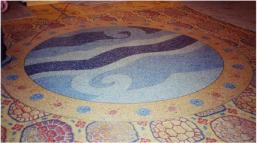 |
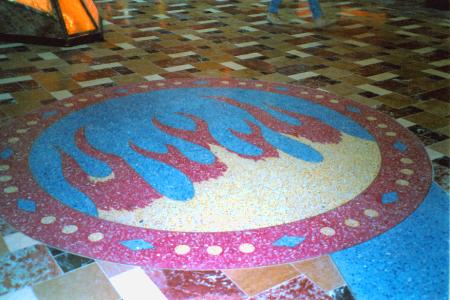
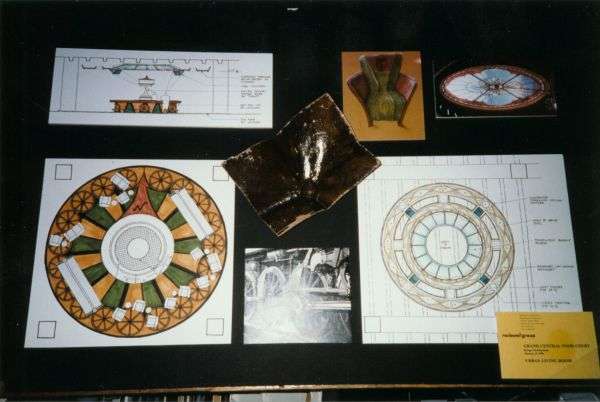
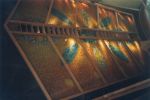
| Terrazzo medallion: Water |
|
| Lorraine M. Knapp |
| PROJECT HIGHLIGHTS |
| Grand Central Terminal Dining Concourse |
| New York, NY |
Click here to see the President's Award
Client: Metropolitan Transportation Authority; Square Footage: 40,000 gross square feet; Completed: Fall 1998
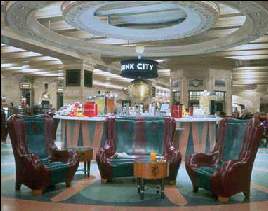 |
| Urban Living Room area with custom furniture |
|
|
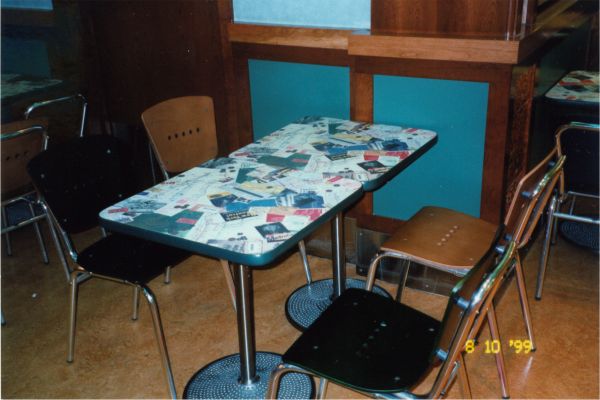
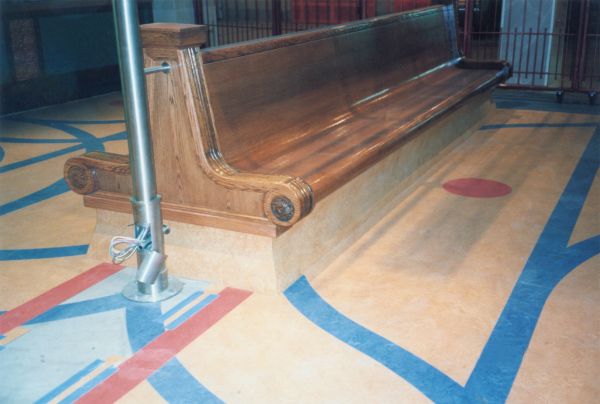
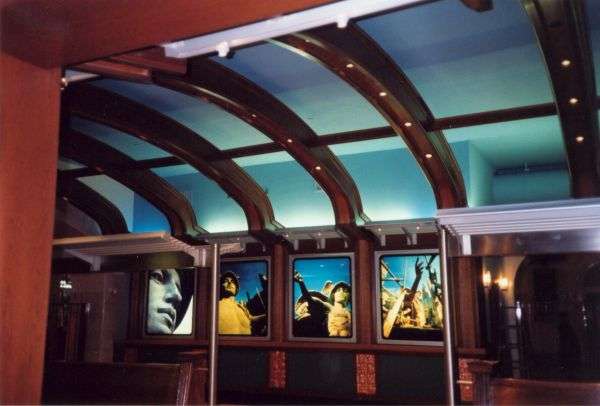
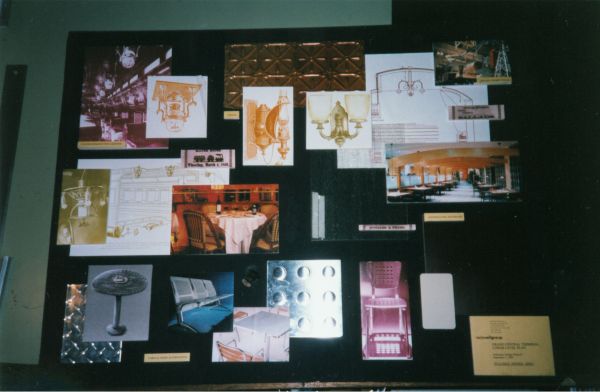
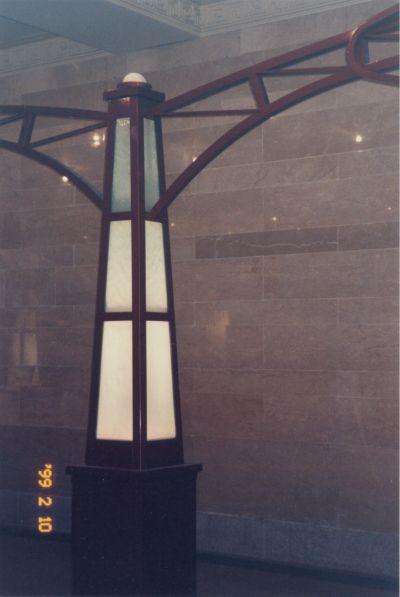
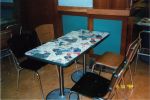
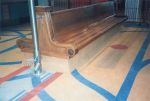
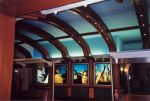
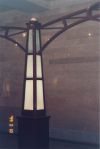
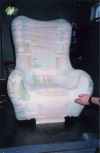
In collaboration with Beyer Blinder, Belle, who renovated the Great Hall and other public areas of the Landmark building, Rockwell Group designed the Dining Concourse on the lower level of the terminal. The new revitalization created a dining and waiting destination for both locals and tourists, providing a unique selection of restaurant, fast-food and snacking choices. The plan features two living-room-style islands (pictured) offering comfortable seating for those waiting for their trains, two Pullman-style public dining areas for those taking advantage of the fast-food choices, and numerous retail kiosks to fill the last-minute needs of travelers in a hurry.
|
My involvement included:
space planning and leasing strategy
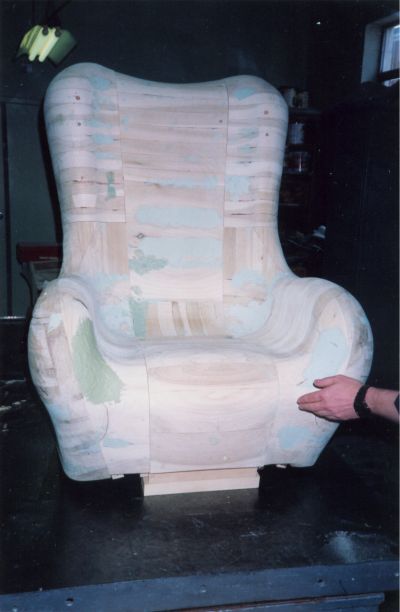
custom furniture and finish creation - Corian lounge chairs and loveseats, etched stainless steel tabletops in Pullman areas, custom "train ticket" laminate for Pullman tabletops, custom slumped and enameled glass panels for walls of kiosk pylons
FF&E budgeting and specification for public spaces
supervising fixture installation - mockups of kiosk pylons to perfect interior lighting, selection of photographs for backlit walls of Pullman car interiors and lighting adjustment within cars
producing tenant criteria handbook and review of tenant design submittals
|
 |
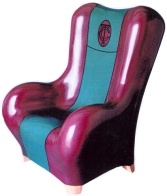 |
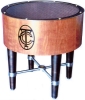
Vitrine Cocktail Table for historical memorabilia and Corian Lounge Chair, custom colors and construction.
|
|

| Lorraine M. Knapp |
| PROJECT HIGHLIGHTS |
| Best Cellars |
| New York, NY |
Client: Private partnership; Square Footage: 800 square feet; Completed: November 1996
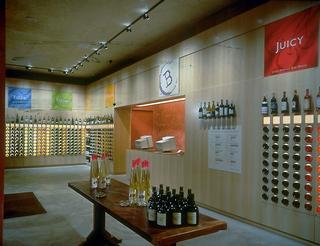 |
| Store overview |
|
|
Best Cellars is a radical new concept in wine retailing. The client's goal was to demystify wine, making it more accessible and easier to understand. The aim was also to promote the concept of "wines for everyday" and to create a setting that would facilitate selection as much as possible for patrons. Designed as a prototype for a national retail chain, the store sells 100 wines for under $10 a bottle. Descriptive category titles such as fresh, soft, luscious, juicy, smooth, big, sweet, and fizzy are used to organize the wines instead of grape type or region.
The store's streamlined design allows the wine bottles to be the star of the show. A very light wood, American Sycamore, surrounds the room, accented by burgundy hand-rubbed plaster walls. The floor is a soft gray polished concrete. The wine is displayed in custom cabinetry which is backlit, creating a colorful stained glass effect as light filters through the bottles.
|
|
My involvement included:
store concept development through regular client meetings
developing point-of-purchase gift ideas such as custom coasters, glass marble bottle fillers, other logo items
design and purchase of custom refectory table for product display
sourcing and purchasing of benches and decorative pillows
producing architectural finish specifications, incorporating finish information into construction documents
assisting with construction budget and bid process, value engineering
|
|
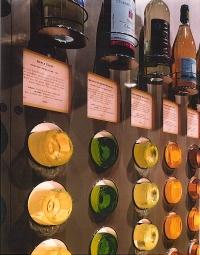 |
| ID panels describe each wine and suggest what foods it compliments. |
|
|
Click below for other sites with more information about this project:
Idea Award
World Design
Idea Award
Lumen Award
| Lorraine M. Knapp |
| PROJECT HIGHLIGHTS |
| Caf� Citron/Saks Fifth Avenue |
| Houston, TX |
Client: Saks Fifth Avenue; Square Footage: 1,000 square feet; Completed: September, 1977
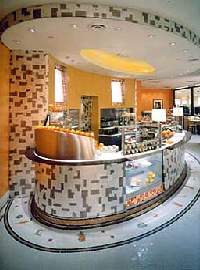 |
| Main merchandise and service unit |
|
|
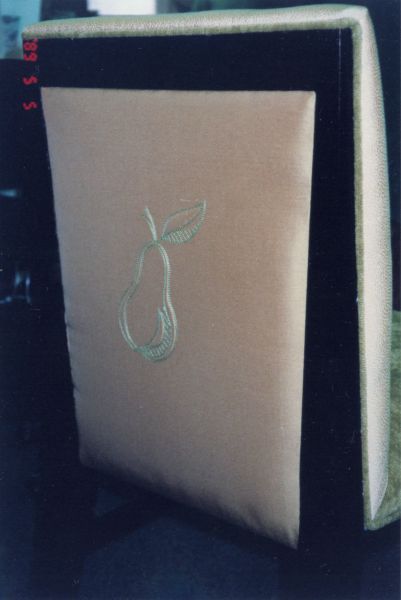
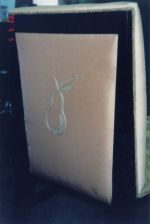
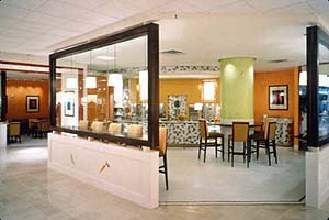
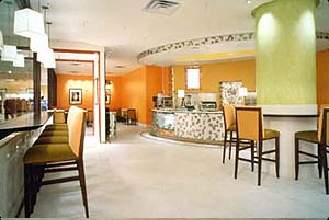
Caf� Citron is an elegant combination of traditional hand-crafted materials and clean, modern lines. The free-standing, self-contained service unit is elliptical in shape and is designed to appeal to the sophisticated, upscale Saks customer. A whimsical, marble mosaic border of coffee cups and fruit surrounds the immediate floor area and base. The counter face is covered in a collage of metallic leaf finishes, accented by two backlit windows of floating fruit slices cast in resin. An ebony wood bar rail outlines the main counter, condiment unit and stand-up counters. Custom hand-stenciled fruit images adorn linen lampshades, appearing again on the chair-backs in embroidered trapunto. In contrast, the countertop is a very dense, bright white synthetic stone, and all equipment is of gleaming stainless steel. Hand-rubbed juicy-colored Venetian plasters identify seating and service zones, providing a textured background for spectacular commissioned fruit photography.
|
My involvement included:
selecting, developing, presenting and specifying architectural finishes and furniture
supervising custom craftspeople through production and delivery of metallic wall and cabinetry finish, mosaic floor border, lampshades, chair, trapunto upholstery panels
preparing a production/purchasing flow chart to clarify the production path of multi-vendor items
tracking purchase and delivery of each item to meet construction deadline
sourcing a photographer for the commissioned art, personally supervising framing and delivery
hand-placing menu text into the floating-fruit resin frames at resin artist's studio
|
|
 |
| Trapunto chair-back design |
|
|
 |
| Artwork for hand-painted lampshade |
|
|
 |
| Interior view |
|
|
 |
| Interior view |
|
| Lorraine M. Knapp |
| PROJECT HIGHLIGHTS |
| Dancing Crane Caf� and Shop |
| Bronx, New York |
Client: Wildlife Conservation Society, Bronx Zoo Square Footage: approx. 4 acres Completed: Shop; Fall 1999; Caf�; Spring 2000
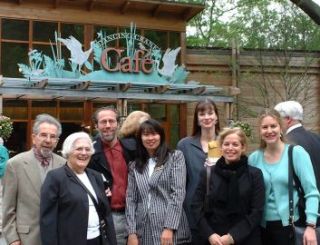 |
| Client Sue Chin, center; Lorraine Knapp to her right, back |
|
|
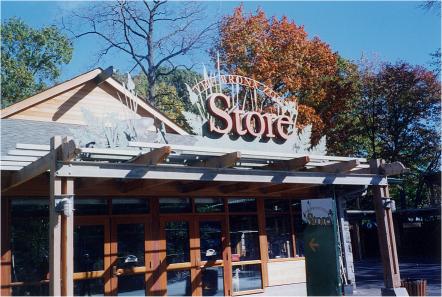
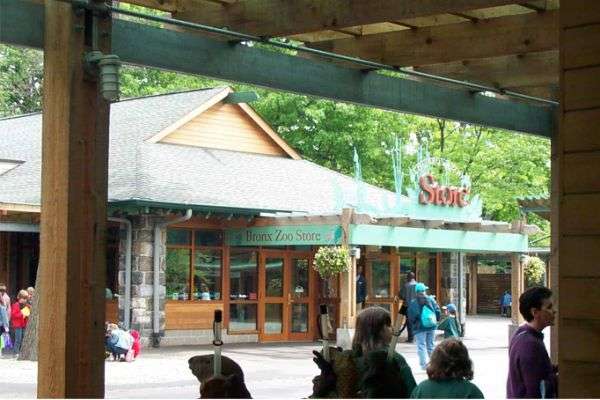
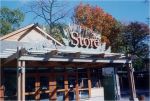
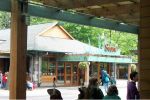
After the recent completion of the Congo exhibit at the Bronx Zoo, the Wildlife Conservation Society has turned its attention to enhancing the guest experience with a world-class dining and shopping area. Rockwell Group's design concept for the Bronx Zoo's lakeside food and retail hub is the creation of a memorable experience for its visitors that is integrated into the overall culture of the zoo. The design uses the existing pond, newly inhabited with a flock of dramatic pink flamingos, as the primary feature of the site. Gracefully landscaped entry paths lead visitors into the lakeside area, which totals just under four acres. A series of formally-arranged spaces connects the restaurant, the retail store and several cedar-structured roofed dining pavilions. The new Caf� and Shop help define the main outdoor plaza, which is used for seasonal outdoor dining and events.
|
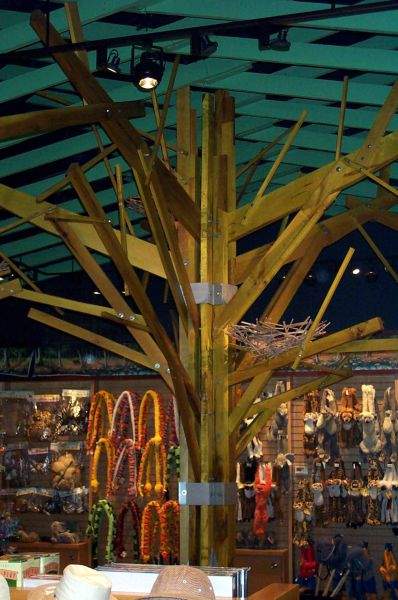
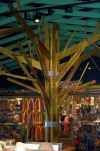
The Shop was created in an existing building dating from 1911, and formerly used as a picnic pavilion. The 3,500 SF space is divided into two primary areas, the larger featuring souvenirs, T-shirts and a children's area that is anchored by a large, playful, abstract tree. Large-scale origami-inspired animals sit atop the souvenir fixtures, while bear, duck and bobcat footprints laser-cut into the linoleum flooring indicate the primary circulation routes. Gifts, books and adult apparel are located in an adjoining space, and an outdoor counter offers impulse purchase opportunities for passers-by.
The Dancing Crane Caf� accommodates 225 in the main dining area, as well as a VIP/staff dining room for 100. Visitors eating in the main dining room enjoy a spectacular view of the lake, with glass walls on two sides and an extra high ceiling. Wildlife-inspired artwork featuring animals from the Northeastern United States is incorporated into the architecture, interior finishes and furniture.
My involvement included:
construction administration, FF&E purchasing guidance - caf� and retail
developing and value engineering FF&E budget - caf� and retail
maintaining accuracy of all wildlife-based art elements through constant communication with WCS experts
designing the linoleum floor pattern with accurate animal footprints against a three-color tiled background - retail
art-directing a muralist to produce a repeatable woodland image for the continuous perimeter fascia - retail
researching historical map styles, supervising painting of map mural at cash desk - retail
supervising a mockup of exterior cedar posts with stenciled and branded animal artwork - exterior
selecting artwork for flying crane ceiling mural - caf�
developing custom animal-shaped ceramic tile for exterior selling counter dies - retail and caf�
shopping for unique sideboard, console and accessories for VIP dining room and restrooms
|
|
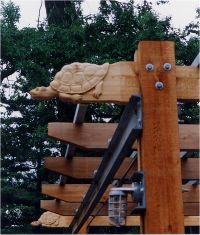 |
| Hand carved rafter tail at Store entrance |
|
|
| Lorraine M. Knapp |
| PROJECT HIGHLIGHTS |
| Berkeley Bar & Grill |
| New York, NY |
Client: Drew Nieporent; Square Footage: 3,000, seating 75; Completed: April, 1999
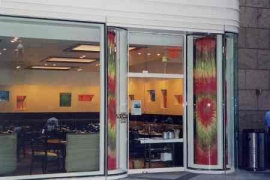 |
| Berkeley Bar storefront inside Sony Plaza |
|
|
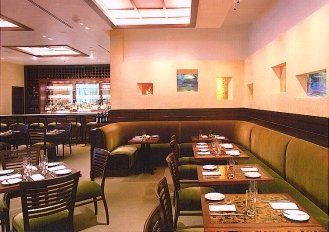
Restaurateur Nieporent's concept for his first uptown venture was to emulate two famous Berkeleys of the 1960's: Berkeley, California, and Alice Waters' revolutionary Berkeley restaurant, Chez Panisse. The food is described as �California via Provence and Tuscany�. The design blends elements of 1960's counterculture, such as floor-to-ceiling tie-dyed velvet draperies and colorful swirly-patterned art glass, with modern simplicity and elegance.
The restaurant faces the interior of Sony Plaza, a soaring atrium space within their office building on Madison Avenue and 55th Street. A marble-topped bar extends out into the public atrium, serving baked delicacies in the early morning, and transforming into a bar for late-night private parties. Inside, local business people, tourists and �ladies who lunch� find a refuge from the crowded streets in an atmosphere of warm neutral colors and rich textures. The mohair upholstery, hand-rubbed plaster wall surfaces, and glossy pen-shell mosaic tabletops heighten the sense of elegance, while the bright-colored glass accents and draperies stir in contrast and excitement.
|
My involvement included:
initial concepting and image boards for three alternative design schemes
developing fabric and architectural finish palette for selected scheme
collaborating with project architect on budget development and value engineering
purchasing of furniture, lighting and some architectural finishes
supervising custom furniture fabrication
approving sample submittals and furniture mockups
hand-selecting and installing inset art glass windows with tempered glass covers
designing and hanging custom tie-dyed draperies
directing lighting consultant during final focusing and refining phase
photo research for menus and interior art
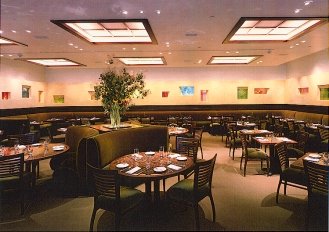 |
| Interior view |
|
|
 |
| View toward interior bar |
|
| Lorraine M. Knapp |
| PROJECT HIGHLIGHTS |
| Official All Star Caf� |
| New York, NY |
Client: Planet Hollywood; Square Footage: 20,000 gross; Completed: October 1995
 |
| Restaurant overview |
|
|
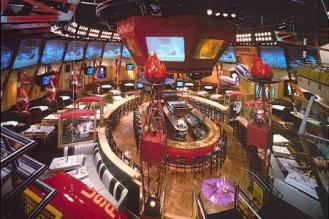
The Official All Star Caf� is a fun-filled sports environment designed to provide the patron with the sense of being at the actual events that are televised throughout the restaurant. The stadium-shaped three-story space, glove-shaped leather-upholstered booths, and prominently displayed sports memorabilia surround people with the physical aspects of a real event, while the state-of-the-art interactive TV and virtual reality video systems heighten their excitement and provide opportunities for real-time participation. Technology as entertainment achieves its greatest success in this destination, in the form of a live DJ/VJ, wall-to-wall as well as overhead video monitors, and choreographed video segments that bookend and link the live sports feeds and celebrity interviews.
The extensive space houses a large race-track-shaped bar, a primary dining area with banquettes upholstered in the local team colors, a VIP dining room seating 50, and retail boutiques on each floor. Unique details include a mini boxing ring for special events, an advertising blimp circling overhead, iconic Olympic torchi�res, and a celebrity locker room featuring players' clothing and equipment. Rockwell Group customized this prototype concept for many other cities, including Atlanta, Miami South Beach, Cancun, and Honolulu.
|
|
My involvement included:
assuming responsibility for project at beginning of construction phase
coordinating finish schedule with construction documents during construction
securing client approval on final architectural finishes and FF&E program
obtaining MDS and Building Department approval for interior use of troweled rubber flooring material
designing custom sports ball carpet pattern
researching paint process for football-diagrammed "grass" carpet
designing pattern for sports ball upholstered column, approving full size template
clarifying complex paint break locations during construction
scheduling and coordinating client's memorabilia team for a smooth installation
customizing interiors program for other national locations
Home | R�sum�
|