Sylvie
 |
 |
 |
 |
 |

|

|
Sylvie |
| |||||||||
|
|
| ||||||||
|
| ||||||||||
|
John Bates - Pantsuits, catsuits, string dresses and see-through minis. Designed clothes for 'The Avengers' Diana Rigg ( see right ). Formed company Jean Varon in 1964 with a wide range of fashions including some of the shortest minis of the Sixties. Geoffrey Beene - Men's and women's wear in soft, easy care fabrics, sequinned fabrics, chiffon and taffeta. One of the first designers to mix patterns and textures. Generally preferred dark and neutral colours Pierre Cardin - Futuristic fashions, space-age catsuits and bodystockings, Beatle suits and cut-out dresses. Moved into menswear in 1961. Used brightly coloured and patterned garments. High buttoned and collar-less jackets and zippered smock styles in lieu of jackets. His customers included The Beatles. Launched his space-age collection in 1964, some made entirely of metal and plastic. His female models were dressed in shiny vinyl, skin-tight catsuits, high-legged leather boots and even space helmets. Collars, when used, were typically oversized and cut-outs were very revealing. He designed the high-necked lace blouses for the 1965 film 'Viva Maria' which led to a revival in the Edwardian look. |
|
Gabrielle 'Coco' Chanel - Classic Paris high fashion and the taiilored 'Chanel suit'. Also a range of sports style fashions and the famous 'Chanel No5' perfume.
Ossie Clark - Youth fashions influenced by op-art. HHot pants, Maxi Coats, Gypsy dresses, motorcycle jackets, metallic leather and snakeskin. Later in the decade, flowing romantic evening wear and Latin-inspired fashions. Clark had designed for the Woodlands 21 boutique, having his fashions featured in Vogue. He started his own company, Quorum, in 1965 with partner Alice Pollock which was to become one of Chelsea's most successful boutiques. Quorum was bought by Radley in 1968 but Clark continued to design for the new company, later specialising in crepe, satin, jersey and chiffon.
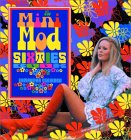
Andre Courreges - Miniskirts, pantsuits and see-through space-age designs. He opened his own fashion house in 1961 after 12 years designing for Balenciaga. Like Mary Quant, he has some claim to having pioneered the introduction of the mini skirt in 1962. His most famous designs were the 'Space-Age' collection of Spring 1964 which strongly featured silver and white PVCs with bonded seams. The collection included silver PVC 'moongirl' pants, white catsuits and monochrome striped mini skirts and dresses. He is also famous for his use of the mid-calf length, flat-heeled 'Courreges' boot - an iconographic symbol of Sixties fashion. A more reasonably priced ready-to-wear collection was produced in 1965. ( see pattern top left )
Marc Bohan ( Design director - Christian Dior ) - Paris high fashion elegance. Marc took over the reigns at Dior in 1960 after the departure of Yves Saint Laurent.
Elio Fiorucci - Miniskirts and general youth fashion. Italian shoe designer who exported many Sixties London fashions to Italy, opening a store in Milan, 1967, specially for London products.
Anne Fogarty - One of the first U.S. designers to prooduce bikinis and launcher of the 'Paper Doll' dress, with high waist, low neck, short-sleeved bodice and full skirt.
Rudi Gernreich - Sports and swimwear, revealing designs. Rudi designed ready-to-wear clothes for Los Angeles boutique JAX until 1964 when he started his own company, striving to provide a range of clothes which allowed complete freedom of movement. He is credited with introducing the topless swimsuit in 1964, which consisted of a high waist held up by thin straps which passed between the bare breasts. He gave up the company in about 1967 to concentrate on freelance designing and to devote more time to his passion - dance clothes.
Hubert de Givenchy
- Cocktail and evening dresses. Most fammous for the clothes he designed for
Audrey Hepburn, particularly her wardrobe in the 1961 film 'Breakfast At
Tiffanys'. He is generally known for sack dresses, low-cut cocktail dresses with
matching boleros, duster coats and coloured gloves.
Janet Reger - London born designer who worked in Zurich until the late
Sixties when she returned to London and marketed her products through Fenwick
stores.
Betsey Johnson
- Pantsuits, miniskirts and t-shirt dressses
Bridget Riley - Op-art artist and designer whose work was widely used in
dress and fabric designs
Jacques Heim - One of the designers credited with the introduction of the
bikini. Owned a chain of boutiques selling sportswear between 1946 and 1966.
Emanuelle Khanh - lacy, frilled dresses and blouses, lonng collared jackets
Emilio Pucci - Sportswear and psychedelic skirts, dresses and pantsuits
Mary Quant - Miniskirts, tights, skinny-rib sweaters and wet-look PVC. She produced designs for Butterick Patterns ( paper patterns ) in 1964 to enable her styles to reach a larger market amongst the less well-off. Mary is largely responsible for establishing London as the Sixties centre of fashion, particularly the King's Road area of Chelsea.
Paco Rabanne - Plastic and metal discs, day-glo spacee-age designs. Between 1964 and 1966 Paco designed fashion accessories on a freelance basis for Balenciaga, Givenchy and Dior. He launched his body jewellery in the Spring of 1966 on forming his own company. Generally known for clothing in chain-mail style, made from plastic and metal tiles or discs, held together with wire. By 1968/9 his designs included ostrich feather dresses with aluminium bodices and others made in paper and silver leather.
Zandra Rhodes - Fantasy evening fashions in vivid colours and bizarre patterns. Printed and painted silk and chiffon garments with art-deco motifs, zig-zags etc. Prior to forming her own fashion house in 1968, she had already designed a paper wedding dress which sold for less than two shillings ( ten pence ) during the brief period of popularity enjoyed by disposable clothing.
Michelle Rosier
- Space-age and wet look designs
Vivienne Westwood - Opened a shop in the Kings Road in the late 60s with
Malcolm McLaren
( of Sex Pistols fame ). Better known for 70s 'Punk' and 80s 'New Romantic'
fashions.
|
Yves Saint Laurent - Safari and pea jackets, smocks, pantsuits, see-through designs. He opened his own fashion house in 1962, having had to leave his previous position at Dior in 1960 to fight in the Algerian war. He launched the 'Mondrian' look in 1965 and a collection that was inspired by pop-art in 1966, establishing his chain of 'Rive Gauche' boutiques which provided new fashion ideals for the richer youth of the period. John Stephen - Suede waistcoats, kaftan jackets, velvet flares, 'groovy' wigs Terence Conran - ( right ) The major force in raising design awareness during the Sixties. He opened his first 'Habitat' store at 77 Fulham Road in May 1964, concentrating on modern furniture and accessories. Douglas Millings - Beatles' suits and men's fashion. Giorgio Armani - Worked as a designer with Nino Cerruti from 1961 to 1974 |
|
Roberto Capucci - Flamboyant use of Mediterranean colourrs and sculptural forms. He famously produced garments made of sealed plastic filled with coloured water.
Cristobal Balenciaga - Highly fashionable in the fifties, thee house of Balenciaga carried on through the Sixties with famous name designers producing loosely tailored suits and sculptural evening wear. Balenciaga retired in 1968.
Laura Ashley - Country style clothing and furnishing fabrics. Laura started with a cotton drill apron in 1961 - almost an anti-fashion house featuring inexpensive tucked and frilled dresses in coarse cotton and lacy shirts with leg o'mutton sleeves. She opened her first shop in Kensington in 1968.
Anthony Price - Glamorous evening wear and the designeer of the clothes for The Rolling Stones' 'Gimme Shelter' tour of 1967, while working as a designer for Stirling Cooper producing fashions for Miss Selfridge. He also later designed for Bryan Ferry and Roxy Music.
Valentino Garavani - Decorative evening wear and tailored day wear. He showed the first collection from his newly-formed company in 1960, gaining huge recognition for his sophisticated, Hollywood-style evening wear. In 1967 he presented a 'No Colour' collection produced entirely in creams, buffs and whites, in contrast to the highly fashionable psychedelic colouring of the period. By 1969 he was producing designs heavily influenced by op-art.
Charles Jourdan - Brightly-coloured suede and leather shhoes. He also designed for leading fashion houses including Dior and Cardin.
Calvin Klein - Started to make inroads on the fashionn scene in the late Sixties with his tailored sportswear, starting his own business in 1968 with partner Barry Schwartz. Peajackets, turtleneck sweaters and long-line slacks.
Karl Lagerfeld - Flamboyant evening wear and furs. He wworked for Patou until 1964, later designing on a freelance basis for Chloe and Krizia. He also designed shoes for Charles Jourdan and furs for Fendi from 1967.
Jean Muir -
Tailored and fluid matte jersey womenswear. Regarded by many as 'The Greatest
British Fashion Designer', Jean started at Jaeger from 1956 to 1961 when she
left to produce her own range of fashions under the 'Jane and Jane' label. This
became part of the Susan Small organisation, later to be owned by Courtaulds.
She opened her own company in 1966 producing comfortable and elegant women's
wear including smocks, peasant dresses, shawls, draw-string waist dresses and
two-piece suits.
For more information, click
here to see the great site dedicated to Jean and her work hosted by her
nephew, Robin Norton.
Roger Vivier -
Evening and haute couture shoes, also freelance footwear design for fashion
houses.
Bill Blass - American sportswear and traditional designs with softened
lines. Use of ruffles in 60s designs
Donald Brooks - Luxurious
evening pants and voluminous pyjamas, chemises, unadorned dresses, trimmed coats
and stoles.
Stephen Burrows - Leather
Caroline Charles - Worked with Mary Quant in the early days and started
up her own business in 1963. Mini skirts in cotton and flannel, tunics, pants
and, later, long flowing fashions.
Clive ( Clive Evans ) - Opened his own boutique in 1961, specialising in
haute couture and ready-to-wear daywear.
Sybil Connolly - Hand woven woollens, tweeds and mohairs. Evening and
daywear.
Oscar de la Reuta - Designer for major fashion houses, working for
Balenciaga, Lanvin-Castillo, Elizabeth Arden and Jane Derby. Started his own
business in 1965 specialising in extravagant, opulent designs. Mainly
elaborately-trimmed evening wear, particularly gypsy-style designs.
Alberto Fabiani - Married rival designer Simonetta in 1953 and opened a
Paris house together in the 60s. Couturiers and accessory designers, tailored
suits and evening dresses, evening culottes.
Dorothee Bis - Opened a boutique in 1962 with Elie & Jacqueline
Jacobson-designed 'adult' versions of young girls clothes. Knee socks, peaked
caps, cut-out dresses, trouser suits and crocheted sweaters and dresses.
Luis Estevez - U.S. West Coast designer specialising in glamorous evening
wear.
Marion Foale and Sally Tuffin - Formed Tuffin & Foale in 1962,
designing for the young, ready-to-wear market which was bought extensively by
London store Woollands. Best known for lace dresses with cut-outs under the arms.
Frederick Fox - Milliner who opened his own business in the mid-60s,
designing hats for Hardy Amies, John Bates and the royal family.
Andrew Grima - Jewellery designer who opened a business in Jermyn Street
in 1966
Ralph Lauren - 'Ivy League' styles and expensive neckwear, including
'kipper' ties.
Simone Mirman - Milliner who designed for Dior, Saint-Laurent and
Hartnell, including hats for the royals.
Rose Vernier - Milliner who designed for Amies, Creed, Morton and Mattli.