
| 25th December " Merry Christmas "
ซานตาคลอส | |
- ซานตาคลอส เป็นจุดเด่นหรือสัญญลักษณ์ ที่เด็กและผู้คนนิยมมากที่สุดในเทศกาลคริสต์มาส แต่แท้จริงแล้วซานตาคลอสแทบจะไม่มีส่วนเกี่ยวข้องกับเทศกาลนี้เลย
- ชื่อซานตาคลอส มาจากนักบุญนิโคลาส ซึ่งเป็นนักบุญที่ชาวฮอลแลนด์นับถือเป็นนักบุญองค์อุปถัมภ์ ของเด็กๆ นักบุญองค์นี้เป็นสังฆราชของ ไมรา (อยู่ในประเทศตุรกีปัจจุบัน) มีชีวิตอยู่ในศตวรรษที่ 4 เมื่อชาวฮอลแลนด์กลุ่มหนึ่งอพยพไปอยู่ในสหรัฐฯก็ยังรักษาประเพณีนี้ไว้ คือฉลองนักบุญนิโคลาสในวันที่ 5 ธันวาคม ซึ่งหมายถึงนักบุญนี้จะมาเยี่ยมเด็กๆ และเอาของขวัญมาให้ เด็กอื่นๆ ที่ไม่ใช่ลูกหลานของชาวฮอลแลนด์ที่อพยพมา ก็รู้สึกอยากมีส่วนร่วมในประเพณีแบบนี้บ้างเพื่อรับของขวัญ
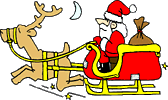
- ประเพณีนี้จึงเริ่มเป็นที่รู้จัก และแพร่หลายไปในอเมริกา โดยมีการเปลี่ยนแปลงบางอย่างคือ ชื่อนักบุญ นิโคลาส ก็เปลี่ยนมาเป็นซานตาคลอส และแทนที่จะเป็นสังฆราชซึ่งเป็นนักบุญองค์นั้น ก็กลายเป็นชายแก่ที่อ้วน ใส่ชุดแดง อาศัยอยู่ที่ขั้วโลกเหนือ มีเลื่อนเป็นพาหนะ มีกวางเรนเดียร์ลาก และจะมาเยี่ยมเด็กทุกคนในโลกนี้ในโอกาสคริสต์มาส โดยลงมาทางปล่องไฟของบ้านเพื่อเอาของขวัญมาให้เด็กเหล่านั้น ตามความประพฤติของเขา ลักษณะภายนอกของซานตาคลอสที่ถูกสมมุติขึ้นนี้ เหมือนกับจะลอกเลียนแบบมาจาก Thor ซึ่งเป็นเทพเจ้าในนิยายโบราณของเยอรมัน และลอกเลียนแบบนักบุญนิโคลาส ที่นำของขวัญมาแจกเด็กๆ อันที่จริงซานตาคลอสเป็นรูปแบบที่น่ารัก เหมาะสำหรับเป็นนิยายให้เด็กๆ เชื่อ แต่อาจจะทำให้คนทั่วไปหันมาสนใจ ให้ความสำคัญในตัวนิยายนี้แทนการบังเกิดของพระเยซู ซึ่งเป็นจุดศูนย์กลางของเทศกาลคริสต์มาสนี้.
- Before the rise of Christianity, sailors prayed to the Greek god Poseidon for calm seas. But when Christianity replaced the pagan gods, sailors needed a new hero. They found one in a bishop named Nicholas in Asia Minor. Years later, after Nicholas became a saint, tales spread of his ability to control the storms at sea and lead seamen to their ports, and sailors adopted him as their patron saint. Centuries later Nicholas would evolve into Santa Claus.
- Nicholas (c. 280 AD-c. 343 AD) served as a bishop in the town of Myra in what is now Turkey in the late third and early fourth centuries. Reportedly, Nicholas performed miracles throughout his lifetime, and not just at sea. Soon after Nicholas was born he reportedly stood in his crib folding his hands as if in prayer. As an adult, he would bring money to the poor and even save people who were on the brink of death.
- In one legendary incident, Saint Nicholas learned of three sisters who had no money for a dowry and would be forced into prostitution for survival. One night he tossed a sack of gold through their window--enough money for the eldest sister's dowry. The next night, he tossed in a second bag of gold for the middle sister. But on the third night, Nicholas found the window closed, so he dropped the gold down the chimney. This set the stage for the legend that would continue in numerous countries even today.
- After Nicholas died, his admirers celebrated his generosity annually by leaving gifts "from Saint Nicholas" for their children on his "feast day" (the day he died, December 5th). The custom began in Asia Minor, and spread to most Catholic European countries by 1000 AD. The future "Santa Claus" was born.
Merry Christmas.


- ประเพณีนี้จึงเริ่มเป็นที่รู้จัก และแพร่หลายไปในอเมริกา โดยมีการเปลี่ยนแปลงบางอย่างคือ ชื่อนักบุญ นิโคลาส ก็เปลี่ยนมาเป็นซานตาคลอส และแทนที่จะเป็นสังฆราชซึ่งเป็นนักบุญองค์นั้น ก็กลายเป็นชายแก่ที่อ้วน ใส่ชุดแดง อาศัยอยู่ที่ขั้วโลกเหนือ มีเลื่อนเป็นพาหนะ มีกวางเรนเดียร์ลาก และจะมาเยี่ยมเด็กทุกคนในโลกนี้ในโอกาสคริสต์มาส โดยลงมาทางปล่องไฟของบ้านเพื่อเอาของขวัญมาให้เด็กเหล่านั้น ตามความประพฤติของเขา ลักษณะภายนอกของซานตาคลอสที่ถูกสมมุติขึ้นนี้ เหมือนกับจะลอกเลียนแบบมาจาก Thor ซึ่งเป็นเทพเจ้าในนิยายโบราณของเยอรมัน และลอกเลียนแบบนักบุญนิโคลาส ที่นำของขวัญมาแจกเด็กๆ อันที่จริงซานตาคลอสเป็นรูปแบบที่น่ารัก เหมาะสำหรับเป็นนิยายให้เด็กๆ เชื่อ แต่อาจจะทำให้คนทั่วไปหันมาสนใจ ให้ความสำคัญในตัวนิยายนี้แทนการบังเกิดของพระเยซู ซึ่งเป็นจุดศูนย์กลางของเทศกาลคริสต์มาสนี้.
 |
bC Counter  Send mail to : [email protected] with question or comments about this web. | Copyright @ 2000 Computer Data House. 2123-2125 Suebsiri Rd., Nai-muang, Nakhon-Rachasima 30000, Thailand. Last  |