|
|
|
The Hooper family were the smuggling family who lived on the Island from the 1790s to the mid 1840s. They rented the property from the Trelawney family, who had owned it from c 1600, although documents verifying this have been lost, probably when the Trelawney documents were destroyed in Plymouth during the war. The chief smuggler was Amram Hooper, records of his baptism and that of his
sister, Jochabed, are found in Talland parish registers in 1800, although their
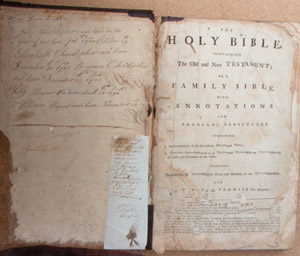
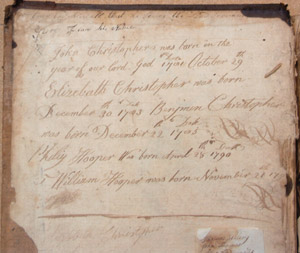
births are recorded in the family bible under the names, Philly and William. The
baptismal names come from Exodus and a dry leaf marks the page where the
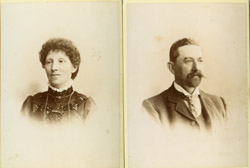
reader, probably their father, Anthony, found them. The Hoopers followed the Fynn family, who had been on the Island since the 1780s, and, surprisingly, there are entries of Fynn in the same family bible, as are entries of Elizabeth Hooper's 3 children by her first marriage to Benjamin Christopher. We do not have photographs of Amram, but there are descriptions of the odd and rather manly appearance of Jochabed. However, Amram's grandson, James Benjamin Hooper, a local builder, appears with his wife, Eliza May ( nee Blight) in sepia studio portraits.
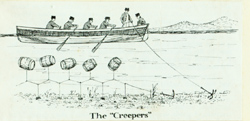
Tales of Amram, Jochabed, and Amram's daughter, Matilda, appear in various stories about the smuggling events in and near Looe, these tales were largely found and recorded by Commander H.N.Shore at the turn of the 19th /20th century when there were still men about who had served with Amram and remember that he, and he alone, knew the places where the goods were stored once landed on the Island. Cargoes which could not be landed were sunk in Whitsand Bay and retrieved later using " creepers" Tales of smugglers fooling the revenue men, secret caves and signals of a clear coast for landing, helped by a man called Fiddik, with a white horse, are succeeded by the arrival of the coastguard service and the arrival, in Looe of an Irish coastguard called Thomas Fletcher....... |