 |
 |
 |
Romanesque Style
|
|
|
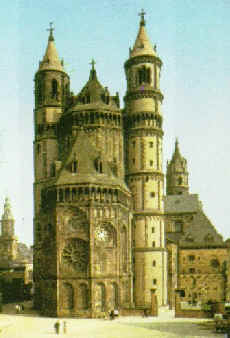
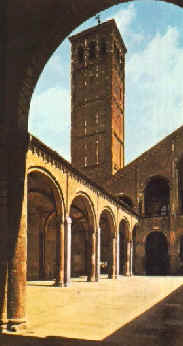
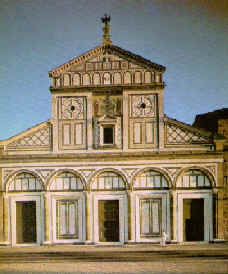
The word "Romanesque" began as a descriptive architectural term. It was derived from the character of the building of mostly churches, dating from around 1050 to 1150. This has had a remarkable continuity of style throughout most European lands. In order to build the castles and towers for an emerging array of city communities and especially for religious constructions the new style was needed. Romanesque style presented by itself something new absorbing main principles of ancient Roman and Byzantine art. The style was founded in Como city in Lombardy (Italy) and quickly spread all throughout Italy, suffering little changes. Typical ideas in architecture of the time are "central nave" which is too times bigger then side ones supported by powerful pilasters, and "long arcades" and look like cross vaults. The forms and shapes of the buildings are in harmony with nature. The walls are massive and heavy with an array of narrow window openings as one has to remember that everything was being built in order to protect the inhabitants. Towers and step looking portals played the significant roles. Monumental relieves on portals, sometimes even on all front walls, were very essential decorative elements inherited in this style. Without the technology of Roman concrete construction, however, the Romanesque builder had to rely on cut stone and mortar. This was a cumbersome alternative, but it also provided many challengers to architectural ingenuity. The resolutions of structural problems gave Romanesque architecture its extraordinarily inventive character. In fact, it was basically by recombining Romanesque architectural inventions that Gothic architecture was made possible.
