 |
| Balete |
|
| Medicinal Plants |
| for |
| W O U N D S |
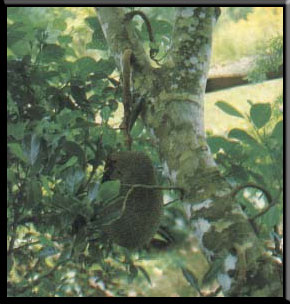
| Local Names: Balete (most dialect) Indian rubber tree (Eng.) Scientific Name: Ficus elastical Description: A large tree with much spreading branches sending down numerous adventitious roots from the trunk and the larger branches. The leaves are large, oblong, smooth and shiny. The stipulates are long, deciduous and red. Medicinal Values: Boil a bundle of the aerial roots and use the decoction in washing the wounds. |
 |
| Bawang |
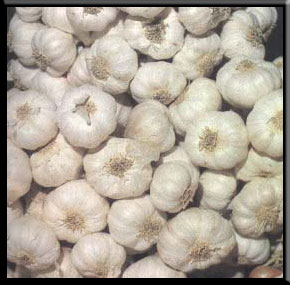
| Local Names: Bawang (Bik.; Tag.) Bauang (Ilok.) Ahos (Bis.) Garlic (English) Scientific Name: Allium sativum Description: Herb with broad ovoid bulbs divided into cloves around an underground stem. The leaves are long, flat and pointed. The pinkush flowers form an umbrella-shaped cluster. Medicinal Values: Crush one clove. Soak in alcohol for one week. Use as disinfectant for wounds. |
| Dilaw |
| Local Names: Luyang Dilaw (Tag.) Kalauag (Bis) Kulyau / Kunig (Ilok.) Turmeric (Eng.) Scientific Name: Curcuma longa L. Description: An erect smooth plant that belongs to the ginger family. Th lance-shaped leaves and yellow flowers grow directly from the roots. The rhizomes are juicy with astrong aroma and a bright yellow color. Medical Values : Crush the rhizome. Mix with oil and apply the ointment on the wounds. Fresh juices from the rhizome may also be used. |
 |
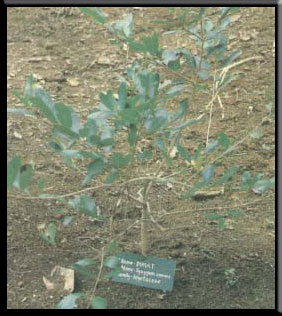
| Local Names: Bayabas (most dialect) Bayawas ( Bik.) Guava (Eng.) Scientific Name: Psiduim guajava Description: A short tree containing an romantic an aromatic subtance. It has opposite leaves which are oblong and pointed at the tip. It has few white flowers and rounded green fruits containing numerous seeds. Medicinal Uses: Boil unripe fruits, leaves and bark in enough water for 15 minutes. Use the decoction in washing ulcers and wounds and has viginal wash after childbirth. Warm decoction is more effective. |
| Bayabas |
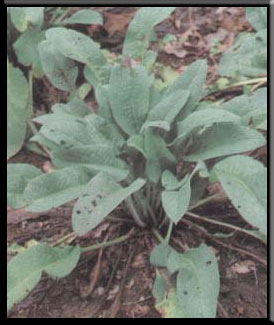
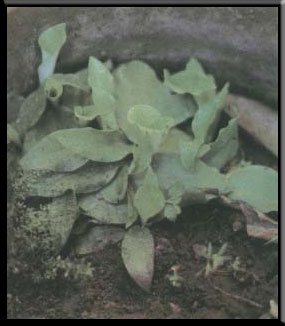
| Local names: Comfrey (most dialects) Scientific Name: Symphytum officinale Description: An herb with stout rootstock. The lanceolate leaves are large, hairy and entire. The tubular flowers are white, to blue and form small clusters. The fruits are small nutlets. Medicinal Values: Pound the fresh leaves. Apply the juice or rub the pounded leaves on affected areas. |
| Damong Maria |
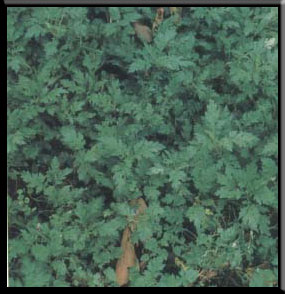
| Local names: Damong Maria (Tag.) Arbaaka (Ilok.) (Bis.) Artamisa (Bis./Ilok) Wormwood (Eng.) Scientific Name: Artemsia vulgaris L. Description: A woody herb, erect, hairy and aromatic. The leaves are pinnately lobed. The flower clusters are numerous and small. Medicinal Values: Cook pounded leaves in oil. Apply on wounds. |
| Comfrey |
 |
| Duhat |
| Kandi-kandilaan |
 |
 |
 |
 |
 |
| Kasoy |
 |
 |
| Kosol |
 |
| Kogon |
| Langka |
 |
 |
 |
| Lantana |
| Lima-lima |
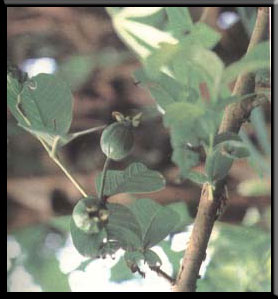
| Local Names: Duhat ( Tag.) Lomboi (Bik./Bis./Ilok.) Block plum (Eng.) Scientific Name: Syzgium cumini Description: A plant with broad, oblong leaves. The open flowers are borne mostly below the leaves. The oval fruits turns purple when ripe and has single large seed. Medical Uses: Boil bark in the three glasses of water. Use the decoction for gargle to treat mouth sores and gum inflammation. Use the decoction for washing wounds and boils. |
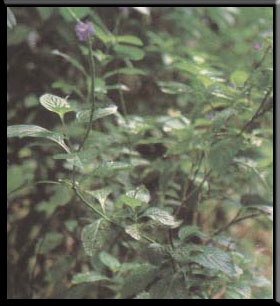
| Local Names: Kandi-kandilaan (Tag.) Sentimento (Bis) Bolos-Moros (Bik.) Coach whip (Eng.) Scientific Name: Stachytarpheta jamaicensis L. Description: Erect but branching herb. The leaves are oblong with serrated margins. The blue to violet flowers are small and clustered along a slender rachis. Medicinal Value: Crush or pounds the fresh leaves. Use as poultice to promote healing |
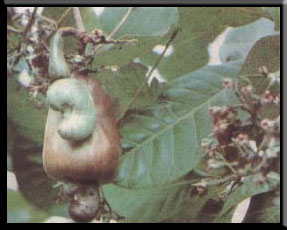
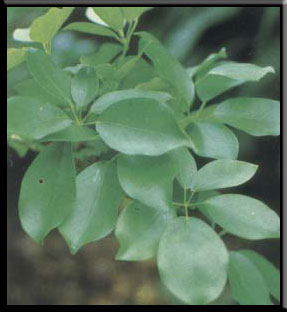
| Local Names: Kasoy (most dialects) Cashew (Eng.) Scientific Name: Anacardium occidentale L. Description: A spreading small tree with thick, rough ovate leaves. The leaves are alternately attached to its twisted stems. They produce small yellow flowers crowded at the tip of the branches. The yellow fleshy fruit has a kidney shaped seed attached to its apex. Medicinal Values: Prepare a decoction of the bark. Use as mouthwash while still warm to relieve mouth sores. For ulcer and wounds, use the warm decoction as wash. |
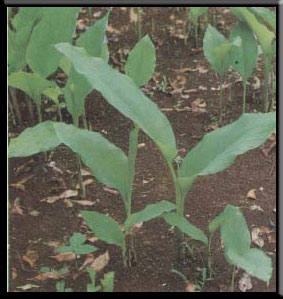
| Local Names: Kosol (Tag./Bis.) Disol (Ilok.) Dusol (Bik.) Scientific Name: Kaemferia galanga L. Description: A stemless herb with an aromatic tuberous rootstock. The leaves are horizontalyy speading, broadly ovate with a rounded base. The flowers are few and pink in color. Medicinal Values: Dry these rhizomes. Grind these into a powder. Mix with a little amount of oil and apply directly on wounds. |
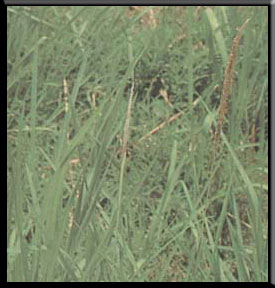
| Local Names: Kogon (most dialects) Gogon (Bik.) Cogon grass (Eng.) Scientific Name: Imperata cylindrica L. Description: A perrenial grass with solid, slender stem that maybe smooth or hairy. The leaves are flat and linear. The flower is made up of densely branched cluster with long stalks and hairy spikeletes. Medicinal Uses: Soak the short in water. Drink one glass of the onfusion three times a day. Maybe used externally to wash affected skin. |
| Local Names: Kogon (most dialects) Gogon (Bik.) Cogon grass (Eng.) Scientific Name: Imperata cylindrica L. Description: A perrenial grass with solid, slender stem that maybe smooth or hairy. The leaves are flat and linear. The flower is made up of densely branched cluster with long stalks and hairy spikeletes. Medicinal Uses: Soak the short in water. Drink one glass of the onfusion three times a day. Maybe used externally to wash affected skin. |
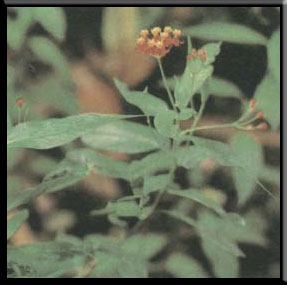
| Local Names: Lantana (most dialects) Kantutai (Tag.) Baho-baho (Bis.) Lantana (Eng.) Scientific Name: Lantana Camara L. Description: A standing or half-climbing aromatic shrub. It has oval leaves with tooth like margins. The flowers are white, yellow, pink or orange borne in clusters. The small fruits are ovoid and black. Medicinal Uses: Pounds the leaves and apply as poultice on affected area. A decoction of the root may also be used for washing wounds and sores. |
| Local Names: Lima-lima (Tag.) Tagalima (Bik./Bis.) Karakang (Ilok.) Five Fingers (Eng.) Scientific Name: Schefflera odorata (Blanco) Description: A scrub or a vine characterized by its 5 to 6 leaflets attached to along petiole. The leaves are smooth, shiny and leathery. When crushed the leaves give a sweetish-sour smell. Medical Values: For swollen wounds: Prepare a decoction of the leaves. Use as mouthwash or gargle while still warm. For fresh wounds: Scratch the stem to release the resinous latex. Apply directly on the wounds. |
 |
 |