 |
 |
 |
 |
 |
| Facts |
 |
 |
 |
 |
 |
|
|
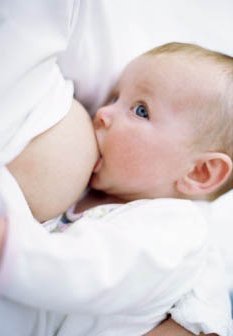 |
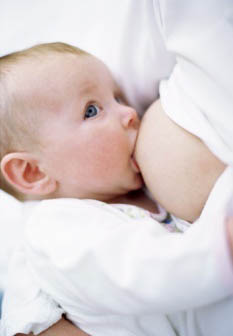
DID YOU KNOW... � Colostrum is all your baby needs in the early days and provides important antibodies. � Colostrum has a high concentration of antibodies, especially IgA, an antibody that helps protect the lungs, throat, and intestines. � Colostrum helps "seal" the permeable newborn intestines to prevent harmful substances from penetrating the gut. � Colostrum is very high in concentrated nutrition. � Colostrum has a laxative effect, which helps the baby pass the first bowel movements (and prevents newborn jaundice). � Colostrum is low in fat, high in proteins and carbohydrates, and very easy to digest. � Your milk will become more plentiful ("come in") 2-6 days after delivery. � The more you nurse your baby the more milk there will be. � Proper positioning can prevent sore breasts � Breastfed babies have higher IQ's than their formula fed peers. � Breastfeeding decreases the incidence of allergies, illness and some childhood cancers. � Breastfeeding mothers use an additional 500 calories per day. � Nursing enhances proper tooth, jaw and speech development. � There are at least 100 nutrients in breastmilk that are not found in formula. � The nutrients in breastmilk are specifically designed for the human infant and therefore are more easily absorbed by the baby's system. �Between 50-75% of the iron in breastmilk is absorbed whereas only about 4% of the iron in formula is. � Breastmilk composition changes according to the time of day, and changes as your baby grows, giving him exactly what he needs. � Each drop of breastmilk contains white blood cells and immunoglobins which help reinforce the baby's immature immune system. � A mother can make antibodies on demand for germs encountered by baby. If a baby is infected by a germ for which an antibody is not present in the mother, the germ is passed from the baby to the mother by sucking at the breast. The breast in turn produces an antibody for the germ and passes it back to the baby. � Breastfed babies have fewer ear infections, allergies, diarrhea, bacterial meningtis, and lower risk of SIDS. It may also protect against diabetes and childhood lymphoma. � Breastmilk contains sleep-inducing proteins to relax your baby. Also the act of baby sucking releases hormomes in the mother which relax her. � Breastmilk contains a large amount of water so breastfed babies normally do not need any additional juices or water. � Women who breastfeed reduce their risk of ovarian cancer, osteoporosis, and early breast cancer. |
 |