1080 Poison
March, 2000
1080 poison is the chemical Sodium fluoroacetate. It is a highly toxic and slow-acting poison for which there is no antidote. Each dose contains enough poison to kill up to six healthy adults. It is virtually tasteless and odourless, making its presence extremely difficult to detect. 1080 is relatively more poisonous for dogs than for other species, being ten times more toxic for dogs than for rabbits. CAS Number: 62-74-8; Description: Fine, white powder; Molecular formula: C2H2FO2�Na; Molecular weight: 100.03; Melting point/Boiling point: 2000C; Solubility: water: soluble; TWA: 0.05 mg/m3; STEL: 0.15 mg/m3; Schedule 7 poison.
Feral predator control utilises aerial baiting flying 132,000 kilometres a year, the equivalent of 3.3 times around the world. The baiting program is based on a group of native plants known as poison peas. These native species contain the poison sodium fluoroacetate that is manufactured synthetically under the name �1080'.
What other names does it have?
1080, Compound No. 1080, Fratol, Furatol, Ratbane 1080, Yasoknock
Why have it?
It is spread over much of the Bibbulmun Track in order to kill foxes. Foxes are an introduced animal from Europe that kill native fauna. Before the arrival of the fox, many native animals had no predator, other than man and thus they have very little defence. The dingo, a species introduced thousands of years earlier does not effect many native animals. The other major introduced specie is the cat, which when feral poses as much danger as the fox.
In areas where foxes are prevalent many species of wildlife have simply been wiped out. The poison is also used to control wild dogs.
The poison was originally extracted from an Australian native plant and thus Australian fauna have some tolerance to the poison. The poison was once mixed with carrots in order to control rabbits but many native animals died in this process.
Within a few years it is expected that up to 30 native fauna species will be significantly more abundant and widespread than they are today. In just two years, three mammal species, the Woylie, Tammar Wallaby and the Quenda (Southern Brown Bandicoot) have been removed from the endangered species list due to 1080 baiting operations.
How is it administered?
Meat chunks are laced with 1080 poison and then dropped on the target zone by aeroplane. This ensures economical distribution and generally absence of human odour about the location of the bait. Other methods include "toxic collars" worn around the necks of sheep, and "single lethal dose baits," in which small balls of tallow are treated with the poison, "large bait stations," consisting of livestock carcasses injected with 1080, and "smear posts," which are scented posts intended to be licked by predators
How long does it last?
The poison is biodegradable but can last up to 6 months depending upon the weather. Dogs that scavenge on carcases killed by the poison can also die from the poison. This would also include scavengers such as crows, hawks and wedge-tailed eagles. The poison remains in animal bones for up to two years
How does it work?
Poison by ingestion (eating), intraperitoneal (the guts), subcutaneous (through the skin), intravenous (through the blood), intramuscular (through the muscles) inhalation (breathe it in), eye and skin contact. Points of attack are cardiovascular system, the central nervous system, lungs and kidneys. Lethal dose for man is approximately 5mg/kg.
How long does it take?
Symptoms may occur after half an hour and animals may take anywhere from less than one day to ten days to die. Death is usually very painful.
What are the symptoms?
When dogs have been poisoned by 1080, they usually become frenzied or behave as if terrified in the minutes or hours before death, which can be very distressing for everyone involved. Acute exposure effects include cardiac irregularities, Central Nervous System (CNS) disturbances, convulsions, coma, anxiety, auditory hallucinations, excitation/depression, incontinence, nausea, vomiting, organ congestion, renal tube degeneration, respiratory problems, salivation, spinal pressure, twitching of face and citrate accumulation in tissues. They may run about at random banging into objects. Then the respiratory muscles fail and they suffocate. Exposed animals may convulse and haemorrhage blood from ears, nose and mouth.
What is the treatment?
If an owner suspects that a dog has eaten poison or a poisoned carcase, it is important not to wait to see if signs develop, but to make the dog vomit right away
Immediate treatment by a vet or by giving it an emetic capsule to make it vomit. If this is not possible drench with a very concentrated solution of household salt in warm water, or give a walnut-sized crystal of washing soda coated in butter.
Unless the dog can be made to vomit before the poison is absorbed from its stomach, 1080 poisoning is invariably fatal.
Muzzling dogs and feeding them before going near poisoned land and keeping them under observation will also reduce the risk of scavenging.
What are the regulations?
In Western Australia the main legislation governing the use of 1080 are the Health (Pesticides) Regulations 1956, and the Agriculture and Related Resources Protection Act (Poison) Regulations 1983. These regulations provide the basis for all operations and policy covering 1080 usage. In summary the regulations require that every user of 1080 products be trained in the correct use of the products, the precautions necessary for safe handling, and first aid treatment in respect of the product.
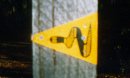
Bait warning signs are to be posted at all public entrance points to the baited area.