


- - - - - - - - - - - - - - - - - - - - - - - - - - - - - - - - - - - - - - - - - - - - - - -
//
Wedding
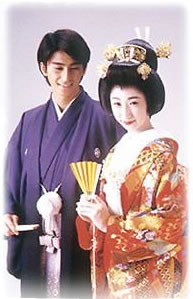
The traditional white japanese wedding kimono
is called shiro-maku. Shiro meaning white and maku meaning pure. The wedding
kimono actually consists of two different kimono. The white wedding kimono
is worn for the wedding ceremony and an elaborate rich patterned silk
brocade kimono called uchikake is worn over the white kimono at the wedding
reception.
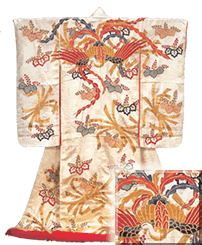
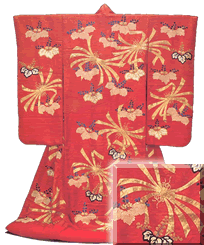 The
bright and colorful uchikake kimono originated in the Edo era and originally
only worn by court nobles. The kimono is made of silk and silk brocade.
Rich in fine embroidered patterns, the uchikake is embellised with scenes
of flowers, cranes, pines, flower carts or nature motifs. While red is
the most popular color for the uchikake kimono, there are many different
colors available from a stunning imperial purple to sea green. The bridal
kimono is sometimes handed down in the family or made into futon bedding
later in life.
The
bright and colorful uchikake kimono originated in the Edo era and originally
only worn by court nobles. The kimono is made of silk and silk brocade.
Rich in fine embroidered patterns, the uchikake is embellised with scenes
of flowers, cranes, pines, flower carts or nature motifs. While red is
the most popular color for the uchikake kimono, there are many different
colors available from a stunning imperial purple to sea green. The bridal
kimono is sometimes handed down in the family or made into futon bedding
later in life.
In a traditional Japanese wedding, the brides hair is also styled in the traditional hair style called bunkin-takashimada and adorned with beautiful gold combs and accessories called kanzashi. A white wedding hood called tsuno kakushi is meant to hide two front golden "tsuno" or horns during the wedding ceremony to symbolize obedience.
- - - - - - - - - - - - - - - - - - - - - - - - - - - - - - - - - - - - - - - - - - - - - - -
// Relaxing
The
yukata is a japanese summer kimono worn by both men and women. The name
yukata comes from the word "yu" (bath) and "katabira"
(under clothing ). Thousands of years ago, Court Nobles wore linen "yukatabira"
which were draped loosely after taking a bath. It gradually became worn
by japanese warriors and then by the general public when the 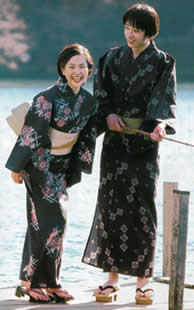 sophisticated
japanese public bath became popular. Today, the traditional japanese yukata
is widely used for everything from festivals, ryokan, summer daily wear
to simple night attire. In Japan, the yukata is the most popular daily
clothing wear and is beloved for its 100% lightweight cotton fabric. The
fabric designs vary from the traditional plain cross hatch pattern to
more colorful scenery designs.
sophisticated
japanese public bath became popular. Today, the traditional japanese yukata
is widely used for everything from festivals, ryokan, summer daily wear
to simple night attire. In Japan, the yukata is the most popular daily
clothing wear and is beloved for its 100% lightweight cotton fabric. The
fabric designs vary from the traditional plain cross hatch pattern to
more colorful scenery designs.
For normal daily or night attire, just the cotton sash is used. For festivals and public occasions a larger wider yukata belt as shown in the picture is worn for a more formal appearance. The belt is simply wrapped around the waist and tucked in at the edge. An obi belt can also be worn with the cotton yukata. A matching purse, tabi socks and japanese sandals complete the attire.
The cotton kimono robe or also called lined cotton yukata is lined with a thin cotton gauze material making it a perfect for use as house robe, bath robe and as a pajama. The 100% cotton and the thin gauze lining becomes very soft after just one wash making it a soft and cozy pajama. The nemaki is our favorite house robe and bath robe. Gauze lined kimono usually have a navy or white background with assorted designs. The nemaki robe can be distinguished from other cotton yukata from the shape of the sleeve. The sleeves of the robe are perfectly straight.
- - - - - - - - - - - - - - - - - - - - - - - - - - - - - - - - - - - - - - - - - - - - - - -
//
753 festival
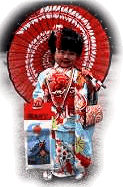
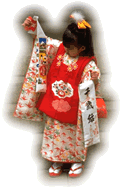
In Japan, we celebrate a festival call Shichi-go-san. Shichi stands for 7, go stands for 5 andsan stands for 3. This festival is celebrated on 11th of November. Only the children who are 3, 5, or 7 are supposed to celebrate it. During this festival, they wear kimonos and girls wear hair bands like this. The parents only celebrate this festival for children who are 3,, 5, or 7 years old because it is believed that these are the when the children's bodies are growing the best. Actually when the child is 3 years old both children (boys and girls) celebrate it but when the child is 5 years old, only the boys are suppose to celebrate it. When the child is 7 years old, only the girls are supposed to celebrate it. But almost every place in Japan celebrates it in all the same time so they think it is not important if they celebrate it for girls or boys.
In Japan parents who have a boy or girl, go to a nearby temple and pray to make their daughter/ sons strong and healthy.After they finish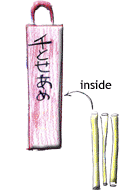 praying
they go around to their neighbors' house and say to them "thank you
for taking care of our daughter/son". When they are finished thanking
the neighbors, they give sweets to their child. One of the sweets they get
from the temple comes in a bag decorated with cranes and turtles and has
3 long candies in it (see image on the right). This candy is called chitose-ame
(thousand-year candy) . This is very sweet and it lasts very long because
the candy is quite long and it is about 1.5 cm wide.
praying
they go around to their neighbors' house and say to them "thank you
for taking care of our daughter/son". When they are finished thanking
the neighbors, they give sweets to their child. One of the sweets they get
from the temple comes in a bag decorated with cranes and turtles and has
3 long candies in it (see image on the right). This candy is called chitose-ame
(thousand-year candy) . This is very sweet and it lasts very long because
the candy is quite long and it is about 1.5 cm wide.
- - - - - - - - - - - - - - - - - - - - - - - - - - - - - - - - - - - - - - - - - - - - - - -

