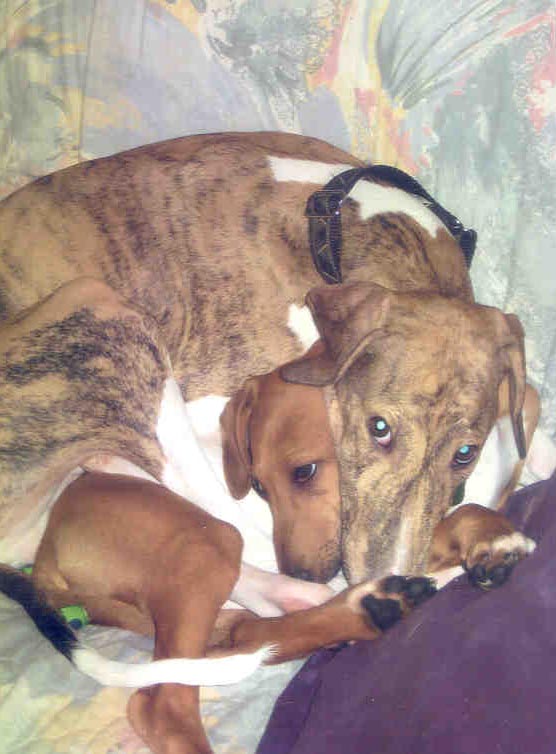
Candid pictures of the Azawahks
Noblewinds Azawahks
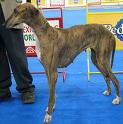
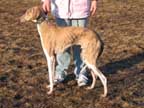
An African sighthound of Afro-Asiatic type, the Azawakh originated in Mali, Niger and Burkina Faso. Raised in the Sahel region of the Sahara desert, they are named for the Azawakh valley. Azawakh means "land of the north". They are the guardians, hunters and companions of the Tuareg and other ethnic tribes of the southern Sahel. The breed was first imported to Yugoslavia in the early 1970's by Dr. Pecar, a Yugoslavian diplomat stationed in Burkina Faso. The dogs could not be bought, however, Dr. Pecar received his male as a gift from the nomads. He later bartered his services as a hunter, by killing a bull elephant who had been terrorizing the tribe, in exchange for a female Azawakh. The French military and civil servants also played a significant role in exporting the Azawakhs to Europe. France is the patron country of the Azawakh under FCI rules. Males range from 25-29 inches in height and weigh 44-55 lb., females, 23 1/2 - 27 1/2 inches and weigh 33-44 lb.. The short, smooth coat comes in a variety of colors to include, clear sand to dark red, white, black, blue, gray, brindle, grizzle, parti-color and all shades of brown, including chocolate. However, the FCI standard for the breed only recognizes sand to dark red and brindle at this time. Grooming of their short coat is accomplished easily with a zoom groom or hound glove. Frequent bathing is not necessary as the breed has no doggy odor. However, they do have sensitive skin, so use of a mild, hypoallergenic, unscented shampoo is recommended. Their life expectancy ranges from 12-15 years. Exercise requirements with all sighthound breeds is a very important subject. The Azawakh must have adequate exercise and make excellent companions for the serious jogger and runner. The Azawakh is a very active dog, however, they run and play in spurts interspersed with long naps on the sofa. They should have a large yard where they can stretch their legs, but more importantly they need interaction with the owner or another dog, to make them exercise Described in a Dog World article as a "warrior class dog", they have the intelligence and heart to protect. When approached on their own turf, they are very vocally intimidating. In situations where their duty as guardian isn't necessary, their reactions may range from friendly, to mildly curious to arrogantly indifferent.