| Forensic Pathology |
| Pathology is defined as the study of disease, or any deviation from a healthy, normal condition. Pathologists examine the body at autopsy and study tissues removed during surgery. They also analyze fluids from the body, such as blood or urine, in the clinical pathology laboratory. Forensic pathology is a specialization of pathology that applies the principles of pathology, and of medicine in general, to the legal needs of society. In other words, forensic pathologists perform autopsies to determine what caused a person's death and how the person died. Was it a natural death, accidental, suicide, homicide, or undetermined? If the death falls into the realm of criminal, then the information that a pathologist obtain from the autopsy can be used in a court of law. Forensic pathologists often have other job titles, such as medical examiner, cororner, or medicolegal death investigator. Forensic pathologists work mainly with violent deaths--deaths due to homicide, accident, or suicide. But they also perform autopsies in other cases including: - sudden death of a supposedly healthy person - unattended death (dealth of someone who had never been seen by a doctor) - death while the person is in police custody - suspicious or unusual death - death from medical malpractice - death while in prison |
| Forensic Anthropology |
| Forensic anthropologists frequently work in conjunction with forensic pathologists, odontologists, and homicide investigators to identify a decedent, discover evidence of foul play, and/or establish the postmortem interval. In addition to assisting in locating and recovering suspicious remains, forensic anthropologists work to suggest the age, sex, ancestry, stature, and unique features of a decedent from the skeleton. |
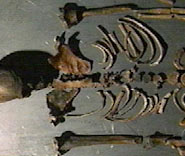 |
| Forensic anthroplogy is the application of the science of physical anthropology to the legal process. The identification of skeletal, badly decomposed, or otherwise unidentified human remains is important for both legal and humanitarian reasons. Forensic anthropologists apply standard scientific techniques developed in physical anthropology to identify human remains and to assist in the detection of crime. |
| What is Forensic Science? |
| For the past few years I've been thinking of a career in forensic science. There are many different areas within the field, so I have put up some of their descriptions. If you want to learn more about them, as well as other specialties, I got all of my information from this great book called: Opportunities In: Forensic Science Careers by Blythe Camenson. This book has more detailed information such as job training, sample want ads, and salary ranges. So check it out! |
 |
 |
| Forensic Psychology and Psychiatry |
| Forensic psychologists and psychiatrists build a case for why a defendant committed a crime, and why he or she should be aquitted. Of course, the prosecution uses expert witnesses to prove the opposite, that the defendant should be found guilty as charged. Forensic psychologists and psychiatrists have other roles as well. They are used to evaluate a criminal defendant and assess whether he or she is competent to stand trial. they also might help a judge determine if there should be a change of venue for a trial. They work with witnesses to help restore lost memories; they assist in establishing a jury favorable to whichever side has hired the specialist; and they provide behavorial profiles to help law enforcement agencies track down and arrest criminals. |
 |
 |
 |