The Health Argument against meat-eating
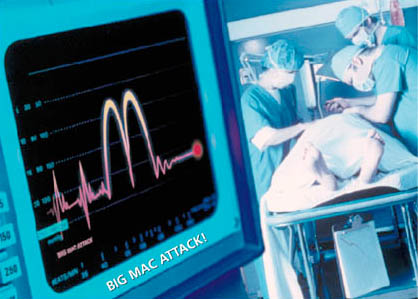 Unknown to most meat-eaters, U.S.-produced meat contains dangerously high quantities of deadly pesticides. The common belief is that the U.S. Department of Agriculture protects consumers' health through regular and thorough meat inspection. In reality, fewer than one out of every 250,000 slaughtered animals is tested for toxic chemical residues. That these chemicals are indeed ingested by the meat-eater is proven by the following facts: Ninety-nine percent of U.S. mother's milk contains significant levels of DDT. In stark contrast, only 8% of U.S. vegetarian mother's milk containing significant levels of DDT. This shows that the primary source of DDT is the meat ingested by the mothers. Contamination of breast milk due to chlorinated hydrocarbon pesticides in animal products found in meat-eating mothers versus mothers that do not eat beef is 35 times higher. The amount of the pesticide Dieldrin ingested by the average breast-fed American infant is 9 times the permissible level. Here are facts showing the dangers of eating meat because of the large amounts of antibiotics fed to livestock to control staphylococci (commonly called staph infections), which are becoming immune to these drugs at an alarming rate. The animals that are being raised for meat in the United States are diseased. The livestock industry attempts to control this disease by feeding the animals antibiotics. Huge quantities of drugs go for this purpose. Of all antibiotics used in the U.S., 55% are fed to livestock. But this is only partially effective because the bacteria that cause disease are becoming immune to the antibiotics. The percentage of staphylococci infections resistant to penicillin, for example, has grown from 13% in 1960 to 91% in 1988. These antibiotics and-or the bacteria they are intended to destroy reside in the meat that goes to market. It is not healthy for humans to consume this meat. The response of the European Economic Community to the routine feeding of antibiotics to U.S. livestock was to ban the importation of U.S. meat. European buyers do not want to expose consumers to this serious health hazard. By comparison, U.S. meat and pharmaceutical industries gave their full and complete support to the routine feeding of antibiotics to livestock, turning a blind eye to the threat of disease to the consumer.
   |