 |
 |
 |
 |
 |
 |
 |
 |
 |
 |
 |
 |
 |
 |
 |
 |
 |
 |
 |
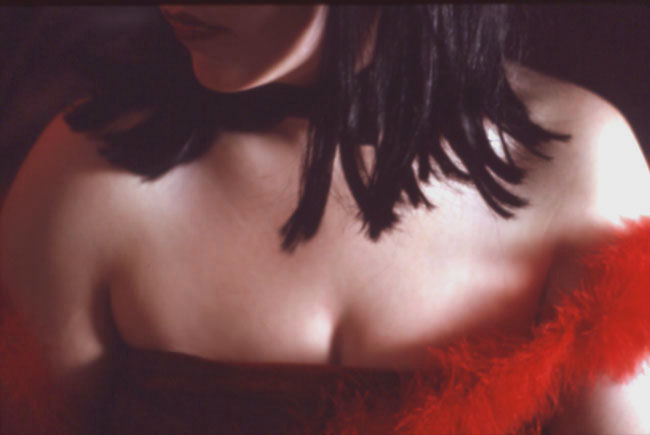 |
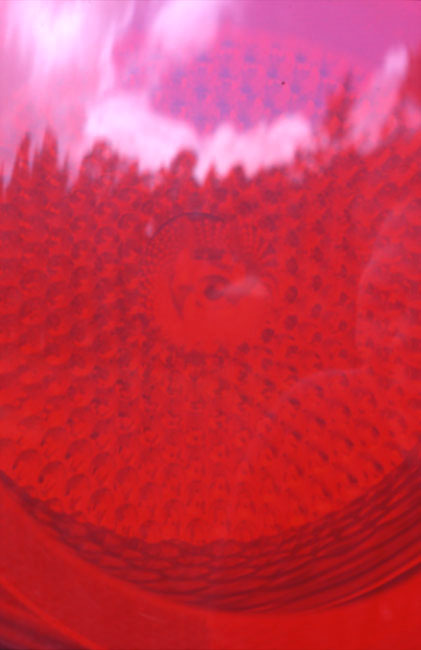
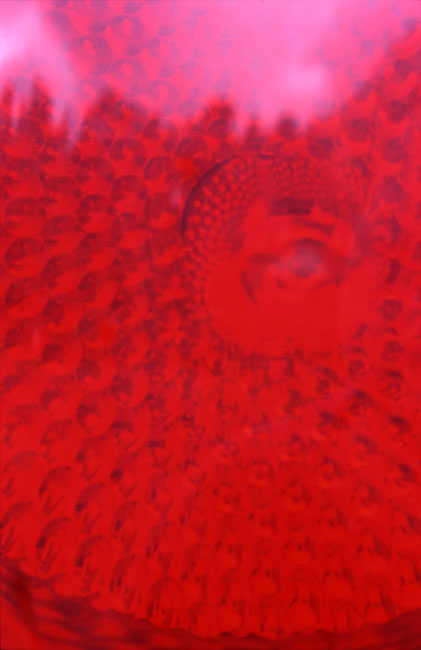
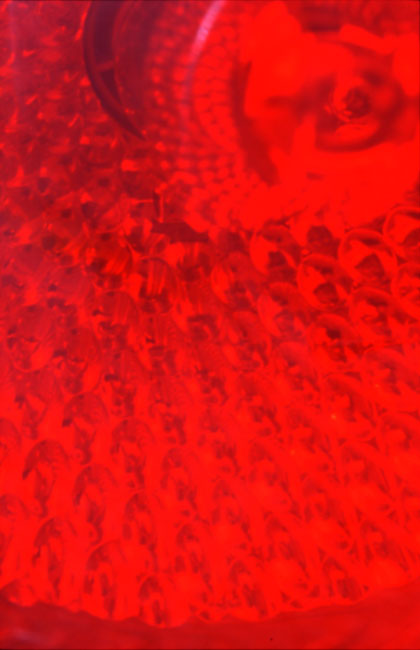
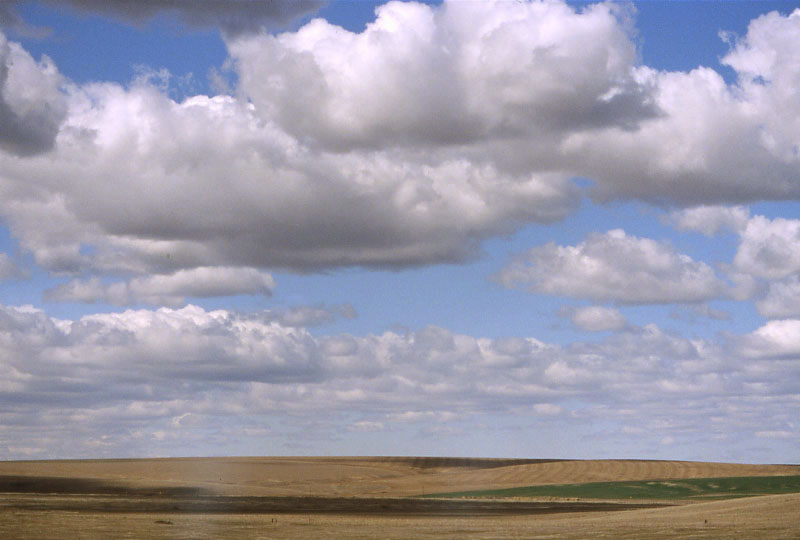
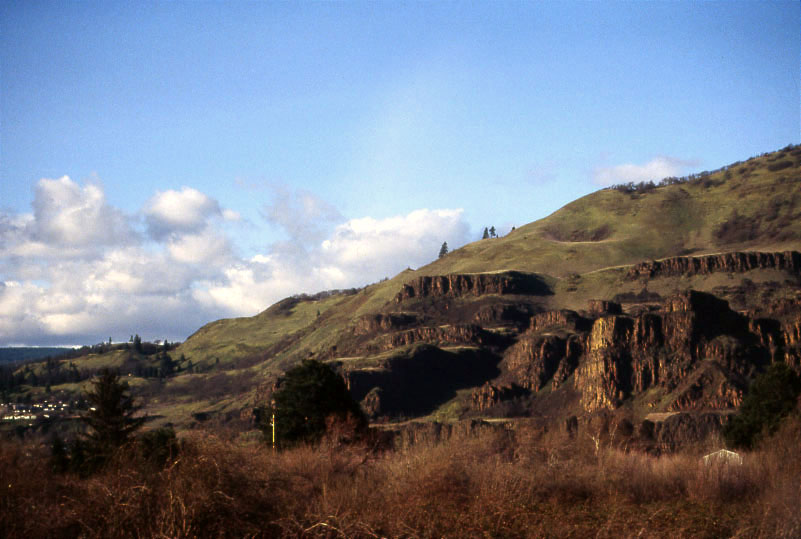
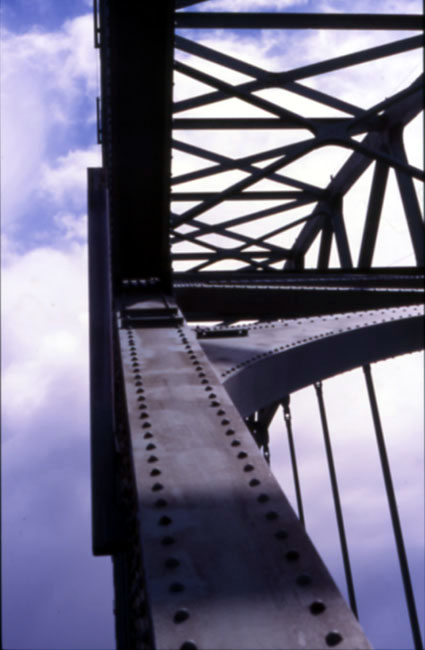
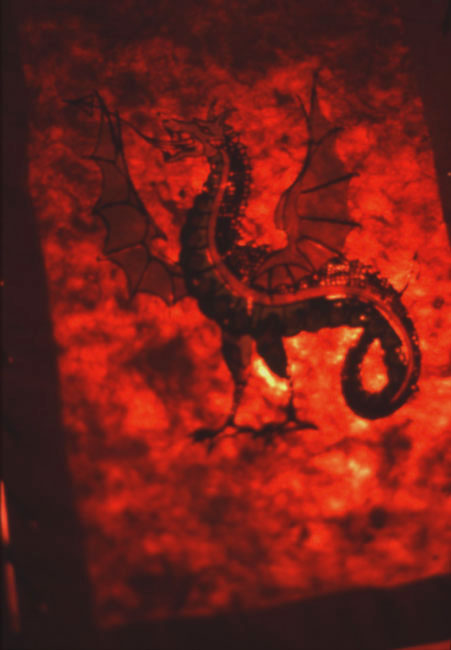
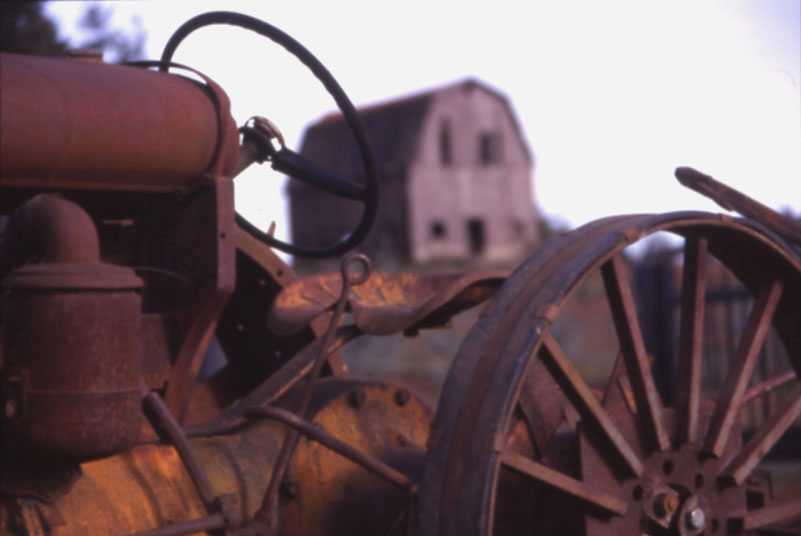
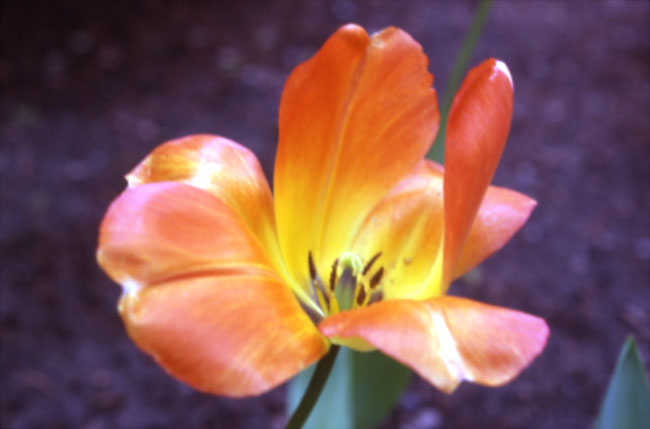
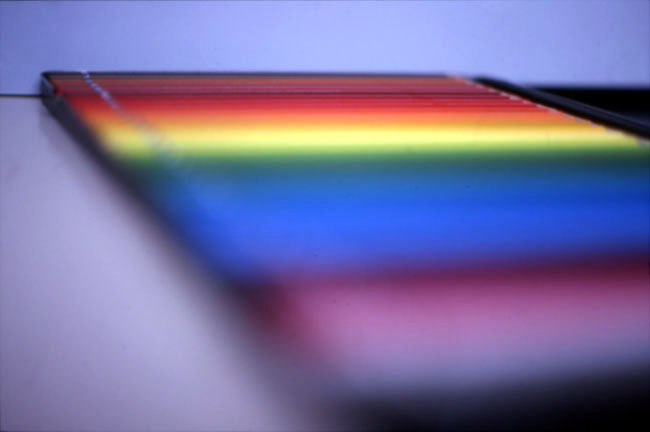
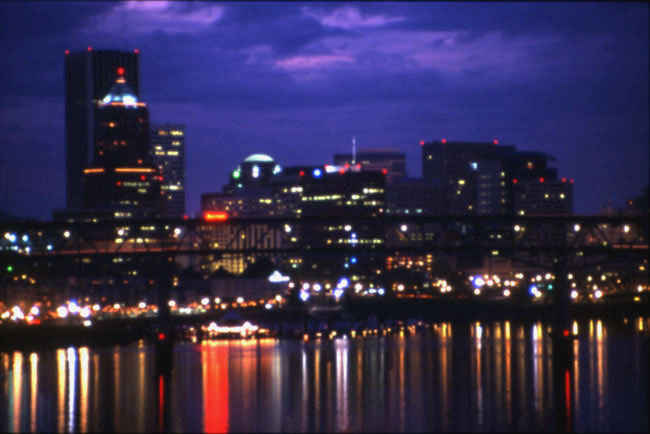
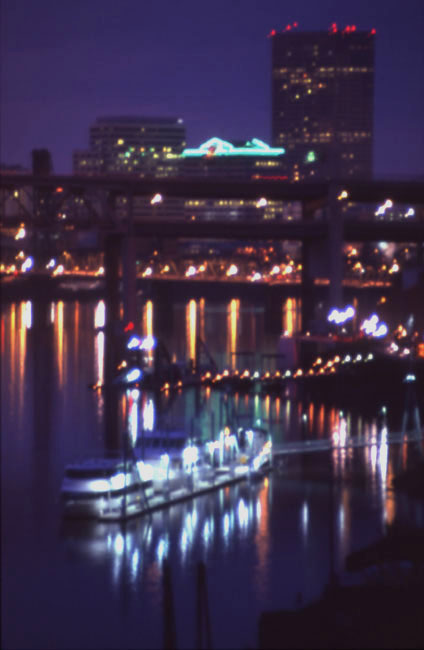
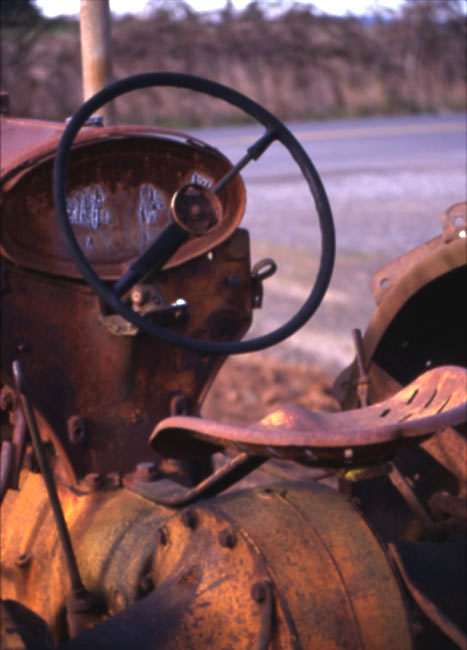
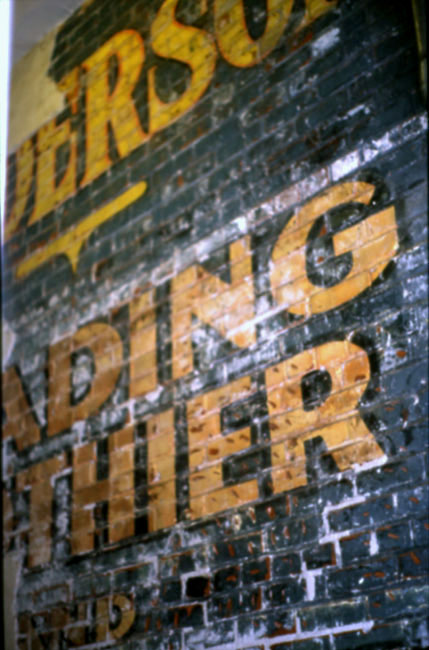
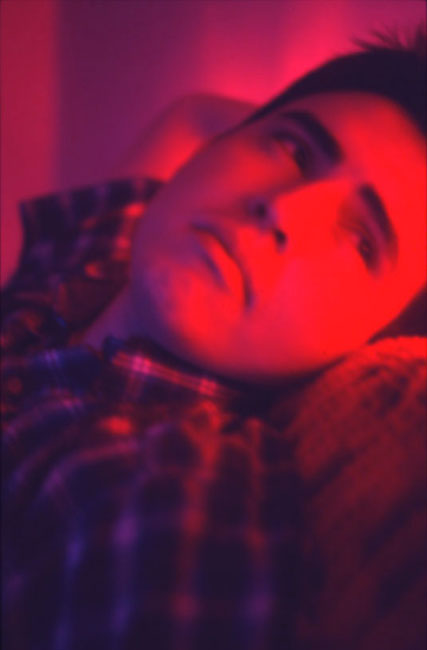
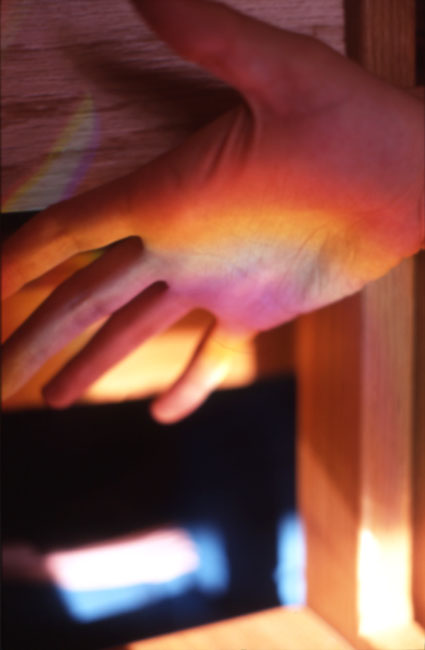
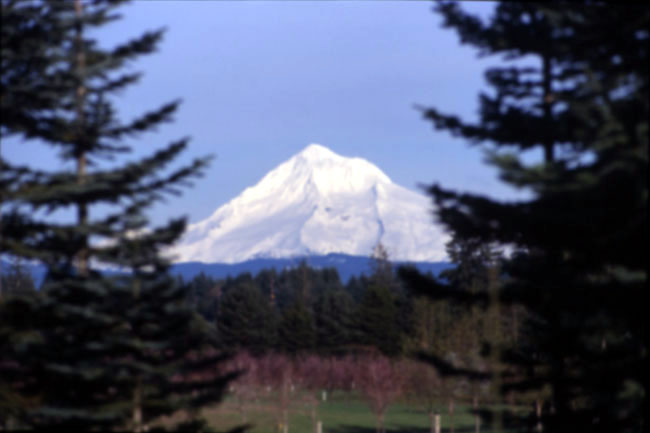
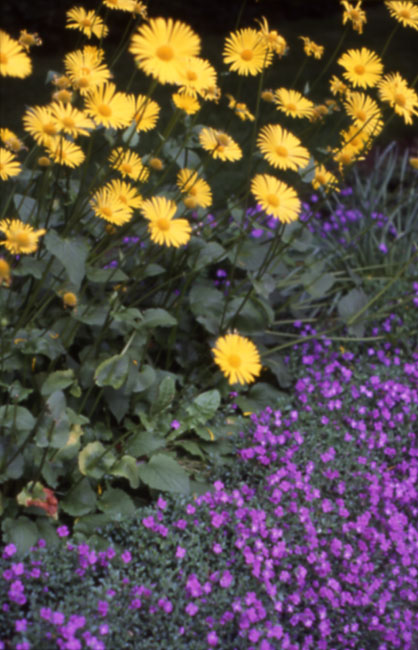
I suppose I shall describe where each of these photographs were taken and perhaps by which means (if I feel so inclined). *grin* *clears throat* Let's begin. 01) This is macro photography using a close-up filter of my car's taillight x1. 02) The same taillight x3. 03) The same taillight with x3 and x2 filters. 04) The skyline on one of many trips returning to Portland from Spokane. 05) Also on the trip back from Spokane. I really like how this one is split exactly into thirds. 06) This is the well-known bridge of Lincoln City. As we were driving across is, I just had to stop. 07) My red dragon lantern. 08) As I was chasing Mt. Hood so I could capture a good photograph of it, I saw this old barn. While taking picture of the barn, I realized that directly behind me was a rusty tractor. Ah! idea. Put both of them into the same picture. Brilliant. 09) Some more close-up photography of the prettiest color tulip I've ever seen. 10) The entire semester my professor, Jim, encouraged us to capture bright colors. This was difficult for me. One day, as I was coloring (I like to color) I looked at my pencils and ah! idea. 11) This was taken from the Ross Island Bridge in Portland. I want to thank Tiffany for standing on that freezing-ass cold bridge for over an hour waiting for the sun to set. 12) Another cityscape from the Ross Island Bridge. 13) Rusty tractor. 14) While waiting on the bridge for the sun to set, an abulance squealed by and I took this photograph with a long shudder speed so that it would blur and create these interesting light shapes. 15) It's pretty amazing how interesting Forest Grove actually is. This old wall-ad was found on the side of a building. This section of the building just happens to lead to some stairs that go right up on top of some old stores in Forest Grove. Up these stairs are a set of apartments, right on top of the shops. 16) Jacob was sitting on my futon with my red ropes lights casting a scarlet hue on his sweet little face. If you look really closely, you can also see a hint of blue coming from the television. 17) This one? This one's a secrect. If you ask real nice-like, I just may tell you. 18) Geeze, I chased Mt. Hood for what seemed like days trying to find the right place for some photographs. I'm not sure where I ended up, but it was worth it. 19) Some flowers in the yard of a local Forest Grover. 20) I have this narcisstic obsession and I frequently crave taking photographs of myself. Well, I succumbed to the urge. The result.
|
|
|
|
|
|
|
|
|
|
|
|
|
|
|
|
|
|
|
|
|
|
|
|
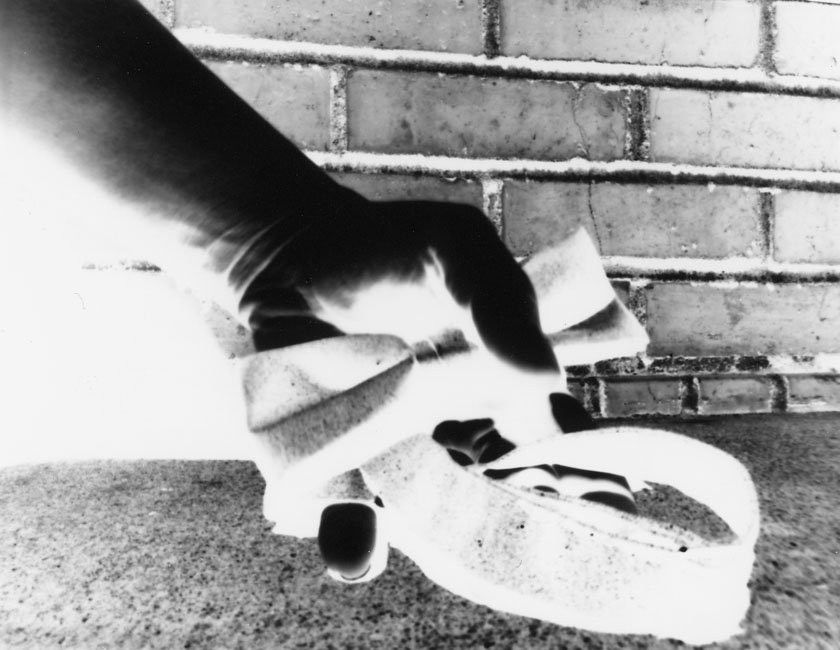
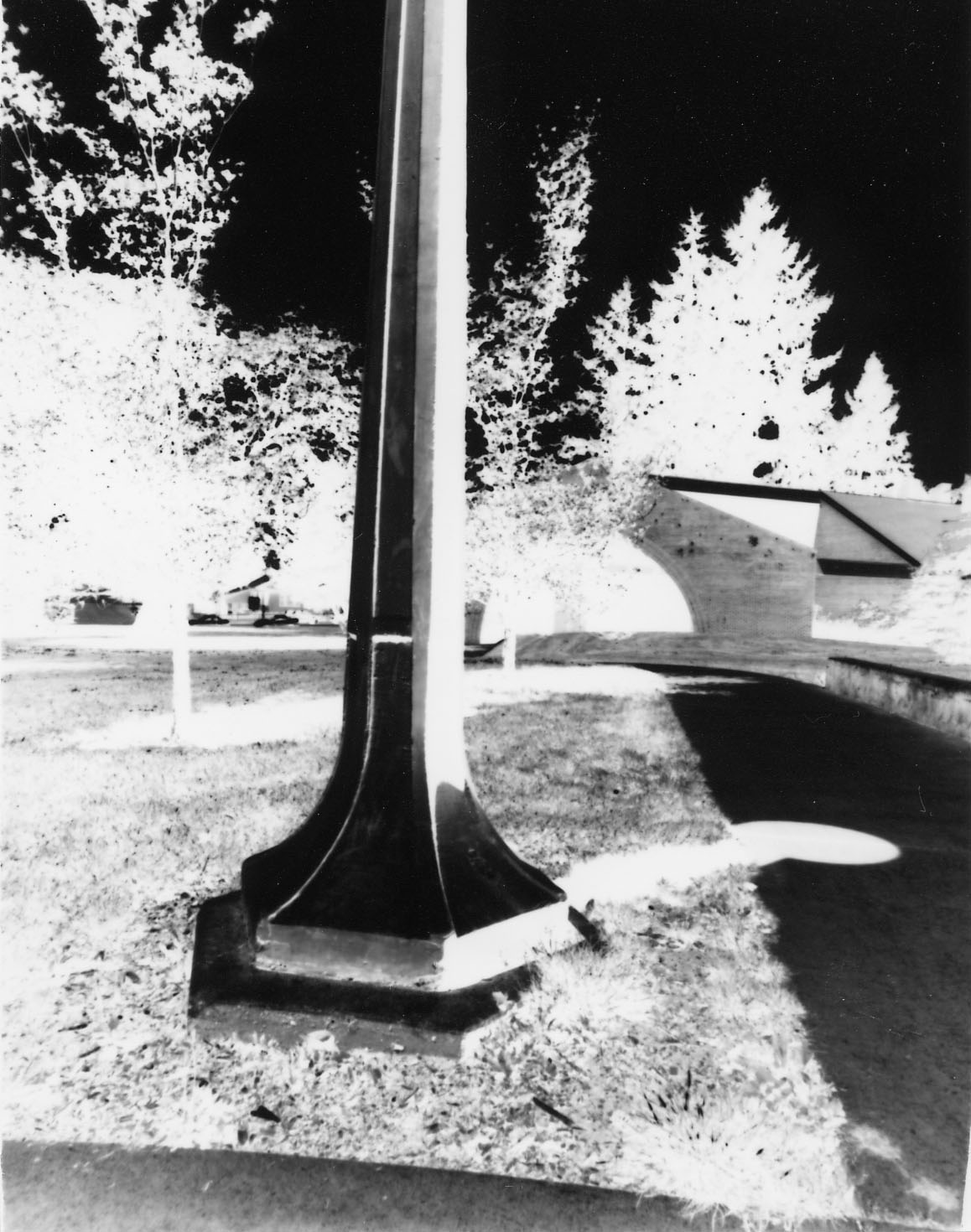
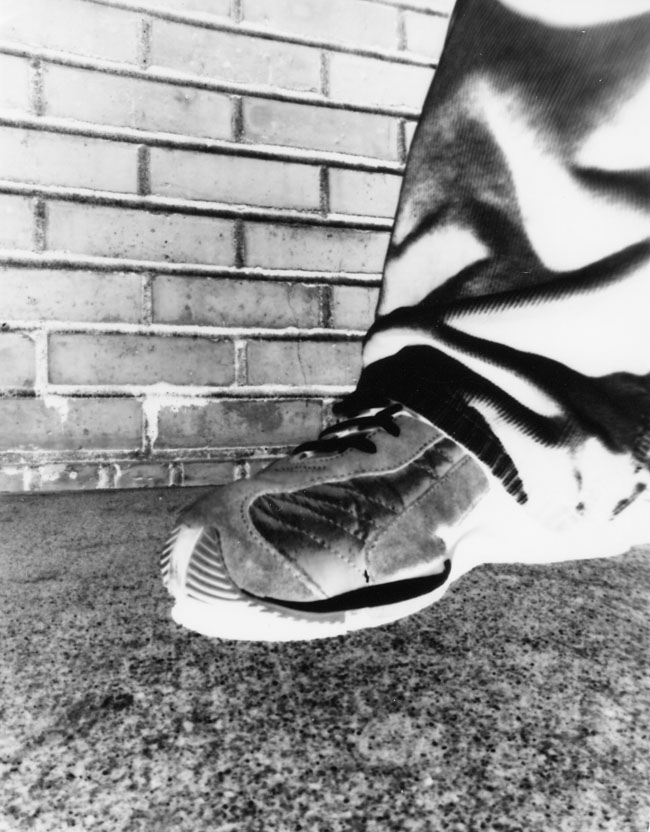
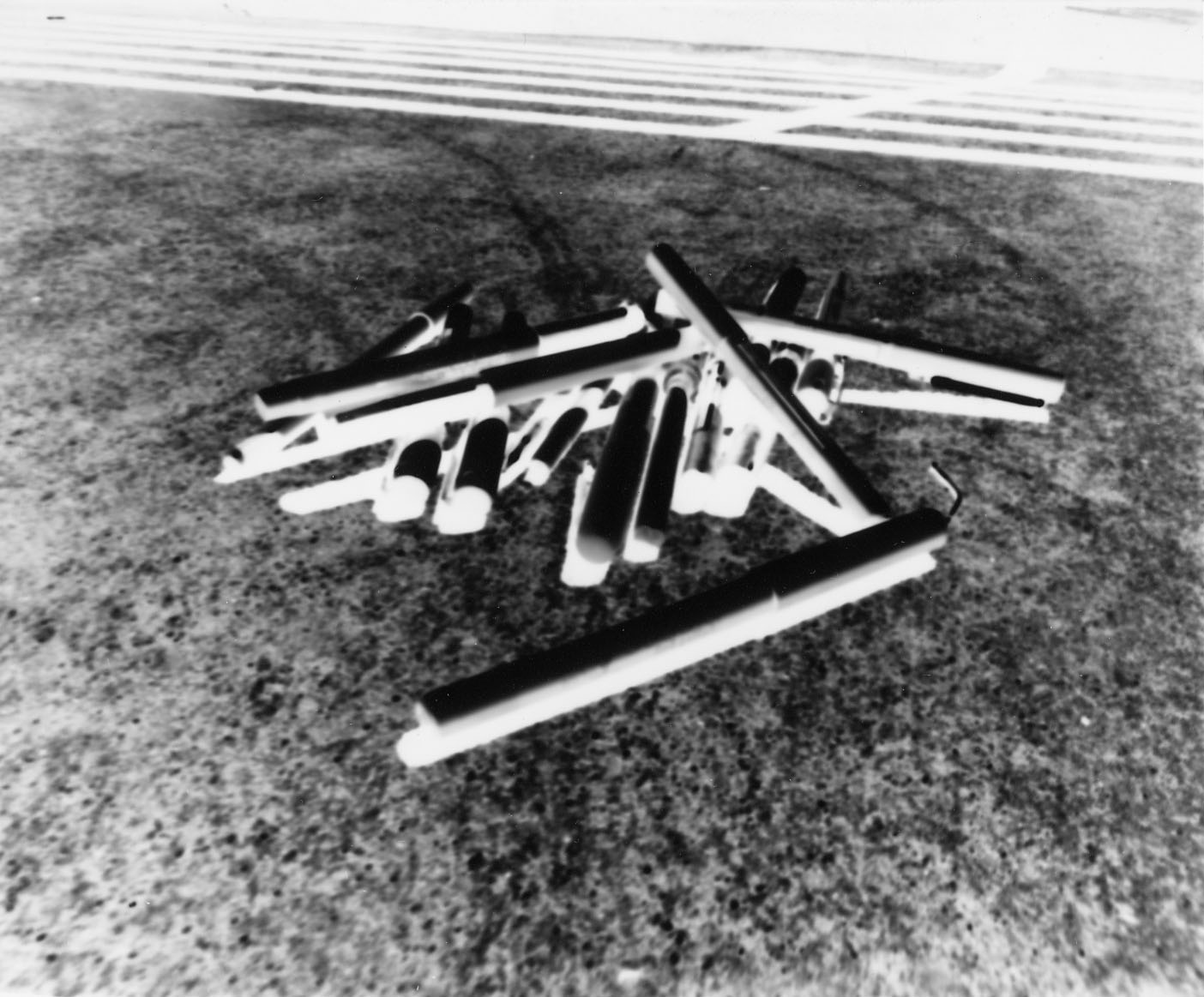
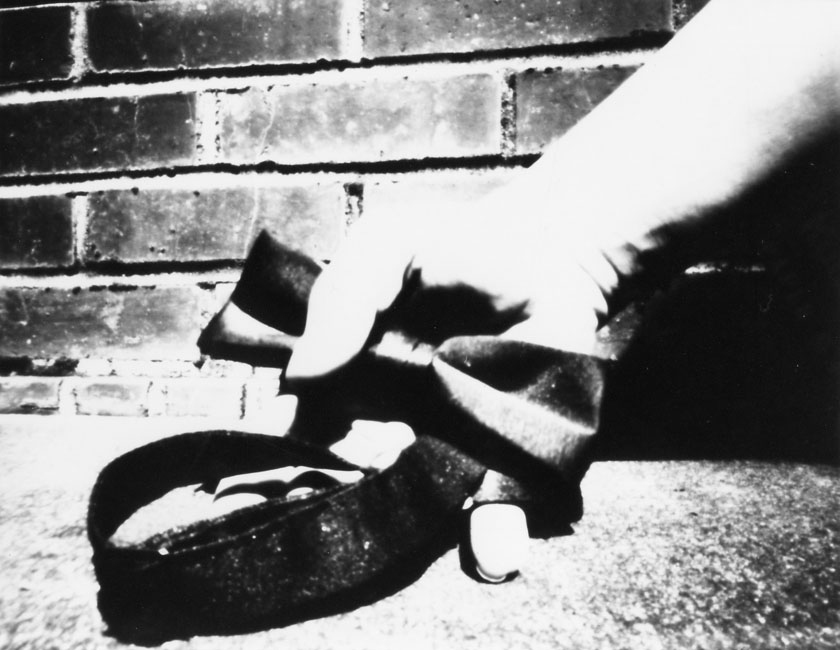
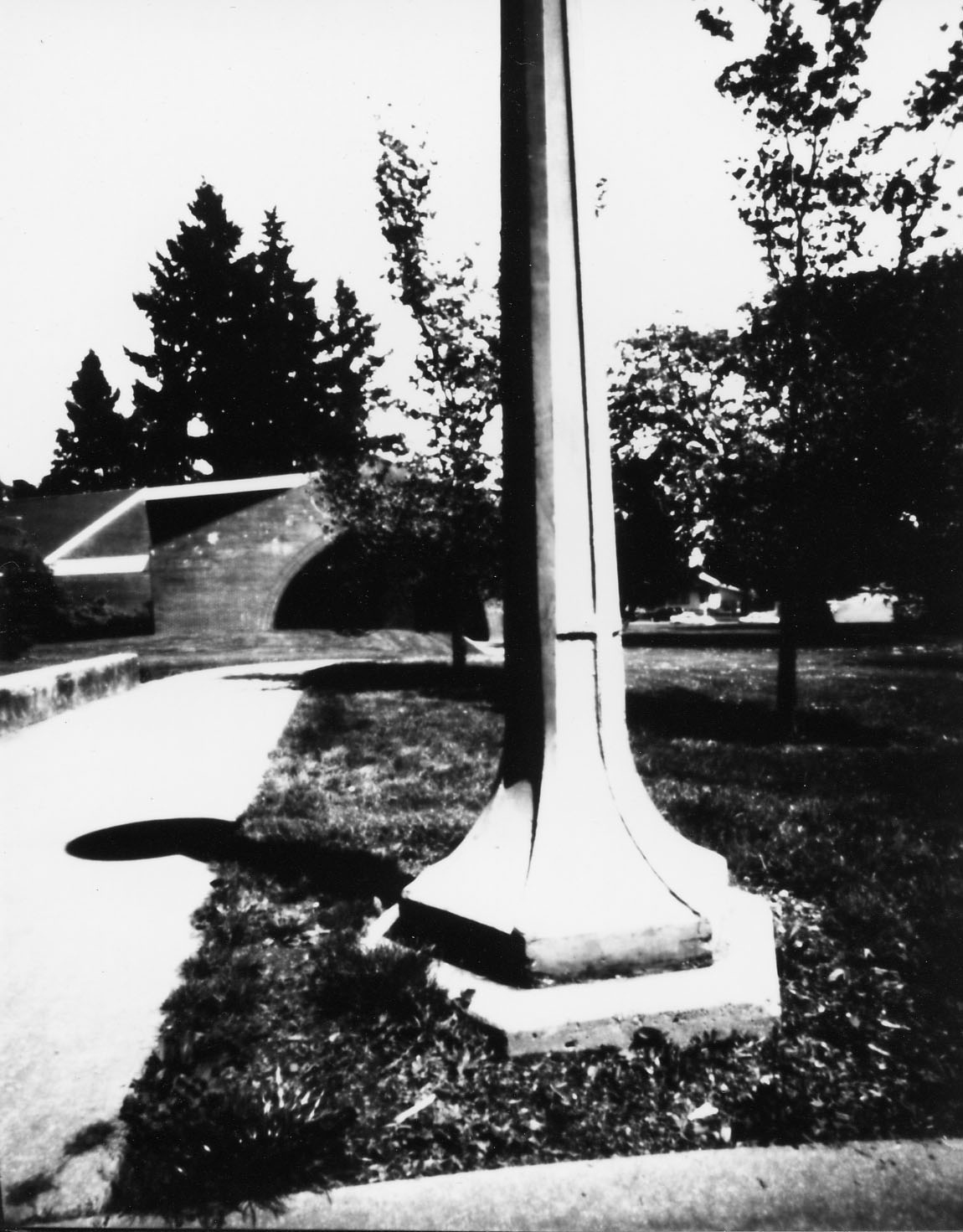
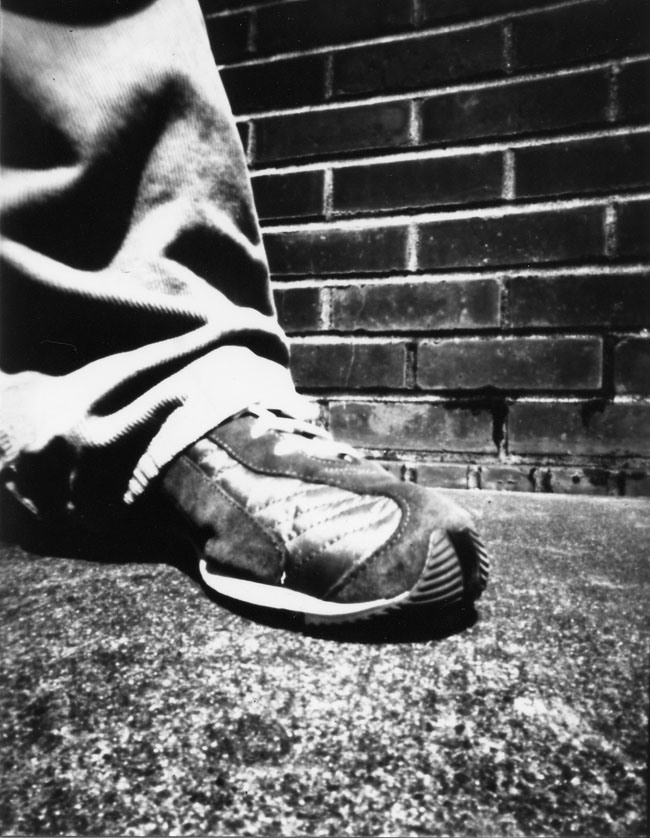
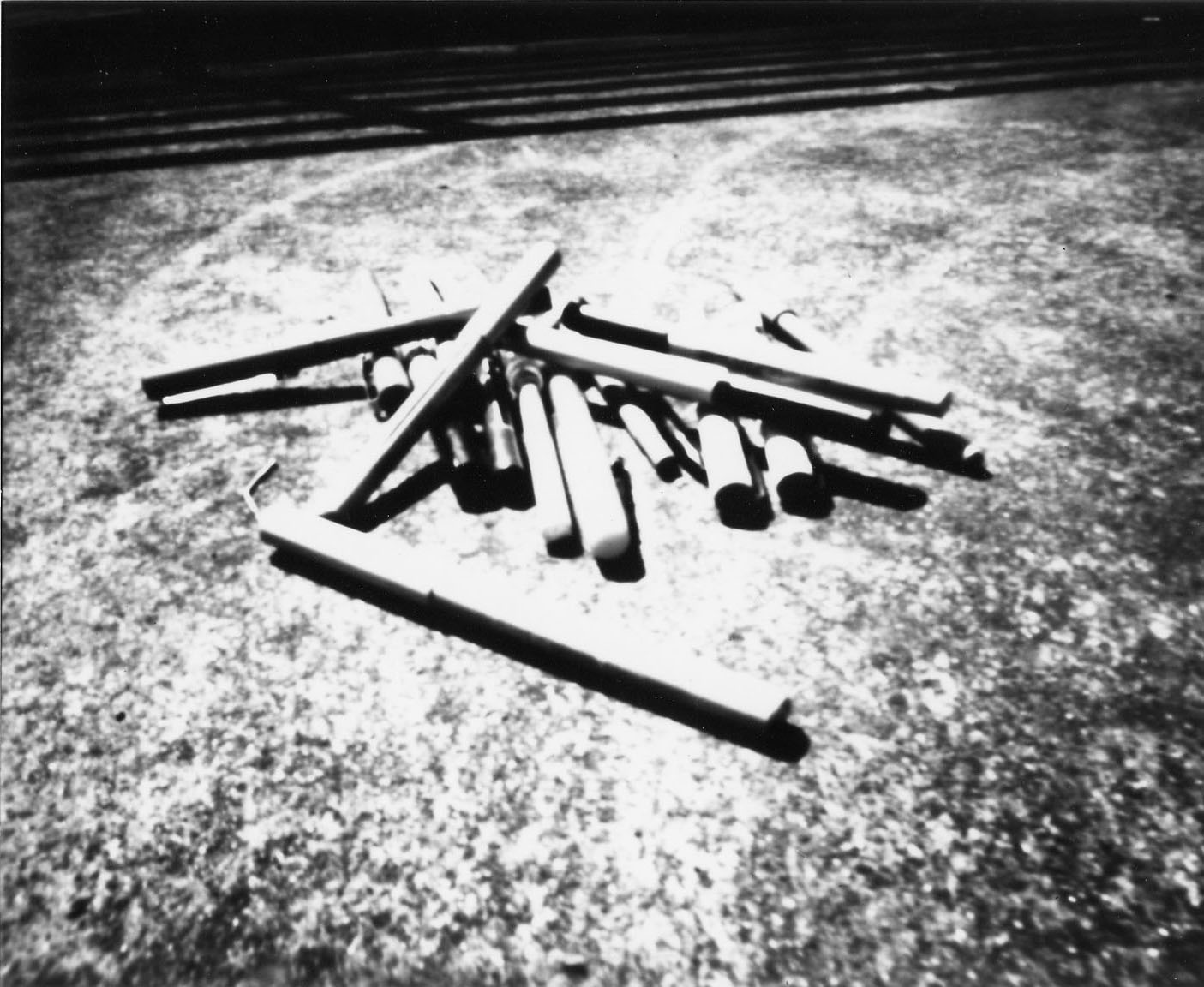
This section of my portfolio is black and white because it was all shot using a pinhole camera. A pinhole camera is the technique of shooting photographs straight onto photo-sensitive paper. This is how the first photography cameras were made, though they used something different than photo-sensitive paper (it was a bit more complicated). The pinhole camera is made of a light tight box with the smallest hole in it, I think it's 1/6500 mm. The photographer sets the camera in front of the subject and opens the pinhole. Time is the only variable. It is time that determines the amount of light that is cast onto the photo-sensitive paper. The general rule, the more shadow/dark overcast - the longer one exposes the paper, the brighter sun - the less one exposes the paper. It's terribly hard to determine the amount of time needed to achieve the correct exposure. It's tricky. Once the paper has been developed, the photographer has a negative of the photograph which she must make a positive from. The top row of the table has the negatives and the bottom row are the positives.
 |
 |
 |
 |
 |
 |
 |
 |
|home|
|see my photographs|see my illustations|see my animations|