The
Truth About Guard Dogs
"Guard dog" or "security dog" companies are
listed in the yellow pages, just like any other company pitching a service or a
product. The dogs are essentially treated like commodities that are leased and
sold for profit.
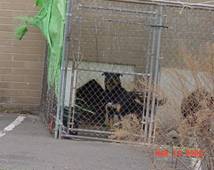
As "working dogs" most guard dogs are given only the care
required to ensure that they will be able to perform their so-called job. State
anti-cruelty laws apply to guard dogs, but the insidious nature of the neglect
which guard dogs are likely to endure makes their plight one which cannot be
properly addressed by these laws. This is especially true since guard dog
companies often "rotate" dogs, making it nearly impossible for anyone
to closely monitor their condition. Rotation is routine practice in the industry
and is intended to keep guard dogs unfamiliar with their location in order to
prevent them from becoming "too friendly" towards people in any given
area.
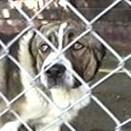
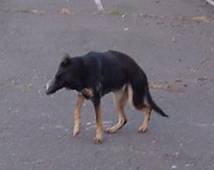
New Jersey law permits the commercial use of dogs as guards despite
the inherent risks to the animals. For example, in Newark and Jersey City,
guard dogs are placed on vacant, run-down properties where they are regularly
exposed to hazards including shattered glass, rotting garbage, insecure
construction and malicious passers-by. Owners of guard dog companies which
lease and/or sell guard dogs are motivated by economic interests and the people
with whom they contract are preoccupied with protecting their property. The
animals' interests are not taken into consideration in this business equation.
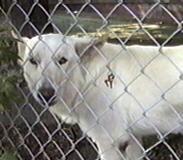
Some guard dogs are clearly not vicious killers. Many of these dogs
used to live with families who surrendered or abandoned them. However, the
nature of the guard dog business is to promote dog aggression. Abuse and
isolation can turn even a friendly dog into a biter and so dangerous dogs do
exist in the industry.
Ironically, when a guard dog does act aggressively, he may face
punishment or even death. In May 2001, two guard dogs were shot to death in