| OVERALL ASSESSMENT: I had a great time traveling in northern Laos. This area of the country has dramatically beautiful mountains, lush countryside, traditional villages, and atmospheric old French colonial cities. And, oh yes, except for the capital city Vientiane, it's still amazingly cheap. No wonder travelers spend most of their time visiting this section of the country. This report is based on travel during September-October 2003. Rating: a very strong thumbs up. Go now before it becomes another Thailand!
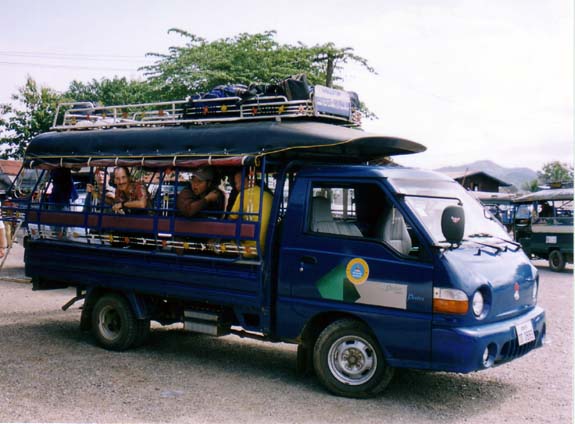
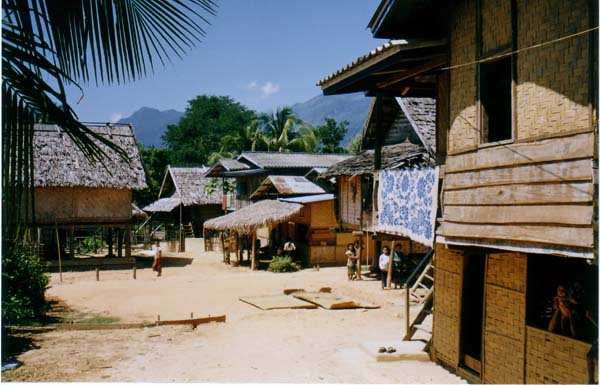
NOTE: I traveled through what has become quite well established tourist spots and I heard of no violence or robberies. Outside of the main cities Laos is dominated by small villages with people living in bamboo thatched huts with chickens and pigs and water buffalo and dogs and children all running around in one big happy and dirty mess. Many villages still do not have electricity or running water, and it is quite common to see people bathing in rivers or bamboo spouts that have been affixed to mountain rivulets. Though Laos is very poor, it is generally easy to access the main tourist destinations using busses, boats, minivans, and the occasional saengtaew truck (an open-air truck with long seats in the back). The Laotian Kip has become a surprisingly stabilized currency at around 1U$=10,000+ Kip and though the government is finally issuing large denomination notes, don't be surprised if when you change money you are given back your Kip in a large bag!! U$ dollars are also accepted for large purchases or at your guest house. In the cities it is easy to change traveler's checks at any of the government banks and they all give the same rate and there is no commission. To my knowledge there are no ATMs to use your debit card with. Not yet, anyway. In most places it is easy to find accomodation ranging from U$1 to U$5, and an average meal is between U$1-2.
- Vientiane. The capital of Laos is the busiest, noisiest, and most Thai influenced city in the country. It's also the most expensive, with a decent air-con room costing around U$10 per night, though non air-con and inexpensive dorm rooms can still be found. The streets are jammed with cars and motorbikes, and you can't walk more than a few meters/feet without some tuk tuk driver trying to get you into his vehicle. They're a bit of an annoyance, but quickly take "no" for an answer. I didn't do much sightseeing here as I had visited the city years ago. The annual boat racing festival was in full swing and the day market along the Mekong River was packed with Laotians thoroughly enjoying themselves. It had a carnival atmosphere with ear deafening music. The capitol is a good place to get your Cambodian visa cheaply and quickly. I enjoyed hanging out at the Khap Jai Deux (spelling?) bar and restaurant which seemed to attract a lot of farangs and locals alike.
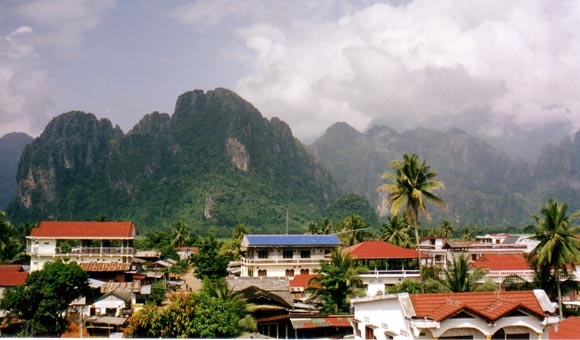
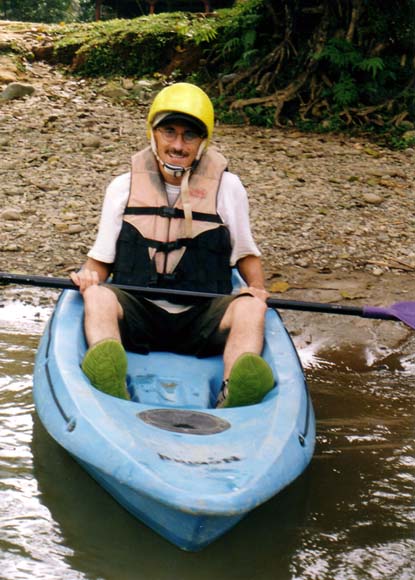
- Vang Vieng. With air-con minivans conveniently running between Vientiane and Vang Vieng in a couple of hours, this once sleepy town has now become the place to be. With an incredible number of guest houses and no lack of restaurants people often refer to it as the "Khao San Road" of Laos. The city is set along the Nam Song River with karst limestone mountains providing the background. There is plenty of activities to keep you busy such as kayaking, tubing, and caving, but to a large extent it's just one big party scene. There are not too many places in South East Asia still selling "happy pizzas", but VV is one of them! Tubing in VV is an experience unto itself. As you slowly float down the Nam Song there are numerous stations along the banks where you can stop for liquid or other types of refreshments. You can then continue down the river with a Beer Lao in one hand and 'cigarette' in the other and not a worry in the world. Not surprisingly many people find it hard to leave, though if you're looking for a Laotian cultural experience, this is not the place to find it.
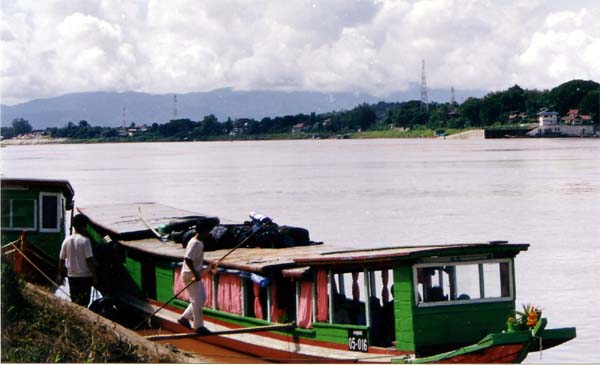
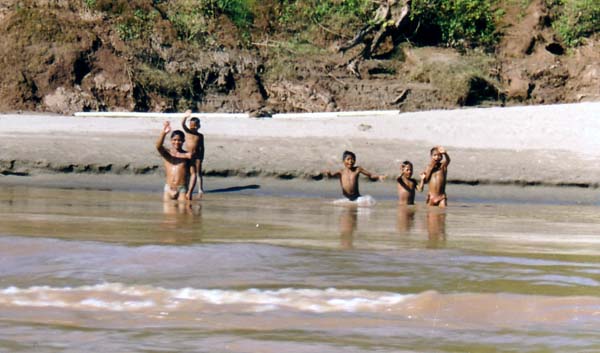
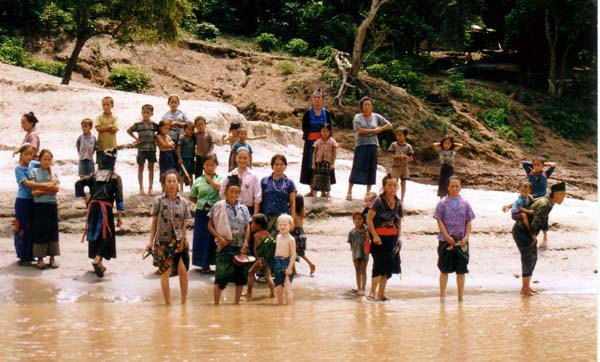
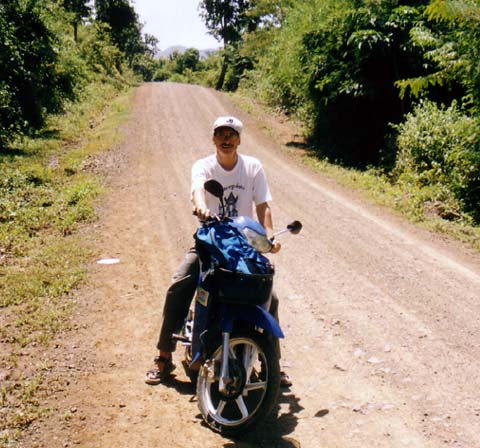
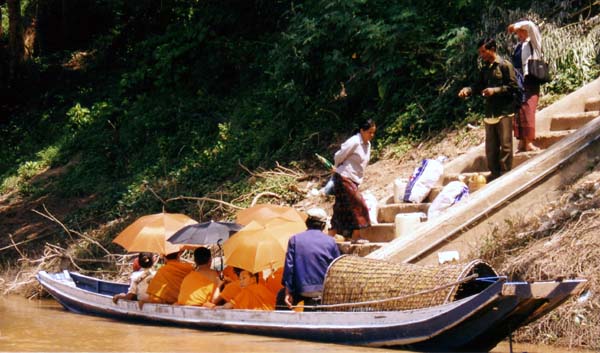
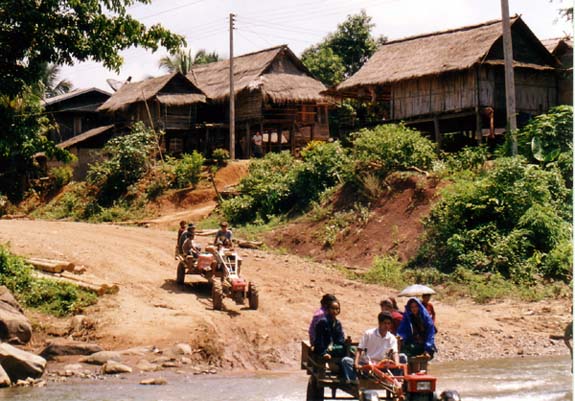
- Luang Prabang. I took the rather boring 2-day slow boat from Thailand down the Mekong River to Luang Prabang. Sometimes we passed kids playing in the muddy river and when we stopped to pick up someone going to the big city seemingly the entire village would show up to send them off. This incredibly atmospheric French colonial city situated at the confluence of the Mekong and Nam Khan rivers has quite rightly been declared a UN World Heritage Site. The peninsular downtown area is dominated by beautiful old buildings, most of which have already been restored or are in the restoration process. There are numerous restaurants with extensive western menus where you can dine 'al fresco' and watch the parasol protected saffron monks slowly wander by while you sip a delicious cup of Lao coffee sweetened with thick condensed milk. Truly, what more could any tourist ask for?! The best way to visit the surrounding countryside is to hire a motorbike. Hells Angels watch out! I also took a ferry across the Mekong to explore the villages opposite LP where there are almost no cars or motorbikes and the locals rely on Chinese tractor trailors for transport.
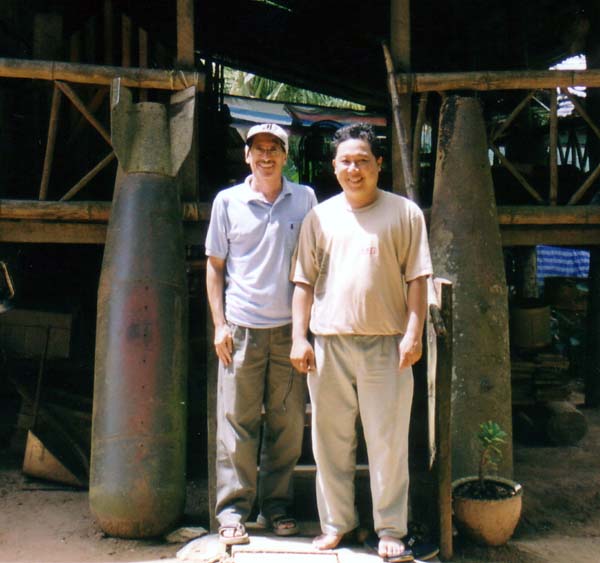
- Nong Kheaw. It's a 5-hour trip from Luang Prabang through dramatic twisting mountainous roads on a saengtaew truck where the Sunset Guest House owner proudly displays relics of the US bombing campaign. Nowadays people rarely stop at Nong Kheaw, giving it a somewhat deserted atmosphere, and instead head directly upriver to Muong Ngoi, which is unfortunate for it's a beautiful spot with karst mountains similar to Vang Vieng and nice walks to caves and villages.
- Muong Ngoi. This small one dirt-road village accessible only by an hour boat trip from Nong Kheaw has quickly become a traveler's hangout with over 20 guest houses providing bamboo huts strategically perched overlooking the Nam Ou river. It's a beautiful mountain setting and gets pleasantly cool at night due to the altitude. The village could become over run in the high season by hordes of backpackers, but during the slow season it seems that the village is handling things pretty well. Be forewarned, however, that when I was there the first bar specifically aimed at foreigners opened up, so can the end be far behind? Activities include day trips to a local waterfall which take you through a typical Laotian village, but for the most part this is a place to ''chill'' and swing on your porch hammock and watch the world float by below. There is no electricty except from 6 pm -10 pm when each guest house fires up their generators. There are no cars or motorbikes to be found, but the locals all own boats and the roar of a speed boat is at least equal to any tuk-tuk.
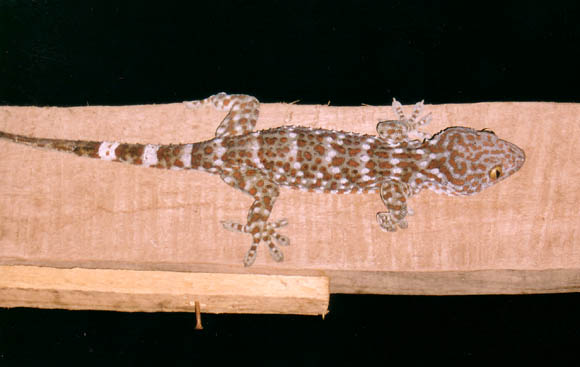
TRAVELER'S ALERT: Virutally every structure in Muong Ngoi is infested with rats. The story goes that about 5 years ago they set out to poison all the rats, but inadvertantly poisoned all the cats and dogs instead, leading to the present rat explosion. I had rats in both bungalows I stayed in, and most people reported the same. I personally found this unacceptable, and only stayed 2 nights. I just couldn't sleep very well with rats running in the rafters! Fortunately rats weren't the only beasts around as one night I manged to photograph the elusive source of the "kar-char" sound of Southeast Asia prouced by the chameleon like gecko.
Comments? E-mail me at [email protected].
Return to
Travel Reports |