 |
|
|
|
|
|
|
|
|
|
|
|
|
|
|
|
|
|
|
|
|
|
|
|
|
 |
|
|
|
 |
|
|
|
|
|
With the final blowing of the Shofar, The Jewish High Holy Days draw to a close and the focus of the Jewish community shifts from the solemnness of Yom Kippur to the jubilant celebration of the festival of Sukkot. Sukkoth begins on the 15th day of the Hebrew month of Tishri, which is 5 days after Yom Kippur.
The festival of Sukkot, also known as Chag'ha Succot, the "Feast of Booths" (or Tabernacles), is named for the huts (sukkah) that Moses and the Israelites lived in as they wandered the desert for 40 years before they reached the Promised Land. |
|
|
 |
|
|
|
|
|
|
Etrog, Lulav and the Four Species
"and you shall take of yourselves on the first day (of Sukkot) the fruit of a goodly tree, a palm branch, the myrtle branch, and the willow of the brook; and you shall rejoice before the L-rd your G-d seven days"
Leviticus 23:40
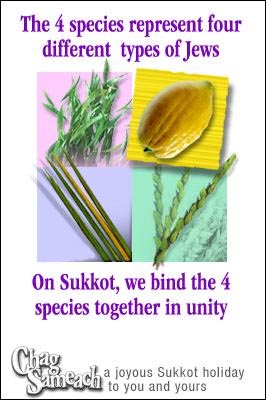
Of the many symbols associated with Sukkot the most important are the Four Species. The Four Species are:
Etrog - The fruit of the goodly tree, also known as the citron.
Palm branch - know as the lulav
Myrtle - the hadas
Willow - the aravah |
|
|
 |
|
|
|
|
|
|
 |
|
|
|
Examples of Sukkot |
|
|
|
|
|
|
|
|
 |
|
|
|
 |
|
|
|
|
|
|
|
|
|
|
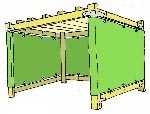
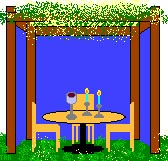
The focal point of the festival is the sukkah. Sukkot is the plural form of sukkah, which means "covering" or "shelter". Those who observe Sukkot build and live in a sukkah for seven days. These huts are constructed as temporary shelters and the roof is covered with foliage which is spaced to let the light in. Inside the hut are hung fruits and vegetables, including apples, grapes, corn, and pomegranates. The families eat their meals in the huts under the evening sky. Though most people limit their activities in the sukkah to eating; some, depending on climate and location, sleep in the sukkah as well. |
|
|
|
|
|
Another important part of the Sukkot observation is hospitality. It is important to share your meals with others. In fact this sharing is so important that the holiday is also know as Chag Ha'asif, Festival of the Ingathering.
Throughout the year, a portion of the Torah is read every week. On Simchat Torah the final passages from Deuteronomy are read. The reading of the Torah is concluded and is started again. |
|
|
|
The two days immediately following after the seven days of Sukkot are two serarate holidays.
Shemini Atzeret is Tishri 22 and Simchat Torah is Tishri 23. |
|