technoburb
the new urban form
there are 2 primary conceptual
considerations informing the design of the technoburb:
information
technology
- the information revolution
has changed our lives in profound ways, and will continue to do so
- one of the ways that these
changes will impact our lives will be the blurring of the distinction between
where we work and where we live
- the "wired" worker has
much more flexibility in their daily lives since they are able to work
from their home and on their own hours
- the following design is
an attempt to address these issues in relation to the built urban form
ecological
integration
- any development should
work in concert with the natural environment on which it is built
- in the technoburb, working
within the local environmental constraints becomes even more important;
in a world that is becoming increasingly global, it is of paramount importance
to accentuate the 'genius loci' of the places in which we live
- it is the intent of this
design to successfully integrate the ecological and built environments,
both literally and symbolically
technoburb
elements:
smart centre
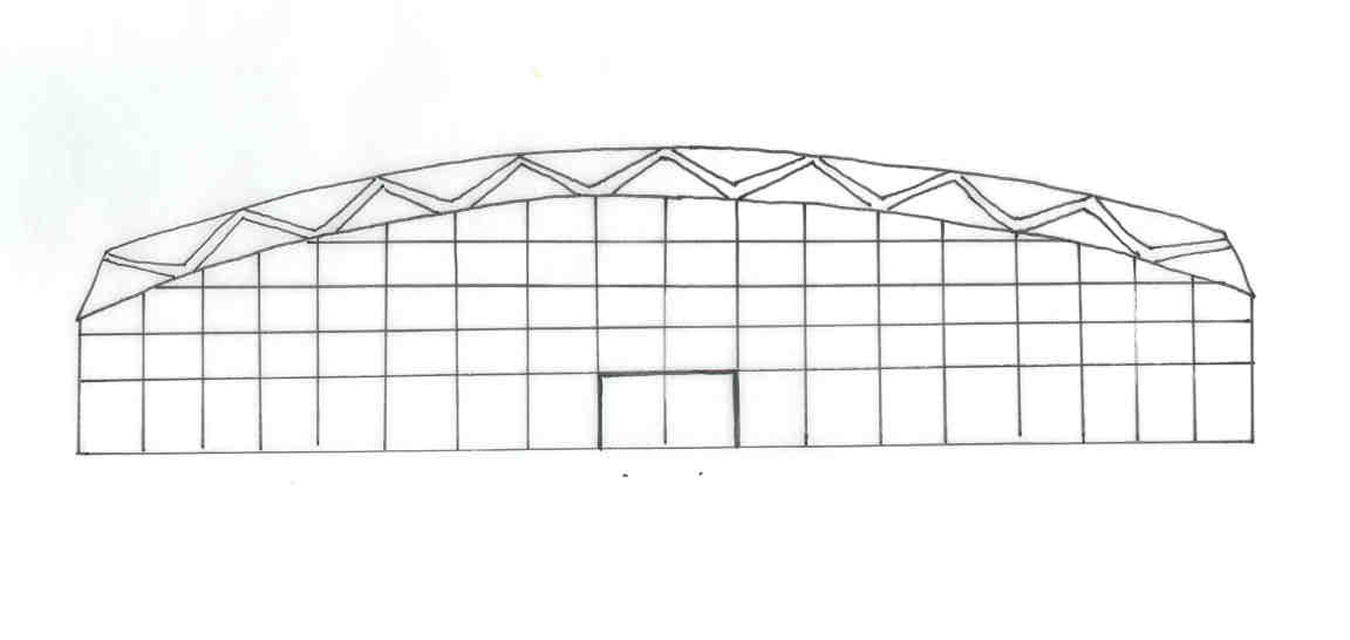
- acts as the centre for
this "wired" community
- residents pay for this
feature as other communities pay for a community centre
- this facility features
both city and mountain views, grounding it in it's unique geographical
location
- residents can come and
work at a desktop computer or plug into the information infrastructure
with their laptop
- includes meeting rooms
where techno-residents can meet with each other or with clients
information
commons
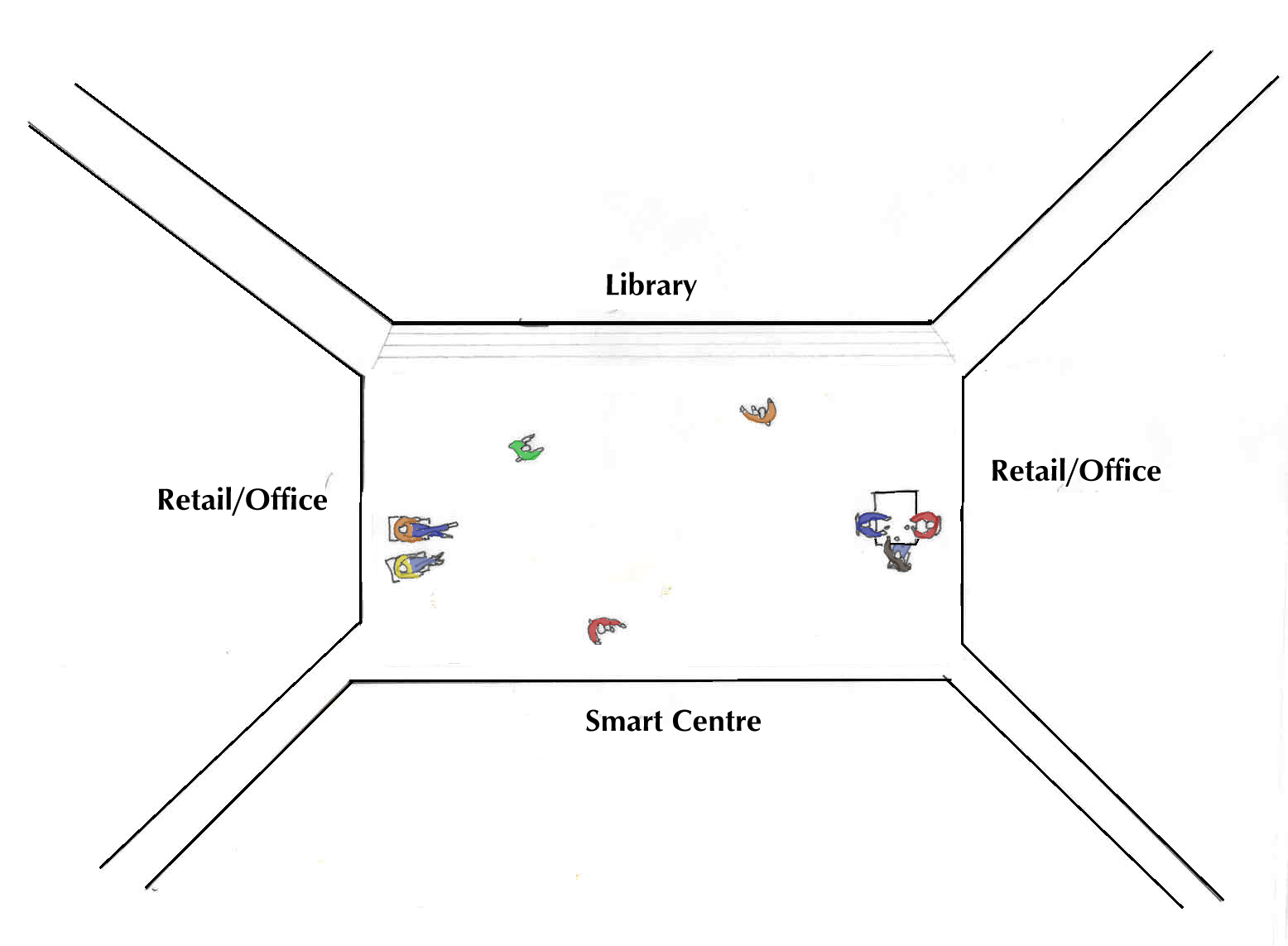
- the community square where
residents can congregate
- the library at one end
and the smart centre at the other represent a symbolic continuity of information-sharing
from the past, to the present, and into the future
- community services will
locate around this square and could include:
- coffee
shops
- restaraunts
- medical/dental
offices
- dry
cleaning
- copy
centre
- convenience
store
-these businesses can be
fully connected to the informaiton infrastructure to allow for maximum
ability of residents to "plug in" wherever they are in the community
multi-family
dwellings
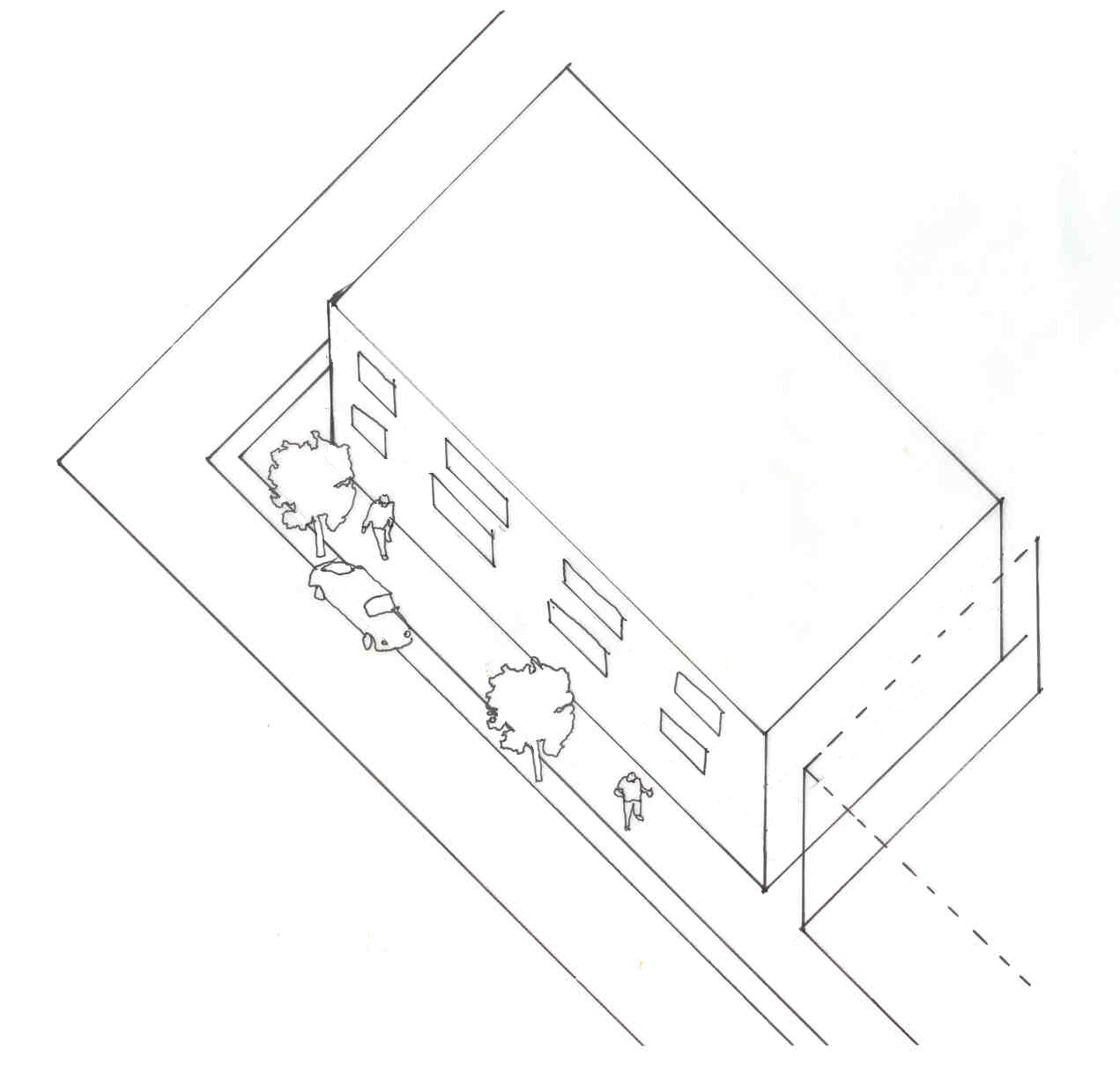
- allow residents to create
a highly flexible work schedule
- each unit will be larger
than conventional multi-unit buildings to allow for a more suitable live/work
spatial relationship
- maximum installed information
infrastructure will be standard
- rather than the allowance
for a "party room" in each structure, the buildings will have a multi-media
enabled meeting room to increase the ability of residents to successfully
work out of their homeplace
- in order to increase energy
efficiency for these complexes, District Energy Systems is an option to
further investigate
single family
dwellings
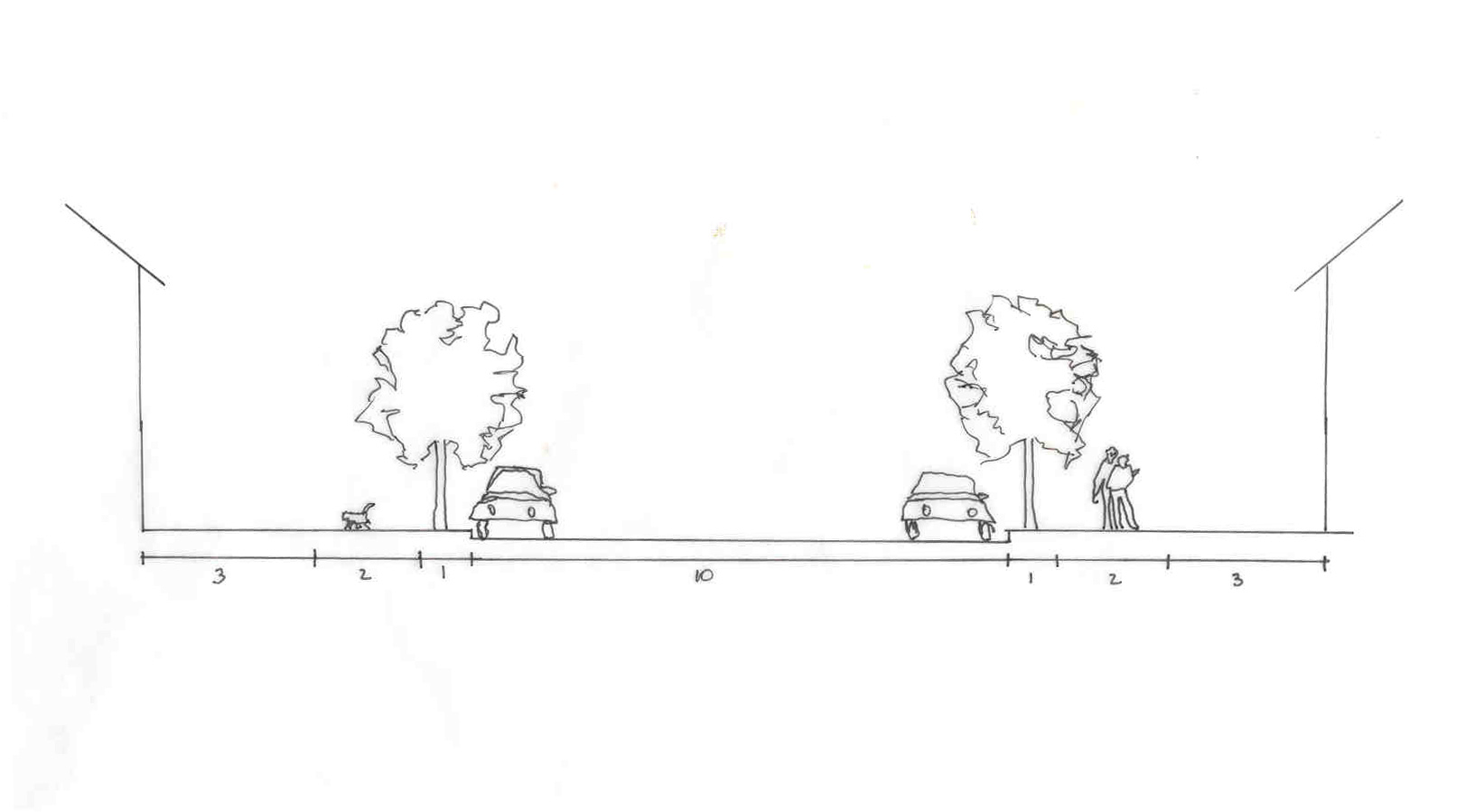
- as with the multi-family
dwellings, these structures will be designed to provide more specific wori-in-home
space and will have the maximum available infrastructure
- parking in these areas
will be limited to on-street; there will be no front garages, and back
lanes will be unpaved
- the parked cars, when
combined with the close setbacks of the building front will provide a comfortable
and intimate streetscape in these areas
- these units will be designed
with the principes integrated into the CHMC's
Healthy House model; they will be fully autonomous for all water, electric,
heat, and waste removal requirements
Return
to John's Urban Design Page