 |
|
|
|
|
|
|
|
|
|
|
|
|
|
|
|
|
|
|
|
|
|
|
|
|
|
|
|
|
|
|
|
|
|
|
|
|
|
|
|
|
|
|
|
|
|
|
|
|
|
|
|
|
|
|
|
|
|
|
|
|
|
|
|
|
|
|
|
|
|
|
|
|
|
|
|
|
|
|
|
|
|
|
|
|
|
|
 |
|
|
|
|
|
|
|
|
|
|
|
|
|
|
|
|
|
|
|
|
|
|
|
|
|
|
|
|
|
|
 |
|
|
HELICOPTER SAFETY GUIDANCE FOR FIRST AID AND AMBULANCE PERSONNEL Based on a document originally produced by "COUNTY AIR AMBULANCE". |
|
|
|
|
|
Graphics (a,b,c,d) by Catweasel (c) 2003. Thanks to Dangerous at ambulance999.net, Produced as a response to the increasing use of helicopters for casualty evacuation to hospitals accident and emergency facilities. Comments to [email protected] |
|
|
|
|
|
Version 3.3 October 2003 |
|
|
|
|
|
|
 |
|
|
|
 |
|
|
LANDING AREA PREPARATION |
|
|
|
|
|
LANDING AREA SAFETY |
|
|
|
|
|
|
|
1. Locate an area approximately 80ft x 80ft that is unobstructed, level and close to the scene. |
|
|
|
|
|
1. Only approach the helicopter with the flight crews permission and wait for the pilot's thumbs up. |
|
|
|
|
|
|
|
2. A white or light coloured sheet is good for spotting from 800-1000ft but should be removed and secured as soon as it established that the helicopter has seen the area. |
|
|
|
|
|
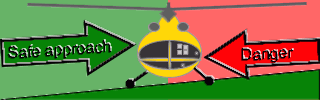
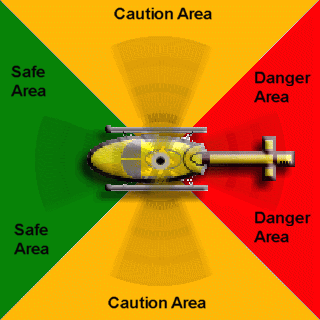
2. The only route you should take to the aircraft is within the cone of 45 degree angle from the front of it (green area in illustration d.). |
|
|
|
|
|
|
|
|
3. Never approach the helicopter from an uphill slope. as in illustration (c.) |
|
|
3. Clear the site of all loose objects, make sure all loose clothing is fastened and keep all children and animals under control . |
|
|
|
|
|
|
|
|
|
|
 |
|
|
|
(c). |
|
|
|
4. Report any obstacles (e.g.. Cables, poles, trees etc.) to the pilot if possible. |
|
|
|
|
|
|
|
|
|
|
|
|
5. Never shine lights at the helicopter. |
|
|
|
|
|
|
|
|
|
|
4. Do not walk near the tail rotor or vents and exhausts. |
|
|
|
|
6. Always wear eye protection if available. |
|
|
|
|
|
5. No flash photography or camera lights during landings or take offs. |
|
|
|
|
|
|
|
7. The crew must be informed of any hazardous materials involved i.e. Smoke, gas clouds etc. |
|
|
|
|
|
6. No running or smoking within 100ft of the aircraft. |
|
|
|
|
|
|
|
|
7. No objects to be lifted above shoulder height. |
|
|
|
|
LANDING |
|
|
|
|
|
8. Remove or secure headgear. |
|
|
|
|
|
|
|
(a.) |
|
|
|
|
|
9. No motor vehicle within 150ft of the aircraft. |
|
|
|
 |
|
|
|
|
|
|
 |
|
|
|
|
|
|
(b.) |
|
|
|
|
|
|
|
|
|
|
|
|
|
|
|
|
|
|
|
|
|
|
|
10. Close vehicle doors and windows during landings and take offs. |
|
|
|
|
|
|
|
|
|
11. Only flight crew to operate the aircraft doors. |
|
|
|
|
|
|
|
|
|
 |
|
|
|
|
|
(d.) |
|
|
|
|
|
|
|
|
|
|
|
|
|
|
|
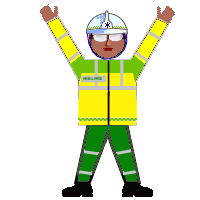
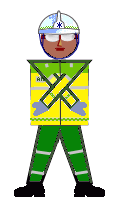
To attract the pilots attention to a suitable landing area,stand with your back to the wind, with both arms straight in the air (illustration a) and wearing a high vis jacket if available. This is the signal for land. When the helicopter is coming down then you can cross your arms in front of you (illustration b),meaning it is safe to land. If a problem is identified when the aircraft is landing such as people walking across the landing area etc, use the wave off put both arms in the air (illustration a) then cross and uncross them repeatedly above your head. (the final decision on where to land is the pilot's who may see potential dangers from the air that you have missed on the ground). |
|
|
|
|
|
|
|
|
|
|
Illustration of landing site safe/caution/danger zones, the caution areas should only be entered once close to the aircraft and a person should not enter or leave the vicinity of the aircraft via these areas. The danger area should only be entered when escorted by a member of the air crew even if the rotors are not turning. Please note stretcher loading is generally to the port (left) side or centrally from the rear of the aircrafts cabin, always follow the directions of the flight crew. |
|
|
|
|
|
|
|
|
|
THE SAFETY OF EVERYONE DEPENDS ON YOUR PROFESSIONAL CONDUCT |
|
|
|
|
|
|
|
Right click here and "save target" to download pdf version |
|
|
|
Right click here and "save target" to download ms word version |
|
|
|
|
|
|
|
|
|
 |
|