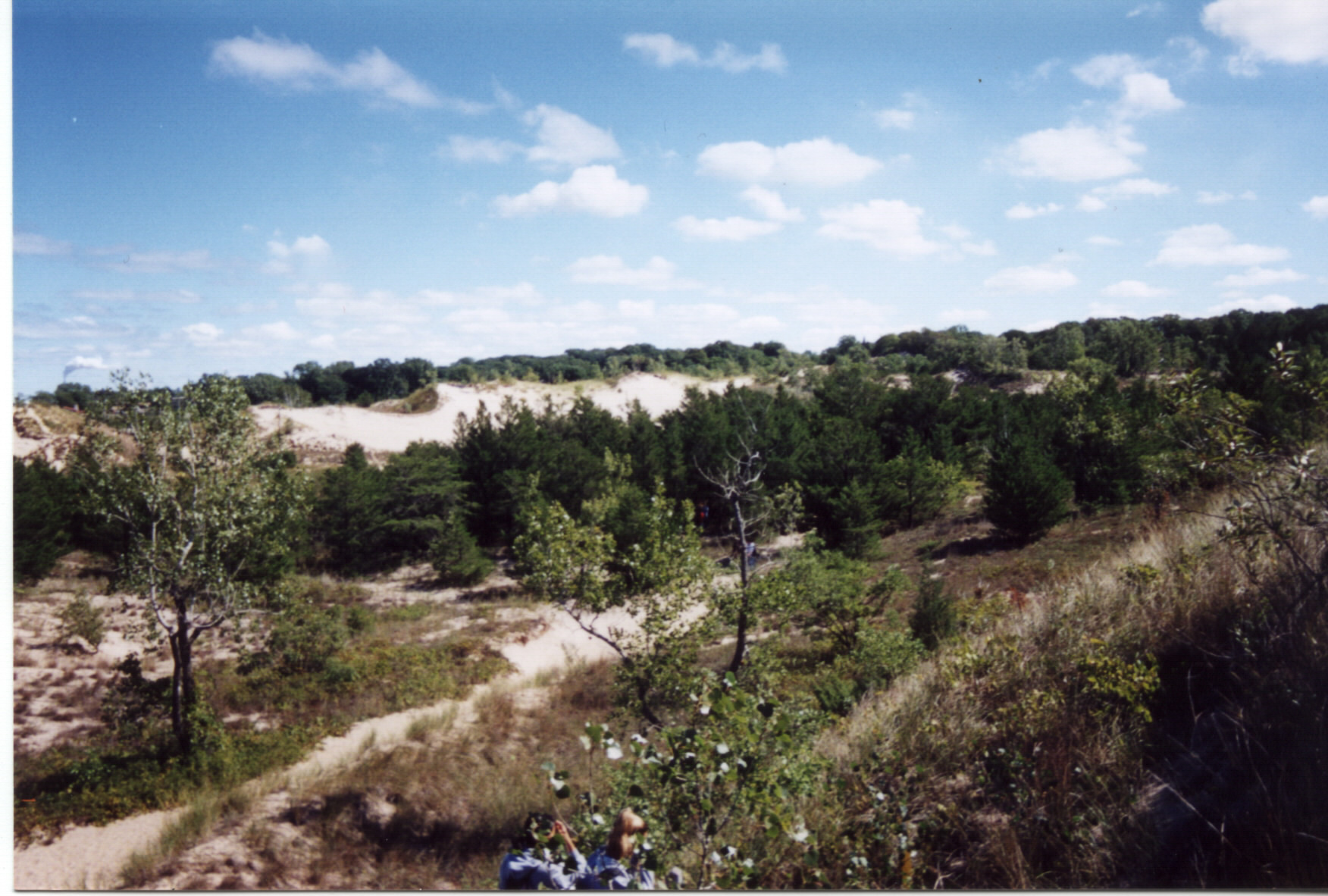
JACK PINES
Description of the Jack Pines
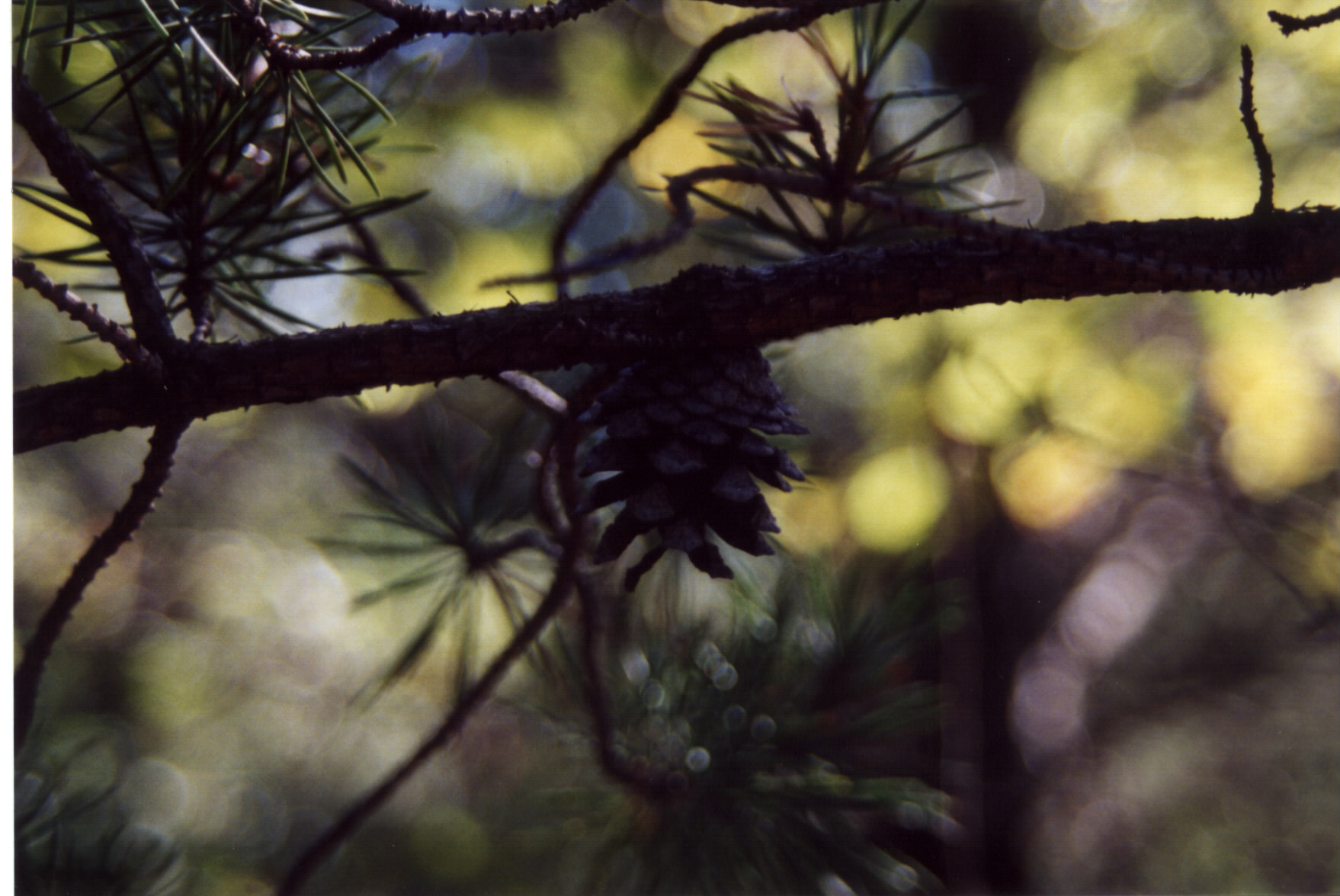
In the Jack pines, well by the name you can figure that Jack pines flourish. Jack pines are not the only plant life that are present. When you look at the Jack Pines, you can see the female part of the plant and the male part of the plant. You can also find Junipers. You can distinguish this plant by it distinct smell when you walk past the plant.
Jack Pines
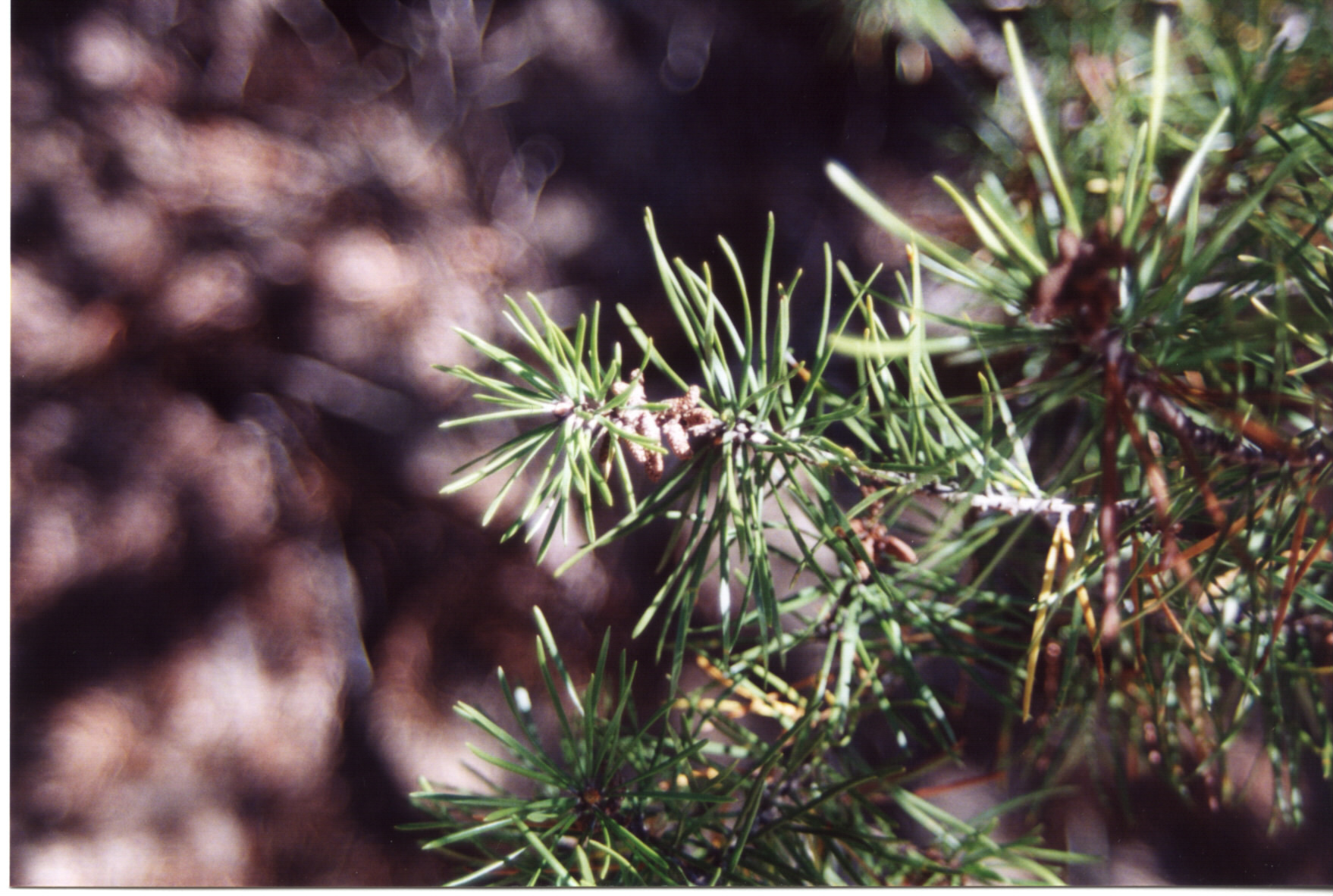
Male part of the plant
Female part of the plant
Name: Jack Pine
Botanical name: Pinus banksiana
Family Name: Pinaceae
Nativity: The Jack Pines are native to the United States.
Optimum Growing Conditions: Jack Pines are adapted to coarse, fine, and medium textured soils. They are not very tolerant to CaCO3, are not very drought tolerant, and are not fire tolerant. They require little moisture. Jack Pines need a pH minimum of 6 and a pH maximum of about 8.2. They require a precipitation minimum of 15 and a maximum of 35. Jack Pines are not at all tolerant to salinity or shade and need a temperature of at least -53oF
Practical Uses: Jack Pines can be used as post product, pulpwood product, nursery stock product, naval store product, and lumber product.
Foliage: Their leaves are yellow-green and they have a medium texture. They have moderate porosity during the summer and winter. Jack Pines have leaf retention.
Fruit: Jack Pines have brown seeds
Bark: The bark of jack pine is thin, brown, slightly tinged with red or dark gray, and is irregularly divided into scaly ridges.
Other Plants We Found:
Junipers

