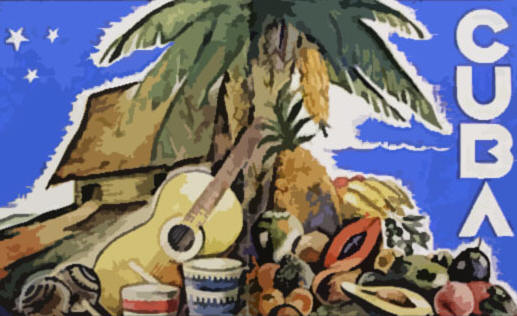
Cuban Music
|
Cuba has always
been a nation with a history and culture steeped with art, music, and literature.
However, the musical roots of Cuba is perhaps one with the richest and most
influential of this small island's art forms. Many people think that Cuban music all comes from a single source or influence and is all generally the same. That couldn't be farther from the reality of the diversity of the Cuban music scene. In fact, there have been numerous influences on Cuban music throughout the island's history. Presently, there are about eighteen different genres that cannot be properly described and contained within the simple title, "Cuban Music". With that said, it is also important to get a good idea of the history that shaped the music... |
|
|
The Taíno, Arawak and Ciboney were the indiginous people living on the island before most of hte establishing of plantations. All of these groups lived together on the island, which made for many cultural similarities. For example, all three groups were known for the style of music, areito. As large numbers of African slaves and European immigrants came to the island, they brought with them their own forms of music. The music of Cuba slowly transformed along side the changing demographics of the population. |
|
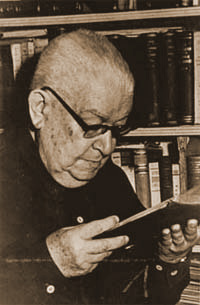
Once more and more European settlers came to the island in hopes of making money in sugar and tobbaco, their dances and folk musics, which included zapateo, fandango, zampado, retambico and canción, which also further influenced the music of the island. Fernando Ortíz, a Cuban folklorist, described Cuba's musical innovations as "arising from the interplay between African slaves settled on large sugar plantations and Spanish or Canary Islanders who grew tobacco on small farms". The African slaves and their descendants continued to use mostly percussive instruments and similar beats/rythems that they came from Africa. The most commonly used instruments were the clave, the congas, and batá drums. | 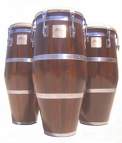
|
| The roots of the Cuban musical we know now come directly from the cabildos, which were a kind of social group among African slaves brought to the island during the slave trades. Cabildos tried continuously to preserve African cultural traditions, even after they were forced to unite with the Roman Catholic Church in 1886. At the same time, Santería was developing and had soon spread throughout Cuba and other nearby islands. Santería influenced Cuba's music, as percussion is an inherent part of the religion as well. Each orisha, or deity, is associated with colors, emotions, Roman Catholic saints, and drum patterns called toque. By the 20th century, elements of Santería music had appeared in popular and folk forms of Cuban music and remains one of the major influences in music throughout the Caribbean. | 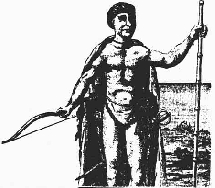
|
|
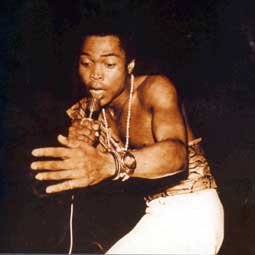
Cuban music has also been very influential
in other countries. Cuban music contributed not only to the development
of American jazz in the beginning of the 20th Century. Its rythms
helped shape Argentine tango,
Ghanaian
high-life, West
African afrobeat, Spanish
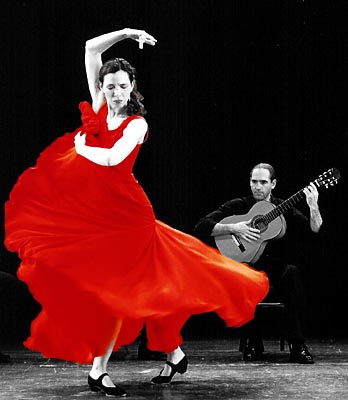
nuevo flamenco, and many more. Within Cuba, there are many popular
musicians working presently in the reggaeton genre, which
is taking Cuba as well as many urban areas in the United States by storm!
Not only that, there has recently in the past 20 years been a huge wave of
latin music from all over entering into the American music mainstream.
Cuba has just paved the way for many. |
|
For additional information on a sampling of
some of Cuba's most famous and influential musicians, simply click on a picture
below. Happy learning!!!
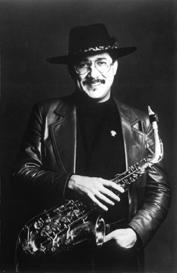 Paquito D'Rivera
 |
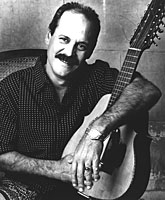 Barbarito Torres
 |
|---|---|
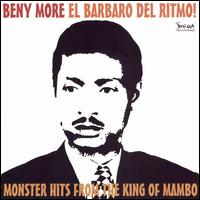 Beny More
 |
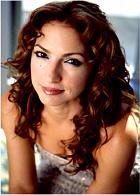 Gloria Estefan
 |
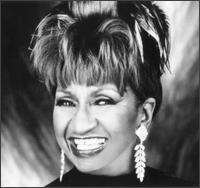 Celia Cruz
 |
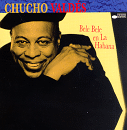 Chucho Valdez
 |
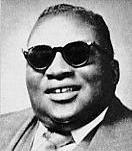 Arsenio Rodriguez
 |
 Mey Vidal
 |
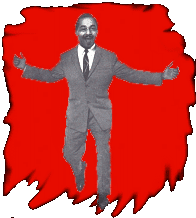 Perez Prado
 |
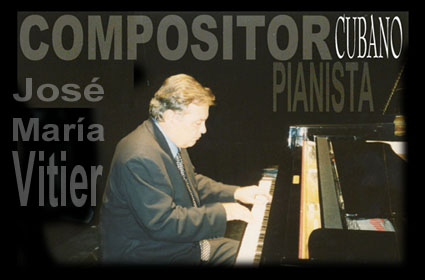 Jose Maria Vitier
 |