THE ANCIENT CUSTOMS AND TRADITIONS OF SONGKRAN


There are three aspects to Songkran.
APRIL 13th - The First Day

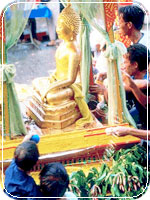
On the first day, April 13th, various activities are undertaken to "send off" the outgoing year. In the morning, merit-making rituals are performed and offerings are made to the Buddhist monks. Spring-cleaning and personal cleansing are also part of this "renewal" process. Later in the day, Buddha images are bathed with lustral water in a gesture of respect. The religious ceremonies include a procession of Buddha images through the city streets offering an opportunity for residents of the community to take part in the bathing rites. An annual "Miss Songkran" parade and floral floats are part of the popular festivities held to greet the Thai new year.

APRIL 14th - The Second Day
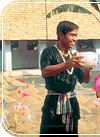
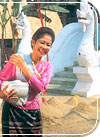
On April 14th, the day when the position of the sun is mid-way between Pisces and Aries, merit-making continues in the morning with offerings being made to Buddhist monks. The world-famous Songkran water-splashing festive fun takes place all day helping revellers to beat the summer heat. In the evening, sand is brought to the temples for the building of sand castles which are then decorated with colourful flags and flowers. The practice reflects an ancient belief that when an individuals walks away from a temple, particles of sand from the temple grounds are inadvertently carried away on one's shoes or sandals. The building of sand castles for the temple is seen to be a practical way of replacing the sand lost and a merit-making act through which blessings are earned.

APRIL 15th - The Third Day
The LAOS New Year falls on April 15th. Typical merit-making rites performed on this day include the presentation of food and other offerings to Buddhist monks at the temples; donations are made; fishes and birds are released; and a bathing ritual is observed whereby lustral water is poured over respected elders in a gesture of respect and reverence. The seeking of their blessing or forgiveness for past wrong-doing is also implied. Additionally it is believed that through these acts of merit-making, loved ones, long-departed are endowed with blessings and good fortune.

The religious ceremonies and folk rituals associated with Songkran are principally performed to bring good luck and prosperity. The rituals are also acts of gratitude and indebtedness undertaken in the memory of those who have passed on to another world.

THE TRUE SPIRIT OF SONGKRAN
CULTURAL VALUES & CODE OF CONDUCT DEFINED

 
Apart from marking a new beginning, Songkran is a time for thanksgiving. It is an important time for individuals to reflect upon the many acts of kindness and thoughtfulness each has personally experienced and to remember how such acts of generosity and compassion bring peace, happiness and well-being. Songkran is also the time for reunions and family ties are renewed.
The underlying significance of Songkran is the process of cleansing and purification - the purging of all ills, misfortune and evil and starting the New Year afresh with all that is good and pure. Water is symbolic of the cleaning process and signifies purity.

The Cultural Values inherent in the Songkran Festival are expressed through the various ceremonies and rituals. The meaningful aspects of Songkran are varied and culturally rich.

The first cultural value is "THANKSGIVING" - The demonstration of gratitude and an expression of thanks to individuals who have have "done good" or shown goodwill and are worthy of respect and recognition. Thanksgiving is demonstrated in Ceremonial aspects of Songkran such as the bathing of Buddha statues with lustral water, and the pouring of lustral water over elders and respected individuals conveys this and other outward demonstration of respect.

The second cultural value is loyalty to ancestors. This is achieved through merit-making.

The third cultural value focuses on the an individual's sense of awareness of his/her responsibilities towards the family and home. It is demonstrated via the traditional custom of "spring cleaning".

The fourth value addresses the value of religion and highlights the well- defined roles and responsibilities of the "temples and monasteries" on the one hand and the community served by the religious institution. Observance of this principle involves:
- Community involvement in the spring-cleaning of temples
- Meritmaking and offering food and alms to monks
- The bathing of Buddha statues and monks
- The construction of "chedis" or stupas and the decoration or beautification of temple surroundings

The fifth value is "ACTS OF KINDNESS AND GENEROSITY" towards others or doing good for others. Demonstrated by the preparation, exchange and sharing of food and desserts by members of the community and the sprinkling of water on each other. This is a gesture of hospitality shown as individuals attempt to "cool" each other off in the intense summer heat.

The sixth value is the spirit of co-operation and community spirit demonstrated through the enthusiastic participation of individuals of the community in Songkran festivities, sharing in the fun, spreading happiness and goodwill to all.


The morning of Songkran Day begins with meritmaking according to local customs and traditions. Younger folks make their way to show their respect and seek the blessings of elders and individuals of seniority by making offerings. The ritual which accompanies this show of respect is highly elaborate. Deep respect and reverence is shown to the highest institution of the Kingdom - the monarchy and members of the royal family, learned individuals in particular those who are "teachers" the providers of knowledge to students and elders recognised for their worldly experience and wisdom.

This gesture of respect manifests itself in the form of a colourful and vibrant procession. This is Songkran and not a moment's "sanuk" is to be missed. Bright colours, song and dance and festive fun is the order of the day.

Once the ceremonial gesture of respect has been shown and the good-spirited water-throwing is over, everyone returns home to "freshen up" and prepare for the evening's celebrations which consists of various performances and forms of entertainment. Not to be missed is the "Ram Wong" Thai folk dance. The "Ram Wong" enables everyone to join in the fun.
 

Hosted by www.Geocities.ws

1