Performing as an opening act in Europe in mid-1970, Denis and Craig continued to widen their audience. As always, the duo performed without the aid of additional musicians. One night, however, the bassist and drummer from Canned Heat, hidden behind the stage curtain, backed Lambert & Nuttycombe, leading many in the crowd to wonder who the mystery musicians were. A German festival featuring Sly and the Family Stone and Jimi Hendrix proved to be a highlight in the tour itinerary. Despite Lambert & Nuttycombe�s success in Europe, internal problems began to affect the duo. Denis�s heroin addiction led to erratic behavior and inconsistent performances. While in Europe, a writer from Rolling Stone interviewed the duo for an article in an upcoming issue. The interview was never published, however, due in large part to Lambert�s incoherence. As Denis�s condition worsened, plans for the duo to start recording tracks for a new album in Europe with producer Glyn Johns were shelved as well.
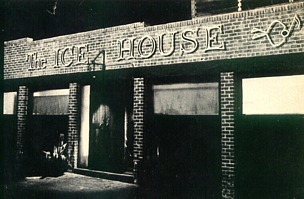
The Ice House in Pasadena, CA
Lambert & Nuttycombe traveled back to California around the end of 1970. They moved to Highland Park, just east of Los Angeles, from Marin County. With the help of their manager, they found jobs and apartments to live in. Once again, Denis and Craig began playing regularly at the Ice House in Pasadena. A&M Records held high hopes for Lambert & Nuttycombe, but the label began to lose faith in the duo after their stint in Europe. A&M soon dropped the duo from their label. Bruised but not defeated, Denis and Craig continued to write and perform. Although A&M had given up on the duo, Howard Wolf persevered. The duo�s manager began a search for a new label and sought to regenerate interest in Lambert & Nuttycombe. Craig and Denis were given another chance when 20th Century Records signed them in 1972.
Given that Lambert & Nuttycombe could make a fresh start, Denis, Craig, and Howard agreed that the duo should expand musically but still hold their folk roots. Although Denis and Craig began rehearsing new material with a backing band, the songs were classic Lambert & Nuttycombe � simple, acoustic-based tunes. Their band included famed L.A. session players Robert �Waddy� Watchtel and Hoppy Hodges. Howard Wolf, who would oversee the project, brought in Keith Olsen to produce the album. Keith, in turn, assembled a host of guest musicians to play on several tracks. Playing bass for the Music Machine in the late �60s, Olsen would go on to produce albums by a number of artists, including Pat Benetar, Santana, and Rick Springfield. Richard Dashut, who joined the project as assistant engineer, would later co-produce a string of best-selling albums by Fleetwood Mac, including their 1977 multi-platinum smash Rumours.
Lasting around three weeks, the sessions that produced As You Will increased the rising tension between Craig and Denis. Although Lambert made an attempt to get straight during the making of the album, he couldn�t kick heroin and his artistic vision remained blurred. As a result, Nuttycombe began to drift and often indulged in alcohol. The musical bond that Denis and Craig shared began to dissolve. Nonetheless, they carried on with the recording process. Nuttycombe revised �2 or 3 Maybe 4,� an old song written in Sausalito while working on At Home. Denis contributed the soothing ballad �Sleep,� which Howard Wolf later referred to as quintessential Lambert & Nuttycombe. �Oh My Darling� and �Roses in a Box,� two more Lambert compositions, dealt with troubled relationships, while Nuttycombe sang about self-awareness in �Child�s Care.�
As with the songs on At Home, the new songs dealt with matters close to the duo. The intimate atmosphere evident on At Home, however, was replaced by a fuller sound and polished production, courtesy of Keith Olsen. Along with Thomas Sellers, Olsen handled the string arrangements on songs like �Waikiki� and �Roses in a Box.� Joining the string section was Craig�s father Gary, classically trained on viola. Other songs on the album, including Nuttycombe�s autobiographical �Hollywood Baby,� were highlighted by a horn section. Canadian guitarist Domenic Troiano contributed jazz-influenced solo breaks to �Oh My Darling,� and Lindsey Buckingham, an upstart musician who would join Fleetwood Mac in 1975, added a banjo part to �She�s My Music.� Nuttycombe�s �Nickel-Dime,� a laid-back, R&B-influenced track, featured an extended instrumental break with saxophone by Lee Allen. Only a few of the new songs recalled the rustic sparseness of At Home. After the modest sales of Lambert & Nuttycombe�s debut, no one could predict if the duo�s new, more commercial sound would catch on with the record-buying public.
Recorded in 1972 and released the following year, As You Will presented a new dimension to Lambert & Nuttycombe�s music. A fuller sound resulted in less emphasis on the duo�s folk aesthetic and more emphasis on commercial appeal. The album generated a bit more national interest than its predecessor. Billboard magazine praised the album, calling it an �exceptionally pleasing acoustic set with fine musicianship and top harmony vocals.� Likewise, Morgan Ames of High Fidelity magazine was impressed but also commented on the current state of the music business. �[They] are not pathfinders, but they are the bulk of the record industry,� Ames said. �They keep producers and secretaries and record-pressers alive. Once in a while such groups hit big, usually they don�t, but they survive.� Despite the national publicity, As You Will sold considerably less than the duo�s debut, due in part to a fallout between 20th Century and Howard Wolf and a lack of label promotion.
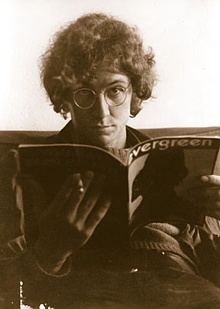
Craig
The expanded sound of As You Will accented the growing distance between Denis and Craig. The attempt to introduce the duo to a wider audience with a radio-friendly album failed. Many old fans viewed the lush production and use of studio musicians as unnecessary, while few others took notice. With their lackluster record sales and Craig and Denis�s personal problems affecting their creativity, Lambert & Nuttycombe�s musical career was in serious jeopardy. The duo continued to play live but Craig and Denis continued to drift apart. Nuttycombe, the more stable half of the duo, lost control one night at the Ice House. Walking off the stage after performing a set with Denis, Craig, unhappy and besotted, lost his footing and fell onto an empty table, saving his guitar by holding it above his head. Although he jumped to his feet and assured the crowd that he was alright, it was a disturbing sight, and it quickly became obvious that Lambert & Nuttycombe were self-destructing. Bob Stane, owner of the Ice House, told Howard Wolf that he would not have the duo return to his club.
As their musical magic faded, Lambert & Nuttycombe went their separate ways in 1973. Denis moved to Marin County with his girlfriend while Craig stayed in Los Angeles. Several years passed until A&M Records signed Nuttycombe as a solo artist and released his debut album, It�s Just a Lifetime, in 1978. Recorded in England, the album was produced by Glyn Johns and featured guitar work by Andy Fairweather-Low and Bernie Leadon, formerly with the Eagles. Due in part to poor management, the album sparked little public interest and A&M did not renew Craig�s contract. Largely unaffected, Nuttycombe moved to Carmel Valley, California, just south of San Jose, joining friend and photographer Ethan Russell on his family�s ranch. Around 1980, Craig received a visit from Denis Lambert. After staying in California for a few years following the duo�s split, Lambert relocated to Florida and then Georgia. After years of drug dependence, Lambert had turned his life around, entering a drug treatment program and finding solace in Christianity. Denis asked Craig if he would be interested in reforming and working on Christian-based music. Nuttycombe declined, however, and the two parted on good terms.
After their reunion, Lambert returned to Georgia and Craig stayed in California. He left Carmel Valley in 1981 and moved to San Luis Obispo, a city halfway between San Francisco and L.A. With renewed spirit and confidence, Nuttycombe began work on his first solo album in over a decade. He recorded My Own Beat with a group of local musicians and released the album independently in 1990. Nuttycombe�s musical growth was clearly evident in his deeply personal lyrics and heartfelt performances. In the summer of 1993, Denis Lambert returned to California once again to visit his former musical partner. In addition to reuniting with their former manager Howard Wolf, the duo entered the studio to respark their once powerful musical magic. They cut two of their originals as a duo as well as several songs each had written after their split. Neither Craig nor Denis realized that they would not have the opportunity to record together again.
Over twenty years after its initial release, Lambert & Nuttycombe�s first album At Home was remastered and issued on compact disc by Japanese distributor Pony Canyon in the early 1990s. In 1997, Nuttycombe released Planetorial Janitor, an acoustic set reminiscent of the stark beauty of Lambert & Nuttycombe�s debut album. Meanwhile, Lambert once again faced drug dependency after a hand operation left him in serious pain. Plagued with other personal problems and thoughts of an unhappy future, Denis took his own life in Georgia in 1997. Nuttycombe penned a song in Lambert�s memory and included it on his next album, Get it Done, released in 1999. Today, Craig occasionally plays Denis�s songs live, as he continues to write and perform his own material. In 2001, Japanese label Air Mail Recordings released Old Friends and Days Gone By, two discs collecting forty previously unavailable demos cut by Denis and Craig during their early years. Although At Home and As You Will remain out of print, a healthy collection of Lambert & Nuttycombe material survives on CD nearly thirty five years after they formed. Craig Nuttycombe, the duo�s surviving member, holds fond memories of his musical collaboration with Denis but feels disappointment considering the duo�s potential and their many lost chances to achieve wider popularity.
Despite personal tastes, many would agree that Lambert & Nuttycombe possessed genuine talent. Their hook-filled, folk-pop tunes were easily accessible, and their voices melded to create a distinct sound. What seriously hindered their chance of widespread success was Lambert�s heroin use, which alienated Nuttycombe as Denis�s dependency increased. As heroin took over Lambert�s life, both Nuttycombe and manager Howard Wolf often had to persuade Denis to attend recording sessions and live shows. Whether or not Lambert would be willing or coherent enough to perform was never certain. To remind them that their fate was in their own hands, Wolf would tell the duo, �I can put the bat in your hands but I can�t hit the ball for you.� Looking back, Nuttycombe feels that Howard did all he could to provide Lambert & Nuttycombe the opportunity for widespread popularity. After Lambert gave up drugs in the �70s, he realized that his addiction prevented the duo from accomplishing greater success, admitting this to Craig during their 1993 reunion. The visit would provide a sense of closure for Denis and Craig, as Lambert would pass away several years later.
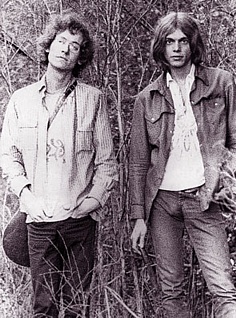
In their five years together, Lambert & Nuttycombe created a collection of songs that combined a spare folk sound with catchy melodies and bright vocal harmonies. Although they were given several opportunities to broaden their local California fan base, the duo never found national success. Denis and Craig released two albums together and performed in front of thousands of people. With more focus and stronger determination, they could have persevered and produced more music. Without the stability provided by Craig Nuttycombe or the aid of manager Howard Wolf, however, the duo may have never recorded one album. Today, the music of Lambert & Nuttycombe remains special to those who remember it. While much of the popular music from the early �70s sounds odd and outdated today, many of Lambert & Nuttycombe�s songs sound timeless, even three decades after they were recorded. Although they didn�t possess staying power, Lambert & Nuttycombe stayed true to their folk-pop tradition and left behind a set of songs that remain largely neglected and underappreciated.
by Jeremy Frey, April 2002

