|
The
following information is from "The Europeans"
by Henry James.
The
Baroness found it amusing to go to tea; she dressed as
if for dinner. The tea-table offered an anomalous and
picturesque repast; and on leaving it they all sat and
talked in the large piazza, or wandered about the garden
in the starlight, with their ears full of those sounds
of strange insects which, though they are supposed to
be, all over the world, a part of the magic of summer
nights, seemed to be Baroness to have, beneath these
western skies, an incomparable resonance.
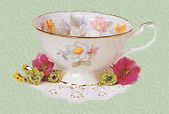
Tea
reached the height of popularity during Victoria's rein.
It evolved during this time into the central attraction
of two meals that were to become standards in British
life ~~ one that provided afternoons of pleasurable
socializing, and the other that provided evening
comfort.
High
tea was the Victorian working man's last meal of the
day. An early supper which allowed him to get to bed
before dark, it also provided him with the sustenance
needed to perform hard labor. A combination of hot
dishes, chicken, game, or ham served with salads,
breads, cheeses, and an endless assortment of cakes and
condiments, this meal consisted of anything available in
the pantry. For most, it was the bridge between a light
lunch and a simple breakfast.
Afternoon
tea, on the other hand, was generally a custom for
higher society, whether that of the aristocracy or the
prosperous middle and upper-middle classes. A delicate
affair, this meal was served in the late afternoon, long
after lunch and several hours before dinner. It was
appreciated as much for the company as for the meal. It
became an excellent reason for an invitation extended or
visit made. Quite a legacy for a simple camellia leaf!
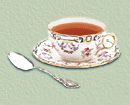
The
freshly brewed tea is too hot to gulp, but it will cool.
You can simply sit and wait until the boiling liquid
settles into comfortable warmth. Maybe you can read yet
another page of your book. |