|
Tricupsid Valvular Dysplasia and Congestive Heart Failure
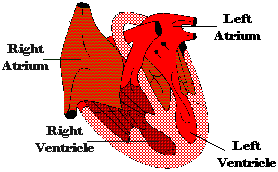
The following article was composed by Rachel Peeples. In the mammalian heart there are two sides,
a left and and a right, and each side has two chambers, the atrium and
To keep blood from going back into the atrium when the ventricles contract and to force blood to go out of the heart, there are one-way valves between the atrium and the ventricle on both sides of the heart. The valve between the left atrium and left ventricle is called the mitral valve. The valve between the right atrium and right ventricle is called the tricuspid valve. The proper functioning of these valves are critical to maintaining adequate heart function. If they mess up then less blood leaves the
heart (some blood goes into the atrium when the ventricle contracts instead of leaving the
heart) and, thus, more blood remains in the heart. The body responds to receiving
less blood by demanding the heart increase its function. The heart does so but as
the valves get worse and worse, less and less blood leaves the heart for the body.
Eventually, the heart can no longer properly deliver blood to the rest of the body and the
animal dies. Individuals affected by a more severe form
of the disease are unable to have a properly functioning right side of the heart and
usually develop right-sided congestive heart failure. With medical management these
individuals can survive for a period of time (few month to couple of years). Many
breeders of Labradors are working to eliminate this Congestive Heart Failure Left sided CHF is characterized by a failing left side of the heart. Since the left side of the heart takes blood returning from the lungs and sends it to the body, the first place affected by a failing left heart are the lungs. Blood backs up in the veins of the lungs causing fluid to leak out into the lung. This leads to respiratory problems and is typically characterized by coughing in the dog. As it progresses the dog suffers worse and worse respiratory distress, and if untreated, often dies from the respiratory complications. In right-sided CHF the blood backs out in the veins returning blood from the body. Thus, the fluid leaks out into the rest of the body causing limb and abdomen swelling. Because fluid accumulation is a component of both types of CHF, a diuretic is given to encourage removal of this fluid. Other drugs are given to reduce the amount of work the heart has to do and to aid the heart in pumping the blood better. Typically, dogs can live months to years with CHF given proper medical, nutritional (low salt), and management (low exercise) treatment.
All text and graphics are
Copyright � by LabsR4U. Please do not copy any text or graphics without permission. |