| Sachsen in General |
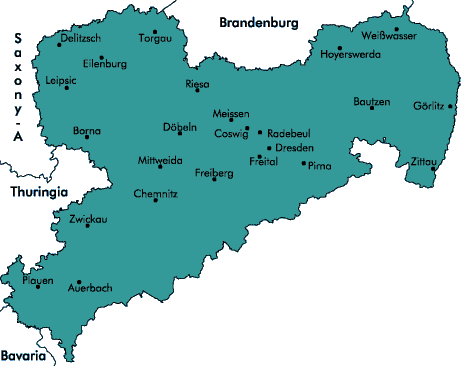 |
| Capital: Dresden Population: 5,014,435 Sachsen lies in East Germany, bordered on the west by the German state of Thueringen, Sachsen-Anhalt, and Bayern. It is bordered on the south by Tschechische Republik (Czech Republic), the east by Polen (Poland), and on the north by the state of Brandenburg. Some majors cities of Sachsen include Dresden, Leipzig, and Chemnitz. Sachsen is very polluted due to the mining of brown coal and uranium. The northern part of Sachsen is hilly due to the Harz Mountains of Sachsen-Anhalt. |
| The History of Saxony |
| Saxons were first mentioned in the 2nd century by Ptolemy indentifying them as politically united people ruled by chieftans or princes. In the 3rd and 4th century the Saxons were active in raiding parties against Britian and North Sea shore settlements. Some Saxons settled along the north shores of Gaul in the 5th century, but would eventually fall under Franco domination. Throughout the 6th century, Saxons continued their attack on Britian, and along with their neighbors, the Angles, formed Anglo-Saxon settlements on Britian. Charlemagne conquered the Saxons in the 8th century. The Saxons were forced to pay tribute to France and covert to Christianity. However, Sachsen was divided from the French Empire in 843 with the treaty of Verdun to form the basis of modern Germany. |
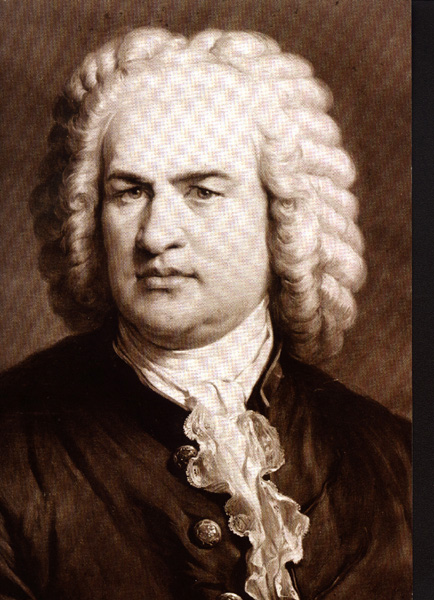
| King Henry the I and his son Emperor Otto I both kings of Germany. Adam Riese Gotthold Ephrain Lessing Gottfried Wilhelm Leibniz Augustus the Strong Johann Sebastian Bach Kurt Hans Biedenkopf Erich Kaestner Robert Schumann Richard Wagner Carl Maria von Weber Jens Weissflog Heinrich Zille To learn more about famous Saxons click |
| Famous Saxons |
 |
 |
 |
 |
| Landmark: |
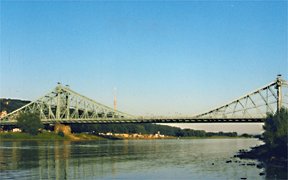
| Blaues Wunder |
| The Loschwitzer Bridge was built in the years 1891-93 by Koepke and Krueger. It is the first iron bridge without a strompfeiler. The bridge spans 141 meters in length and is painted blue. Able to hold large amounts of traffic, the bridge was nicknamed "Blaues Wunder" or "Blue Miracle". |
 |