I keep a file on my computer named "On Deck". It is where
I stash all the pictures and information I get from
here and there. It is full and needs emptying. I have been venturing out further and staying
later in the places I am visiting. Since the weather has become
so pleasant, that being "t-shirt weather", northern brothers and sisters. A night ride home down the
interstate is not a big deal, and can be enjoyable.
I got an early start on this one, yes sir, 9:00 AM. I headed up the usual route through Leonville emerging in Turkey Creek. I didn't have a plan. I remembered I had promised you I would finally bring the Bayou Boeuf articles to a climax. I decided to run the Turkey Creek Road to Glenmora
and from there go through the forest south of Boy Scout Road. I ended up
at Melder on La. 112. I rode it to La.1199 and shot on up to La.121 and Gardner on La. 28, west of Alexandria, Louisiana's Crossroads. Bayou Boeuf crosses 28 toward Alexandria and forms the
border between the Red River Valley and the Kisatchie Uplift (Wold). The bayou
is not much at this point and does not rate a road, like a real bayou, to follow it as I would
find out. I turned north following Bayou Rapids which is going to be the next Bayou to follow artilcle. It has some very interesting "stuff" on its banks. Back to the poor dilapidated
Bayou Boeuf. Maybe "youthful" is a better word. I could see it on the GPS, and like I said, it was just out there
wandering with no accompaning road. A child unattended. I knew from map study, every night before bed, that
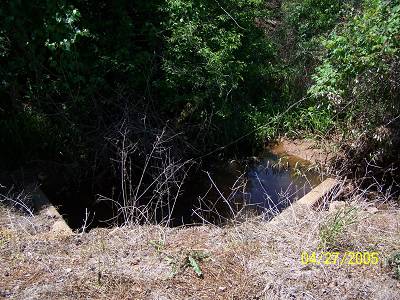
the Boeuf crossed La.121 north of Gardner. It did. It was just about unnoticable at that point.
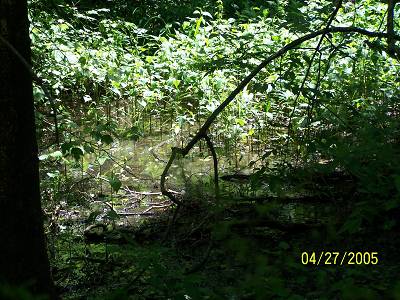
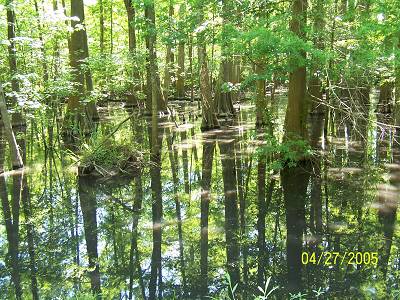
I took a few pictures of the ditch, I mean the stream, and the swamp area. Then I proceeded to
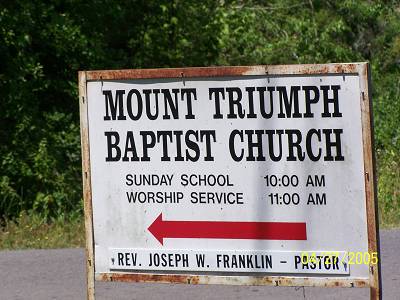
Mount Triumph Baptist Church where I hoped to see the Divine Souce of the Boeuf. No, but I was warned of snakes.
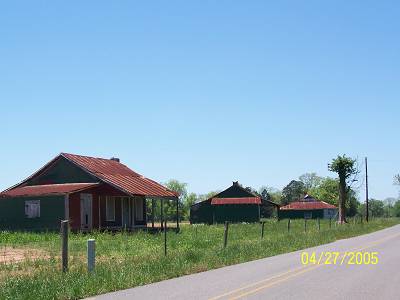
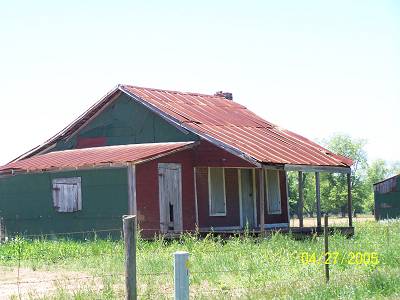
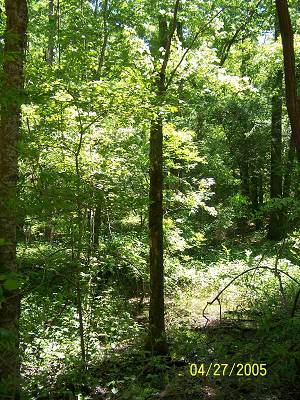
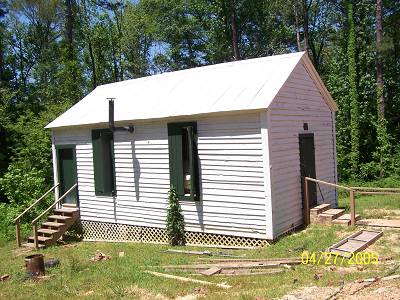
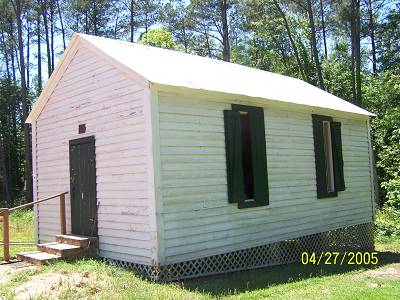
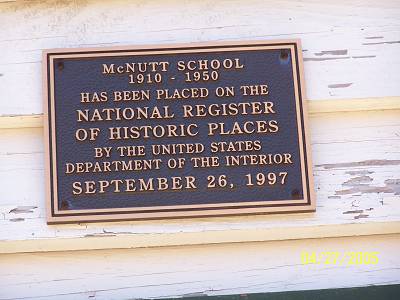
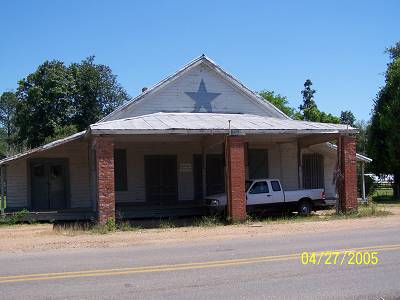
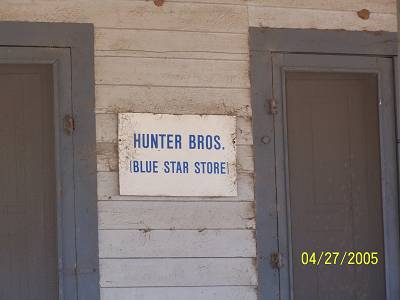
I did discover something else. I had remembered the old Mt. Triumph Baptist Church. Its construction had been typical country Baptist church style. Evidently the congregation had grown and the church was thriving. The old church was gone and a new brick one was being built. I rode up and turned around in disappointment. Then I decided to ask one of the builders if the minister was around so I could ask permission to roam the grounds in search for the spring or whatever gave birth to the bayou. The brick layer said the minister hadn't been around but he would be more than happy for me to take as many pictures as I'd like. I looked at the thick woods and walked a ways into them and decided it was not worth the ticks or the snakes that are friskey this time of year. I returned to the workers and interrupted them again. I asked if either of them knew any of the history of the area and was there anything left of the old church. One replied that there was nothing but the old school house where the minister had gone to school. Things had just gotten a lot more interesting. He said, "Look over there". It was a one room small school house. It had a plaque listing it on the National Registry. The school room was where the ancestors of the former slaves of the McNutt Plantation and other surrounding plantations were schooled between 1910 and 1950. One of the brick layers said his great grandmother was one of the teachers there. Her name was Catherine McNutt. She was eight years old when slavery ended. She lived to be a hundred years old. And I had almost turned around. What a great story. The area is not known as Mt. Triumph, but McNutt Hill. It is the high ground coming out of the Red River Valley at this point. I bided them a good day and moved on back down the hill to La.121 and the Blue Star Store where a fella was sitting under the cover of the porch eating lunch. I figured everyone around here knew great historical stories so I interruped him, too. I asked him if there was a "big house" still around associated with the McNutt Plantation. He thought a moment and said he didn't know of one but there were some old slave houses back on the bayou road. I told him I'd seen them and taken their picture. He seemed happy about that and went on to tell me that they had been back in the woods on the Old Boyce Road and were being destoryed. He went on to tell me that Miss Amy had had them moved to the bayou across from her house so that she could watch over and protect them. I thought that was a wonderful gesture. The "big houses" of the South are restored and made into monuments. The homes of the workers (slaves and share croppers) that actually made the plantation system work are often over looked and not included or even talked about on the tours.
Again I had hit the "jackpot". I was on a roll, yet again. Lesson learned: Approach people, they love to talk about history and if they have a famous relative, like Miss Catherine, you could be there a while. |