 aesthetics of total serialism
what is serialism?
"It is a concept of creating artificial forms
based on a special relationship between individuality
and similarity,
focusing on avoiding repetition, aiming
for completeness, tending toward permanent
innovation on both theory and practice and
revolving around the idea of structural mediation
between
different quantities, qualities, types and
classes of elements; more than enough for any artist to work
with in a never
ending spiraling movement up to infinite progress."
(pg.7)
analogy of a drama serial
In the script, a structure
is created by the writer, but each scene is different, and there are variations
within fix parameters
and constants.
serial theory in music
The idea of serialism is first used in music.
Since centuries ago from the Greek till the
recent, the structure and framework of music remains
the same. For instance, the time signature,
music notes, and annotations, create the skeleton for
other different kind of music to occur. Serial
thinking allows musician to compose indifferent types
of music over the time frame despite the
tool of creation remaining constant.
(for information)
composing
new music after 1950
"the
evolution of music via serial-thinking"
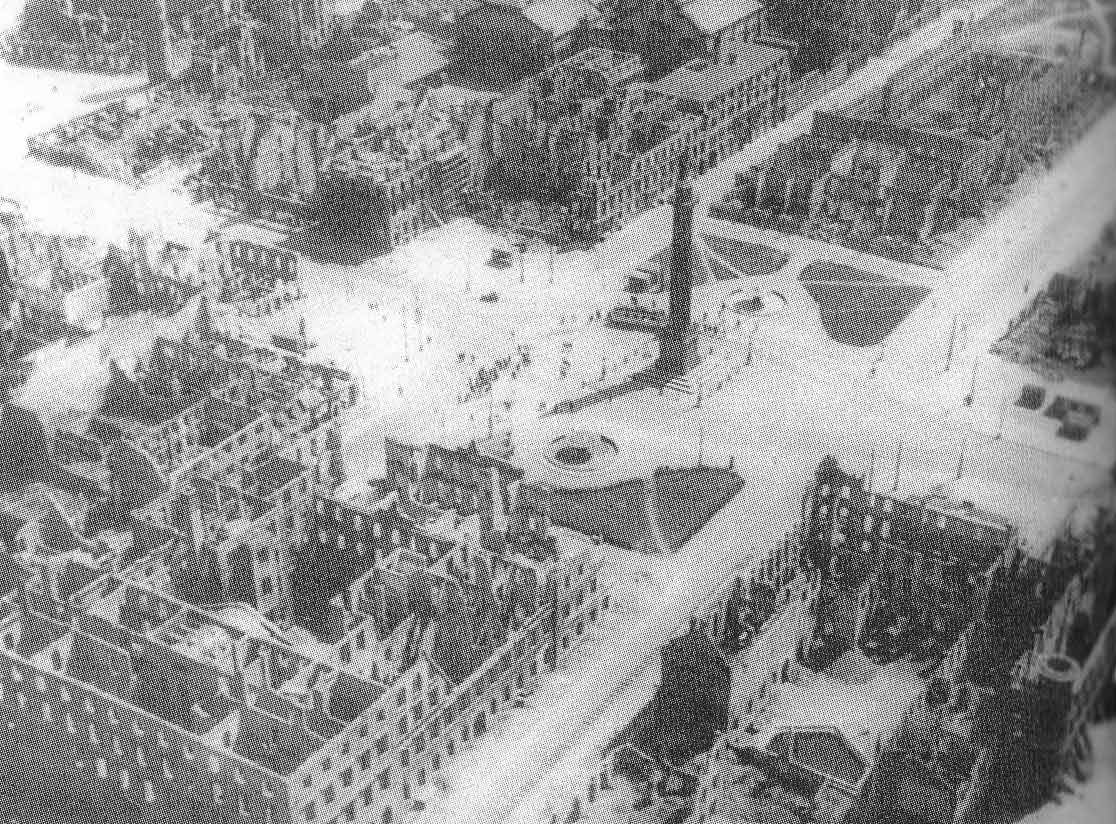
After the world war, especially in Germany,
there was an impetus to create a new musical language.
This is because the “romantic” music was
shadowed by the bourgeois and nationalistic mechanisms
that are responsible for the past disaster
in politics and history.
1800s - Beethoven, sensual effects, Romantic.
some critique see it as a form of manipulations.
1854- Hanslick's popular book, PROGRAM music.
conveying religious, or philosophical meaning.
Gustav Mahler, harsh reality of contemporary secularized and industrialized
society.
War, loneliness, dillusion, became part of music themes.
1908- Arnold Schonberg, invented the 12 note
rows, enable him to control distribution of pitches, so
there was no longer any preponderance of one specific note and no major-minor
tonality.
1946-Serial theory as a formal theory in
Darmstadt (small town in Germany) idea of bringing
intellectual forces into music. A break from the central aesthetic paradigms
and musical
technique ("dynamic music") no longer about music alone, but deals with
listening, society as well
as "washing-out" traditional elements in music.
"what
we appreciate is not what we possibly might like tolisten to,
since
we only know the music we listen to" (Pg. 41)
(musical dimensions like melody, harmony,
rhythm, meter, bar totally reconstructed.)
1951- pointilistic music. A note or tone no
longer considered as functional part of a melodic line or chord
but individual entity that is able to have its own resonance.
(new ideas in electronic music, when technology is introduced to music
after the war)
1990 digital music, 3-dimensional sound movement, digitized information
processing.
1955- note forming groups and fields.
1955-"open form" or aleatoric music, overcome
fix structure, where music is about rules and organization
which gives a variety of outcome in performances. (for example, a
form with a fixed beginning and
multiple possibilities of ending)
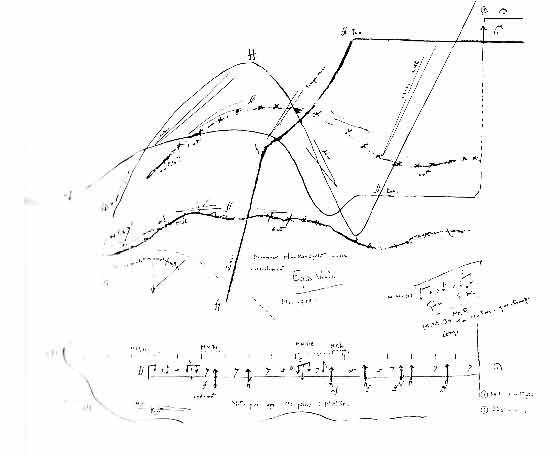
1960-new notations and graphic elements.
music integration, non-european music, digitized sound.
"The underlying
ideas of these achievements reveals related concepts in all of the cases
that
share
a single principle in the ordering of the specific elements (pitches,
sound structures,
positions
of sound in space, types of cultural styles, degrees of mixture between
them and so on)"
serial thinking in other
art-forms
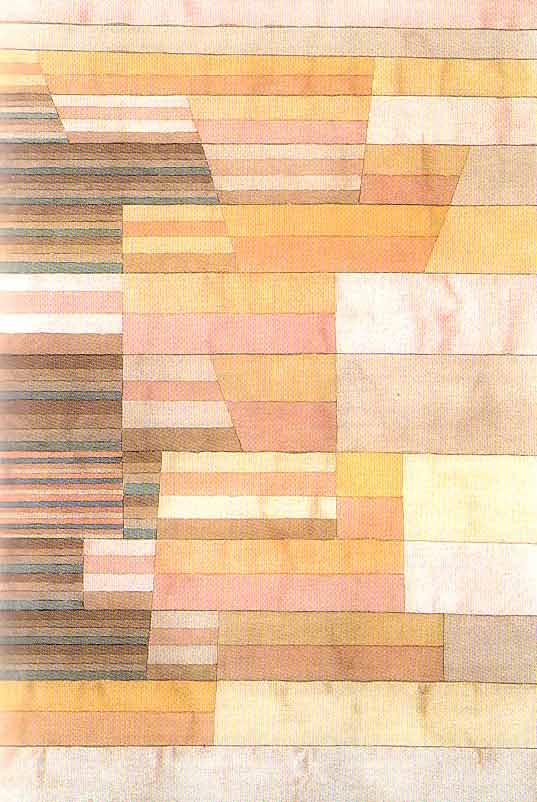
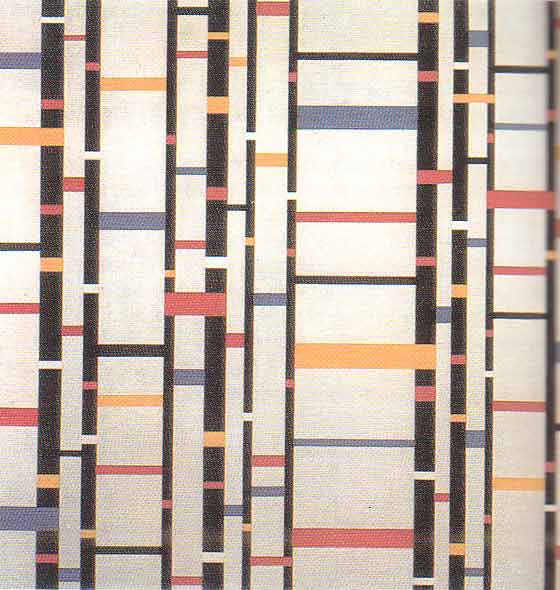
eg. nature, painting
the concept of serial-thinking
is not dominant in music only. It is applicable in other fields,
due to its general
definition and generic rule. For instance, the book gives example of
the human body, where
serialism is dominant, since we have the same body components
but each of us look
different. And none is identical from one another.
Basics: Elements and Forms
"conventional,
artistic and formal principles of variation as well as contrast and symmetry."
4 principals: repetition, contrast, identity, differences.
scales and steps
The playing of elements in various degrees
and gradient. Analogous to the concept of serialism, the object's
underlying principal remains constant despite
the change in its physical form.
quantities, qualities, integration and inter modulation
With different modules generated, it is important
to create an ordering principal that regroups the fragments
together. The idea of quantities and qualities
are subjective perception to unify the modules.
music
and the electronics
"technology
providing the extra edge..."
Computer open a new dimension of creation. Because of serial thinking, music is never the same again. The
Serialism in Architecture. (conclusion|comments)
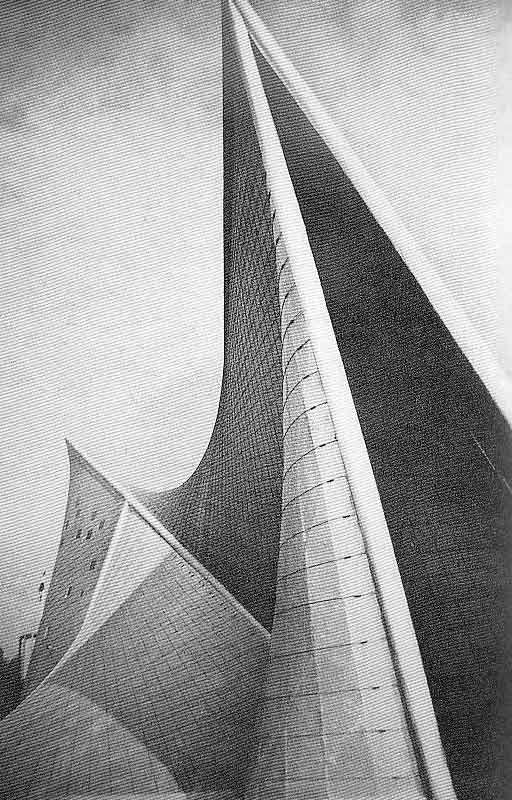
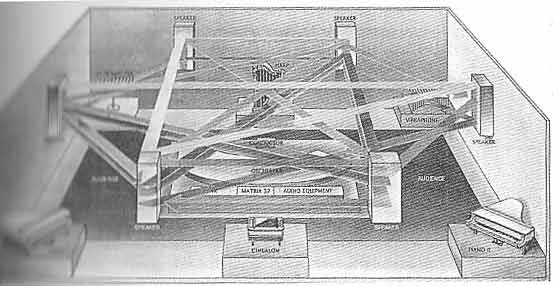
(above: Le Corbusier's design of the Philips
Pavilion in 1958)
the
relation of music and architecture
"it
has been one of the generating concepts since the Renaissance..."
the common of architecture and music (for
eg. the question of order and proportion in material or the
individual and social relationship between
work and human beings) If serialism gives the edge to music,
could it helps architecture to evolve in
the information age?
the
modulor, an example of serialism in architecture
"the
rule of the Modulor has manifest itself in modern design and construction"
construction, functionality and aesthetics
the modulor is a powerful
tool of design which creates a new concept of aesthetics
with the human proportion.
(the modern man) Besides that, it solves construction
problems like pre-fabrication
whereby building components could be made to a
standard "universal"
unit of measurement that fits the general public. On top of that,
design is now related
to construction.
why
serialism is an important concept of deriving new forms?
"jewish
museum as an example"
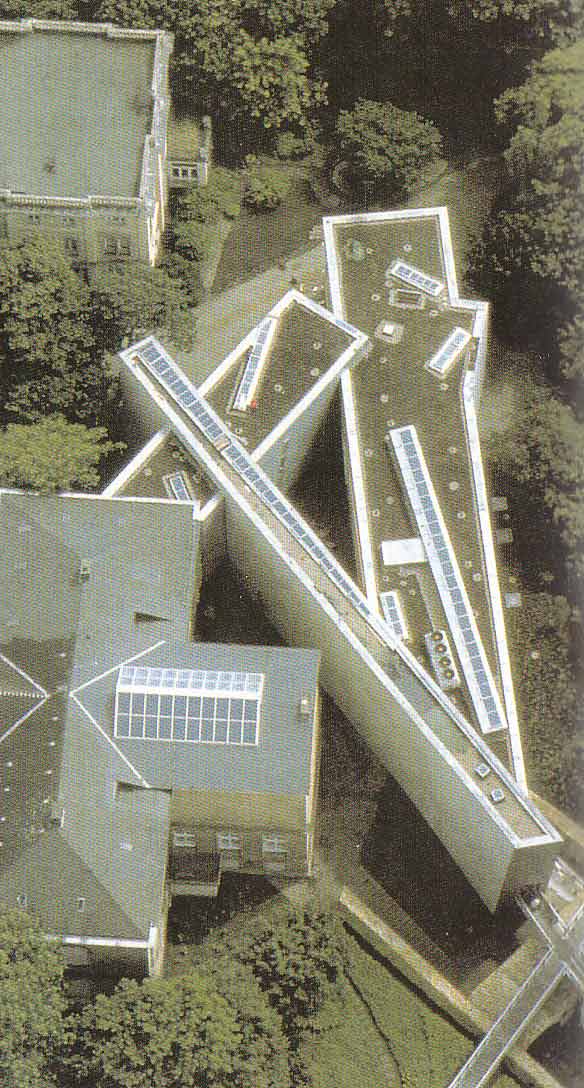
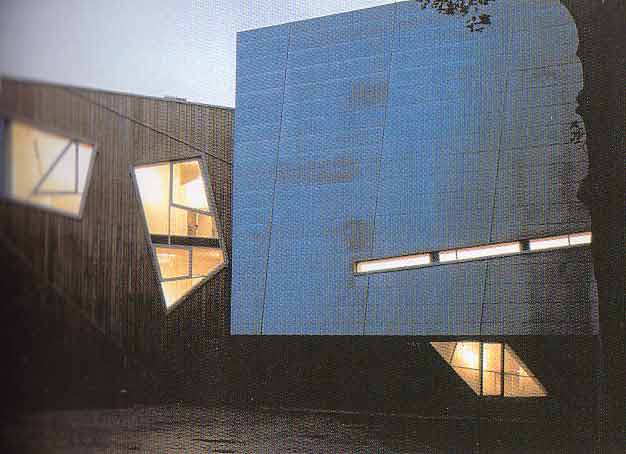
(daniel libeskind: Jewish Museum, Berlin)
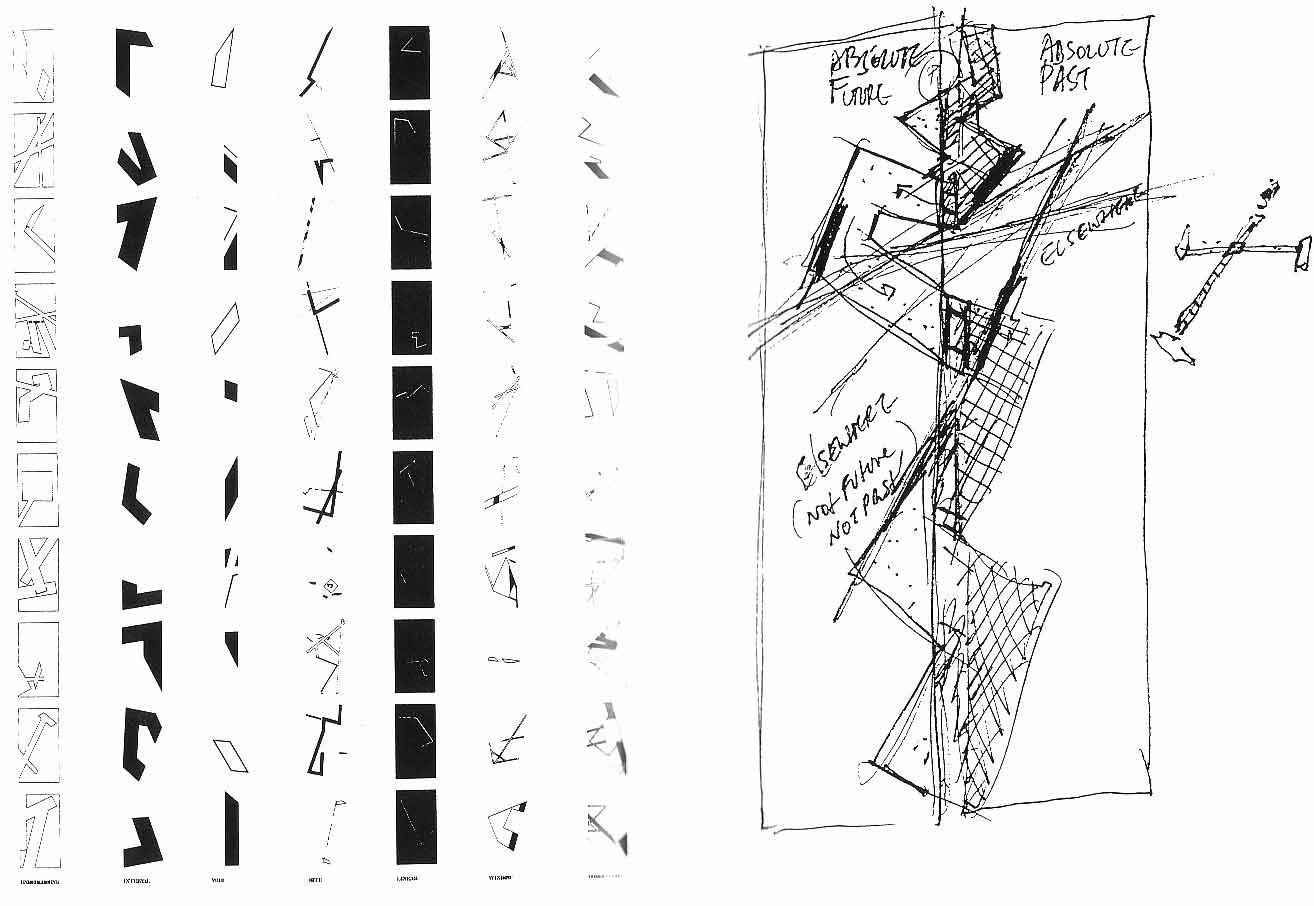
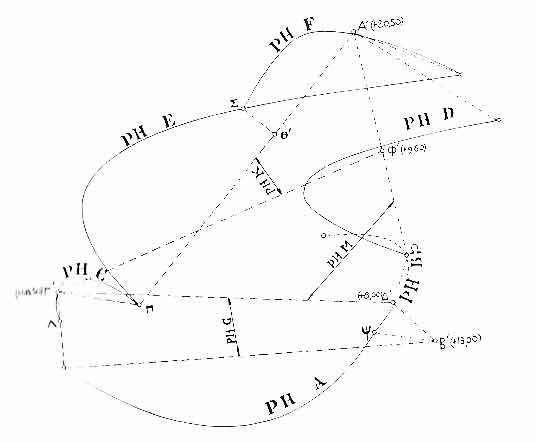
(diagrams)
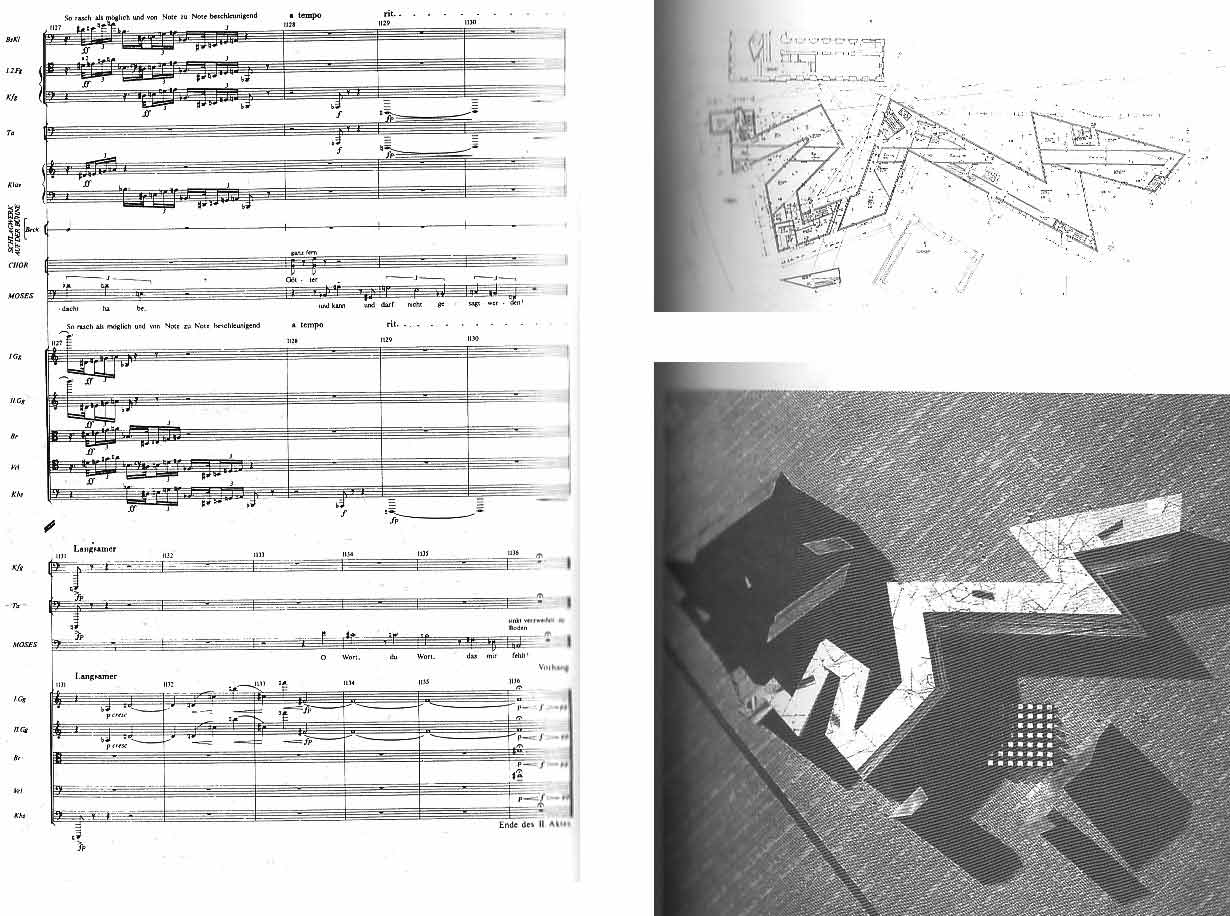
(music as inspiration)
"the method not the form"
In the new information age, consuming images
and following styles are dead ends to creativity. Because,
there could only be one Gehry, Tshumi, Eisenman
and anybody that attempts to plagiarize their work has
limited success. Hence, in order to derive
innovative solutions, it is important to learn the method not the
result. It is not true that serial thinking
is associated only to music but as the author argued that it is a
fundamental which is illustrated strongly
in music. (and the success is recordable) And truly, we saw the
evolution of music, through serial concept,
and how it is able to disintegrate and hinge on technology to give
it a contemporary edge. Architecture do shares
similar quality as music and the concepts of serial thinking
is a revolutionary solution. In general ,
architecture has been dealing with the same structure and order for
decades, for instance, the general rule of
the "vertical surface being a supporting element and the horizontal
as a work plane" still applies. Nevertheless,
although this "rule" still exist, each period of architecture is
different because of serial concepts.
"the application of serial principles to architecture has not yet come to an end" (pg. 90)
Different from music,
architecture has a very strong functional aspect to fulfill. To a certain
extent, it is not about
creating design based
on pure feelings or fantasy, but a respond to the client's need and other
social
requirement. However,
serialism construct a paradigm in design evolution. (Like music which is
able to fragment
itself to take in multiple
factor as illustrated earlier).
"as
a design paradigm"