what form does information takes?
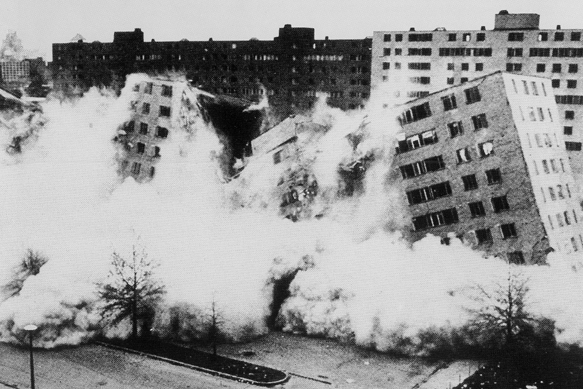
a communication of SUBSTANCE in the new agedeath of modern architecture. The transition from post-modern to the information age have witnessed the evolution of architecture as a tool of communication,
it is no longer about a "white" univalent or "cold" form, evidentally seen in the Industrial paradigm. In order to understand current architecture from the
perspective of converying SUBSTANCES, it is important that we site the arguement from Robert Venturi and Charles Jencks. "Substances" is an umberalla term
to classify buildings that have visual and design depth in it. On top of that, it breaks down the concept of "New-Objectiveness" in the Industrial realm, as
buildings (now) is no longer about a simple box or machine, but charge with narrative, contextual meanings, energized spaces.
complexity and contradiction in architecture - robert venturi
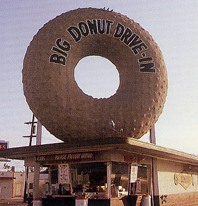
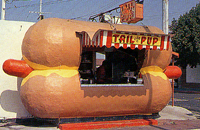
communication as icons versus symbols"the duck is the special building that is a symbol; the decorated shed is the conventional shelter;
that applies symbol..."The sign has become an intrinsic part of architecture after the post-war, due to comsummerism, advertising, and its effeciency as it serves the inform the occupant and
public about the function of the building. No doubt, the idea of signages have manifested itself to electronic billboards, advertising facade that are prominently
seen in shopping, or commercial buildings. The electronic screen is a powerful design element, not only it suggest the function of the building, respond to the urban
context and also its ever-changing "facade" constantly changes the building skin.
"a decorated shed" with information-icons
language games
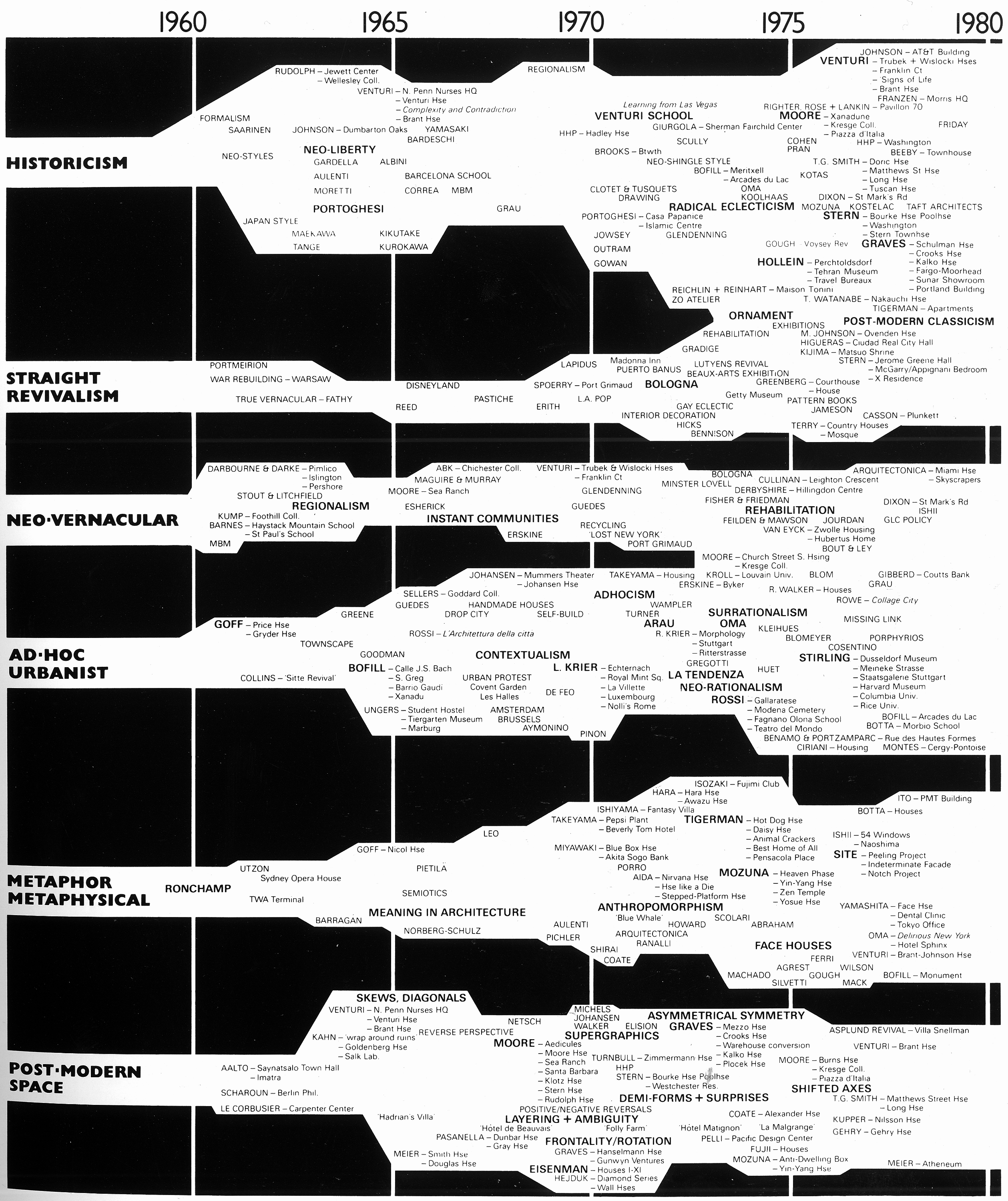
communication as icons versus symbols"the following charts are extracted form Charles Jencks, Post Modern Architecture, it gives an inslightful summary of design methods, which then relates to
a particular method of communication to justify the multi-layered architecture style after the post-war."
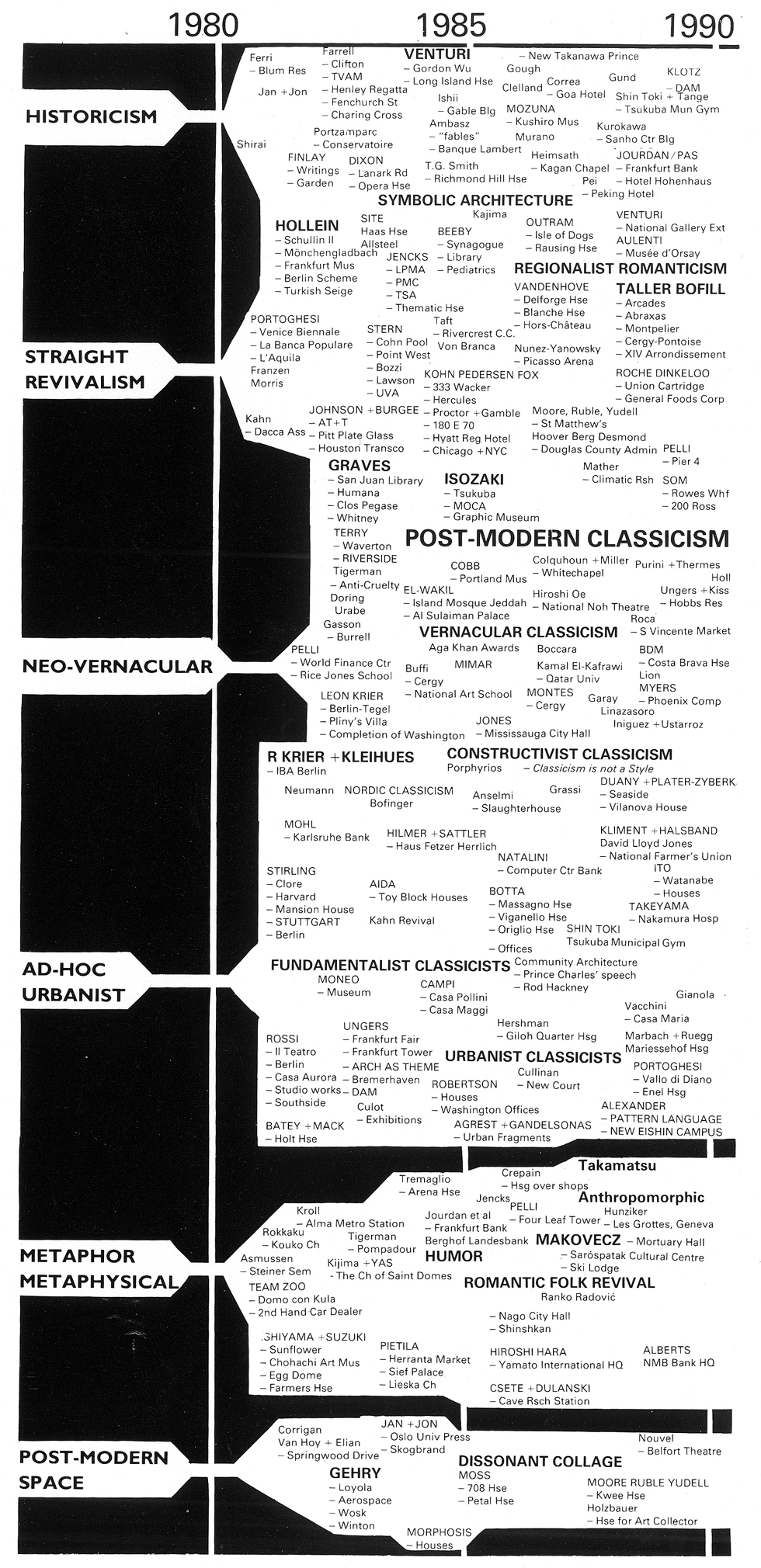
(the following examples, shifted away from the paradigm of the duck or decorated shed. the communication tool is evolutionary and aspiring.)
communication strategy
diversity in communication"people as the facade"
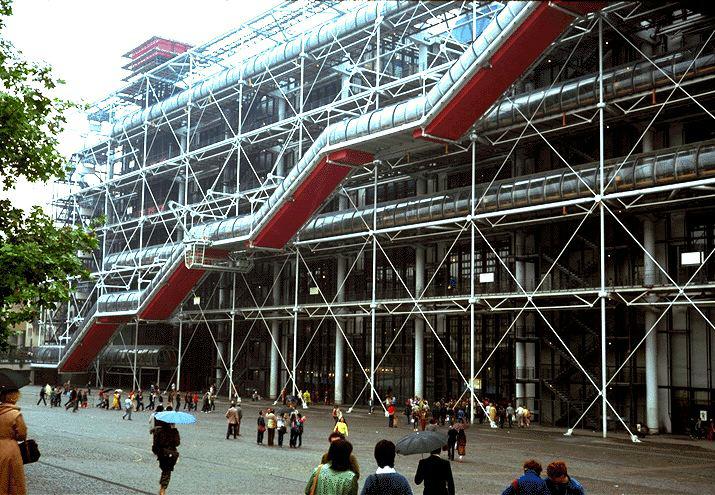
The Pompidou Centre by Renzo Piano and Richard Rogers took the idea of communication into a new dimension. The "SUBSTANCE" is now manifested by
inverting the interior and exterior spaces. The services and human circulation become the key character of the building and they serve as references as to
how the entire building functions programmatically. The architecture becomes the "signage" for the building complex.
communication diversity
architecture and its site"integrate architecture and its environment"
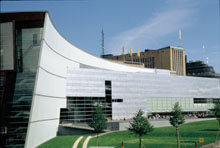
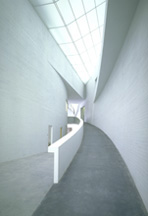
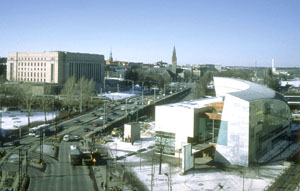
the concept of intertwining. The concept of Museum of Contemporary Art, involves the intertwining of the building’s mass with the geometry of the city and landscape.
The architecture act as a meditator between the diverse urban context and surrounding site forces as well as opportunities, and the building could be read as a result
that is shaped by these response.
communicating "SUBSTANCE"
sculptural form"architectural sculptures "
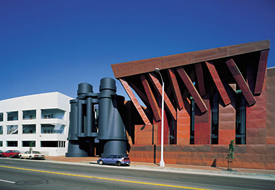
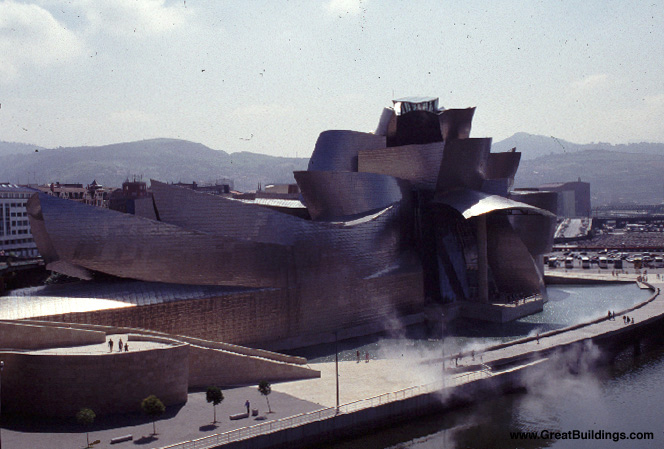
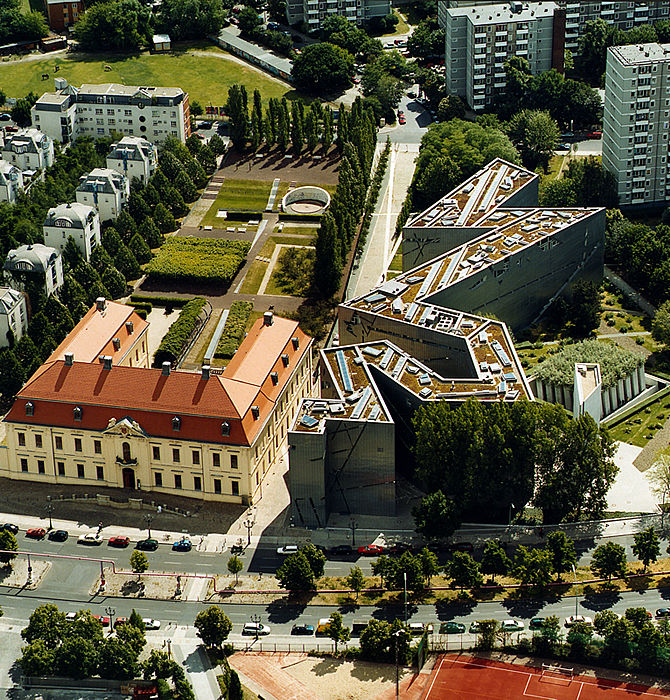
the Bilbao and Jewish museum shared common characteristic of an architecture of a sculptural form. The tool of communication is exceptionally
strong as the building has an enduring value of exploration and inert spatial and formalistic organization concept. "SUBSTANCE" is prevailing,
as the method of communication is un-conventional and arouse human curiosity.
conclusionIt is important to understand the diversity of design methods available in the information age. The act of "rebelious creativity" has result to innovative use of technology,
digital media as a tool of communication to reach out to the public. However, at the meantime, it is important to understand Venturi's idea of the "duck" and decorated
shed, this is because "SUBSTANCE" could be dilluted through overpowering use of symbols. (for instance, decorated elements in Disney, where architecture is reduced
to sheer comsummer value) On top of that, in order to discover "SUBSTANCE", the facade now act as an important frontage which serves as a
threshold to lure people to discover its interior spaces.
reference cited:
1. Charles Jencks, The Language of Post-Modern Architecture. New York: Rizzoli International Publications, 1991.
2. Stanislaus Von Moos, Venturi, Rauch & Scott Brown Buildings and Projects. New York : Rizzoli International Publications, 1987.