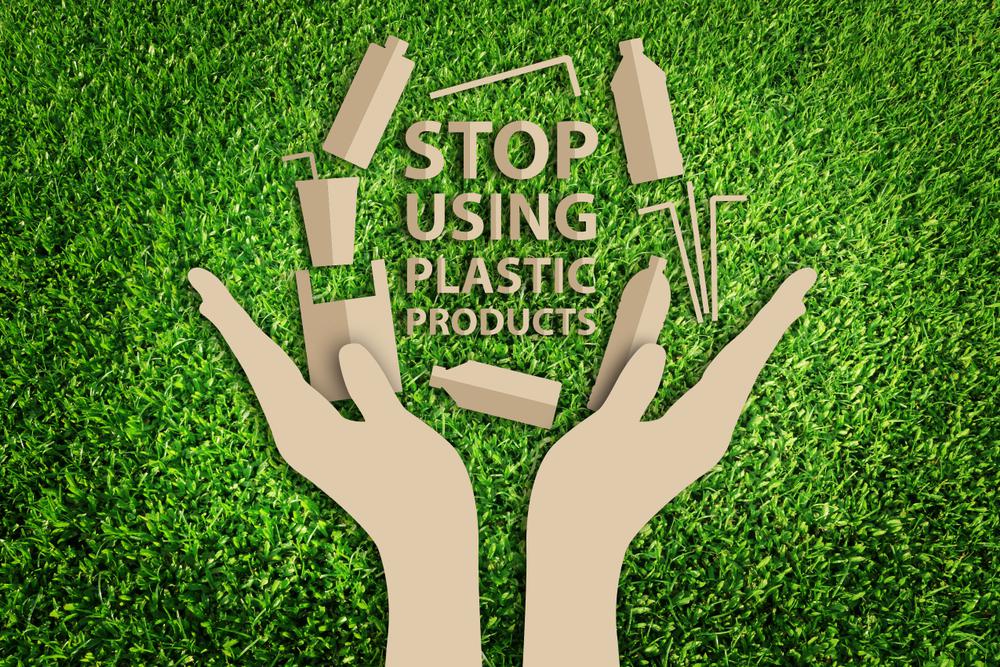
Save Our Oceans: Reduce Plastic Waste

Join the movement to protect marine life and preserve our planet.

Ocean Scene 1

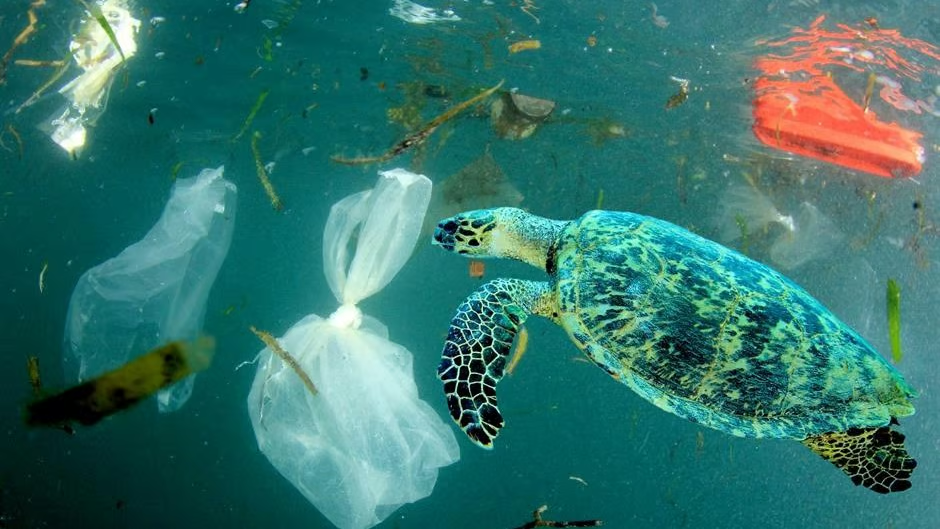
Every year, millions of tons of plastic enter our oceans, harming marine life and ecosystems.

Ocean Scene 2

Did you know that over 1 million marine animals are killed each year due to plastic pollution?

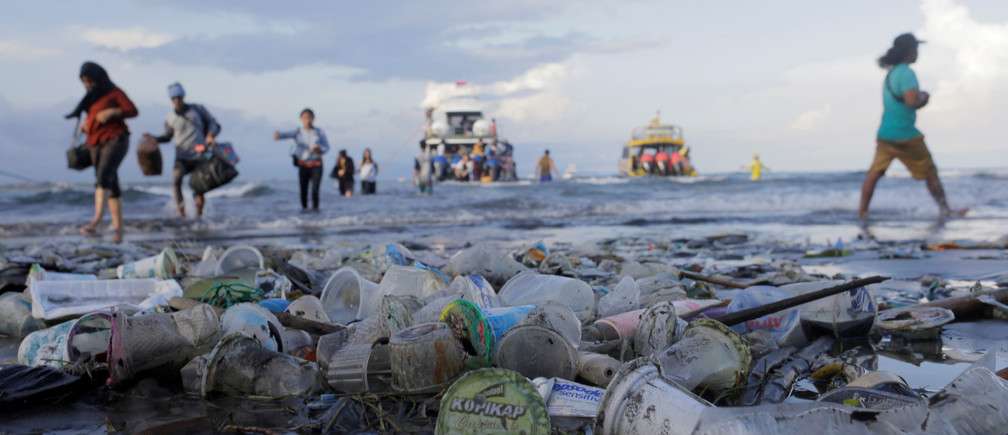
Ocean Scene 3

Reduce plastic use by choosing reusable bags, bottles, and straws!

Understanding Plastic Waste

Plastic waste is one of the most pressing environmental issues of our time. It takes hundreds of years to decompose, leading to massive pollution in our oceans. Each year, an estimated 11 million metric tons of plastic waste enters our oceans, harming wildlife and disrupting habitats. From microplastics to large debris, the impact is severe. Marine animals often ingest plastic or become entangled, which can lead to injury or death.

In addition, plastic waste contributes to the degradation of coral reefs, which are vital ecosystems. As plastics break down into microplastics, they can infiltrate the food chain, ultimately affecting human health. By reducing our reliance on single-use plastics and promoting sustainable alternatives, we can protect marine life and restore our oceans. Every action counts—join us in making a difference!
How You Can Help

Reduce Plastic Waste

Choose Reusable

Opt for reusable bags, bottles, and containers to minimize waste. This helps reduce the demand for single-use plastics and saves you money in the long run.

Say No to Single-Use

Avoid single-use plastics like straws, cutlery, and plates whenever possible. Instead, bring your own reusable items when dining out or hosting events.

Support Eco-Friendly Brands

Choose products from companies that prioritize sustainability and eco-friendly practices. Look for items made from recycled materials and those with minimal packaging.

Impact of Plastic on Marine Life

Marine animals often mistake plastic debris for food, leading to ingestion that can cause internal injuries, malnutrition, and even death. Sea turtles are particularly affected, as they frequently consume plastic bags, mistaking them for jellyfish. Additionally, entanglement in plastic nets and six-pack rings poses significant threats to various marine species.

Furthermore, microplastics—tiny plastic particles—have been found in the stomachs of fish, shellfish, and other marine organisms. These particles not only affect the health of marine life but also pose risks to human health when consumed through the food chain. Understanding these impacts highlights the urgent need for action.

The Role of Policy and Legislation

Effective policy and legislation are crucial in tackling plastic pollution. Governments around the world are beginning to implement bans on single-use plastics and promoting recycling initiatives. By supporting policies that restrict plastic production and encourage sustainable alternatives, we can drive systemic change.

Advocating for better waste management practices, improved recycling infrastructure, and public awareness campaigns can significantly reduce plastic pollution. Each of us can play a role in holding policymakers accountable and pushing for stronger environmental protections.

Community Engagement and Education

Community involvement is vital in the fight against plastic pollution. Educating ourselves and others about the effects of plastic waste can inspire collective action. Hosting workshops, clean-up events, and educational programs can raise awareness and empower individuals to make sustainable choices.

Join local groups focused on ocean conservation, participate in campaigns, and use social media to spread the word. Together, we can build a movement that fosters a cleaner, healthier environment for future generations.

Spread the Word

Share your commitment to reducing plastic with the hashtag #SaveOurOceans