|
|
| Peoples | |||||
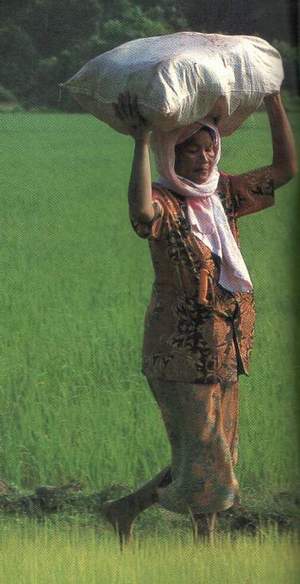 Krabi's open door has invited people of different races to come here for generations. Cavemen and wandering sea gypsy lives from hunting
and collecting edibles, while traders lived with commercial profits, and subsequent urban people enjoy the wealth of resources here, from elephants, forestry, fishing, palm oil to present-day tourism. Each group of people represents each page in the tapestry of Krabi's long and colorful history.
Krabi's open door has invited people of different races to come here for generations. Cavemen and wandering sea gypsy lives from hunting
and collecting edibles, while traders lived with commercial profits, and subsequent urban people enjoy the wealth of resources here, from elephants, forestry, fishing, palm oil to present-day tourism. Each group of people represents each page in the tapestry of Krabi's long and colorful history.
Origin of Uraklavoy Sea Gypsy These seamen or sea gypsy reside on Ko Phi Phi, Ko Jam, Ko Poo, Ko Ngai and Ko Lanta Yai. Once these people wandered around, lived on wooden boats, and made their livint by fishing with bare hands, diving to collect shell-fish and collecting forest edibles. Their traditional way of life reflects in their song sung during sailing festival, recounting their ancestors and their wandering lives on the seas. 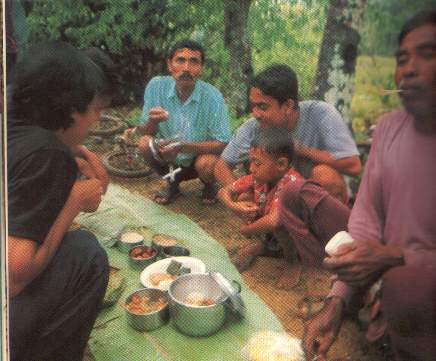
Chinese Chinese in Krabi have close economic and cultural links with their relatives in Penang and Singapore. The Chinese from Fujian and Guangdong regions migrated to Krabi during King Taksin's reign. Subsequently, more Chinese from nearby Surat Thani, and Chumporn provinces migrated to seek employment in charcoal production while Chinese from Nakhon Si Thammarat province came to collect the swiftnests in Krabi. Many Chinese came during recent days to work in oil palm plantation and gypsum mining. This explains why the Chinese culture and tradition in Krabi resemble those in Pangnga, Phuket. 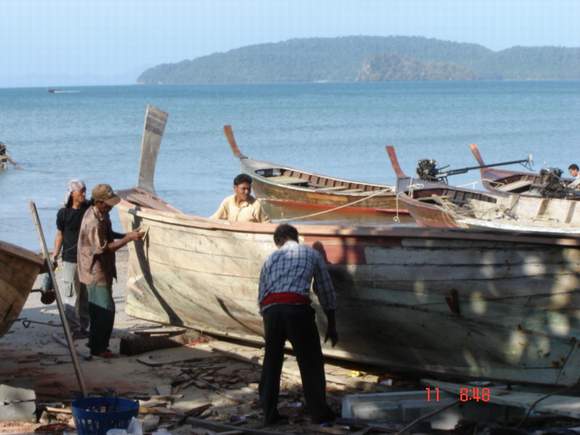
Muslim
|