

Museum of Welsh Life
The other black gold
November 30, 2002
Kind of like dollhouses, only not...
|
|
|
|
|
|
|
|
|
|
|
|
|
|
|
|
|
|
|
|
|
|
|
|
|
|
|
|
|
|
|
|
|
|
||||||||||||||||||||||||||||||||
| Big Pit & St. Fagans | ||||||||||||||||||||||||||||||||
| Mining Museum of Wales and Museum of Welsh Life |
||||||||||||||||||||||||||||||||
| BIG PIT - Nov. 16, 2002 The other black gold |
||||||||||||||||||||||||||||||||
| We weren't allowed cameras inside the pit - too risky - outside was too foggy, so I didn't get any... just shut your eyes tight, you'll get the idea... | ||||||||||||||||||||||||||||||||
| Coal. A substance I have little familiarity with. Just Ebinezer Scrooge harping on poor Bob Cratchet for being wasteful or something muscley men in striped shirts heap into steam engines in cartoons. Association with mining is vague � along the lines of �coal comes from coal seams in mountains.� And it makes sense that to access coal, one would have coal mines, and coal mines are in West Virginia. That�s about it. So to plummet 300 feet in a cage to a cold, drafty corridor with eerie shadows cast from your headlamp and see first hand more than 100 years of industrial history was a bit of an experience. This was Big Pit Mining Museum of Wales in Blaenafon, in the Industrial South Wales Valleys. In its day, this mine employed some 1,300 workers alone; nearly a quarter of a million people worked in more the Welsh mining industry at the turn of the century, producing close to 90% of Europe�s coal supplies before World War I. Today there are 300 workers in one mine. The industry is gone and all that remains are hollowed out shafts sunk deep in the earth, dregs and tips of refuse sprawling about the countryside and a country that is still recovering (unemployment and pollution, among other things) from a time when Welsh industry was on top of the world. And UNESCO designation as a World Heritage site, like Stonehenge and the Pyramids of Giza. And as you follow your guide (a former miner himself) through 120 years of history, of harsh conditions, of social reform, of high production levels and very low ceilings, you feel the heart of the place - sort of beating softly and slowly within its nitty-gritty charm and turbulent past. It�s awe-inspiring in a very unique way, its simple complexity, so you don�t mind being blinded by 11 other headlamps, squishing into a damp cage-elevator, riding through the darkness until a pale blue light begins to splash down the shaft, and you shiver and wonder what it was like in November of 1902 in its prime and know that you will never know, that all you can do is wonder. And learn. | ||||||||||||||||||||||||||||||||
| Museum of Welsh Life, St. Fagans November 30, 2002 Kind of like dollhouses, only not... |
||||||||||||||||||||||||||||||||
|
||||||||||||||||||||||||||||||||
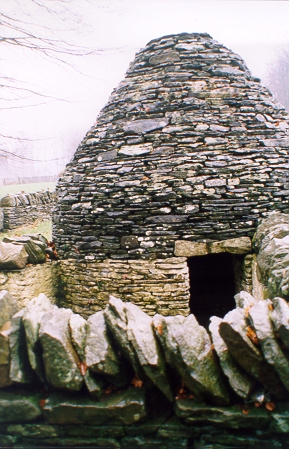
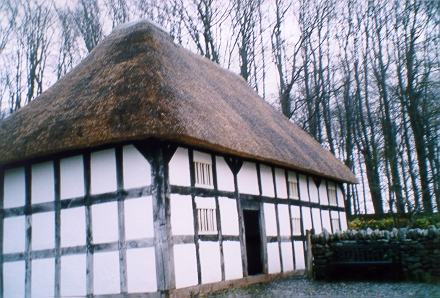
| Cardiff is a busy little capital city � with its City Hall and museums and white, stone, important looking buildings. It looks like a capital city, like it�s on the forefront of modern, riding the wave of new, upbeat and vibrant. At least, that is what I felt while strolling down the avenues, around the castle and along the steps of the quintessential capital-city column-laden blocks. And what�s great is that you can venture a few miles outside of town and be whisked away to historical Wales � pick a period of your fancy � and off you go through a maze of authentic tudor homes and farmhouses, through castles and pottery hops, even into mud huts. This is the Museum of Welsh Life at St. Fagans. Essentially it�s an open-air model home village, like you find in the states � a series of vacant houses that give you an idea of what life inside them would be like. Like giant doll houses, shells that no one lives in and that you hop about at your own leisure and pick what you like or dislike and say �Fancy that!� and �Hmmm, interesting�� and then move onto the next house, like its an auction that you actually have no intention of | ||||||||||||||||||||||||||||||||
| participating in. The place actually takes you back in time (or in the future with the pre-fab energy-saver home), it�s kind of weird. They are all real buildings from period, reassembled and maintained authentically, farmhouses and bee-hive pigstys, castles, tudor summer cottages, a little bakery (with the most delicious cheesy bread anywhere, I insist you try it) and little shops for the cooper or potter, all fashioning their wares in the traditional ways right in front of you. Unfortunately it was raining that day, and as much as it contributes to the authentic-Welsh experience, it was rather unpleasant to tramp about in the mud and having to continuously put up and take down your | ||||||||||||||||||||||||||||||||
|
||||||||||||||||||||||||||||||||
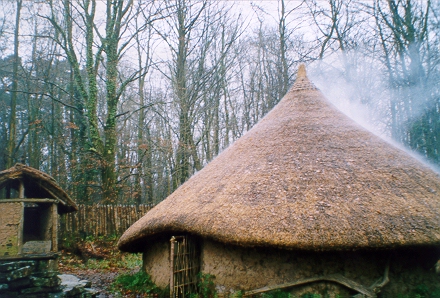
| umbrella. So I found myself for a large portion of the time sitting inside the iron-age huts, warming by the fire and imagining what life may have been like inside this round, dirty, smoky hut with mice crawling about in the ceiling (which, by the way, is why canopy beds were mouths open could safeguard against rodents falling into | ||||||||||||||||||||||||||||||||
| it from the thatched roofs.. a little trivia for you). It was dry, and that was nice. We looked a bit more around the village, then made our way into the indoor gallery its collection of Welsh �stuff,� in the �odds and ends typically associated with an attic� way. Guns, quilts, horse skulls wrapped in white sheets, love-spoons, whatever, then did a similar look through at the gift shops, at all the �Made in Wales� goodies. I couldn�t help but leave wondering what sort of �modern� buildings will be added to the collection and couldn�t shake an image of people in the year 2539 laughing at our Martha-Stewart design interiors and inflatable furniture. I hope we�re remembered for a bit more than ugly wallpaper and vertical blinds, but should that happen, I hope the future generations snicker. | ||||||||||||||||||||||||||||||||
|
||||||||||||||||||||||||||||||||
| Day Trips | ||||||||||||||||||||||||||||||||
| Home | ||||||||||||||||||||||||||||||||
| all photos by Lauren Quinsland | ||||||||||||||||||||||||||||||||